Torcello
Venetian Lagoon, Italy
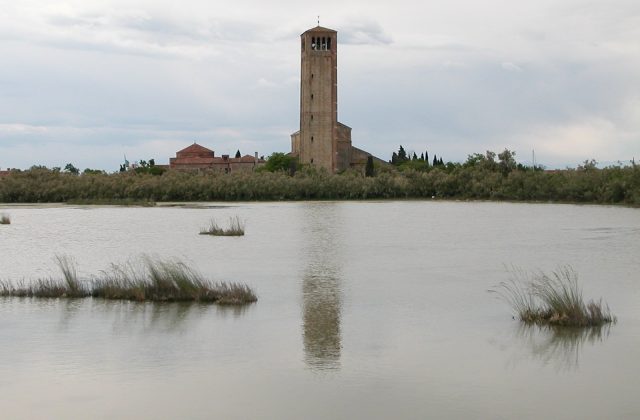
Torcello is a near-empty island in the northern Venetian Lagoon that was once a busy town and the first home of the…
25 tours & trips
Italy · Adriatic Sea · Historic island
Murano is a cluster of small islands joined by bridges in the Venetian Lagoon, about 1.5 km north of Venice, and the home of Venetian glass since the 13th century. It is a short vaporetto ride from the city, with glass furnaces, a fine glass museum and a medieval church with a remarkable mosaic floor.
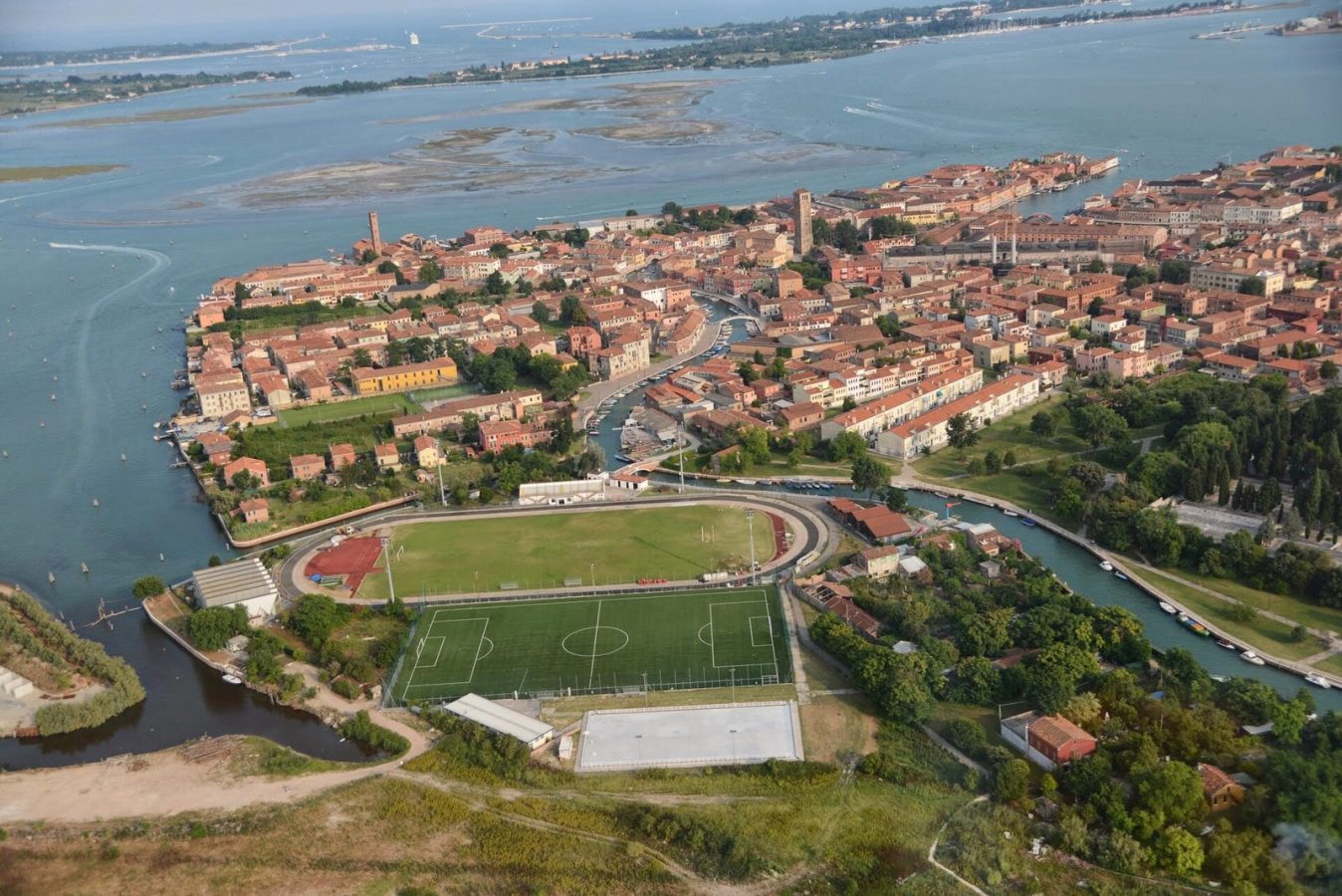
Photo: Anton Nosik, CC BY 3.0
| Getting there | Vaporetto from Fondamente Nove in 10 min or from Piazzale Roma and the station in about 25 min |
|---|---|
| Gateway | Venice (Fondamente Nove) |
| Travel time | 10 min by vaporetto |
| Days | A half day or day trip |
| Best months | Apr–June and Sep–Oct; July–August hot and crowded |
| Getting around | Car-free: walk; the island is about 1.5 km across, and vaporetti stop at several points |
| Booking | Nothing needed; book workshops and glass classes a few days ahead |
| Cost | Mid-range; cheaper to eat than central Venice |
| Beaches | No beaches; for swimming take the vaporetto to the Lido |
| Sea | Adriatic Sea |
| Archipelago | Venetian Lagoon |
| Area | 1.2 km² |
| Population | 4,683 |
| Ferry | 10 min from Venice (Fondamente Nove) |
| Airport | No |
| Car-free | Yes |
| UNESCO | Venice and its Lagoon |
| Checked | October 2026 |
Murano is easy to visit on your own, so tours here are mostly about glass or about combining several lagoon islands in one trip.
The most popular product is a boat trip from Venice that stops at Murano for a glass-blowing demonstration, then continues to Burano and often Torcello. These take four to six hours and include the boat and sometimes a guide; the glass demo is usually short and ends in a showroom where buying is optional. Private boat tours offer the same with flexible timing and suit families.
For more depth, small furnaces on the island run longer guided factory visits, glass-making classes where you work with a master, and lampworking or bead-making sessions. Some include a gift or let you take home what you made. There are also art-buying tours of contemporary glass galleries and evening visits to the basilica.
Be careful of free boat offers near San Marco that take you to a single factory showroom with high sales pressure. A vaporetto pass and a morning walk are enough for most people; book a class or a combined islands trip if you want guidance.
Along the Rio dei Vetrai, the main canal of glassmakers near the Colonna vaporetto stop, furnaces open their doors for demonstrations. You watch a master gather molten glass on a pipe, blow and shape it into a vase or horse in a few minutes. Look for the official trademark that guarantees real Murano glass when buying.
The glass museum, in the old bishop's palace near the basilica, traces the craft from Roman times to the present. Highlights are Renaissance enamelled goblets, delicate filigree, chandeliers and modern art glass. Allow an hour; it is a ten-minute walk from the furnaces and close to the Museo vaporetto stop.
Next to the museum stands the island's oldest church, rebuilt in the 12th century in Veneto-Byzantine style. Look down at the mosaic floor, inlaid in 1141 with peacocks, eagles and geometric patterns, then up at the gold apse mosaic of the Virgin. Behind the altar hang large bones said to belong to a dragon slain by St Donatus.
This Gothic church on the Rio dei Vetrai has a large altarpiece by Giovanni Bellini, as well as glass chandeliers made on the island. It is usually open in the day and much quieter than the churches of central Venice. It sits between the furnaces and the bridge over the Grand Canal.
Murano has its own Grand Canal, crossed by the Ponte Vivarini, with palaces, small shops and canal-side restaurants where lunch costs less than in Venice. Walk along the fondamenta in the afternoon when the tour groups have left, and continue to the Faro, the lighthouse, for the boat to Burano.
Our pick for each kind of trip, with live dates and prices. Free cancellation on most.
Best for: First visit, the lagoon islands
A boat trip from Venice that combines Murano's glass with the colourful houses of Burano and the ancient church of Torcello, the easiest way to see all three.
Murano is a short ride across the lagoon from Venice. Vaporetto lines 4.1 and 4.2 leave Fondamente Nove, on the north side of Cannaregio, every few minutes and take about 10 minutes, stopping at several points around Murano. Line 3 runs directly from Piazzale Roma and the railway station, taking about 25 minutes. Line 12 to Burano stops at Murano Faro, which makes it easy to visit both islands in one day.
Buy a single ticket or, better, a day pass from the machines and offices at the stops, and validate it before boarding. The airport boat line from Marco Polo airport also stops at Murano. There are no cars: leave yours at Piazzale Roma or Tronchetto, or in Mestre, before entering the lagoon.
Murano is small and car-free, and walking is the only way around. The main sights are all within about 1.5 km, linked by bridges over the canals. From the Colonna stop, walk along the Rio dei Vetrai past the furnaces, cross the Ponte Vivarini to the museum and basilica, and continue to the Faro. Vaporetti stop at several points, so you can start at one end and leave from the other.
April to June and September to October are the best times, with mild weather and fewer crowds. July and August are hot and humid, and group tours fill the furnaces and the main canal from late morning. Come early or after 3 pm.
Many glass furnaces work only on weekdays, and some shut for part of August, so plan your visit for a weekday morning if you want to see the masters at work. The museum and basilica keep regular hours but close on some holidays.
Winter brings fog, cold and the occasional acqua alta flooding, but Murano is quiet and atmospheric then. Around Carnival in February, Venice fills with visitors but Murano stays calmer. A half day is enough for the glass and the churches; add Burano for a full day.
Most visitors stay in Venice and come for a few hours, which is the simplest plan. Murano has a handful of small hotels and apartments, and staying here gives quiet evenings and lower prices than central Venice, with the vaporetto to the city every few minutes. In Venice, Cannaregio near Fondamente Nove is the most convenient area, close to the boats for Murano, Burano and the airport line.
Murano was settled in Roman times and grew as a fishing and salt-making island, with its own council and even its own coins. In 1291 the Venetian Republic moved the glassmakers here, partly to protect the city from fires and partly to keep their secrets. Glassmakers enjoyed privileges but were forbidden to leave the Republic. By the 15th century Murano was famous across Europe for crystal glass, mirrors and chandeliers. The industry has shrunk but still dominates, and palaces, churches and furnaces line the canals.
Burano, with its brightly painted houses and lace, is about 30 to 40 minutes further by line 12. Torcello, the oldest settlement in the lagoon, is a few minutes beyond. The cemetery island of San Michele, between Venice and Murano, is a stop on the way. Back in Venice, St Mark's Square is about 30 minutes away by vaporetto.
Vaporetto from Fondamente Nove in 10 min or from Piazzale Roma and the station in about 25 min.
From Venice (Fondamente Nove): 10 min by vaporetto.
A half day or day trip.
Apr–June and Sep–Oct; July–August hot and crowded.
No. Murano is car-free. Car-free: walk; the island is about 1.5 km across, and vaporetti stop at several points.
Go if you want to watch glass being blown, see a museum of Venetian glass and enjoy a quieter canal-side lunch. Skip it or go straight to Burano if you only want colourful houses and photographs, or if you dislike sales pressure in showrooms. With about 10 min each way from Venice (Fondamente Nove), a day trip is easy to do.
Mid-range; cheaper to eat than central Venice.
No beaches; for swimming take the vaporetto to the Lido.
Nothing needed; book workshops and glass classes a few days ahead.
Yes. Boat trips, guided tours and day trips for Murano can be booked online; live prices and free cancellation on most are shown on this page.
Venetian Lagoon, Italy
Torcello is a near-empty island in the northern Venetian Lagoon that was once a busy town and the first home of the…
25 tours & trips
Venetian Lagoon, Italy
Sant'Erasmo is the vegetable garden of Venice: a flat, rural island of about 3 square kilometres in the northern…
5 tours & trips
Venetian Lagoon, Italy
The Lido is the 11-km sandbar that shelters the Venetian lagoon from the Adriatic, a 15-minute boat ride from St…
1 tour
Venetian Lagoon, Italy
San Giorgio Maggiore is the small island facing St Mark's Square across the basin in Venice, occupied almost…
1 tour
Venetian Lagoon, Italy
Giudecca is the long, narrow island just south of central Venice, facing the Zattere and St Mark's basin across…
No tours listed
Venetian Lagoon, Italy
San Lazzaro degli Armeni is a three-hectare island in the Venetian lagoon, about 2 km south-east of St Mark's,…
No tours listed