Japan · Seas of Japan & Korea · Beach island
Okinawa
Okinawa is the main island of Japan's subtropical Ryukyu chain, about 106 km long and some 640 km south of Kyushu. It combines coral reefs and white beaches with the castles of the old Ryukyu Kingdom, a world-class aquarium and the memorials of the 1945 battle, and it has a culture and cuisine distinct from mainland Japan.
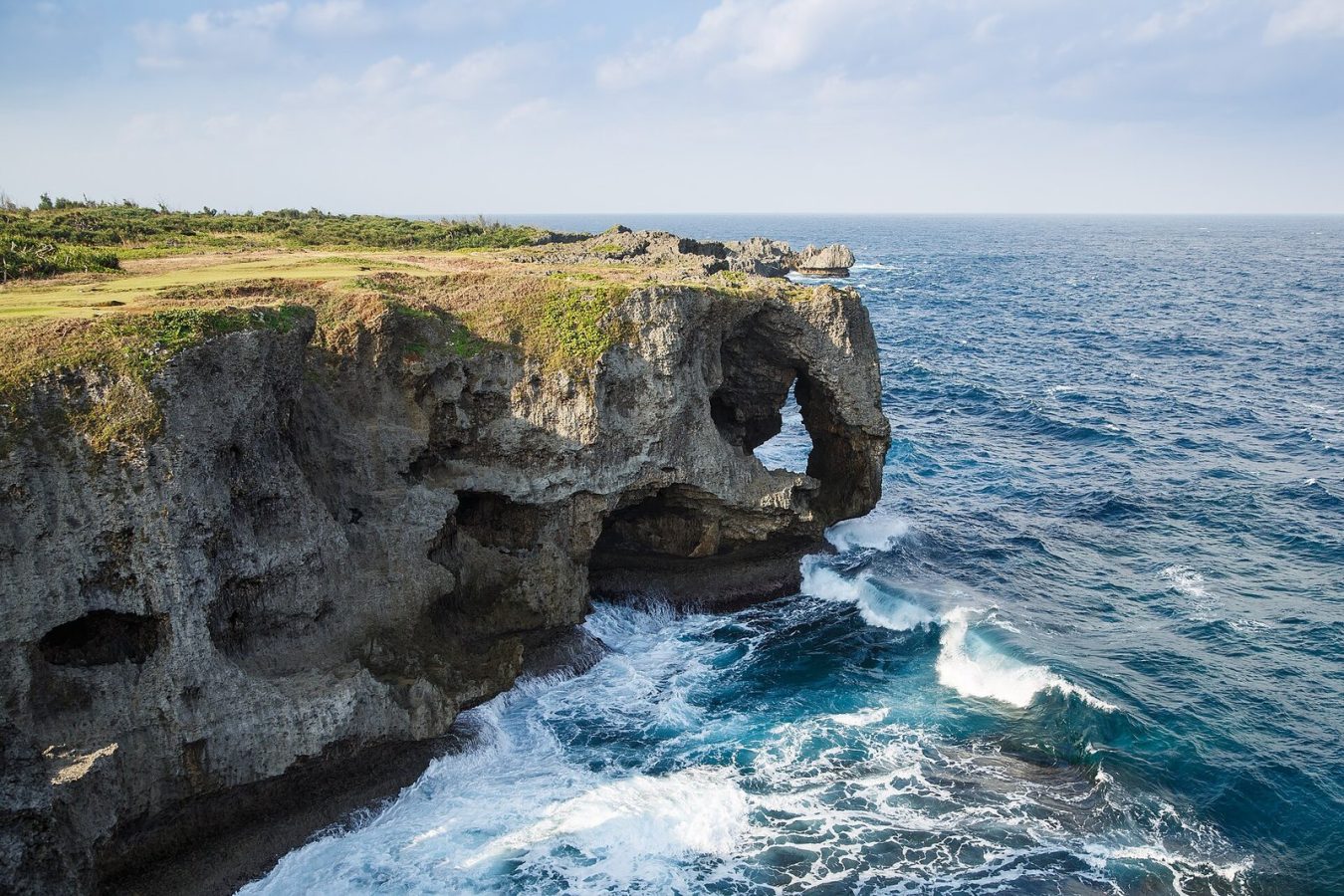
Photo: CEphoto, Uwe Aranas, CC BY-SA 3.0
At a glance
| Getting there | Flights to Naha from Tokyo in about 2.5 h, Osaka about 2 h, and from Taipei, Seoul and Hong Kong |
|---|---|
| Gateway | Naha airport |
| Travel time | About 2.5 h by air from Tokyo |
| Days | 3 to 5 nights |
| Best months | Mar–Apr and Oct–Nov; rainy May–June; hot with typhoons Jul–Sep |
| Getting around | Rent a car; monorail in Naha, buses to the resorts and the aquarium |
| Booking | Rental cars and hotels early for summer and Golden Week; snorkel trips a few days ahead |
| Cost | Mid-range for Japan; cheaper than Tokyo |
| Beaches | White coral sand with jellyfish nets; best on the west coast and on Kouri and the Kerama Islands |
| Sea | Seas of Japan & Korea |
| Archipelago | Ryukyu Islands |
| Area | 1,207 km² |
| Population | 1.4 million (2009) |
| Highest point | 503 m (Mount Yonaha) |
| Airport | Yes, scheduled flights |
| Car-free | No |
| UNESCO | Gusuku Sites and Related Properties of the Kingdom of Ryukyu |
| Checked | October 2026 |
Tours and day trips: what to book
The biggest category on Okinawa is underwater. Snorkelling and introductory dives at the Blue Cave of Cape Maeda, on the west coast north of Naha, are sold by dozens of operators; groups are small, equipment and photos are usually included, and trips are cancelled when the sea is rough. Boat days to the Kerama Islands offer clearer water and turtles, and there are whale shark swims and jet ski or paddleboard outings.
On land, the most useful product is the bus or small-group day tour from Naha to the north: the Churaumi Aquarium, Cape Manzamo, Kouri Island and sometimes Nakijin Castle, a long drive that is easier with someone else at the wheel. Aquarium tickets are usually extra or bundled at a discount. Southern tours cover Sefa-utaki, the Gyokusendo cave and the battle memorials, and walking tours in Naha visit Shuri Castle.
Culture rounds out the list: cooking classes, karate and kendo lessons, Ryukyu glass and dyeing workshops.
Rent a car if you can drive; otherwise, book the northern day tour and one snorkel trip, and use the monorail in Naha.
What to see and do on Okinawa
Churaumi Aquarium and the north
In Ocean Expo Park on the Motobu Peninsula, about two hours by car from Naha, a vast tank holds whale sharks and manta rays among reef fish. Arrive at opening time to avoid groups. Nearby, a bridge leads to Kouri Island with its clear shallow water, and Nakijin Castle's curving walls stand on a hill.
Shuri Castle and Naha
Shuri, on a hill above Naha, was the palace of the Ryukyu kings and is part of the UNESCO listing of gusuku sites. The main hall burned in 2019 and is being rebuilt, but the gates, walls and views remain, and the reconstruction can be watched. In town, Kokusai-dori and the Makishi market are the place for food and shopping.
The Blue Cave at Cape Maeda
On the west coast near Onna, a sea cave lit from below turns the water a glowing blue. Most people visit with a guide on a snorkelling or diving trip, entering by boat or down steps from the cape; morning brings the best light. When the swell is up, guides switch to sheltered coral gardens nearby.
The Kerama Islands
Fast ferries from Tomari port in Naha reach Tokashiki and Zamami in under an hour, landing you on some of the clearest water in Japan, a national park known for coral, sea turtles and, in winter, humpback whales. Day trips are easy; stay a night to enjoy the beaches once the boats leave.
The south and the battle memorials
The southern tip holds the Peace Memorial Park at Itoman, with stones carved with the names of over 200,000 dead of the 1945 battle, and the Himeyuri memorial. Nearby, Sefa-utaki is a sacred grove of rock and forest, also on the UNESCO list, and the Gyokusendo cave runs for hundreds of metres underground.
Cape Manzamo and the Yanbaru forest
Manzamo is a grassy clifftop shaped like an elephant's trunk above coral water, a short drive north of Onna. Beyond Nago, the north turns to the subtropical forest of Yanbaru, a national park and natural World Heritage area, home to the flightless Okinawa rail. Hiking trails and the road to Cape Hedo make a full day.
Okinawa tours: which one for you
Our pick for each kind of trip, with live dates and prices. Free cancellation on most.
Best for: First visit, a day in the north
Combines the whale shark aquarium, the clifftop at Manzamo and the bridge to Kouri in one day from Naha, without driving the long road north yourself.
- Snorkelling or a first dive: Okinawa blue cave or coral garden snorkeling diving tour The Blue Cave at Cape Maeda is the island's classic underwater experience, and a guide chooses the cave or a coral garden depending on the swell.
- Clearer water in the Keramas: Naha okinawa keramas island snorkeling day trip with lunch A day by boat from Naha to the Kerama Islands, where the reefs and visibility are far better than off the main island, with lunch.
How to get to Okinawa
Naha airport, a few kilometres south of the city centre, is one of the busiest in Japan. Domestic flights from Tokyo take about two and a half hours and from Osaka about two, with frequent departures, including budget airlines, all year. International flights connect Taipei, Seoul, Hong Kong, Shanghai and other Asian cities.
From the airport, the Yui Rail monorail runs into Naha and on to Shuri; rental car companies run shuttles to their depots nearby; and airport buses go to the main resort areas on the west coast. Long-distance ferries from Kagoshima take a day or more and are used mainly by locals. Cruise ships dock in Naha, close to the centre.
Getting around
A car is close to essential beyond Naha: the island is long, the best sights are spread out, and buses to the north are slow. Rent through a local agency, bring an international driving permit, and remember that Japan drives on the left. The Okinawa Expressway runs from Naha to Nago and saves time, as Route 58 along the coast is often jammed. In Naha, the monorail is enough. Express buses link the airport, the resorts and the aquarium.
When to go
Okinawa is subtropical. March, April, October and November are the most pleasant months, with warm days, lower humidity and sea warm enough to swim from April. The rainy season runs roughly from May to June. July to September is hot and humid, with the warmest sea and calmest days for snorkelling, but typhoons can strike from summer into October and close airports and boats for a day or two, so build in slack and buy travel insurance.
Golden Week in early May and the summer holidays bring Japanese crowds and higher prices. Winter, from December to February, is mild but often cloudy and windy, too cool for most swimmers, though it is whale watching season off the Keramas and cherry trees flower in late January. Plan three to five nights for Naha, the north and a boat day.
Where to stay
Naha is the practical base for first visits, with the airport, the monorail, restaurants and nightlife. For beaches, stay on the west coast resort strip around Onna, where large hotels have their own beaches and snorkelling. Chatan, with American Village, is lively and close to Naha. Motobu suits families visiting the aquarium, while the far north, around Yanbaru, has a few quiet lodges for nature lovers.
History and character
For four centuries Okinawa was the heart of the Ryukyu Kingdom, unified in the fifteenth century and grown rich on trade between China, Japan and South-East Asia, which left the castles, shrines and a distinct language and music. Japan annexed the kingdom in 1879. In 1945 the Battle of Okinawa killed a large share of the civilian population and destroyed most old buildings. The island stayed under American administration until 1972, and large US bases remain, which explains the burger bars and American influence of Chatan. Okinawans are also known for their long lives.
Combine it with
From Naha, ferries reach the Kerama Islands in under an hour, so a night on Zamami or Tokashiki is easy. Short flights continue to Ishigaki, for Iriomote and the Yaeyama Islands, or to Miyako, both with beaches quieter than the main island. Many travellers pair Okinawa with Tokyo or Osaka, two to two and a half hours north by air.
Compare
Frequently asked questions
How do I get to Okinawa?
Flights to Naha from Tokyo in about 2.5 h, Osaka about 2 h, and from Taipei, Seoul and Hong Kong.
How long does it take to get to Okinawa from Naha airport?
From Naha airport: about 2.5 h by air from Tokyo.
How many days do you need on Okinawa?
3 to 5 nights.
When is the best time to visit Okinawa?
Mar–Apr and Oct–Nov; rainy May–June; hot with typhoons Jul–Sep.
Do I need a car on Okinawa?
Rent a car; monorail in Naha, buses to the resorts and the aquarium.
Is Okinawa worth a day trip?
Go if you want warm sea, snorkelling and Ryukyu history with Japanese standards of comfort and food. Skip it or choose the Kerama or Yaeyama islands if you want empty beaches and village quiet, as the main island is busy and built up.
Is Okinawa expensive?
Mid-range for Japan; cheaper than Tokyo.
What are the beaches like on Okinawa?
White coral sand with jellyfish nets; best on the west coast and on Kouri and the Kerama Islands.
What should I book ahead for Okinawa?
Rental cars and hotels early for summer and Golden Week; snorkel trips a few days ahead.
Can I book tours and day trips to Okinawa online?
Yes. Boat trips, guided tours and day trips for Okinawa can be booked online; live prices and free cancellation on most are shown on this page.