Mont-Saint-Michel
France
Mont-Saint-Michel is a granite tidal island crowned by a Benedictine abbey, rising from the bay between Normandy and…
84 tours & trips
France · Atlantic Ocean · Beach island
Oléron is the second-largest island of metropolitan France after Corsica, a flat strip of pine forest, oyster beds and long Atlantic beaches about 30 km long, joined to the coast near Rochefort by a free road bridge. Families come for the sand and the bike paths, surfers for the west coast and everyone for the oysters.
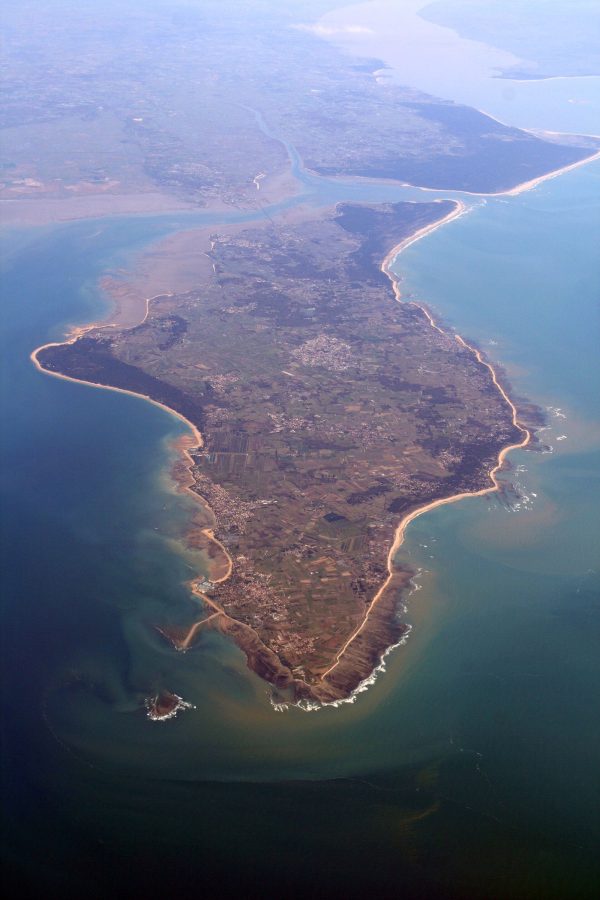
Photo: Till Niermann, CC BY-SA 3.0
| Getting there | Drive across the free bridge from Bourcefranc near Rochefort; La Rochelle is about an hour by road |
|---|---|
| Gateway | La Rochelle or Rochefort (Oléron bridge) |
| Travel time | About 1 hour by car from La Rochelle |
| Days | 3 to 5 nights |
| Best months | Jun–Sep; July and August busiest; May and late September quieter and milder |
| Getting around | Car or bike: over 100 km of cycle paths; summer buses link the main villages |
| Booking | Campsites and rentals for July–August months ahead; Fort Boyard boats a day or two ahead |
| Cost | Mid-range for the French Atlantic coast |
| Beaches | Long sandy Atlantic beaches; surf on the west coast, calmer water at Les Saumonards and Gatseau |
| Sea | Atlantic Ocean |
| Area | 174 km² |
| Population | 21,790 (2012) |
| Highest point | 7 m |
| Airport | No |
| Car-free | No |
| Bridge | Road bridge or causeway to the mainland |
| Checked | October 2026 |
Oléron is a self-catering island: most visitors drive over, rent a house or a pitch at a campsite and do their own thing. What is sold online is small and centred on the water.
The most popular outing by far is the short boat trip to Fort Boyard, the oval stone fort standing in the strait between Oléron and Île d'Aix, known across France from the television game show. Boats leave from Boyardville on the east coast, circle the fort for photos and return in about an hour; you cannot land, as the fort is closed to the public. Longer cruises add a stop on Île d'Aix, a car-free island where you get two or three hours to walk or hire a bike, and some also pass La Rochelle's harbour. Tickets normally cover the boat only, with commentary in French.
Beyond that there are sunset catamaran sails from Boyardville, surf lessons on the west coast with a local instructor who brings boards and wetsuits, and guided visits focused on the fort's history. Oyster tastings, bike hire and market visits are arranged locally rather than booked ahead.
Recommendation: book the Fort Boyard boat with the Île d'Aix stop, as the island makes the trip worthwhile, and add a surf lesson if you have teenagers.
The first town after the bridge is built around a 17th-century citadel whose ramparts you can walk for views across to the mainland and Fort Louvois. Below it, the old oyster huts along the harbour channel are painted in bright colours and now house artists, small shops and oyster bars. Come at lunchtime for a plate of local oysters with white wine.
Boyardville, on the east coast about 15 minutes' drive north, is the port for boats to Fort Boyard and Île d'Aix. The fort itself sits on a sandbank a few kilometres offshore and looks most impressive from the water. Next to the village, the long beach of Les Saumonards backs onto pine forest and has gentle, sheltered water for small children.
At the northern tip near Saint-Denis-d'Oléron, the black-and-white striped lighthouse dates from the 1830s and can be climbed for a view over the whole flat island, the Pertuis d'Antioche and, on clear days, Île de Ré. Around its base are gardens and a small museum on island life. At low tide the rocky shore below exposes old stone fish traps.
The main town in the middle of the island has the biggest covered market, the shops, and a calm old centre around its church, whose octagonal tower is a landmark visible from much of the island. It is the practical place to stock up for a self-catering week. Summer evenings bring a night market and outdoor cafes on the squares.
The south-west coast is one long beach backed by dunes and the pine and oak forest of Saint-Trojan, crossed by cycle paths. Surfers gather where the swell is strongest; swim only between the flags, as currents are powerful. In summer a small tourist train runs from Saint-Trojan through the forest to the beaches at the Maumusson point.
The east side of the island faces the Marennes-Oléron basin, one of France's main oyster areas, with shallow claires where oysters are finished. Follow the cycle paths through the marshes, stop at a producer's hut for tasting, and visit the bird reserve near Dolus, where herons, egrets and spoonbills feed in the old salt pans.
Our pick for each kind of trip, with live dates and prices. Free cancellation on most.
Best for: First visit, out to Fort Boyard
A one-hour boat ride from Boyardville that circles the famous sea fort at close range, short enough for children and easy to fit into a beach day.
Oléron is linked to the mainland by a road bridge about 3 km long between Bourcefranc-le-Chapus and Le Château-d'Oléron, opened in 1966 and free since 1991, so you simply drive on. On summer Saturdays, when rentals change over, queues on the bridge and the approach roads can be long; arrive early in the morning or in the evening.
The nearest railway stations are Rochefort, Surgères and La Rochelle, with high-speed trains from Paris to La Rochelle in about three hours. Regional buses connect Rochefort and La Rochelle with the island's main villages. La Rochelle has a small airport with seasonal flights from Britain and elsewhere in Europe. In summer, passenger boats also link Boyardville with La Rochelle and Île d'Aix, a pleasant alternative to the road for a day out.
The island is flat and about 30 km long, so a car is convenient but not essential. More than 100 km of signed cycle paths connect all the villages, beaches and marshes, and bike hire is available in every town, including electric bikes and trailers for children. Summer buses link the main villages and the bridge, but service is thin outside July and August. Roads are busy in high season, and beach car parks fill by late morning.
The beach season runs from June to September. July and August are warm and sunny, with sea temperatures around 19 to 21 degrees, but this is when French families arrive in force: campsites are full, prices peak and roads are congested, especially around 14 July and 15 August. Late June and the first half of September are the sweet spot, with warm days, quieter beaches and lower rates.
May and October suit cycling, birdwatching and oysters rather than swimming; the weather is changeable and the water cool. In winter many campsites, beach restaurants and rental shops close, though the towns stay alive and markets continue. The Atlantic west coast is often windy, which is good news for surfers, and autumn swells are the most reliable.
Three to five nights let you combine beaches, a bike tour of the marshes and the Fort Boyard boat.
Saint-Trojan-les-Bains in the south has the forest, sheltered Gatseau beach and a quiet seaside-resort feel. Le Château-d'Oléron suits food lovers, with the harbour huts and easy access to the bridge. Boyardville and the east coast are best for families with small children, thanks to calm water. Saint-Georges, La Cotinière and Saint-Denis in the north are livelier, with fishing harbours and markets. Most accommodation is in campsites, holiday villages and rental houses rather than hotels.
Oléron has been inhabited since prehistoric times and was known to the Romans, who planted the vines that made the island a wine producer until phylloxera wiped them out in the late 19th century. In the Middle Ages it belonged to Eleanor of Aquitaine and the English crown, and gave its name to the Rolls of Oléron, an early code of maritime law. Salt marshes made it rich, then turned into oyster beds. Louis XIV fortified Le Château, and the bridge of 1966 brought mass tourism.
La Rochelle, an hour away by car or by summer boat from Boyardville, is the obvious pairing for its old harbour and towers. Île d'Aix is a short boat ride away, and Île de Ré, reached by its own bridge from La Rochelle, makes a good contrast. Rochefort, with its naval arsenal, is about 40 minutes inland, and Cognac country lies within 90 minutes.
Drive across the free bridge from Bourcefranc near Rochefort; La Rochelle is about an hour by road.
From La Rochelle or Rochefort (Oléron bridge): about 1 hour by car from La Rochelle.
3 to 5 nights.
Jun–Sep; July and August busiest; May and late September quieter and milder.
Car or bike: over 100 km of cycle paths; summer buses link the main villages.
Go if you want a relaxed family beach holiday with cycling, oysters and a boat out to Fort Boyard. Skip it or choose Île de Ré if you want prettier villages and more polish, or Corsica if you need hills and clear Mediterranean water.
Mid-range for the French Atlantic coast.
Long sandy Atlantic beaches; surf on the west coast, calmer water at Les Saumonards and Gatseau.
Campsites and rentals for July–August months ahead; Fort Boyard boats a day or two ahead.
Yes. Boat trips, guided tours and day trips for Île d’Oléron can be booked online; live prices and free cancellation on most are shown on this page.
France
Mont-Saint-Michel is a granite tidal island crowned by a Benedictine abbey, rising from the bay between Normandy and…
84 tours & trips
France
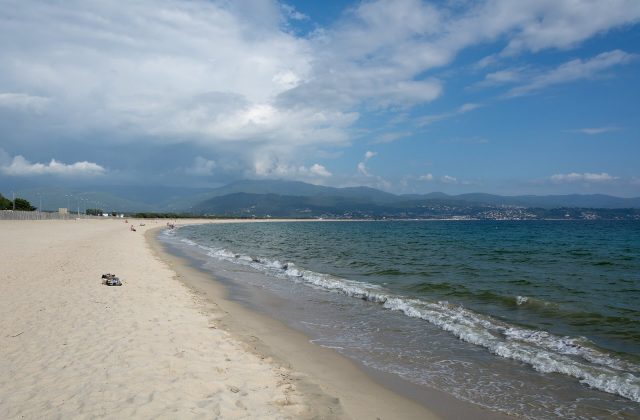
Corsica is a French island in the Mediterranean, the fourth largest in the sea, where a single chain of granite…
63 tours & trips
France
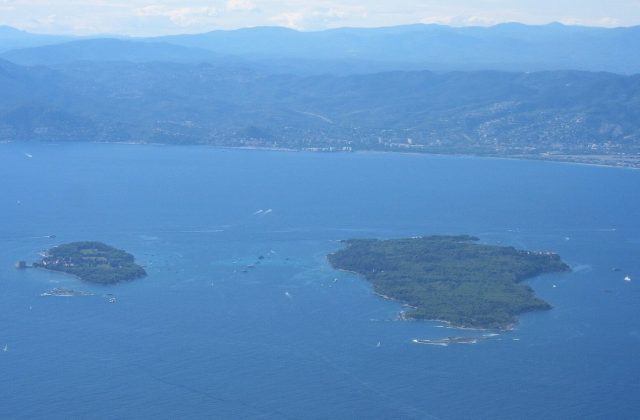
The Lerins Islands are a group of five low, pine-covered islands just off Cannes, only 15 minutes by boat from the old…
42 tours & trips
France
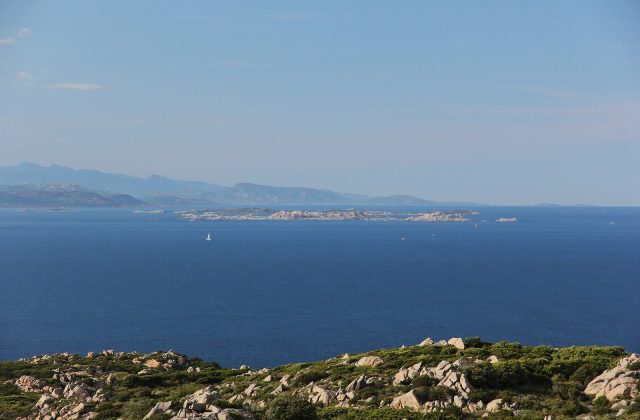
The Lavezzi Islands are a cluster of low granite islets in the Strait of Bonifacio, about 10 km south-east of Bonifacio…
36 tours & trips
France
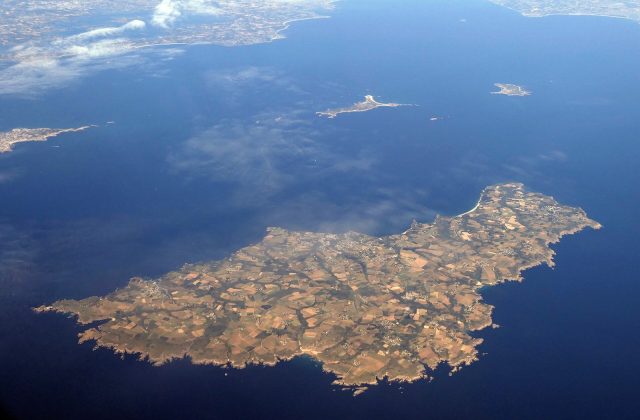
Belle-Île-en-Mer is the largest of the Breton islands, 17 km long and 14 km off the Quiberon peninsula, with a wild…
29 tours & trips
France
The Ile de la Cite is the small island in the Seine where Paris began, home to Notre-Dame Cathedral, the stained glass…
25 tours & trips