Palmarola
Pontine Islands, Italy
Palmarola is a craggy, almost uninhabited volcanic island 10 km west of Ponza in the Pontine archipelago, visited by…
4 tours & trips
Italy · Tyrrhenian Sea · Beach island
Ponza is the largest of the Pontine Islands, a crescent of volcanic rock only 7 square kilometres in size lying about 33 km off the coast of Lazio between Rome and Naples. Its pastel harbour, white cliffs, sea caves and clear water make it the summer island of Rome, and it is best seen from a small boat.
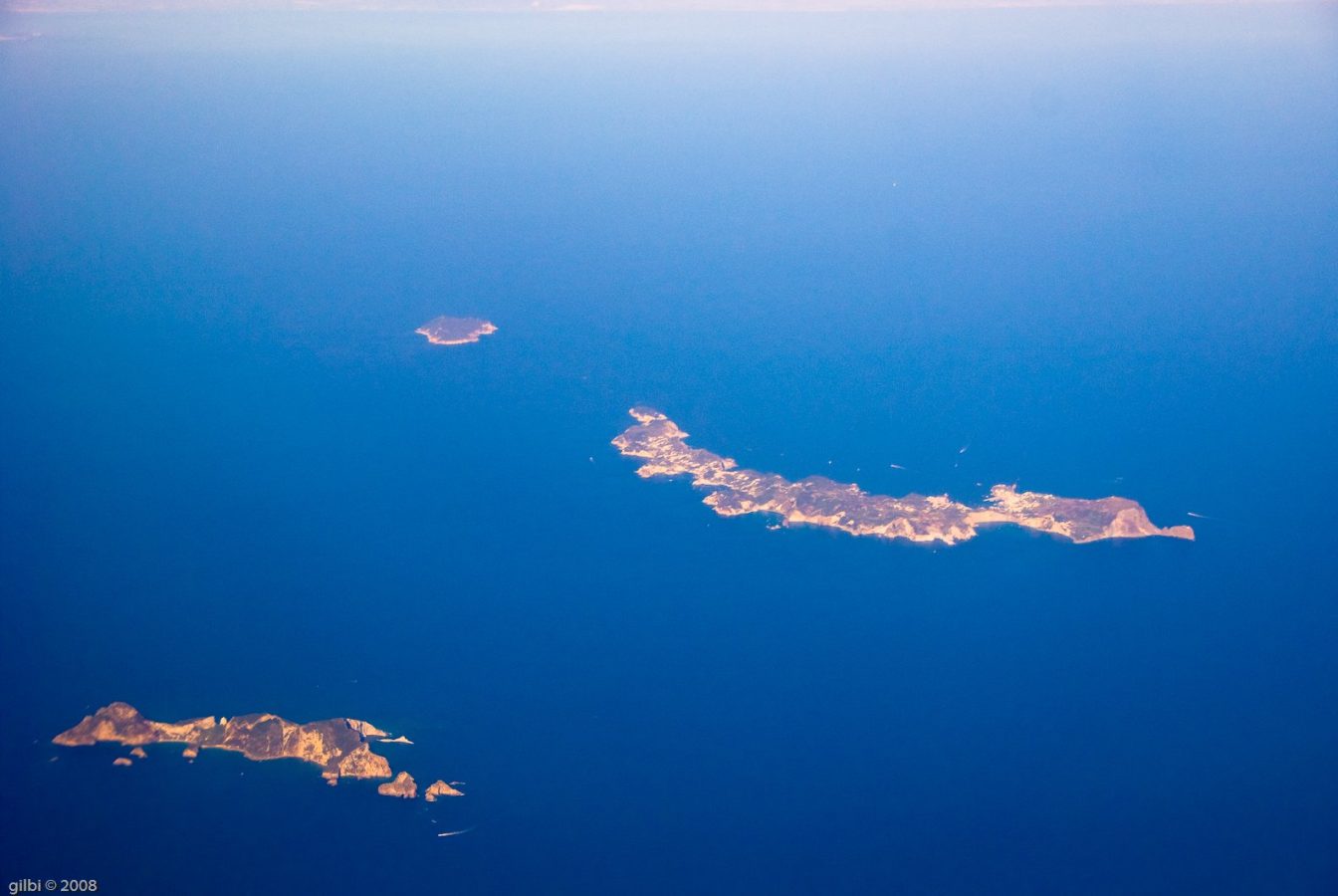
Photo: Gilberto Gaudio from Rome, Italy, CC BY 2.0
| Getting there | Hydrofoils from Anzio and Formia in about 1 to 1.5 h; slower ferries from Formia and Terracina |
|---|---|
| Gateway | Anzio, Formia or Terracina (from Rome) |
| Travel time | About 1 to 1.5 h by hydrofoil, 2.5 h by ferry |
| Days | 1 to 2 nights |
| Best months | June and September; July–August busy with Roman weekenders; quiet Nov–Mar |
| Getting around | Buses and scooters on the one main road; water taxis and rented boats to the coves |
| Booking | Hydrofoils and rooms for July–August weekends weeks ahead; boat rental a day ahead |
| Cost | Mid-range, expensive in August |
| Beaches | Small pebble coves reached by boat: Frontone by water taxi, natural pools at Cala Feola |
| Sea | Tyrrhenian Sea |
| Archipelago | Pontine Islands |
| Area | 7.3 km² |
| Population | 3,300 |
| Highest point | 283 m (Monte Guardia) |
| Airport | No |
| Car-free | No |
| Checked | October 2026 |
Ponza is about the sea, and nearly everything sold here is a boat trip from the harbour.
The standard option is a shared boat tour of four or five hours around the island, stopping to swim in coves, entering sea caves and passing the sea stacks of the south. Longer days add Palmarola, the wilder island to the west, and sometimes Zannone in the national park; lunch on board, usually pasta and wine, is often included, while snorkel gear may be extra. Sunset trips with an aperitif and a swim below the cliffs of Chiaia di Luna are the evening alternative, and smaller dinghy trips take fewer passengers.
Many visitors prefer to rent an inflatable boat for the day: motors small enough to need no licence are available at the harbour, and the rental includes a briefing and a map. Day trips from Anzio, Gaeta and Rome bundle the crossing with a boat tour. Walking tours with a local guide and a stargazing evening are the only land options.
For a first visit, take a shared tour around Ponza on day one and, if you stay longer, rent your own boat or join a Palmarola day on the next calm morning.
The town of Ponza curves around its port in terraces of pink, yellow and white houses laid out by the Bourbons in the 18th century. Walk the waterfront and the corso above it, eat fish in the trattorie and watch the boats come in at dusk. On the rocks by the harbour lie the Roman fish ponds known as the Grottoes of Pilate.
A boat loop shows what roads cannot: the arches and stacks of the Faraglioni di Lucia Rosa, the white cliffs and sea caves of the west, and coves with water so clear the bottom seems close. Most loops take about four hours with swimming stops. The cliffs of Chiaia di Luna, closed to land access by rockfalls, are seen from the water.
Across the bay from the harbour, Frontone is the most popular beach, a strip of pebbles with sunbeds, a beach bar and music in the evening. Water taxis shuttle back and forth from the port all day in summer, a crossing of a few minutes. Arrive early in August, when the beach and the moored yachts offshore fill up.
The village at the northern end, about 20 minutes by bus from the port, is quieter and more rural. Below it, Cala Feola has natural rock pools where children can swim in calm water, and steps lead to small platforms for sunbathing. The nearby Cala dell'Acqua and the lighthouse road give views across to Palmarola.
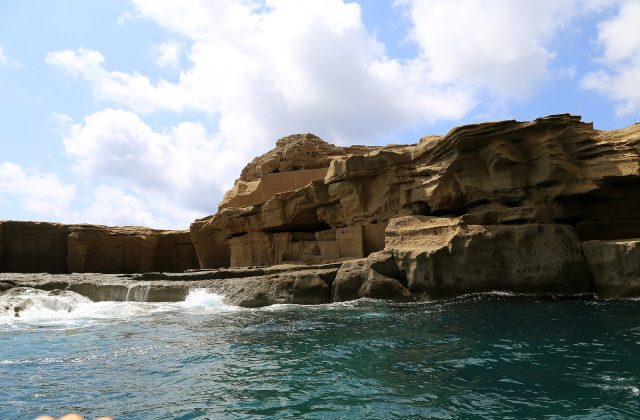
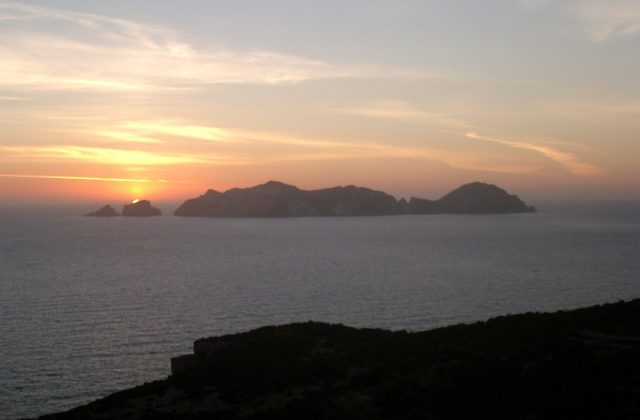
About 10 km west of Ponza, this almost uninhabited island has the most dramatic scenery of the archipelago: tall cliffs of volcanic rock in many colours, sea caves and the cove of Cala Brigantina. A few seasonal restaurants and fishermen's huts stand by the main beach. Boats take about 30 minutes, and the trip is only possible in calm seas.
Our pick for each kind of trip, with live dates and prices. Free cancellation on most.
Best for: First visit, round the island by boat
A half-day loop from the harbour past the sea stacks, caves and coves of the whole coast, with swimming stops where cars cannot reach.
There is no airport or bridge. Hydrofoils from Anzio, reached by train from Rome in about an hour, take about 70 minutes and run mainly in summer. From Formia, on the main railway between Rome and Naples, hydrofoils take a little over an hour and slower car ferries about 2.5 hours, all year with fewer sailings in winter. Terracina has seasonal ferries too, and in summer some hydrofoils link Ponza with Ventotene, Ischia and Naples. Buy tickets ahead for July and August weekends, when crossings sell out. Leave your car on the mainland: the island is tiny, the roads narrow and parking almost impossible, and the sea can cancel small boats in strong wind.
One winding road runs the length of the island from the port to Le Forna, served by local buses that are frequent in summer and stop on request. Scooters and small electric cars can be rented at the harbour, and taxis wait by the port. Most beaches are reachable only by sea, so water taxis from the harbour to Frontone and other coves, or a rented boat, are the real transport. Walking is pleasant but steep, and paths lead up to Monte Guardia, at 283 metres the highest point.
The season runs from Easter to October. June and September are the best months: the sea is warm, around 23 to 25 degrees, the boats run fully and the island is busy without being overwhelmed. July and especially August bring heat, crowds and high prices, with Romans arriving on every weekend boat and yachts filling the bays; the mid-August holiday is the peak. Late May and early October are quieter and still good for boat trips on calm days.
From November to March most hotels, restaurants and boat operators close, ferries are fewer and winter storms can cut the island off for a day or two. The feast of San Silverio, the patron saint, on 20 June brings a procession of boats. One or two nights is the usual stay, enough for a boat loop, a beach day and Palmarola.
Most rooms are in and around Ponza town, the best base for a short stay because the ferries, water taxis, boat rentals and restaurants are all there; it is lively until late in summer. Santa Maria, a short walk east of the harbour, is a small fishing hamlet with a beach and quieter rooms. Le Forna in the north suits families and those who want calm nights and the rock pools, with buses to the port. Prices are highest in August, when rooms must be booked early.
Ponza was inhabited from the Neolithic, when its obsidian was traded, and became a Roman island of villas and a place of exile for members of the imperial family who fell from favour. Pirate raids later emptied it, and in the 18th century the Bourbon kings of Naples repopulated it with families from Ischia and Torre del Greco, which explains the Neapolitan accent heard today. In the 20th century the fascist regime used Ponza for political prisoners, and Mussolini himself was held here briefly after his fall in 1943. Fishing gave way to tourism from the 1960s.
Ventotene, the other inhabited Pontine island, is about an hour away by hydrofoil and much quieter, with the old prison island of Santo Stefano offshore. Rome is under two hours away via Anzio or Formia, so Ponza makes an easy seaside break from the capital. From Formia, Gaeta and its old town are minutes away, and summer hydrofoils link Ponza with Ischia and Naples.
Hydrofoils from Anzio and Formia in about 1 to 1.5 h; slower ferries from Formia and Terracina.
From Anzio, Formia or Terracina (from Rome): about 1 to 1.5 h by hydrofoil, 2.5 h by ferry.
1 to 2 nights.
June and September; July–August busy with Roman weekenders; quiet Nov–Mar.
Buses and scooters on the one main road; water taxis and rented boats to the coves.
Go if you want a lively Italian harbour, sea caves and clear water best explored by small boat. Skip it or choose Ventotene if you want somewhere quieter in August, or Capri if you want famous sights and easy day-trip logistics from Naples.
Mid-range, expensive in August.
Small pebble coves reached by boat: Frontone by water taxi, natural pools at Cala Feola.
Hydrofoils and rooms for July–August weekends weeks ahead; boat rental a day ahead.
Yes. Boat trips, guided tours and day trips for Ponza can be booked online; live prices and free cancellation on most are shown on this page.
Pontine Islands, Italy
Palmarola is a craggy, almost uninhabited volcanic island 10 km west of Ponza in the Pontine archipelago, visited by…
4 tours & trips
Pontine Islands, Italy
Ventotene is a small volcanic island in the Pontine group, about 46 km off the coast at Gaeta in Lazio, with a harbour…
No tours listed