Ischia
40 km away
Ischia is the largest island in the Bay of Naples, a green volcanic island about 30 km from the city, crowned by Mount…
193 tours & trips
Italy · Tyrrhenian Sea · Historic island
Ventotene is a small volcanic island in the Pontine group, about 46 km off the coast at Gaeta in Lazio, with a harbour still carved into the rock by the Romans. It combines ruins of an imperial villa, clear water in a marine reserve, the old prison island of Santo Stefano and a quiet village of fewer than 700 people.
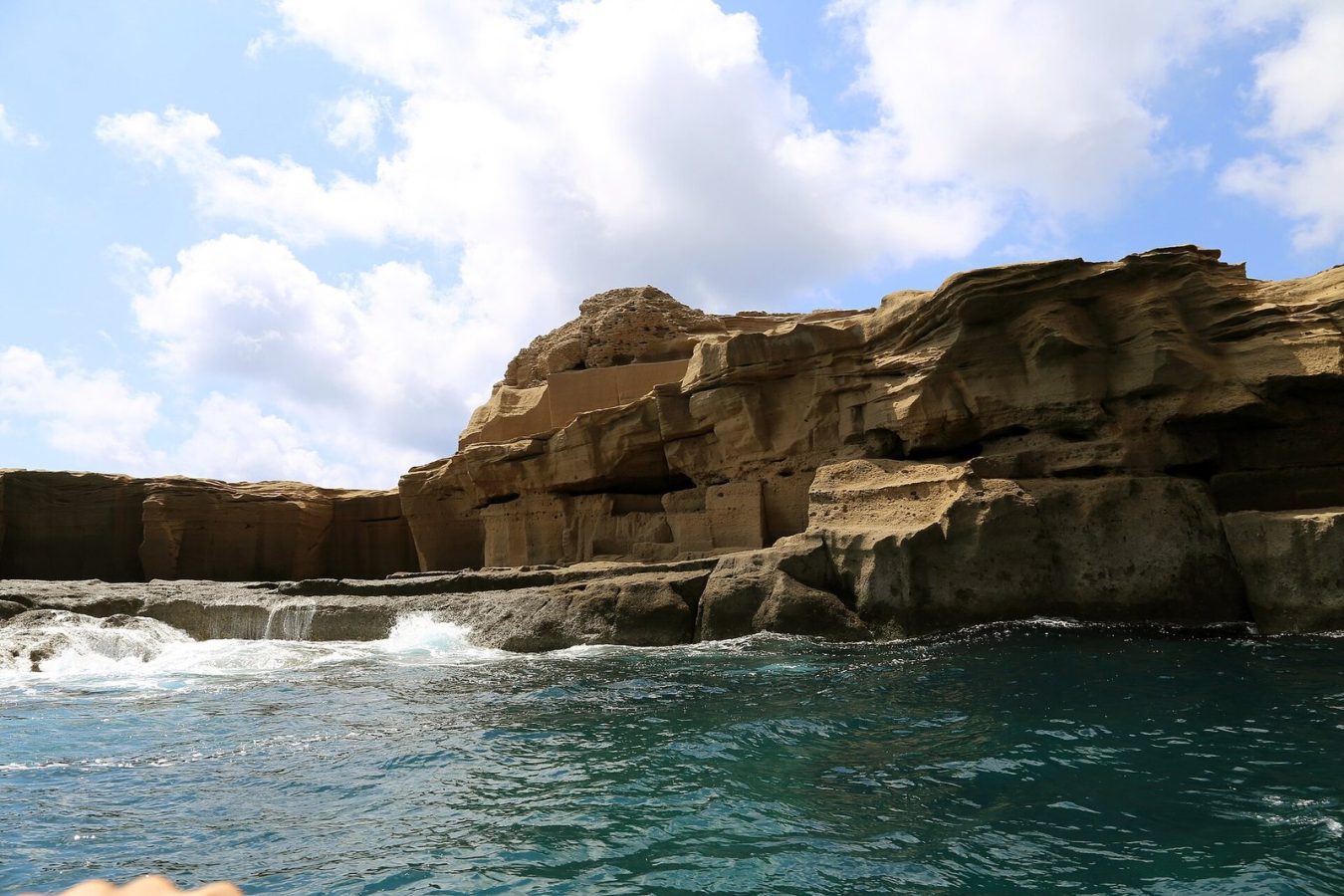
Photo: Sailko, CC BY 3.0
| Getting there | Hydrofoil from Formia in about 1 h or slower ferry; summer boats from Anzio and Ponza |
|---|---|
| Gateway | Formia (also Anzio and Ponza) |
| Travel time | About 1 h by hydrofoil from Formia |
| Days | 1 to 2 nights |
| Best months | Jun–Sep; May and late Sep quieter; Aug crowded; fewer boats in winter |
| Getting around | Walk everywhere; the island is under 3 km long; a minibus and a few taxis |
| Booking | Hydrofoils and rooms weeks ahead for August and weekends; boat trips a day ahead |
| Cost | Mid-range for Italy; pricier in August |
| Beaches | Two small beaches: dark sand at Cala Nave and Cala Rossano; elsewhere swim from rocks |
| Sea | Tyrrhenian Sea |
| Archipelago | Pontine Islands |
| Area | 1.5 km² |
| Population | 678 |
| Airport | No |
| Checked | October 2026 |
Nothing for Ventotene is sold on the big international booking sites, and most visitors simply take the hydrofoil from Formia and arrange everything else at the harbour. The island is tiny, and the things worth paying for are on the water.
The classic is a boat trip around Ventotene, often combined with a close look at Santo Stefano and its prison. Small boats leave from the Roman port, last two to three hours, and stop for swims in coves you cannot reach on foot. Private boats with a skipper, or small self-drive boats that need no licence, give more freedom for a day.
Diving and snorkelling are the second draw. The waters around both islands form a marine protected area, and local dive centres run boat dives to rocky walls and to wrecks, including a deep Second World War wreck for experienced divers. Snorkellers find fish and seagrass close to the rocks.
On land, the archaeological museum and guided walks to the Roman villa and fish ponds are inexpensive and best booked locally. Day trips from Formia are possible, but one night lets you enjoy the island after the hydrofoils leave. Book a round-island boat with a swim stop.
The old harbour, cut out of the soft tuff by Roman engineers two thousand years ago, still shelters fishing boats and ferries below the pastel houses of the village. Walk around its quays to see the rock-cut storerooms, now bars and shops, then climb to the main square with its church and the Bourbon-era buildings.
The round islet just east of Ventotene holds a horseshoe-shaped prison built under the Bourbons in the 1790s, designed so a few guards could watch every cell. It held political prisoners until 1965. The building is being restored and visits are limited, but boat trips circle the islet and the view of the prison is striking.
At the northern tip of the island, ruins of the imperial villa built for Augustus spread over the headland, with traces of baths, terraces and rooms facing the sea. Augustus's daughter Julia was probably exiled here. It is a short walk from the village; go in the late afternoon for the light and the view of Santo Stefano.
Below the village, the small beach of Cala Nave has dark sand and rock stacks rising from clear water, the island's favourite swimming spot. Nearby, the Romans cut fish ponds into the rock at sea level, still visible and fun to explore with a mask. Arrive early in August, as the beach is small.
Thanks to the marine reserve, the rocks around Ventotene and Santo Stefano are rich in fish, with groupers, octopus and seagrass meadows. Snorkel from the coves near the harbour or join a dive boat. Some zones are closed to swimming and fishing, so ask at the harbour or a dive centre where you may enter the water.
The main route is from Formia, on the coast between Rome and Naples, whose railway station has regional trains from both cities in about one and a half hours. Hydrofoils from Formia reach Ventotene in about an hour, and slower ferries take around two to two and a half hours; both run daily, several times in summer and less often in winter, when rough seas can cancel sailings. Buy tickets at the port or online.
In summer there are also boats from Anzio, south of Rome, and connections with Ponza, so the two islands can be visited together. Do not bring a car: leave it in the paid car parks near the port in Formia, as the island is too small to need one.
Ventotene is about 3 km long and less than a kilometre wide, so you can walk almost everywhere in under half an hour from the harbour. A minibus service and a few taxis run in summer for those who need them. Many visitors rent a bicycle or a small scooter. Paths down to the coves are steep, so wear good shoes. For coastal exploring, a hired boat is the best option.
The best months are June and September, when the sea is warm, around 23 to 26 degrees, boats run frequently and the island is calm. July and August are hot and busy, especially August, when Italians on holiday fill the few hotels and rooms and the tiny beaches get crowded; prices peak too. May and early October are quiet and pleasant for walking and the ruins, though swimming is chilly and some restaurants are only starting or winding down.
In spring and autumn, Ventotene is a stopover for migrating birds, and an ornithological station studies them here. From November to March the island is very quiet, with fewer sailings, frequent cancellations in rough weather and most businesses closed. One or two nights is right for most visitors.
Almost all accommodation is in the village around the old port and the main square: a few small hotels, guesthouses, rooms in private houses and holiday flats. Staying near the Roman port puts you close to the boats, bars and Cala Nave; houses on the edge of the village are quieter, with views of Santo Stefano. Choice is limited, so book early for summer and do not expect big resorts.
Ventotene was a place of exile from Roman times. Augustus built a villa here and banished his daughter Julia, and other members of the imperial family followed. In the 18th century the Bourbons resettled the island and built the prison on Santo Stefano. Under Fascism, Ventotene held hundreds of political prisoners; in 1941 Altiero Spinelli and Ernesto Rossi wrote the Ventotene Manifesto here, an early plan for a united Europe, and Spinelli is buried on the island. Today fishing, lentils and tourism keep it alive.
Combine Ventotene with Ponza, the largest Pontine island, reached by boat in summer, for more beaches and boat trips. Gaeta and Sperlonga, on the coast near Formia, have beaches, old towns and Roman ruins. Naples and Rome are each about one and a half hours from Formia by train, so the island fits into a wider trip.
40 km away
Ischia is the largest island in the Bay of Naples, a green volcanic island about 30 km from the city, crowned by Mount…
193 tours & trips
40 km away
Ponza is the largest of the Pontine Islands, a crescent of volcanic rock only 7 square kilometres in size lying about…
23 tours & trips
50 km away
Procida is the smallest of the three main islands in the Bay of Naples, about 4 square kilometres of pastel houses,…
77 tours & trips
Hydrofoil from Formia in about 1 h or slower ferry; summer boats from Anzio and Ponza.
From Formia (also Anzio and Ponza): about 1 h by hydrofoil from Formia.
1 to 2 nights.
Jun–Sep; May and late Sep quieter; Aug crowded; fewer boats in winter.
Walk everywhere; the island is under 3 km long; a minibus and a few taxis.
Go if you want a quiet Italian island with Roman ruins, snorkelling in a marine reserve and a strong sense of history. Skip it or choose Ponza if you want more beaches, nightlife and boat trips, or easier connections.
Mid-range for Italy; pricier in August.
Two small beaches: dark sand at Cala Nave and Cala Rossano; elsewhere swim from rocks.
Hydrofoils and rooms weeks ahead for August and weekends; boat trips a day ahead.
Pontine Islands, Italy
Ponza is the largest of the Pontine Islands, a crescent of volcanic rock only 7 square kilometres in size lying about…
23 tours & trips
Pontine Islands, Italy
Palmarola is a craggy, almost uninhabited volcanic island 10 km west of Ponza in the Pontine archipelago, visited by…
4 tours & trips