Vancouver Island
Canada
Vancouver Island is the largest island on the Pacific coast of the Americas, about 456 km long, with Victoria, the…
392 tours & trips
Canada · Atlantic Ocean · Beach island
Prince Edward Island is Canada's smallest province, a gently rolling island of red soil, potato fields, fishing harbours and long sandy beaches in the Gulf of St Lawrence. It is linked to New Brunswick by the 12.9-kilometre Confederation Bridge and is known for lobster and oysters, the Anne of Green Gables stories and summer days on the north shore.
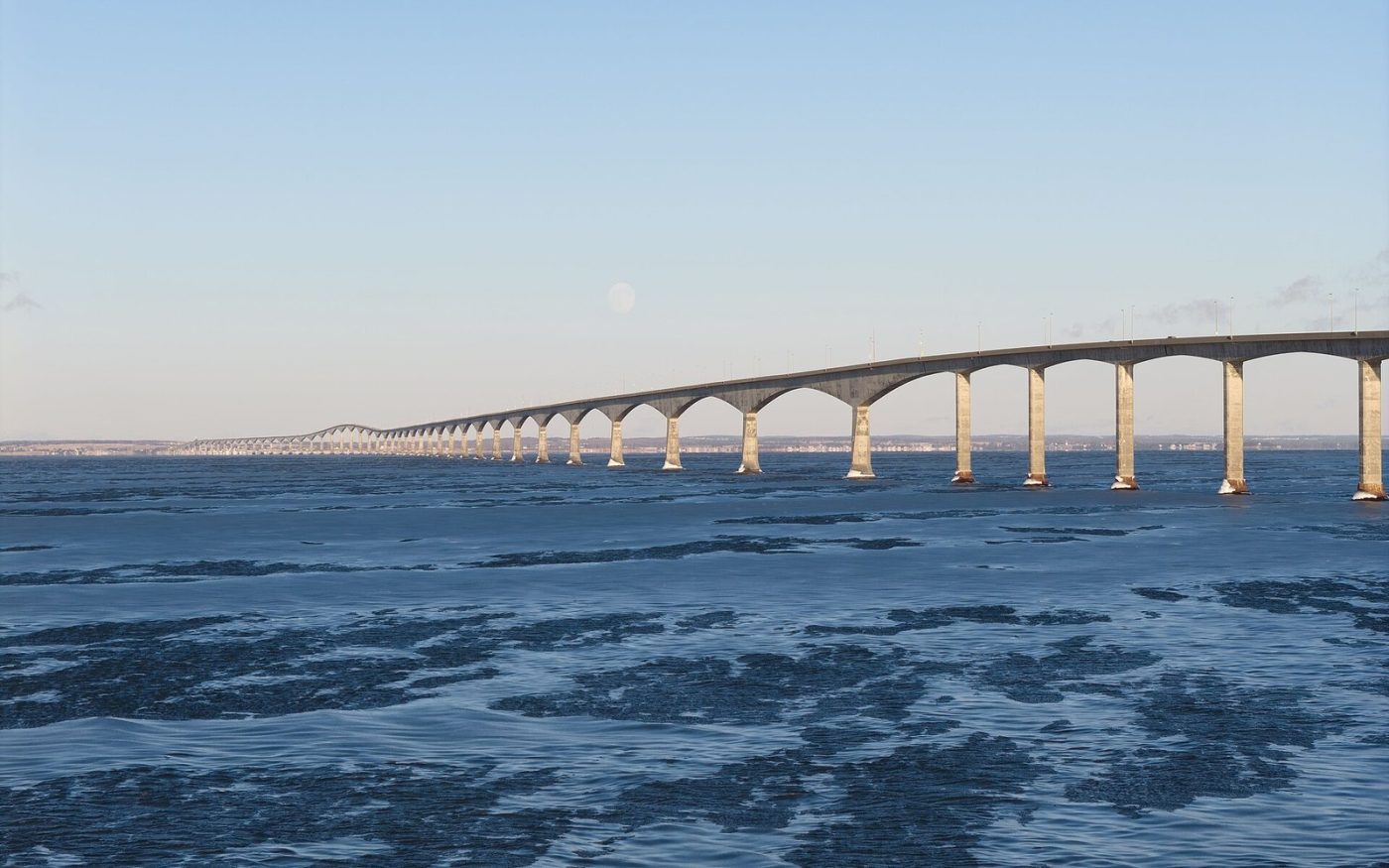
Photo: Quintin Soloviev, CC BY 4.0
| Getting there | Drive over the Confederation Bridge from New Brunswick, ferry from Nova Scotia in season, or fly to Charlottetown |
|---|---|
| Gateway | Charlottetown; Confederation Bridge from New Brunswick |
| Travel time | About 15 min to cross the bridge; 75 min by ferry |
| Days | 3 to 5 nights |
| Best months | Jun–Sep; Jul–Aug warmest and busiest; Sep for food festivals; winters cold |
| Getting around | A car is essential; distances are short and roads quiet; cycle the Confederation Trail |
| Booking | Rooms and car hire months ahead for Jul–Aug; lobster suppers and shows a few days ahead |
| Cost | Mid-range for Canada; cheaper than Nova Scotia's cities |
| Beaches | Red cliffs and long sandy beaches; Cavendish, Brackley and Basin Head with its singing sand |
| Sea | Atlantic Ocean |
| Area | 5,620 km² |
| Highest point | 142 m |
| Airport | Yes, scheduled flights |
| Car-free | No |
| Bridge | Road bridge or causeway to the mainland |
| Checked | November 2026 |
Prince Edward Island is a self-drive destination, and most visitors simply rent a car and set their own route. What is sold online is a small set of guided outings, mostly from Charlottetown.
The commonest is a day or half-day sightseeing tour by minibus or van, looping along the north shore through the national park, Cavendish and the Green Gables farmhouse, red cliffs, a lighthouse and a fishing village, usually with hotel pickup and sometimes lunch. Private versions follow the same roads in a car with a driver-guide and can focus on the Anne of Green Gables sites or on the beaches. These suit cruise passengers and anyone arriving without a car.
In Charlottetown there are horse-drawn carriage rides and walking tours. Food and drink outings visit wineries, a meadery or oyster farms; ticket prices usually include tastings but not meals. Virtual-reality time-walk tours of Charlottetown are also sold, some with food tastings.
Rent a car for the island itself, and book a guided tour only if you are here for a day from a cruise ship or without wheels.
The small capital has a compact old centre of brick and wooden houses near the harbour, Province House where Confederation was first discussed in 1864, and the Confederation Centre of the Arts, which stages the Anne of Green Gables musical in summer. Spend an evening on the waterfront and in Victoria Row, then eat oysters and chowder in the harbour restaurants.
About 30 to 40 minutes north of Charlottetown, Prince Edward Island National Park runs along the Gulf coast with red sandstone cliffs, dunes and long beaches such as Cavendish, Brackley and Stanhope. The water is among the warmest in Atlantic Canada in August. Further east, the Greenwich section has a floating boardwalk across a pond to wandering parabolic dunes.
Green Gables Heritage Place in Cavendish is the farmhouse that inspired Lucy Maud Montgomery's novel, furnished as in the book, with walking trails through the woods and fields she wrote about. Nearby are the site of her grandparents' home and her grave. Cavendish itself is the island's busiest resort area, with amusement parks, motels and family attractions.
Dozens of lighthouses stand on the headlands, from Point Prim, the oldest, to East Point at the island's tip. In small harbours such as North Rustico and Souris, boats land lobster in spring and early summer and mussels and oysters from the bays. Drive the coast roads, stop at harbour shacks for a lobster roll, and look for the red-and-white towers.
At the eastern end, Basin Head beach is known for its white sand, which squeaks underfoot, and a channel where teenagers jump from the bridge. The eastern coast is quieter than the north shore, with farmland, fishing villages and lighthouses, and is a long half-day loop from Charlottetown.
The old railway line has been turned into a gravel path for cycling and walking that crosses the island from tip to tip, about 273 kilometres, with branches to towns along the way. It is almost flat, with gentle grades through farmland, woods and villages. Rent a bike in Charlottetown or Summerside for a day on a section, or arrange a multi-day ride with luggage transfers.
Our pick for each kind of trip, with live dates and prices. Free cancellation on most.
Best for: First visit, a small-group day
A guided day from Charlottetown that covers the north shore, the Green Gables farmhouse, red cliffs and fishing villages, useful if you arrive without a car.
Most visitors drive in over the Confederation Bridge from Cape Jourimain in New Brunswick to Borden-Carleton, a crossing of about 15 minutes that opened in 1997. It is open all year, and the toll is paid only when you leave the island.
From Nova Scotia, a car ferry links Caribou near Pictou with Wood Islands in about 75 minutes, several times a day from late spring to December; it also charges only on the way off the island, so many people arrive by one route and leave by the other.
Charlottetown airport has flights from Toronto, Montreal, Ottawa and Halifax, more in summer. Halifax airport is about three hours by car. Cruise ships call at Charlottetown in summer and autumn.
A car is all but essential: public buses serve only Charlottetown, Summerside and a few routes between them. Distances are small, about 40 minutes from Charlottetown to Cavendish and under three hours from one end of the island to the other, and roads are quiet and well kept. Book a rental car early for summer. Cycling is pleasant on the Confederation Trail and the quieter coastal roads, though winds can be strong.
The season is short. July and August are the warmest months, with sea temperatures around 20 degrees on the north shore, the most attractions open and the highest prices; book rooms well ahead. June is quieter and greener but the sea is cold, and some places open only late in the month.
September is many people's favourite: warm days, fewer crowds, and a month of food events devoted to lobster, oysters and local produce. By mid-October much closes, and the national park services wind down.
Winter, from December to March, is cold and snowy, the ferry stops and the island is very quiet. Spring arrives late, and May can be chilly and grey. Plan three nights for the north shore and Charlottetown, and five to add the east and west ends.
Charlottetown is the best base for a first visit: restaurants, theatre and evening life, with the north shore and eastern beaches within easy day trips. Cavendish and the north shore suit families who want to be near the beaches, with cottages, campgrounds and motels. The east, around Souris and Basin Head, is quiet and rural. Summerside and the west suit those who want fewer visitors and a more working, Acadian side of the island.
The Mi'kmaq lived here long before Europeans and called the island Epekwitk. The French settled it as Ile Saint-Jean in the eighteenth century, and most of its Acadian settlers were deported by the British in 1758. Renamed after Prince Edward in 1799, it was divided among absentee landlords, a grievance that lasted a century. Charlottetown hosted the 1864 conference that led to Canadian Confederation, though the island joined only in 1873. Lucy Maud Montgomery's novel of 1908 made it famous worldwide, and farming, fishing and tourism still shape it.
The island fits naturally into a Maritime road trip. Cross the bridge from New Brunswick, where the Bay of Fundy and its tides are three to four hours away, and leave by the ferry to Nova Scotia, from where Halifax is about two hours and Cape Breton's Cabot Trail around three. The Magdalen Islands are reached by ferry from Souris.
Drive over the Confederation Bridge from New Brunswick, ferry from Nova Scotia in season, or fly to Charlottetown.
From Charlottetown; Confederation Bridge from New Brunswick: about 15 min to cross the bridge; 75 min by ferry.
3 to 5 nights.
Jun–Sep; Jul–Aug warmest and busiest; Sep for food festivals; winters cold.
A car is essential; distances are short and roads quiet; cycle the Confederation Trail.
Go if you want a slow summer road trip of beaches, lighthouses, seafood and small villages on a manageable island. Skip it or choose Cape Breton if you want dramatic mountains and hiking, or if you can only come between November and April.
Mid-range for Canada; cheaper than Nova Scotia's cities.
Red cliffs and long sandy beaches; Cavendish, Brackley and Basin Head with its singing sand.
Rooms and car hire months ahead for Jul–Aug; lobster suppers and shows a few days ahead.
Yes. Boat trips, guided tours and day trips for Prince Edward Island can be booked online; live prices and free cancellation on most are shown on this page.
Canada
Vancouver Island is the largest island on the Pacific coast of the Americas, about 456 km long, with Victoria, the…
392 tours & trips
Canada
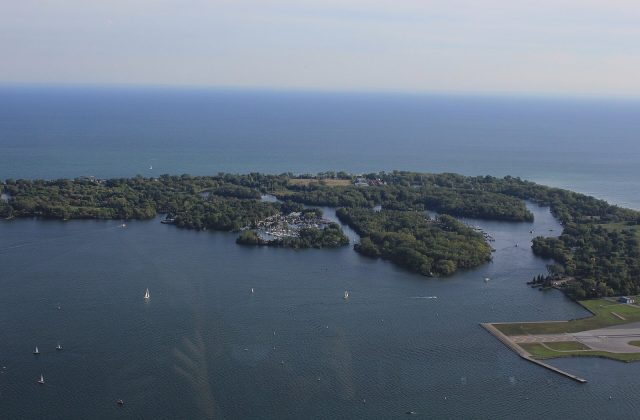
The Toronto Islands are a car-free chain of 15 small islands in Lake Ontario, a 15-minute ferry ride from downtown…
298 tours & trips
Canada
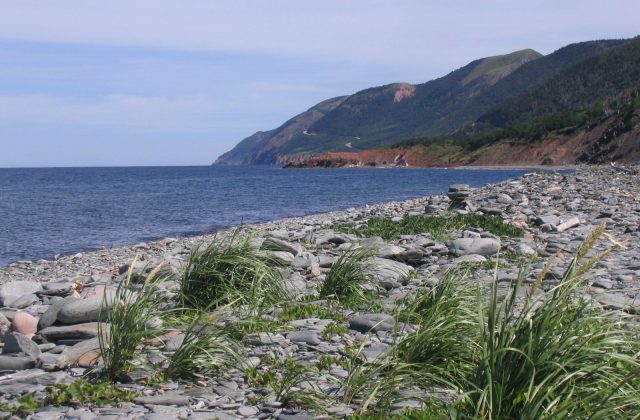
Cape Breton Island is the rugged north-eastern end of Nova Scotia, joined to the mainland by a causeway and crowned by…
19 tours & trips
Canada
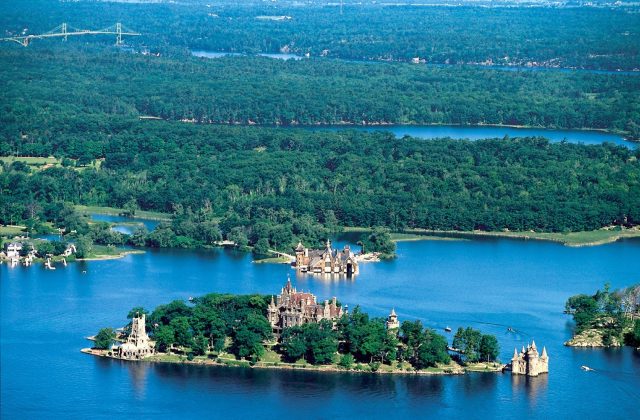
The Thousand Islands are a group of 1,864 islands in the Saint Lawrence River, stretching about 80 km downstream from…
19 tours & trips
Canada
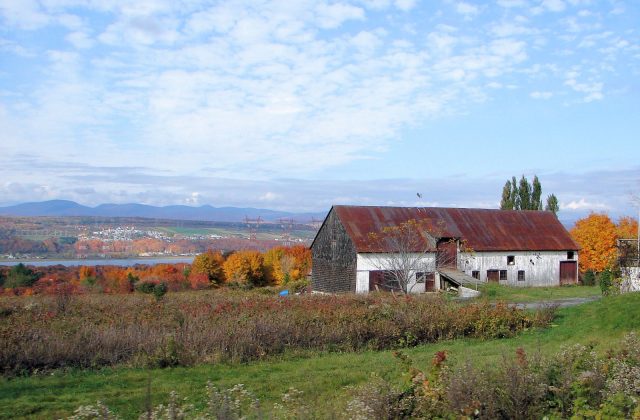
Île d'Orléans is a farming island in the St Lawrence River, about 5 km downstream from Quebec City and linked to…
11 tours & trips
Canada
Bowen Island is a forested island at the mouth of Howe Sound, just 20 minutes by ferry from Horseshoe Bay in West…
4 tours & trips