Vancouver Island
Canada
Vancouver Island is the largest island on the Pacific coast of the Americas, about 456 km long, with Victoria, the…
392 tours & trips
Canada · Atlantic Ocean · Nature & wildlife island
Cape Breton Island is the rugged north-eastern end of Nova Scotia, joined to the mainland by a causeway and crowned by highlands that drop in cliffs to the Gulf of St Lawrence. It is known for the Cabot Trail, one of North America's great coastal drives, for Celtic fiddle music, Acadian villages and a reconstructed French fortress at Louisbourg.
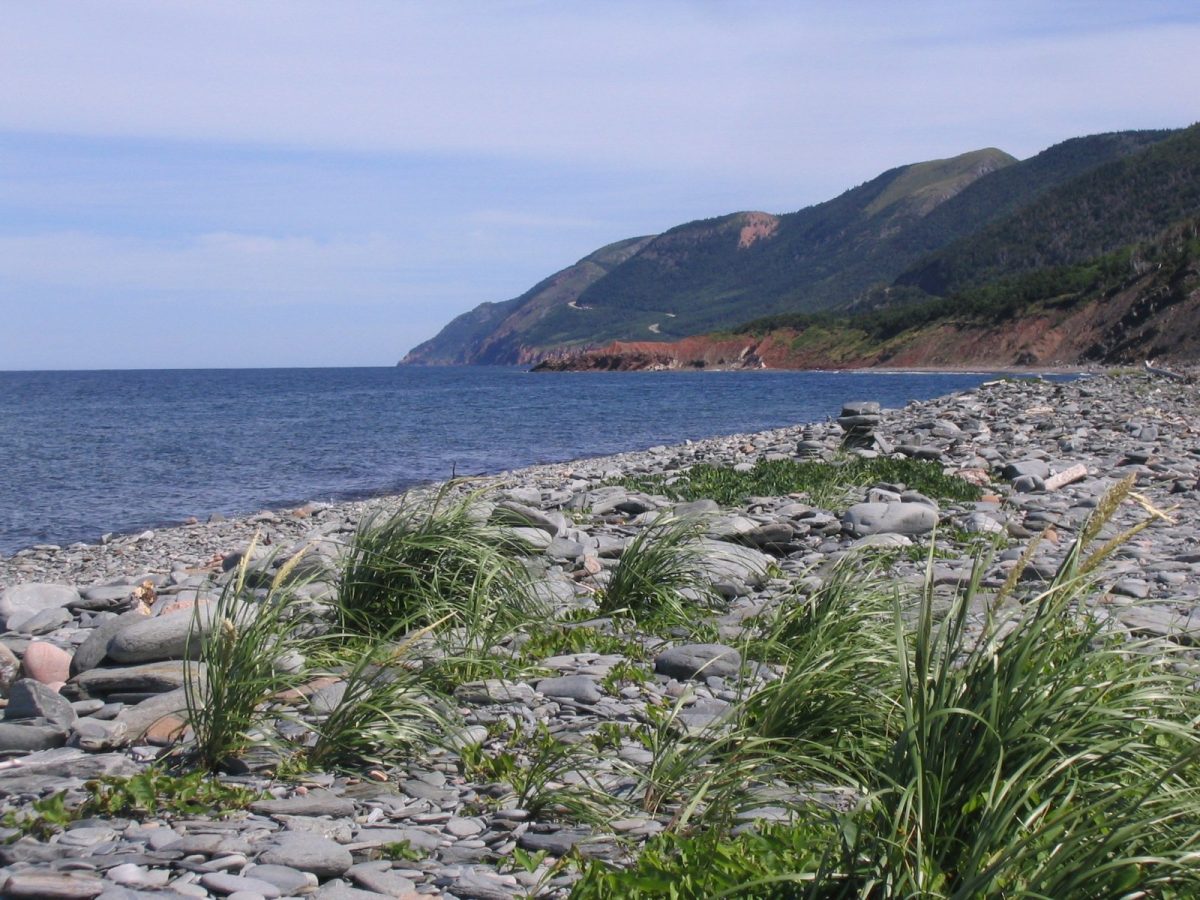
Photo: Aconcagua, CC BY-SA 3.0
| Getting there | Drive from Halifax over the Canso Causeway in about 3 h; flights to Sydney; ferries from Newfoundland |
|---|---|
| Gateway | Halifax (by road) or Sydney (airport) |
| Travel time | About 3 h by car from Halifax to the causeway |
| Days | 3 to 5 nights |
| Best months | Jul–Oct; late Sep to mid-Oct for autumn colours |
| Getting around | A car is essential; there is little public transport outside Sydney |
| Booking | Rooms along the Cabot Trail months ahead for summer and the October festival |
| Cost | Mid-range for Canada |
| Beaches | Sandy beaches at Inverness and Ingonish; cool water, warmer on the Gulf side in August |
| Sea | Atlantic Ocean |
| Area | 10,311 km² |
| Population | 134,850 (2021) |
| Highest point | 535 m (White Hill) |
| Airport | Yes, scheduled flights |
| Car-free | No |
| Bridge | Road bridge or causeway to the mainland |
| Checked | October 2026 |
Most visitors explore Cape Breton by car, so the tours on sale are mainly for people without one, and especially for cruise passengers arriving in Sydney for a single day.
The most common product is a Cabot Trail tour from Sydney: a minibus day into the highlands with stops at lookouts, a short walk and a lunch break, or a shorter mini version that turns back at the Bell museum in Baddeck. Private versions for small groups let you choose the pace. Transport and a guide are included; lunch and museum entry usually are not.
The second group is history: half-day trips to the Fortress of Louisbourg and its lighthouse, and tours combining the miners' museum in Glace Bay with the Marconi wireless site, or the Bell museum with the Highland Village, an open-air museum of Gaelic settler life.
Active options include river tubing on the Margaree, UTV rides on forest trails and jeep tours around Sydney. Whale-watching boats run from several harbours on the trail and are bought locally.
Our advice: if you have a car, skip the tours, drive the Cabot Trail over two or three days and book Louisbourg and a whale-watching boat separately.
This road loops for about 300 km around the northern tip of the island, climbing over the highlands and dropping to fishing villages along the coast. Drive it clockwise to stay on the ocean side, allow at least two days, and stop at the many lookouts. The western stretch between Cheticamp and Pleasant Bay is the most dramatic.
The park covers the high plateau and cliffs of the north. Its best-known hike, the Skyline Trail, is an easy loop of a few hours to a boardwalk on a headland high above the Gulf, where moose are often seen and pilot whales swim below. Other trails lead to waterfalls and bogs. A park pass is required.
On the south-east coast, about 40 minutes from Sydney, a quarter of the eighteenth-century French fortified town has been rebuilt with houses, barracks and the governor's residence. In summer, staff in period costume bake bread, fire muskets and serve period meals. Allow half a day; outside summer, the site has limited services.
Baddeck, on the shore of the great inland sea of Bras d'Or Lake, is the usual start of the Cabot Trail. Alexander Graham Bell spent his summers here, and a museum covers his telephone, his flying machines and his hydrofoil boats. Boat trips on the lake and sailing are popular in summer.
On the west coast, the Acadian village of Cheticamp keeps its French language, colourful church and a tradition of hooked rugs, shown in a small museum. Whale-watching boats leave the harbour in summer, and the Margaree valley just south is known for salmon fishing and the long sandy beach at Inverness.
On the eastern side of the Cabot Trail, Ingonish has a sandy beach, a historic resort hotel and a well-known golf course on a headland. Hike up Franey Mountain for a view over the coast, or walk out along Middle Head. Further north, the road to Meat Cove leads to the wildest corner of the island.
Our pick for each kind of trip, with live dates and prices. Free cancellation on most.
Best for: First visit, the Cabot Trail by day
A guided day from Sydney into the highlands with the best viewpoints of the national park, ideal if you do not want to drive the winding road yourself.
Most visitors drive. From Halifax it is about three hours on the main highway to the Canso Causeway, which carries road traffic onto the island, and around four and a half hours to Baddeck. Car hire is easiest at Halifax airport.
Sydney has a small airport with flights from Halifax and Toronto, and car rentals; it is about an hour from Baddeck. Long-distance buses link Halifax and Sydney but do not cover the Cabot Trail.
From Newfoundland, car ferries arrive at North Sydney from Port aux Basques, a crossing of about seven hours, and in summer from Argentia. Cruise ships dock at the Sydney waterfront from late spring to autumn, and their passengers often take a day tour of the Cabot Trail.
A car is essential: the sights are spread over a large island and there is almost no public transport outside Sydney. Roads are good but the Cabot Trail is steep and winding, with sharp bends on the climbs over the highlands, so allow plenty of time. Petrol stations are far apart in the north, so fill up when you can. Cycling the trail is popular but demanding. Watch for moose on the roads at dusk.
July and August are the warmest months, with daytime temperatures in the 20s, all attractions open, whale watching at its peak and outdoor ceilidhs in village halls. They are also the busiest and most expensive, and fog can cover the coast on some days.
Late September and early October are many people's favourite time, when the hardwood forests turn red and gold and the Celtic Colours music festival brings concerts to venues across the island. Rooms along the Cabot Trail sell out for this period, so book early.
June is quieter and green, with black flies in the woods. From late October to May many restaurants, inns and whale-watching boats close, and winter brings heavy snow. Three to five nights covers the Cabot Trail and Louisbourg.
Most road trips use two or three bases. Baddeck is central, with inns and restaurants at the start of the trail. Cheticamp and the Margaree valley suit the west coast and the national park, and Ingonish the east side and the beaches. Sydney, the only city, is the practical base for Louisbourg and for flights or the ferry. Small inns and cottages fill quickly in summer and October.
The Mi'kmaq have lived on the island, which they call Unama'ki, for thousands of years. The French made it their colony of Ile Royale and built Louisbourg from 1713; the British took the fortress twice and destroyed it in the 1760s. In the early nineteenth century thousands of Highland Scots arrived, bringing Gaelic and the fiddle music still heard today, while Acadians settled the west coast. Coal mines and the steel plant in Sydney shaped the twentieth century until they closed, and tourism now plays a large part.
Halifax, with its waterfront and Citadel, is three hours away and is the usual start and end of a trip. The ferry from North Sydney continues to Newfoundland. Prince Edward Island is about four hours by road from the causeway, so a week-long loop of Halifax, Cape Breton and PEI is a popular Maritimes route.
Drive from Halifax over the Canso Causeway in about 3 h; flights to Sydney; ferries from Newfoundland.
From Halifax (by road) or Sydney (airport): about 3 h by car from Halifax to the causeway.
3 to 5 nights.
Jul–Oct; late Sep to mid-Oct for autumn colours.
A car is essential; there is little public transport outside Sydney.
Go if you want a scenic coastal road trip with hiking, whale watching, lobster suppers and live fiddle music. Skip it or stay around Halifax and the South Shore if you have only two days or want warm-water beaches.
Mid-range for Canada.
Sandy beaches at Inverness and Ingonish; cool water, warmer on the Gulf side in August.
Rooms along the Cabot Trail months ahead for summer and the October festival.
Yes. Boat trips, guided tours and day trips for Cape Breton Island can be booked online; live prices and free cancellation on most are shown on this page.
Canada
Vancouver Island is the largest island on the Pacific coast of the Americas, about 456 km long, with Victoria, the…
392 tours & trips
Canada
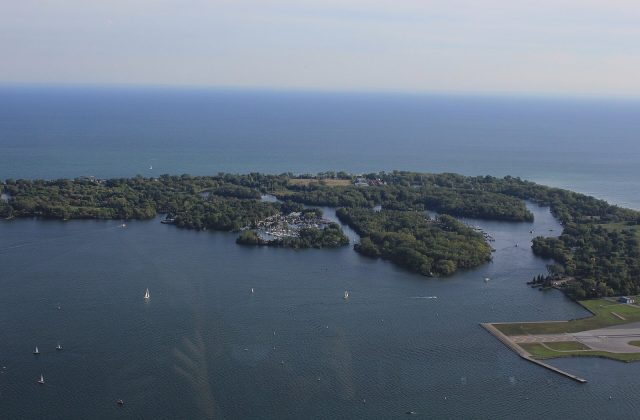
The Toronto Islands are a car-free chain of 15 small islands in Lake Ontario, a 15-minute ferry ride from downtown…
298 tours & trips
Canada
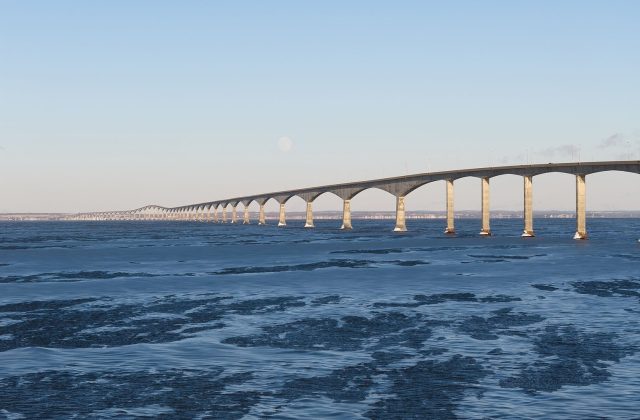
Prince Edward Island is Canada's smallest province, a gently rolling island of red soil, potato fields, fishing…
32 tours & trips
Canada
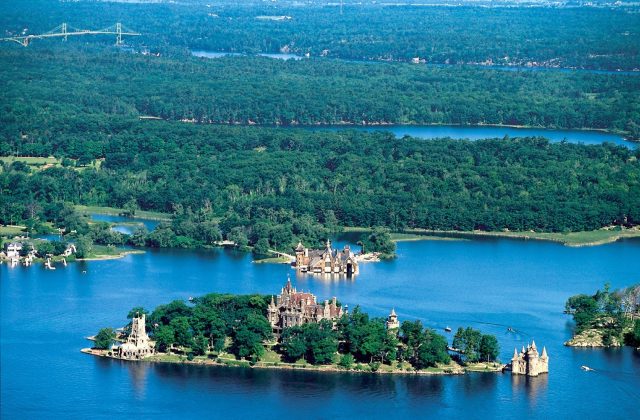
The Thousand Islands are a group of 1,864 islands in the Saint Lawrence River, stretching about 80 km downstream from…
19 tours & trips
Canada
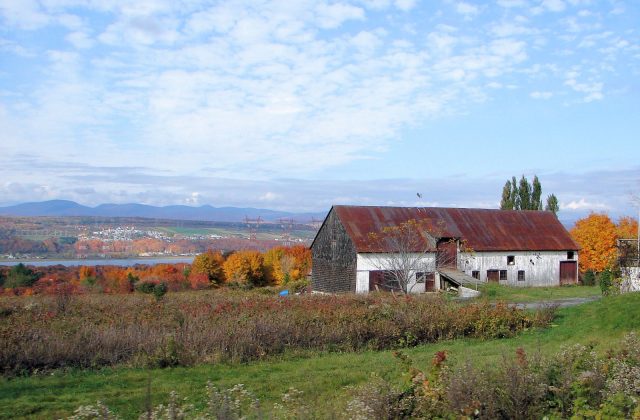
Île d'Orléans is a farming island in the St Lawrence River, about 5 km downstream from Quebec City and linked to…
11 tours & trips
Canada
Bowen Island is a forested island at the mouth of Howe Sound, just 20 minutes by ferry from Horseshoe Bay in West…
4 tours & trips