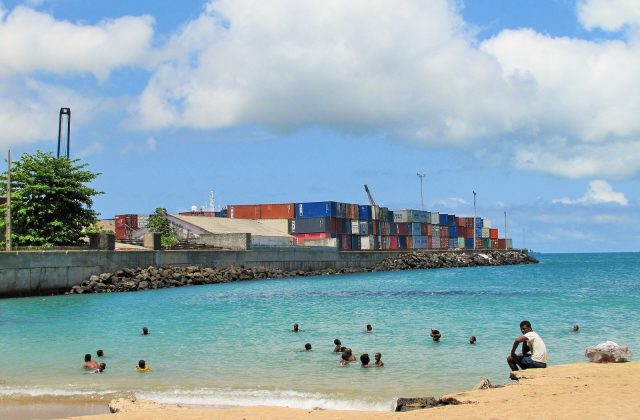
São Tomé
178 km away
São Tomé is a volcanic island in the Gulf of Guinea, just north of the Equator and about 240 kilometres off the coast…
10 tours & trips
Sao Tome and Principe · Atlantic Ocean · Nature & wildlife island
Príncipe is the smaller of the two islands of São Tomé and Príncipe, an old volcano in the Gulf of Guinea covered in rainforest, with fewer than 10,000 people and a capital you can cross on foot in ten minutes. It rises to 947 metres at the Pico do Príncipe, and the whole island has been a biosphere reserve since 2012.
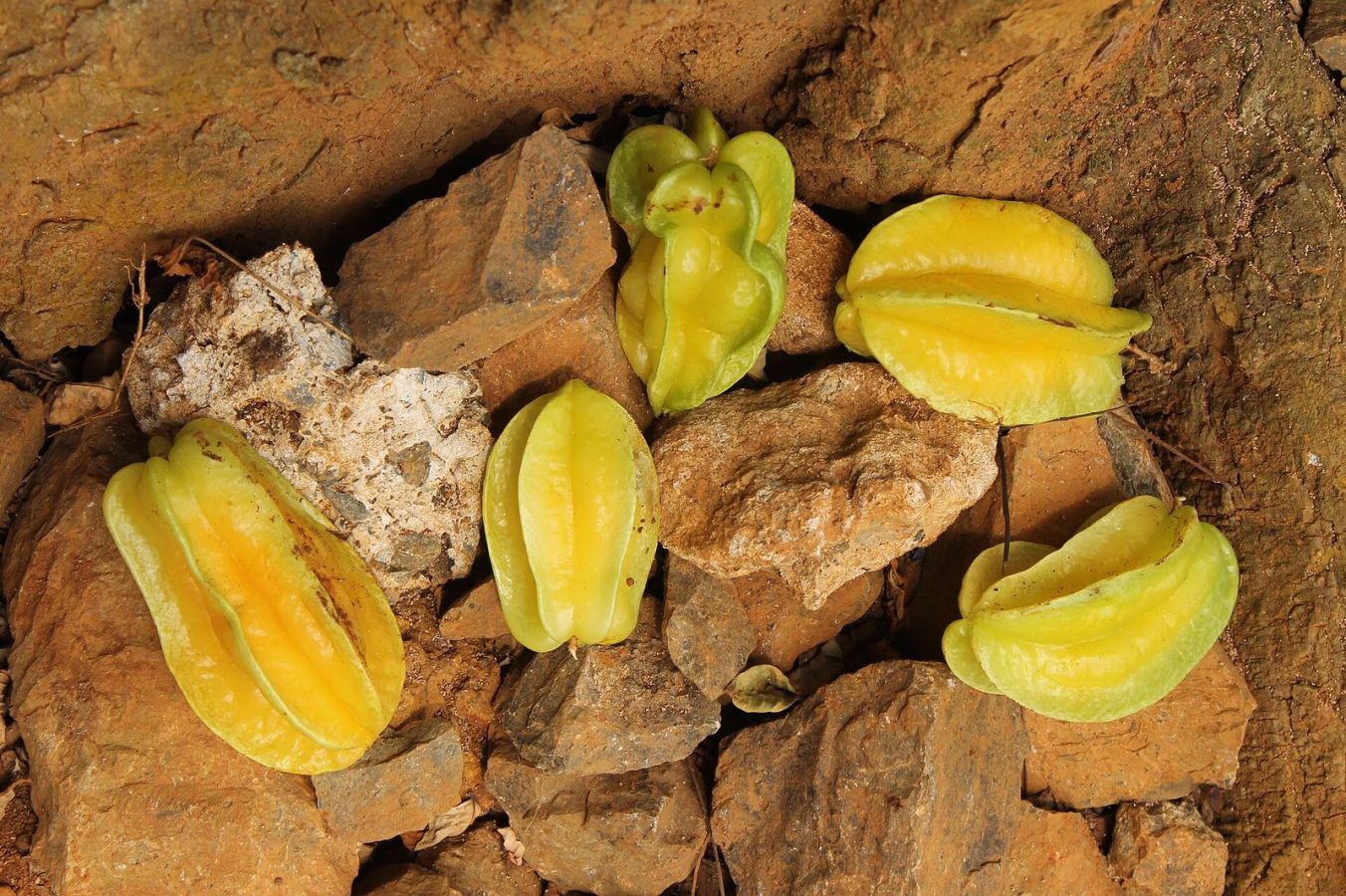
Photo: César J. Pollo, CC BY-SA 4.0
| Getting there | Short domestic flight from São Tomé, which has international flights from Lisbon and West Africa |
|---|---|
| Gateway | São Tomé (flight) |
| Travel time | Under 1 h by air |
| Days | 3 to 5 nights |
| Best months | Jun–Sep (dry gravana season); turtles nest Nov–Feb; rain most of the rest |
| Getting around | No real buses: lodge transfers, a 4x4 with driver, moto-taxis and boats to the beaches |
| Booking | Flights from São Tomé and lodges well ahead, especially Jun–Sep and New Year |
| Cost | Expensive, even by island standards |
| Beaches | Golden sand under forest: Banana, Macaco and Boi beaches in the north; turtles nest at Praia Grande |
| Sea | Atlantic Ocean |
| Area | 136 km² |
| Population | 7,324 (2012) |
| Highest point | 947 m (Pico do Principe) |
| Airport | Yes, scheduled flights |
| Car-free | No |
| Checked | November 2026 |
Nothing is sold online for Príncipe alone. Tourism here is small and mostly run through the island's handful of lodges and local guides, so activities are arranged on arrival or when you book your room.
The range is wider than you might expect. Guided forest walks follow trails in the Obô natural park in the south, from short loops to a full day towards the volcanic peaks. A boat trip along the coast visits beaches reachable only from the sea, with snorkelling stops on calm days and sometimes dolphins. Visits to the old cocoa plantations, especially Roça Sundy and Roça Belo Monte, cover the colonial history and the 1919 eclipse expedition. From November to February guides take small groups at night to watch turtles nest, and fishing, kayaking and birdwatching for the island's endemic species are offered too.
Most activities include a guide and transport; lunch is often extra. Prices are high because groups are tiny and fuel is imported. The sensible approach is to choose a lodge, book its activity programme together with the room, and keep at least one day free for the beach.
The capital and only town is a small, quiet place of pastel colonial buildings around a river mouth, with a cathedral, a market and a few cafes on the main square. It takes ten minutes to cross on foot. Come in the morning for the market, change money and buy supplies here, since there is little elsewhere, and watch fishermen bring their dugout canoes into the bay.
The north coast is a chain of crescent beaches backed by palms and forest. Praia Banana, curving beneath a rocky headland, is the most photographed beach in the country; Praia Macaco and Praia Boi are close by and often empty. Reach them by boat or by a short drive and walk from the lodges on the north coast, and take water and everything else you need.
This old cocoa plantation in the north-west is where the British astronomer Arthur Eddington photographed the total solar eclipse of 29 May 1919, measuring how starlight bends near the sun and supporting Einstein's general relativity. A plaque marks the spot. The restored plantation buildings now house a lodge, and guides explain cocoa growing on a walk around the estate.
The southern half of Príncipe is a natural park of steep rainforest without roads, rising to the Pico do Príncipe at 947 metres. Closer to town, Pico Papagaio, a volcanic plug of about 680 metres, can be climbed with a guide in a hard half-day through cocoa groves and forest. Expect mud and humidity, and look out for endemic birds such as the Príncipe sunbird and golden weaver.
Between November and February, green, hawksbill and leatherback turtles haul themselves onto Praia Grande, the island's main nesting beach, to lay their eggs, and local conservation guides lead small groups to watch without torches. Hatchlings emerge about two months later. By day it is a long, empty beach for walking, but swimming can be rough when the swell rolls in.
A half or full day by boat shows the side of Príncipe you cannot reach by road: basalt cliffs and needles in the south, streams dropping into the sea, empty bays and the islet of Bom Bom off the north coast. Snorkelling is possible on calm days. The sea is usually calmest in the dry season; ask your lodge about adding a picnic on a beach.
Príncipe is reached through São Tomé, the main island about 150 km to the south-west. International flights land at São Tomé from Lisbon and from a few African hubs such as Accra and Luanda, usually only a few times a week, so plan the whole trip around them. From São Tomé a small propeller plane makes the hop to Príncipe's airport, a few kilometres from Santo António, in well under an hour. Seats are few, baggage limits are low and schedules change, so book early and leave a spare day before your flight home. Irregular cargo boats also make the crossing, but they take many hours and are not a practical choice for visitors. Lodges arrange pickup at the airport.
There is no real public transport. A few roads, partly paved, link the airport, Santo António and the north coast; other tracks are steep, rough and often muddy after rain, and the south has no roads at all. Most visitors rely on transfers and guided trips from their lodge, or hire a 4x4 with a driver for the day. Moto-taxis wait in Santo António for short hops. Many of the best beaches are easiest to reach by boat, which the lodges organise.
Príncipe lies just north of the equator, so it is hot and humid all year, usually between 25 and 30 degrees, and the sea is warm in every month. The main dry season, the gravana, runs from June to September: less rain, a cooling breeze, hazier skies and the easiest conditions for hiking and boat trips. It is also the busiest period, with full flights, and humpback whales pass through the islands' waters from about July to October.
The rest of the year is wetter, with heavy showers that tend to come in bursts rather than all day, and the forest at its greenest. A shorter, drier spell often arrives around December and January, which coincides with turtle nesting and makes a good second choice. Outside these breaks, expect frequent rain. Three to five nights let you see the town, the beaches, a plantation and the forest.
Accommodation is limited to a few upmarket lodges and a handful of simple guesthouses, so where you stay largely decides your trip. The north coast is where the beach lodges are, close to Banana, Macaco and Boi beaches and to Roça Sundy, with boat trips leaving from the shore. Santo António has simple guesthouses for independent travellers on a budget, with the market and moto-taxis at the door. Restored plantation houses inland suit those who want history and forest walks.
Príncipe was uninhabited when Portuguese navigators found it in 1471. First called Santo Antão, it was renamed in honour of the heir to the Portuguese throne, and the town of Santo António was founded in 1502. Settlers brought enslaved Africans to work sugar plantations, and the island became a stop on the slave trade. In the nineteenth century cocoa and coffee estates covered the north, worked by contract labourers, until sleeping sickness devastated the population in the early twentieth century. The country became independent in 1975, the plantations declined, and Príncipe gained its own autonomous government in 1995. The southern forest has never been cleared.
Príncipe is almost always combined with São Tomé, which has the international airport, the capital, more plantations, the Bom Sucesso botanical garden in the mountains and the beaches of the south, plus Ilhéu das Rolas on the equator. A typical trip spends three or four nights on each island; plan a night in São Tomé on each side of the Príncipe flight in case of schedule changes.
178 km away
São Tomé is a volcanic island in the Gulf of Guinea, just north of the Equator and about 240 kilometres off the coast…
10 tours & trips
Short domestic flight from São Tomé, which has international flights from Lisbon and West Africa.
From São Tomé (flight): under 1 h by air.
3 to 5 nights.
Jun–Sep (dry gravana season); turtles nest Nov–Feb; rain most of the rest.
No real buses: lodge transfers, a 4x4 with driver, moto-taxis and boats to the beaches.
Go if you want rainforest, nesting turtles and nearly empty beaches on one of Africa's least visited islands. Skip it or stay on São Tomé if you want low prices, easy logistics or a full choice of restaurants and nightlife.
Expensive, even by island standards.
Golden sand under forest: Banana, Macaco and Boi beaches in the north; turtles nest at Praia Grande.
Flights from São Tomé and lodges well ahead, especially Jun–Sep and New Year.
Sao Tome and Principe
São Tomé is a volcanic island in the Gulf of Guinea, just north of the Equator and about 240 kilometres off the coast…
10 tours & trips