Príncipe
Sao Tome and Principe
Príncipe is the smaller of the two islands of São Tomé and Príncipe, an old volcano in the Gulf of Guinea covered in…
No tours listed
Sao Tome and Principe · Atlantic Ocean · Nature & wildlife island
São Tomé is a volcanic island in the Gulf of Guinea, just north of the Equator and about 240 kilometres off the coast of Gabon, rising to 2,024 metres at the Pico de São Tomé. It is the main island of one of Africa's smallest countries, with rainforest, old cocoa plantations, quiet beaches and a relaxed Portuguese-speaking capital.
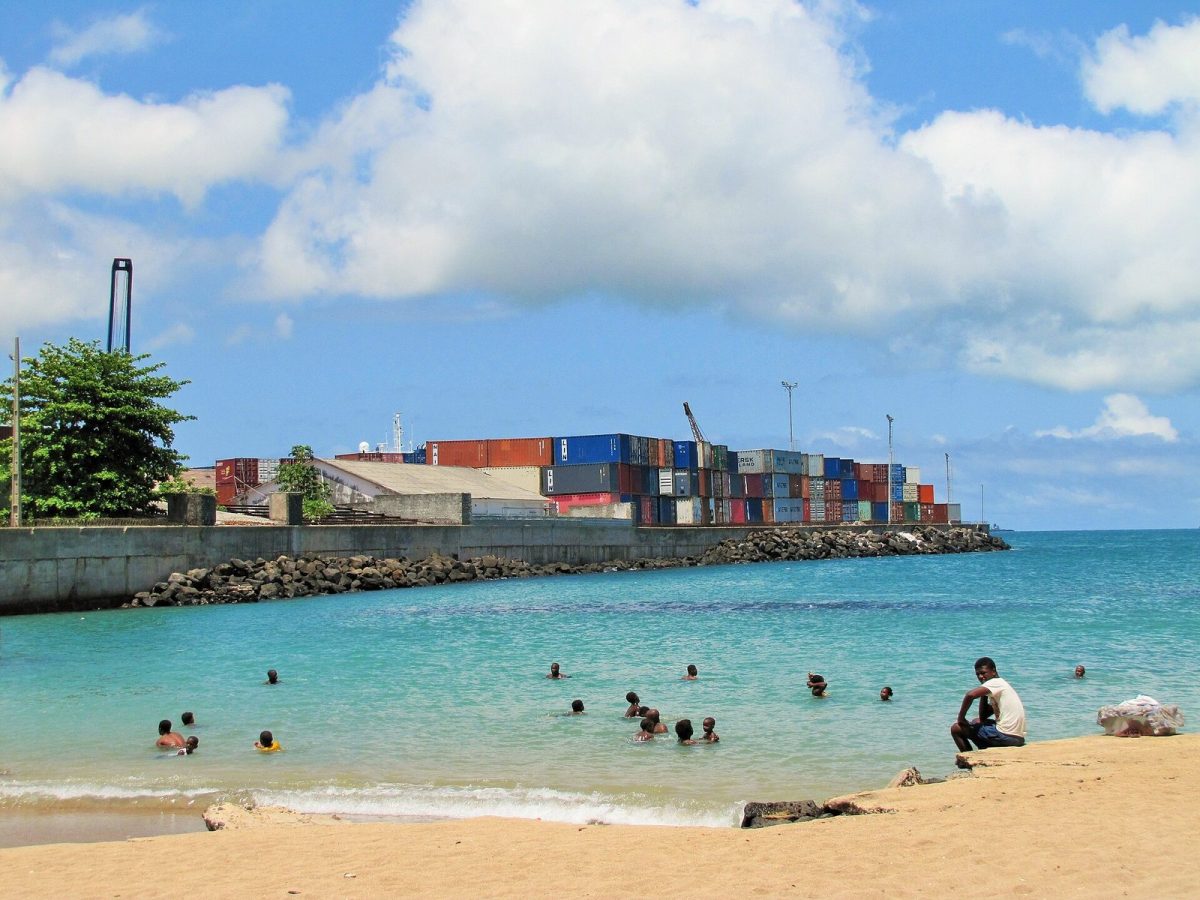
Photo: Chuck Moravec, CC BY 2.0
| Getting there | Flights to São Tomé city, mainly via Lisbon, with some connections through West and Central Africa |
|---|---|
| Gateway | São Tomé city (international airport) |
| Travel time | About 6.5 h by air from Lisbon |
| Days | A week or more |
| Best months | Jun–Sep dry season (gravana); Dec–Feb also drier; Mar–May and Oct–Nov rainy |
| Getting around | Car with driver or guided tours; 4x4 for the south; taxis and minibuses in the north |
| Booking | Flights and rooms well ahead; guides, drivers and boat trips a few days ahead |
| Cost | Mid-range; flights and imported goods are expensive |
| Beaches | Palm-backed golden sand on the north and south coasts; Praia Jalé for turtles, Rolas off the south |
| Sea | Atlantic Ocean |
| Area | 859 km² |
| Population | 193,380 (2018) |
| Highest point | 2,024 m (Pico de São Tomé) |
| Airport | Yes, scheduled flights |
| Car-free | No |
| Checked | October 2026 |
São Tomé has little tourist infrastructure, so even independent travellers usually rely on local guides and drivers, and most of the products sold reflect that.
The main option is a guided full day by car from the capital, with hotel pickup and lunch, looping through plantations, waterfalls and coastal villages. Shorter city tours cover the cathedral, the fort with the national museum and the colonial streets. Food-focused visits spend half a day at a cocoa and coffee plantation, with tastings, and often add a forest walk.
Further afield, a boat day reaches Rolas island on the Equator from the south coast, usually with the long drive from the capital included. Guided hikes in Obô National Park go to the crater lake of Lagoa Amélia or towards the Pico. Dive centres run boat dives on volcanic reefs, and a Saturday night music and grill evening is popular in town.
Transport, guide and lunch are usually included; park fees, drinks and tips often are not, and payment in euros cash is common.
For a first visit, book the full island day early in your stay, then add Rolas and one forest hike.
The island is dotted with roças, the great colonial cocoa and coffee estates, each a small town of a manor house, hospital, drying sheds and workers' quarters. Some are ruins still lived in by former workers' families, others restored with guesthouses and restaurants. Visit Agostinho Neto for scale and Monte Café for coffee, and taste chocolate made from local beans.
The protected rainforest covers much of the island's centre and south-west, home to endemic birds, orchids and giant begonias. A guided hike of a few hours from the Bom Sucesso botanical garden climbs to Lagoa Amélia, an old crater filled with marshy forest. Climbing the Pico de São Tomé itself is a tough two-day trek with a guide.
The small capital on the north-east coast has a pastel cathedral, a seafront of faded colonial buildings and the Fort of São Sebastião, which houses the national museum and its displays on plantation life. The market is lively in the morning. Walk the bay at sunset, and eat grilled fish in one of the simple restaurants.
In the south, a needle-shaped volcanic plug rises vertically above the forest, a sight visible from the road towards the coast. Further on, the south coast has palm-lined beaches, fishing villages of the Angolar people and the blowhole of Boca do Inferno near the capital road. The road is slow and partly rough, so plan a full day or stay a night.
A short boat ride from Porto Alegre at the southern tip, the small island of Rolas is crossed by the Equator, marked by a monument and a map of the world in tiles. A walk of about 20 minutes leads to it through forest, with views of beaches and the sea beyond. The island also has a resort and quiet coves for swimming.
The north coast has Lagoa Azul, a clear bay for snorkelling, and beaches such as Praia dos Tamarindos. In the south, sea turtles nest on beaches like Praia Jalé in the rainy months, and local groups run night watches. From about July to October, humpback whales pass offshore and can be seen from boats or from the shore.
Our pick for each kind of trip, with live dates and prices. Free cancellation on most.
Best for: First visit, an island day
A guided full day by car with hotel pickup and lunch, covering the capital, a plantation, waterfalls and the coast, a good introduction before exploring further.
São Tomé is not easy to reach, which keeps it quiet. The main route is by air from Lisbon, with flights several times a week taking about six and a half hours, some stopping in Accra or elsewhere in West Africa. Other connections run through African hubs such as Luanda and Libreville, often only a few times a week, so check schedules carefully and allow a day of margin for onward travel.
The international airport is on the edge of the capital, a short taxi ride from most hotels. There is no regular passenger ferry from the mainland. To continue to Príncipe, the second island, small planes fly in about 35 minutes, and irregular cargo boats take much longer. Check entry rules before travelling; citizens of many countries can visit without a visa for a short stay.
Outside the capital, most travellers hire a car with a driver or join guided tours, since road signs are few and the roads in the south are narrow, potholed and slow. Rental cars, ideally four-wheel drive, are available in town. Yellow taxis and shared minibuses run along the main coastal roads, and motorbike taxis are everywhere. The drive from the capital to the southern tip takes about two to three hours.
São Tomé is warm and humid all year, with temperatures around 25 to 30 degrees at the coast and cooler air in the mountains. The main dry season, called gravana, runs from June to September, with cloudier skies but little rain, easier forest trails and calmer roads; it is also when humpback whales are seen. A shorter, drier spell often comes around December to February.
The wettest months are usually March to May and October to November, when hikes get muddy and some roads become difficult, though the forest is at its greenest and turtles nest on the beaches from about November to March. The south and west are much wetter than the dry north-east around the capital.
Visitor numbers are low all year. A week is the minimum to see both the north and the south.
The capital is the practical base, with most hotels, restaurants and services and day trips in every direction. Restored roças in the hills offer a night inside plantation history, cooler and quieter, often with meals included. The south coast, around São João dos Angolares and Porto Alegre, has a few lodges for beaches, forest and Rolas. Plan to split your nights between the north and the south.
The island was uninhabited until Portuguese navigators arrived around 1470 and named it after Saint Thomas. It became a sugar colony worked by enslaved Africans and a staging post in the Atlantic slave trade. In the nineteenth and early twentieth centuries the plantations turned to coffee and then cocoa, and for a time the islands were among the world's leading cocoa producers, worked by contract labourers under harsh conditions. Independence came in 1975. The roças, the creole languages Forro and Angolar and the cocoa trade remain from that history.
Pair São Tomé with Príncipe, a 35-minute flight away, a smaller, wilder island with forest, empty beaches and a UNESCO biosphere reserve; three or four nights there are ideal. Most travellers connect through Lisbon, a good stopover for a day or two, and a few combine the trip with Gabon on the mainland.
Flights to São Tomé city, mainly via Lisbon, with some connections through West and Central Africa.
From São Tomé city (international airport): about 6.5 h by air from Lisbon.
A week or more.
Jun–Sep dry season (gravana); Dec–Feb also drier; Mar–May and Oct–Nov rainy.
Car with driver or guided tours; 4x4 for the south; taxis and minibuses in the north.
Go if you want rainforest hikes, cocoa plantations, empty beaches and a little-visited African island at an easy pace. Skip it or choose Cape Verde or Mauritius if you need resort infrastructure, frequent flights, reliable roads or a classic beach holiday.
Mid-range; flights and imported goods are expensive.
Palm-backed golden sand on the north and south coasts; Praia Jalé for turtles, Rolas off the south.
Flights and rooms well ahead; guides, drivers and boat trips a few days ahead.
Yes. Boat trips, guided tours and day trips for São Tomé can be booked online; live prices and free cancellation on most are shown on this page.
Sao Tome and Principe
Príncipe is the smaller of the two islands of São Tomé and Príncipe, an old volcano in the Gulf of Guinea covered in…
No tours listed