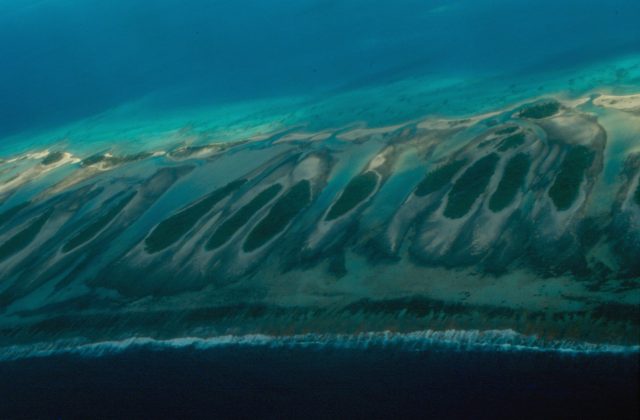
Tikehau
Tuamotus, French Polynesia
Tikehau is a small, round coral atoll in the Tuamotu Islands of French Polynesia, about an hour's flight northeast…
4 tours & trips
French Polynesia · Pacific Ocean · Nature & wildlife island
Rangiroa is the largest atoll in the Tuamotus of French Polynesia, a ring of about 415 coral islets around a lagoon so wide that you cannot see across it. It lies about 355 km north-east of Tahiti and is famous for drift dives through its passes, with dolphins, sharks and manta rays.
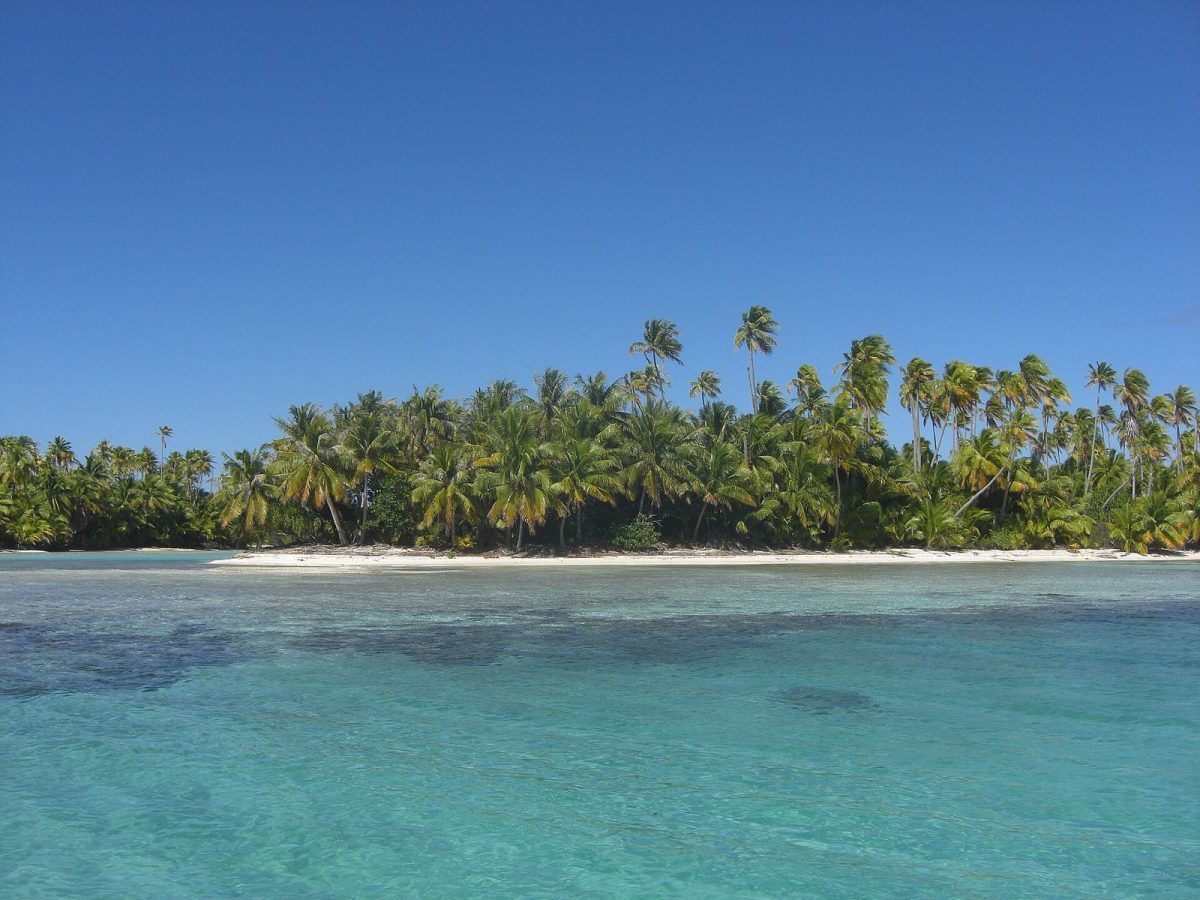
Photo: Olivier Bruchez, CC BY-SA 2.0
| Getting there | Flights of about 1 h from Papeete on Tahiti, several daily; some links with Bora Bora and other atolls |
|---|---|
| Gateway | Tahiti (Papeete) by air |
| Travel time | About 1 h by plane |
| Days | 3 to 5 nights |
| Best months | Apr–Nov dry season; Dec–Mar wetter but hammerhead sharks in the passes |
| Getting around | Bike or scooter along the 10-km road between Avatoru and Tiputa Pass; boats for the lagoon |
| Booking | Flights and lodgings well ahead; Blue Lagoon trips and dives a few days ahead |
| Cost | Expensive, as everywhere in French Polynesia |
| Beaches | Few beaches on the main motu; the Blue Lagoon, Reef Island and pink-sand motus are reached by boat |
| Sea | Pacific Ocean |
| Archipelago | Tuamotus |
| Area | 79 km² |
| Population | 2,709 (2017) |
| Highest point | 12 m |
| Airport | Yes, scheduled flights |
| Car-free | No |
| Checked | October 2026 |
Rangiroa is above all about the water, and almost everything on offer involves a boat leaving from Avatoru or the hotels near Tiputa Pass.
The most popular day out is the trip to the Blue Lagoon, a shallow, intensely blue lagoon within the lagoon on the western rim, about an hour away by boat. The day usually includes snorkelling, a picnic or barbecue lunch on a motu, blacktip reef sharks circling in knee-deep water and a visit to a bird islet. A second classic heads south to Reef Island, with its raised coral pinnacles and natural pools. Both are full days with lunch included and can be cancelled in strong wind.
Diving is the main reason many people come. Dive centres run drift dives through Tiputa and Avatoru passes on the incoming tide, where grey reef sharks, eagle rays and bottlenose dolphins are common. Introductory dives for beginners take place in the sheltered spot inside Tiputa called the Aquarium. Snorkelling drifts through the pass offer a taste without tanks.
Jet-ski tours, pearl-farm visits and a local winery fill the gaps. For a first visit, book the Blue Lagoon day and at least one dive or pass snorkel.
The eastern pass between the open ocean and the lagoon is the heart of Rangiroa. Walk to the point at the end of the road in the late afternoon on an incoming tide and you will often see bottlenose dolphins playing in the standing waves. Divers drift through the pass with sharks, rays and huge schools of fish below them.
On the western edge of the atoll, a ring of reef and small motus encloses a shallow lagoon of startling colour. Excursion boats cross the main lagoon in about an hour, then anchor so you can wade through warm water among blacktip reef sharks and snorkel over coral. Lunch is usually grilled fish on a motu with coconut palms.
On the southern rim, far from the villages, the reef has been lifted into sharp grey coral pinnacles that enclose warm natural pools. It feels like another planet. Boats take about an hour from Tiputa, and you walk across the jagged reef in shoes before floating in the pools. Combine it with the pink-sand motus nearby when the weather allows.
The main village, at the western end of the airport motu, has a church, a few shops and snack bars, the harbour for supply boats and a modest Sunday morning service with singing worth hearing. Rent a bike, cycle along the lagoon shore and stop at the Avatoru Pass, smaller than Tiputa but also good for snorkelling.
Rangiroa grows black pearls, and a visit to a pearl farm shows how oysters are grafted and how the pearls are graded, with a shop at the end. Nearby, a vineyard on the motu produces one of the few wines made on a coral atoll; tastings run in the afternoon and need to be booked. Both lie along the main road.
Our pick for each kind of trip, with live dates and prices. Free cancellation on most.
Best for: First visit, the Blue Lagoon by boat
The classic full-day outing across the lagoon to a shallow inner lagoon on the western rim, with snorkelling stops at the pass on the way.
Air Tahiti flies from Papeete on Tahiti to Rangiroa several times a day, a flight of about an hour, and some routes link it directly with Bora Bora and with other Tuamotu atolls such as Tikehau and Fakarava. Air passes covering several islands are often good value. Book early for the July and August school holidays.
The small airport lies between Avatoru and Tiputa Pass, and most lodgings will meet you if told your flight. Supply ships from Papeete call at Rangiroa and carry a few passengers, but the voyage takes about a day and suits only the adventurous. Some cruise ships and expedition vessels anchor inside the lagoon for a day.
Only the main motu has a road, about 10 km long, running from Avatoru village past the airport to the Tiputa Pass. Bikes are the natural way to get around, and scooters and a few cars can be rented. There is no regular bus. Most guesthouses lend bikes or will drive you to dinner. A small ferry crosses the pass to Tiputa village. Everything else on the atoll, including the Blue Lagoon and Reef Island, is reached only by boat.
Rangiroa is warm all year, with air around 26 to 30 degrees and the lagoon around 27 to 29. The dry season from April to November is the most comfortable, with steady trade winds and less rain; July and August are the busiest months, when French families come during the holidays. Strong winds can cancel lagoon trips for a day or two at any time of year.
December to March is hotter, more humid and wetter, with short tropical downpours and an occasional cyclone risk, but it is the season when great hammerhead sharks appear at Tiputa Pass, which draws experienced divers. Manta rays and dolphins are seen year round. Allow at least three nights so that bad weather does not spoil both the Blue Lagoon trip and the diving; divers often stay a week.
Nearly all accommodation lies along the main motu between Avatoru and Tiputa Pass. Staying near the pass puts you close to the dive centres and the dolphin viewpoint, and this is where the one large resort with overwater bungalows sits. Family guesthouses, many with half board, are spread along the lagoon shore and offer good value and local cooking. Avatoru suits those who want shops and village life within walking distance.
Polynesian navigators settled the Tuamotus centuries before Europeans arrived, living from fish, coconuts and taro grown in pits dug into the coral. The atoll's name means vast sky in the local language. European explorers sighted it in the 17th century, and missionaries and copra traders followed in the 19th, when the islands came under French rule. Black pearl farming and diving transformed the economy from the late 20th century, yet the villages remain small and Sunday church is still the centre of life.
Tikehau, just 12 km west, is a smaller atoll with pink-sand beaches and a short flight away. Fakarava, a UNESCO biosphere reserve further south-east, is the other great diving atoll in the Tuamotus. Most itineraries pair Rangiroa with Tahiti and Moorea, perhaps with Bora Bora, using an air pass that links them in a loop of one to two weeks.
Flights of about 1 h from Papeete on Tahiti, several daily; some links with Bora Bora and other atolls.
From Tahiti (Papeete) by air: about 1 h by plane.
3 to 5 nights.
Apr–Nov dry season; Dec–Mar wetter but hammerhead sharks in the passes.
Bike or scooter along the 10-km road between Avatoru and Tiputa Pass; boats for the lagoon.
Go if you want world-class diving and snorkelling, dolphins in the passes and a slow, simple atoll life. Skip it or choose Moorea or Bora Bora if you want mountains, luxury resorts, varied sightseeing or long white beaches on land.
Expensive, as everywhere in French Polynesia.
Few beaches on the main motu; the Blue Lagoon, Reef Island and pink-sand motus are reached by boat.
Flights and lodgings well ahead; Blue Lagoon trips and dives a few days ahead.
Yes. Boat trips, guided tours and day trips for Rangiroa can be booked online; live prices and free cancellation on most are shown on this page.
Tuamotus, French Polynesia
Tikehau is a small, round coral atoll in the Tuamotu Islands of French Polynesia, about an hour's flight northeast…
4 tours & trips