Rangiroa
Tuamotus, French Polynesia
Rangiroa is the largest atoll in the Tuamotus of French Polynesia, a ring of about 415 coral islets around a lagoon so…
7 tours & trips
French Polynesia · Pacific Ocean · Beach island
Tikehau is a small, round coral atoll in the Tuamotu Islands of French Polynesia, about an hour's flight northeast of Tahiti, with pink-sand beaches and a lagoon full of fish. Its lagoon is about 27 km across, and its single pass draws manta rays, sharks and divers from around the world.
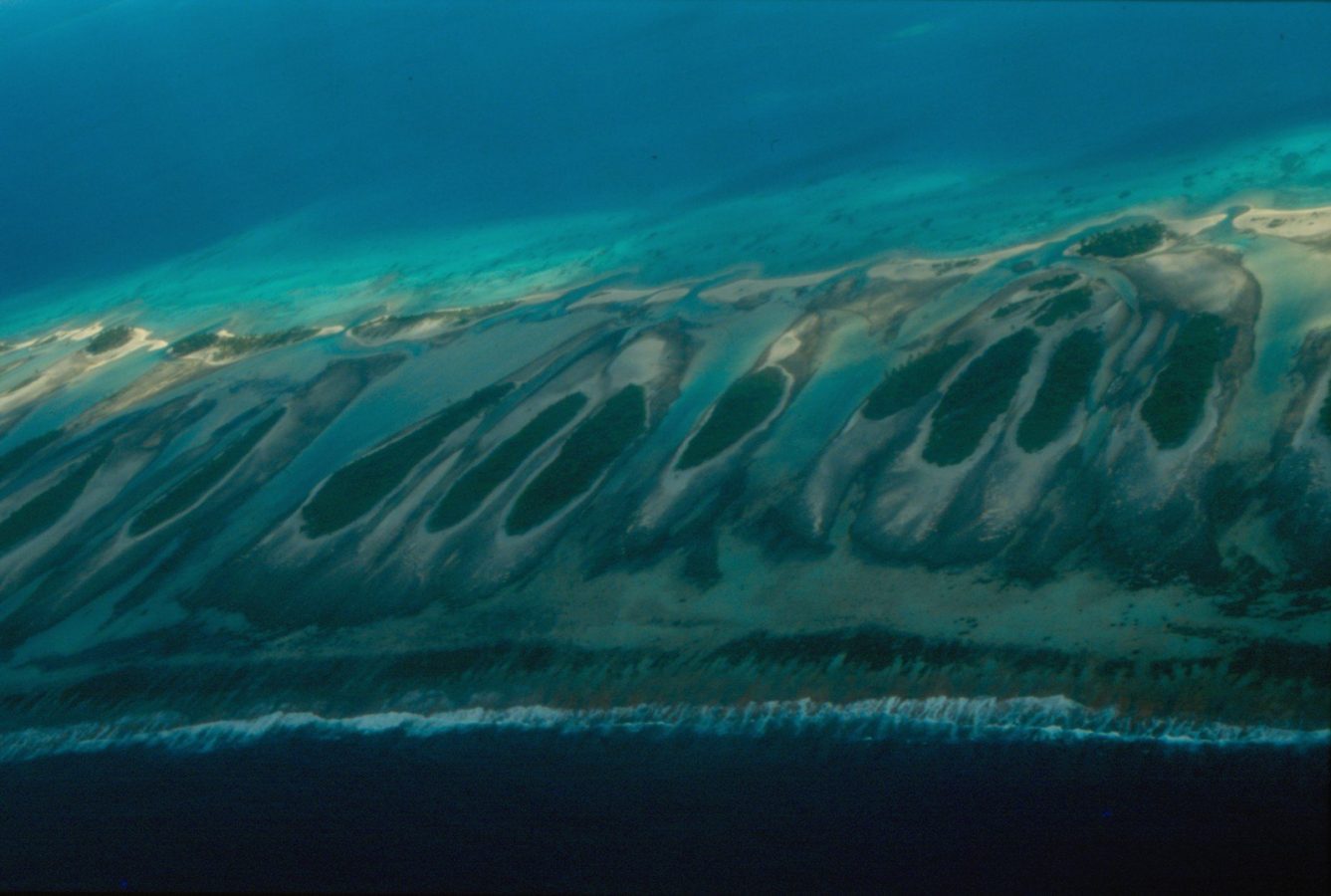
Photo: Urs Neumeier, CC BY-SA 2.5
| Getting there | Flights from Papeete in about 1 h, some via Rangiroa; no regular passenger ferry |
|---|---|
| Gateway | Tahiti (Papeete) by air |
| Travel time | About 1 h by air from Papeete |
| Days | 3 to 5 nights |
| Best months | Apr–Nov drier and less humid; Dec–Mar wetter and hotter |
| Getting around | Bike or walk in the village; boats to the motu and the pass |
| Booking | Flights and rooms months ahead; dives and lagoon trips a few days ahead |
| Cost | Expensive, as in all of French Polynesia |
| Beaches | Pink and white coral sand on the motu, shallow lagoon water; the best are reached by boat |
| Sea | Pacific Ocean |
| Archipelago | Tuamotus |
| Area | 461 km² |
| Airport | Yes, scheduled flights |
| Car-free | No |
| Checked | October 2026 |
On Tikehau almost everything happens in the lagoon, and most trips are run by the guesthouses and a small dive centre.
The most popular product is a full-day lagoon excursion by boat. It usually includes snorkelling with manta rays at their cleaning station near the pass, swimming with blacktip reef sharks, a visit to the bird island where terns and noddies nest, and a picnic lunch of grilled fish on a pink-sand motu. Masks and fins are normally supplied, and pickup from your guesthouse is included.
Diving is the other main activity. The Tuheiava pass, the only deep pass into the lagoon, gives drift dives with grey reef sharks, barracuda, eagle rays and mantas, and is suitable for divers with some experience. Introductory dives and courses take place in the calmer lagoon. Dives are sold singly or in packages, and equipment is included.
Shorter half-day snorkelling trips are available for those who want to save money, and private boats can be hired.
Book a lagoon day first; divers should add two or three dives at the pass, and non-divers a second snorkelling trip.
The pass on the western side of the atoll is where the ocean flows in and out of the lagoon, bringing grey reef sharks, schools of barracuda and jacks, eagle rays and manta rays. Divers drift through with the incoming tide, while snorkellers watch mantas at a shallower cleaning station nearby.
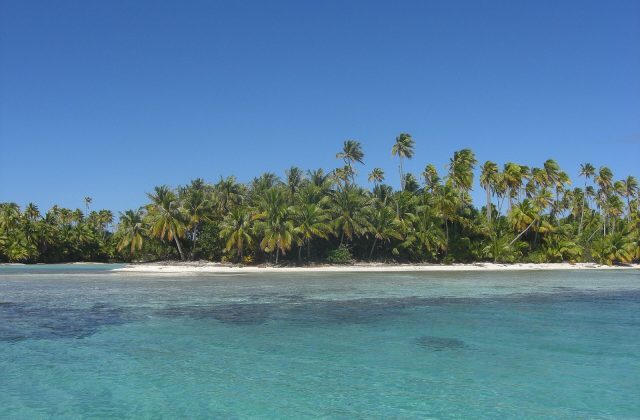
Around the rim of the atoll, small islets of coral sand tinted pink by crushed shells and red algae lie between the lagoon and the ocean. Boat trips stop on them for swimming, lunch and walks along the deserted shore. The water on the lagoon side is shallow and warm, ideal for children.
A small motu in the lagoon is a nesting site for seabirds such as brown noddies, white terns and boobies. Boats land on the beach and visitors walk carefully among the bushes where chicks sit in their nests. Keep your distance, stay on the edge and do not disturb the birds.
The atoll's only village, beside the airstrip, has a church, a school, small shops and family guesthouses along a coral road. Explore it by bike, meet the fishermen at the stone fish traps and swim at the pink-sand beaches at the edge of the village. Sunday is quiet, with church singing in the morning.
The lagoon is dotted with coral heads close to the surface, crowded with fish: parrotfish, butterflyfish, groupers and moray eels. Some can be reached from the beach near the guesthouses, others by boat. The variety of fish is the main reason Jacques Cousteau's team studied the lagoon in 1987.
Our pick for each kind of trip, with live dates and prices. Free cancellation on most.
Best for: First visit, snorkelling with rays and sharks
A guided lagoon trip that takes non-divers to see manta rays and reef sharks in clear, shallow water, usually with stops at the coral gardens.
Tikehau has a small airstrip next to the village, served by domestic flights from Papeete on Tahiti, which take about an hour; some flights stop at Rangiroa on the way. There are usually several flights a week, more in high season, and air passes that combine several islands can save money. International visitors arrive at Faa'a airport on Tahiti and connect there, often with a night in Papeete.
There is no regular passenger ferry. Supply ships that serve the Tuamotus take a few passengers on long, slow voyages from Papeete, but this is only for adventurous travellers with time. Yachts can anchor in the lagoon after entering through the pass. Guesthouses meet guests at the airstrip, often with a garland of flowers.
The village and the airstrip are on the same motu, linked by a coral road that you can walk or cycle; most guesthouses lend or rent bikes. There are no taxis and no public transport. The rest of the atoll, including the pass, the bird island and the pink-sand motu, can only be reached by boat. The resorts on separate motu run boat transfers to the airstrip, and guesthouses arrange excursions with pickup.
Tikehau is warm all year, with air temperatures around 27 to 30 degrees and the lagoon at 26 to 29 degrees. The drier season from April to November is the most pleasant, with less humidity and trade winds; July and August can be windy, which makes some boat trips choppier but does not usually stop them.
December to March is the wet and hot season, with heavy showers and a small risk of cyclones, though the Tuamotus are less often hit than other parts of the Pacific. Underwater visibility is good all year, and mantas are seen in most months.
July and August, when French holidaymakers visit, and the Christmas season are the busiest periods; with few rooms on the atoll, book ahead. Three to five nights allow one lagoon day, a few dives and time on the beach.
There are two kinds of accommodation. Family guesthouses, known as pensions, line the beaches near the village, offer half or full board with fresh fish and arrange excursions; they are the best value and the most authentic choice. A small number of resorts on their own motu offer bungalows over or near the water and more comfort, but require boat transfers. As there are few restaurants, choose accommodation that includes meals.
Tikehau, whose name is usually translated as peaceful landing, was settled by Polynesian navigators who lived from fishing and coconuts on the narrow coral rim. The first recorded European visitor was the Russian navigator Otto von Kotzebue, who named it after the explorer Krusenstern; the American Wilkes Expedition passed in 1839. Under French rule the islanders produced copra, and fishing remains important, with fish sent to the market in Papeete. In 1987 the Cousteau team found that the lagoon held more kinds of fish than anywhere else in French Polynesia, and tourism has grown slowly since.
Tikehau pairs naturally with Rangiroa, its large neighbour 12 km to the east, reached by a short flight, for more diving in the famous Tiputa pass. Fakarava, another diving atoll, is also in the Tuamotus. Most visitors combine the atolls with Tahiti, Moorea or Bora Bora, using an air pass.
Flights from Papeete in about 1 h, some via Rangiroa; no regular passenger ferry.
From Tahiti (Papeete) by air: about 1 h by air from Papeete.
3 to 5 nights.
Apr–Nov drier and less humid; Dec–Mar wetter and hotter.
Bike or walk in the village; boats to the motu and the pass.
Go if you want a quiet atoll with pink sand, superb snorkelling and diving, and simple island life. Skip it or choose Bora Bora or Moorea if you want mountains, many restaurants and a choice of activities on land.
Expensive, as in all of French Polynesia.
Pink and white coral sand on the motu, shallow lagoon water; the best are reached by boat.
Flights and rooms months ahead; dives and lagoon trips a few days ahead.
Yes. Boat trips, guided tours and day trips for Tikehau can be booked online; live prices and free cancellation on most are shown on this page.
Tuamotus, French Polynesia
Rangiroa is the largest atoll in the Tuamotus of French Polynesia, a ring of about 415 coral islets around a lagoon so…
7 tours & trips