Utila
Bay Islands, Honduras
Utila is the smallest of the three main Bay Islands of Honduras, a low island at the southern end of the Mesoamerican…
1 tour
Honduras · Caribbean Sea · Beach island
Roatán is the largest of the Bay Islands of Honduras, a thin coral ridge about 59 km long and under 8 km wide, lying 65 km off the mainland coast. The Mesoamerican Barrier Reef runs just offshore, so diving and snorkelling start a few metres from the beach, and the English-speaking west end has the best sand and most of the hotels.
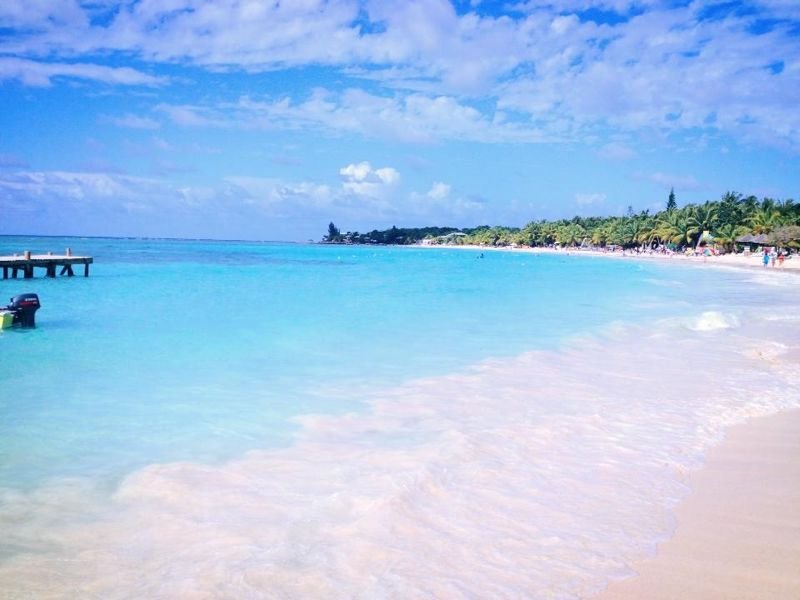
Photo: Westbrowncanada, CC BY-SA 3.0
| Getting there | Direct flights from the US and Honduran cities; passenger ferry from La Ceiba in about 1.5 h |
|---|---|
| Gateway | La Ceiba (ferry) or Roatán airport (flights) |
| Travel time | About 1.5 h by ferry or 20 min by air from La Ceiba |
| Days | A week or more |
| Best months | Feb–Aug drier and calmer; Oct–Jan rainy; Easter week busy with Hondurans |
| Getting around | Water taxis West End to West Bay; minibuses and taxis on the main road; a car for the east |
| Booking | Rooms for Easter and Christmas; cruise-day tours and dive courses a few days ahead |
| Cost | Mid-range; pricier than mainland Honduras, often in USD |
| Beaches | West Bay is the long pale-sand beach; West End and Half Moon Bay for snorkelling from shore |
| Sea | Caribbean Sea |
| Archipelago | Bay Islands |
| Area | 128 km² |
| Population | 41,831 (2013) |
| Airport | Yes, scheduled flights |
| Car-free | No |
| Checked | October 2026 |
Roatán is one of the busiest cruise stops in the western Caribbean, and most of what is sold is shaped around a ship's day in port: pickup at Mahogany Bay or Coxen Hole, four to six hours of activity and a guaranteed return before sailing.
The commonest format mixes land and sea. A minibus visits a monkey and sloth park, a chocolate or rum tasting and a viewpoint, then leaves you at West Bay for a beach break or takes you out for a short snorkel. Glass-bottom boats suit people who do not swim. Zip lines, ATV and buggy rides through the hills and horse rides along the shore are the adventure options, often sold in combinations.
Snorkelling trips visit two or three reef sites, sometimes with a shallow wreck, and include mask, fins and a guide; a beach-club day pass with lunch is the lazy alternative. East-end tours cross the mangrove channels and stop at the Garifuna village of Punta Gorda. Private drivers and fishing charters can be shaped to your own plan.
Transport and equipment are normally included; park entry, drinks and tips are often extra. If you are staying a week, book diving directly with a shop in West End or West Bay, where an open-water course takes three to four days. On a cruise day, a small combined tour with snorkelling gives the best value.
The village at the western tip is the social centre of the island: a sandy road of dive shops, bars and seafood restaurants curving round Half Moon Bay. Snorkel straight from the beach over coral at the mouth of the bay, compare dive shops along the waterfront and watch the sunset from one of the docks. Most guesthouses are within a few minutes' walk.
About 2 km south of West End, reached by water taxi or a walk along the shore, is the best beach on Roatán: a long curve of pale sand with the reef starting a few metres out. Mornings are quiet. On cruise days the middle of the beach fills by mid-morning, so walk to the southern end for space and clearer water.
The marine park protects the reef along the west and north shores, where walls drop away from shallow coral gardens into deep blue water. Divers come for walls, swim-throughs and a few deliberately sunk wrecks, and visibility is often over 20 metres. Use operators who moor on buoys and brief you on not touching the coral, and wear reef-safe sunscreen.
Between West Bay and French Harbour several small parks let you meet capuchin monkeys, sloths, macaws and iguanas at close range; they are popular with families and cruise groups, so go early. For a quieter outing, Carambola Botanical Gardens at Sandy Bay has shaded trails through tropical plants and a path climbing to a view over the reef.
An hour's drive east of West End the island turns rural. Punta Gorda on the north coast is the oldest Garifuna settlement in Honduras, where you can hear drumming and try cassava bread and fish stew. Further east, Oak Ridge has wooden houses on stilts, and boatmen take you through narrow tunnels in the mangroves.
Our pick for each kind of trip, with live dates and prices. Free cancellation on most.
Best for: First visit or a cruise day
A small group sees the island's sights by road and then goes out by boat for a snorkelling stop, so you get both land and reef in one day.
Juan Manuel Gálvez International Airport, just east of Coxen Hole, has direct flights from several US hubs such as Houston and Miami, seasonal flights from Canada, and short domestic flights from San Pedro Sula, Tegucigalpa and La Ceiba.
The passenger ferry from La Ceiba on the mainland takes about an hour and a half and normally sails twice a day in each direction. The crossing can be rough, especially in the windy months, so take seasickness tablets if you need them. Buy tickets at the dock, and allow time to get from the La Ceiba bus terminal to the port by taxi. Do not try to bring a hire car; rent one on the island. Cruise ships dock at Mahogany Bay and at Coxen Hole, both 20 to 30 minutes by road from West Bay.
One main road runs along the spine of the island from West End to Oak Ridge and beyond. Shared minibuses ply it from Coxen Hole to West End through the day for very little money; taxis are plentiful, but agree the fare first and ask whether it is per person. Between West End and West Bay, water taxis leave the docks every few minutes in daylight. To explore the east, rent a car or hire a driver for the day: the road is paved but narrow and hilly.
The drier season runs from about February to August, when the sea is calmer and visibility is at its best. March and April are the busiest months, and Easter week brings crowds from mainland Honduras, so book rooms well ahead.
The rains peak from October to January, with heavy showers and northerly winds that churn up the north shore and sometimes keep dive boats in harbour. The hurricane season runs from June to November, although direct hits are rare. The sea stays warm all year, around 27 to 29 degrees, so a thin wetsuit is enough for diving.
Check the cruise calendar before you plan beach days: when two or three ships are in, West Bay and the animal parks are crowded, while West End stays calmer. Divers usually stay a week; non-divers find four or five nights enough for the beaches and a day in the east.
West End is the best base for most people: walkable, with dive shops, budget and mid-range rooms and the liveliest evenings. West Bay has beachfront resorts and the best sand but is quieter after dark. Sandy Bay, between the two, suits divers who want a calm resort on the reef. French Harbour and the east have fewer visitors, fishing towns and a few secluded lodges on private bays. Coxen Hole has the banks and the port but little reason to sleep there.
The Pech and other indigenous peoples lived on the Bay Islands before Columbus reached neighbouring Guanaja in 1502. In the 1600s English buccaneers used the sheltered southern harbours to raid Spanish shipping, and Port Royal on the east end still carries their name. In 1797 the British shipped several thousand Garifuna from St Vincent to Roatán; they founded Punta Gorda before many moved on to the mainland. Settlers from the Cayman Islands made the island English-speaking in the 19th century, and Britain recognised Honduran rule in 1859. Today English-speaking islanders live alongside newcomers from the mainland, and tourism has replaced fishing as the main work.
Utila, the smaller and cheaper dive island, is usually reached through La Ceiba, and Guanaja, the wildest of the three Bay Islands, by small plane. La Ceiba itself is the base for rafting on the Cangrejal River and walks in Pico Bonito National Park. With more time, fly to San Pedro Sula and travel on to the Maya ruins of Copán, which need a long day each way.
Direct flights from the US and Honduran cities; passenger ferry from La Ceiba in about 1.5 h.
From La Ceiba (ferry) or Roatán airport (flights): about 1.5 h by ferry or 20 min by air from La Ceiba.
A week or more.
Feb–Aug drier and calmer; Oct–Jan rainy; Easter week busy with Hondurans.
Water taxis West End to West Bay; minibuses and taxis on the main road; a car for the east.
Go if you want affordable reef diving, easy shore snorkelling and a relaxed Caribbean beach village. Skip it or choose Utila if you want an even cheaper backpacker dive scene, or pick the Belize cayes if you want a reef without cruise ships.
Mid-range; pricier than mainland Honduras, often in USD.
West Bay is the long pale-sand beach; West End and Half Moon Bay for snorkelling from shore.
Rooms for Easter and Christmas; cruise-day tours and dive courses a few days ahead.
Yes. Boat trips, guided tours and day trips for Roatán can be booked online; live prices and free cancellation on most are shown on this page.
Bay Islands, Honduras
Utila is the smallest of the three main Bay Islands of Honduras, a low island at the southern end of the Mesoamerican…
1 tour