Maria Island
Australia
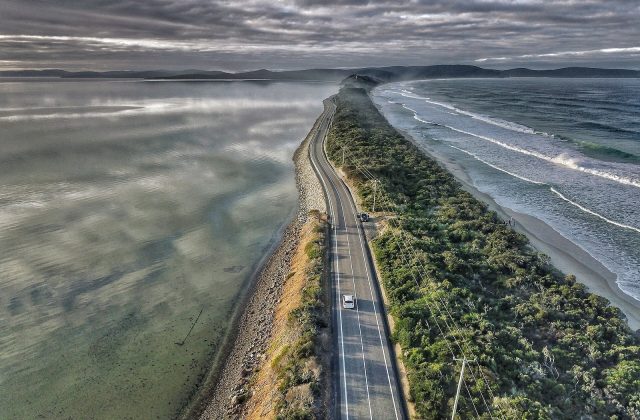
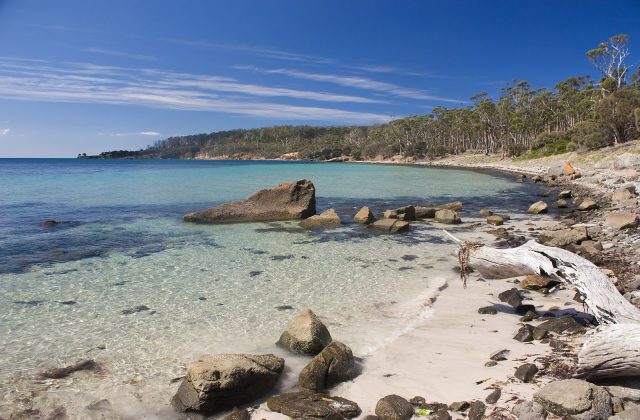
Maria Island is a mountainous national park 4 km off the east coast of Tasmania, reached by a 30-minute ferry from…
211 tours & trips
Australia · Pacific Ocean · Nature & wildlife island
Tasmania is Australia's island state, about 240 km south of the mainland across Bass Strait, with a main island of about 64,500 square kilometres and a fifth of its land protected as wilderness. It rewards a week or more with mountain walks, empty white beaches, convict history, wildlife found nowhere else and some of the country's best food and drink.
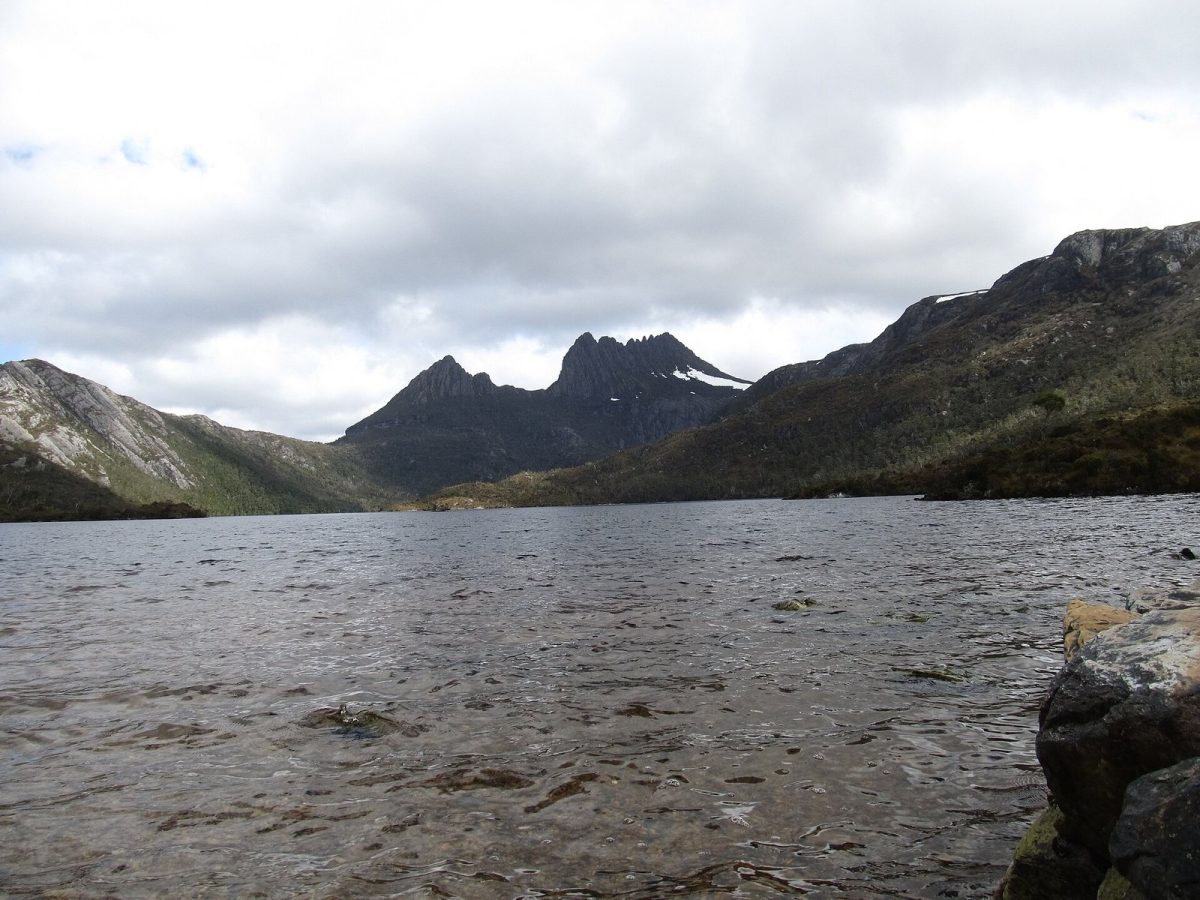
Photo: Mousehammer, CC BY-SA 4.0
| Getting there | Flights to Hobart or Launceston, about 1 h 15 min from Melbourne; overnight car ferry Geelong–Devonport |
|---|---|
| Gateway | Melbourne (flights to Hobart; ferry from Geelong) |
| Travel time | About 1 h 15 min by air or 10 to 11 h by ferry |
| Days | A week or more |
| Best months | Dec–Mar warm with long days; Mar–Apr settled; cold, wet winters Jun–Aug |
| Getting around | Rent a car; coaches link the main towns but not most national parks |
| Booking | Summer cars, ferry space and Cradle Mountain beds months ahead; Overland Track permit |
| Cost | Mid-range for Australia |
| Beaches | White sand and cold water: Wineglass Bay, the Bay of Fires and Friendly Beaches |
| Sea | Pacific Ocean |
| Area | 64,519 km² |
| Population | 539,590 (2020) |
| Highest point | 1,617 m (Mount Ossa) |
| Airport | Yes, scheduled flights |
| Car-free | No |
| UNESCO | Tasmanian Wilderness; Australian Convict Sites (Port Arthur) |
| Checked | November 2026 |
Tasmania is large and spread out, so what is sold falls into three groups: multi-day loops, day trips, and food and drink.
The multi-day tours suit travellers who do not want to drive. They run from two to ten days, almost all starting in Hobart, and loop through Cradle Mountain, the west coast, Freycinet and the east coast, or, for shorter ones, the south and Port Arthur. Small-group transport, accommodation and a guide are included; most meals and optional cruises cost extra.
From Hobart, the classic day trip goes to the Port Arthur convict site. Others drive up kunanyi/Mount Wellington, head west to Lake Pedder and the Gordon Dam, hike to Cape Hauy on the Tasman Peninsula or walk with a guide at Lake St Clair. In the north, half-day tours walk round Dove Lake below Cradle Mountain with lunch or visit a Tasmanian devil sanctuary, and from Triabunna a cruise and guided walk cover Maria Island.
Food and drink are a big draw: whisky distilleries in the Derwent Valley and around Hobart, wine and cider in the Huon Valley, chocolate and wine pairing in Richmond, and private food tours in the north-west and around Launceston. On the east coast, an evening tour at Bicheno watches little penguins come ashore.
If you can drive, hire a car and book only the penguin evening or a distillery visit; if not, a five- to seven-day loop covers the essentials.
The capital spreads around the Derwent estuary below kunanyi/Mount Wellington, whose 1,271-metre summit road gives views over the city and the coast. Spend a Saturday at Salamanca Market among the old sandstone warehouses, eat on the waterfront, and take the ferry about 25 minutes upriver to MONA, a private museum of old and new art dug into a riverside cliff.
About three hours north-east of Hobart, the pink granite peaks of the Hazards rise above Coles Bay. A steady climb of about 45 minutes leads to the lookout over the white curve of Wineglass Bay, and you can continue down to the sand and back in about three hours. Kayak trips and cruises explore the coast, and the nearby Friendly Beaches are usually empty.
In the north-west highlands, a shuttle bus runs from the visitor centre to Dove Lake, where a 6 km circuit of about two hours circles the water below the jagged peak. Wombats graze near the boardwalks at dusk. This is the northern end of the Overland Track, a walk of about 65 km over six days that needs a permit in the main season.
On the Tasman Peninsula, about 90 minutes from Hobart, the ruins of the penal settlement that held convicts from 1830 to 1877 stand among lawns and oak trees. Entry includes a guided walk and a short harbour cruise past the Isle of the Dead cemetery. Allow most of a day and stop at the sea cliffs, arches and blowholes on the drive down.
North of Freycinet the road follows a coast of white beaches and granite boulders splashed with orange lichen, finest at the Bay of Fires near St Helens. Bicheno, on the way, has a blowhole and a little penguin colony visited on evening tours. Swimming is for the brave: the water rarely reaches 20 degrees, even in February.
The second city sits at the head of the Tamar estuary, about two and a half hours north of Hobart. A short walk from the centre, Cataract Gorge has cliff paths, a chairlift and a swimming pool by the river, and the valley to the north is lined with cellar doors making cool-climate sparkling wine and pinot noir.
Our pick for each kind of trip, with live dates and prices. Free cancellation on most.
Best for: First day out of Hobart
A day trip from Hobart to the Port Arthur convict settlement on the Tasman Peninsula, the most visited historic site in the state.
Most visitors fly. Hobart and Launceston have direct flights from Melbourne of about an hour and a quarter, and from Sydney, Brisbane and other mainland cities; international travellers usually connect in Melbourne or Sydney. Car hire desks are at both airports.
The alternative is the car ferry across Bass Strait, which suits anyone who wants their own vehicle or a camper van. Large ferries sail between Geelong, near Melbourne, and Devonport on the north coast in about ten to eleven hours, overnight for most of the year with extra day sailings in summer. Cabins and vehicle space for December and January sell out months ahead. Cruise ships call at Hobart in summer and dock close to the city centre.
A car is close to essential. Distances look small on the map but the roads wind: Hobart to Launceston takes about two and a half hours, Hobart to Cradle Mountain about four and a half, and Hobart to Freycinet about three. Drive on the left, fill up when you can in the west, and avoid driving at dusk, when wallabies and wombats are on the road. Coaches link the main towns a few times a day but miss most trailheads. A parks pass is needed for every national park.
December to March is the main season: Hobart afternoons are in the low 20s, days are long, and walking tracks, beaches and festivals are at their best. The Sydney to Hobart yacht race arrives just after Christmas and the city stays busy into January, when Australian school holidays fill hotels and campsites. The sea stays cold, around 15 to 19 degrees.
March and April are often the most settled months, with calm weather and fewer people, and in late April the native deciduous beech turns gold in the highlands.
Winter, from June to August, is cold and wet, with snow on the mountains and short days, though Hobart's midwinter arts festival and empty roads have their own appeal. Weather changes fast in every season, so carry warm layers even in summer.
A week covers Hobart, Port Arthur, Freycinet and Cradle Mountain; two weeks let you add the west coast.
Plan two or three bases rather than moving every night. Hobart, around Salamanca and Battery Point, is the obvious start for the south, Port Arthur and Bruny Island. Coles Bay or Swansea suit the east coast and Freycinet, with Bicheno as a cheaper choice. In the north, Launceston gives city comforts and the Tamar wineries, while lodges and cabins near the park entrance at Cradle Mountain let you walk early. Strahan is the base for the remote west coast and its river cruises.
Aboriginal Tasmanians lived here for at least 35,000 years and were cut off from the mainland when rising seas formed Bass Strait about 12,000 years ago. Abel Tasman sighted the island in 1642 and named it Van Diemen's Land; the British settled it in 1803 as a penal colony, and tens of thousands of convicts were shipped here, many to Port Arthur and the island prison of Macquarie Harbour on the west coast. The Aboriginal population was devastated by violence and disease in the decades that followed. The name Tasmania was adopted in 1856. Today the Tasmanian Wilderness and the old convict sites are both on the World Heritage list.
Within Tasmania, Bruny Island, reached by a short car ferry south of Hobart, and Maria Island, a car-free national park reached by ferry from Triabunna, make excellent side trips of a day or two. Most visitors pair Tasmania with Melbourne, about an hour's flight away, or with the Great Ocean Road west of Geelong before or after the overnight ferry.
Flights to Hobart or Launceston, about 1 h 15 min from Melbourne; overnight car ferry Geelong–Devonport.
From Melbourne (flights to Hobart; ferry from Geelong): about 1 h 15 min by air or 10 to 11 h by ferry.
A week or more.
Dec–Mar warm with long days; Mar–Apr settled; cold, wet winters Jun–Aug.
Rent a car; coaches link the main towns but not most national parks.
Go for wilderness walks, wildlife, convict history and excellent food on a road trip of a week. Skip it or choose the Queensland islands if you want warm sea and tropical beaches, or if you have only two days and dislike driving.
Mid-range for Australia.
White sand and cold water: Wineglass Bay, the Bay of Fires and Friendly Beaches.
Summer cars, ferry space and Cradle Mountain beds months ahead; Overland Track permit.
Yes. Boat trips, guided tours and day trips for Tasmania can be booked online; live prices and free cancellation on most are shown on this page.
Australia
Maria Island is a mountainous national park 4 km off the east coast of Tasmania, reached by a 30-minute ferry from…
211 tours & trips
Australia
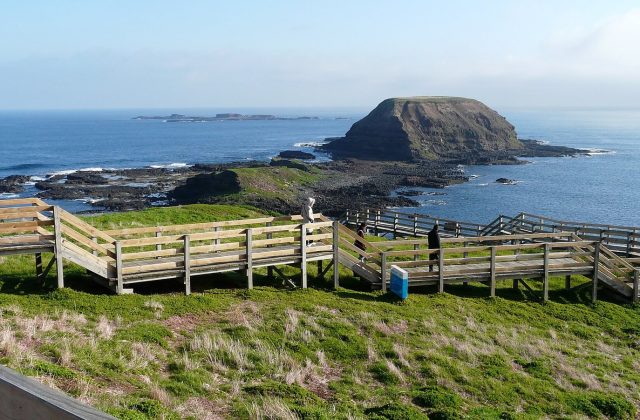
Phillip Island is a low, farm-covered island about 125 km south-east of Melbourne, joined to the mainland by a bridge…
45 tours & trips
Australia
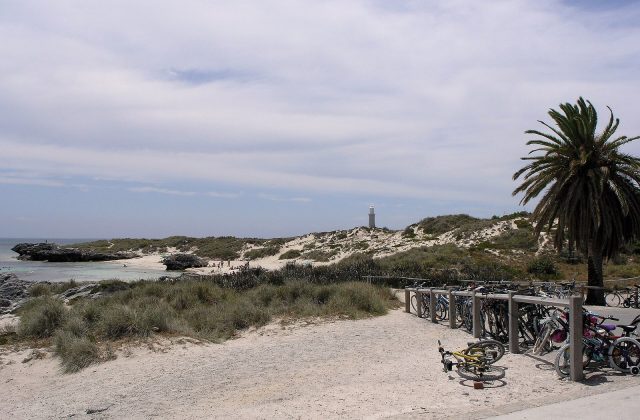
Rottnest Island is a low, sandy, car-free reserve 18 km off Fremantle, with turquoise bays, salt lakes and the small…
33 tours & trips
Australia
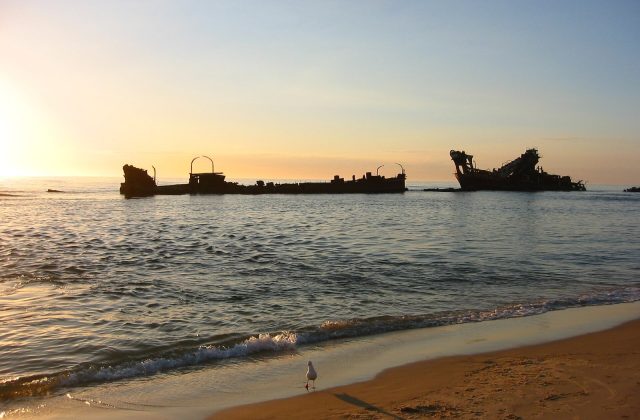
Moreton Island is a sand island of high dunes and long beaches on the eastern edge of Moreton Bay, about 58 km…
24 tours & trips
Australia
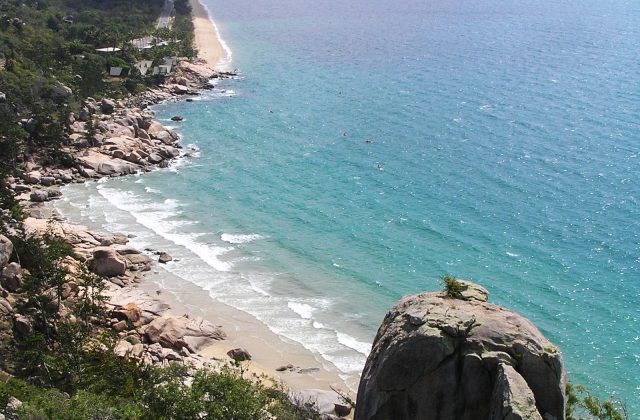
Magnetic Island lies 8 km off Townsville in tropical north Queensland, a granite island of about 52 square kilometres,…
23 tours & trips
Australia
Bruny Island lies just south of Hobart across the D'Entrecasteaux Channel, two halves joined by a thin sandy neck,…
18 tours & trips