Cook Islands
265 km away
The Cook Islands are a self-governing Polynesian nation of 15 islands scattered across a vast area of the South…
195 tours & trips
Cook Islands · Pacific Ocean · Beach island
Aitutaki is an almost-atoll in the Cook Islands: a low, green main island of about 18 square kilometres beside a vast turquoise lagoon dotted with fifteen islets. It is a 50-minute flight from Rarotonga, and the lagoon cruise to One Foot Island is one of the classic days in the South Pacific.
| Getting there | About 50-min flight from Rarotonga, several times a day; no passenger ferry |
|---|---|
| Gateway | Rarotonga (Air Rarotonga flight) |
| Travel time | About 50 min by air |
| Days | 3 to 5 nights |
| Best months | May–Oct dry, sunny and less humid; Nov–Apr hot, wetter, cyclone risk |
| Getting around | Rent a scooter, bike or car for the one coastal road; lagoon by boat |
| Booking | Flights and lagoon resorts months ahead for Jun–Sep; lagoon cruises a day or two ahead |
| Cost | Expensive, even for the Cook Islands |
| Beaches | White sand on the lagoon islets, One Foot and Honeymoon islands; shallow shores on the main island |
| Sea | Pacific Ocean |
| Area | 18 km² |
| Highest point | 123 m (Maunga Pu) |
| Airport | Yes, scheduled flights |
| Car-free | No |
| Checked | October 2026 |
Nothing is sold online through the big tour sites for Aitutaki alone. Visits are arranged with the local airline, your accommodation or the lagoon operators on the island.
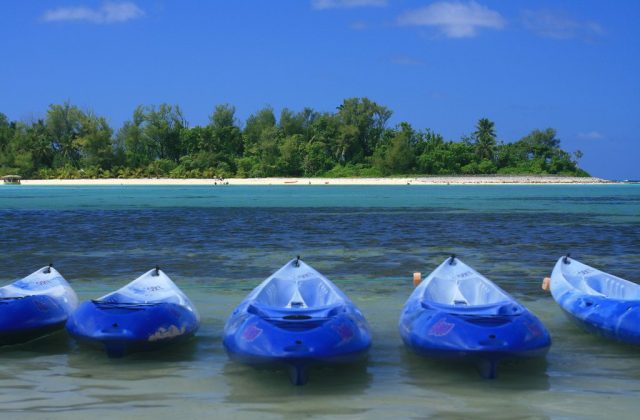
The main event is the lagoon cruise. Boats leave from the main island for a full day, usually stopping to snorkel among giant clams and reef fish, visiting islets such as Akaiami and Moturakau, and ending at One Foot Island with lunch on board or on the beach. Snorkel gear and lunch are normally included; ask about shade if you burn easily. Some boats are large and lively, with music and a crowd; others take a few people in a small boat. Private charters, kitesurfing lessons on the lagoon, bonefishing with a guide and scuba dives outside the reef are also offered locally.
From Rarotonga, the airline sells day trips that combine the return flight, a lagoon cruise and transfers, useful if you have only one spare day. But Aitutaki is best slowly. The plain recommendation: stay at least three nights, choose a small-boat lagoon cruise for the second day, and spend the rest swimming and cycling.
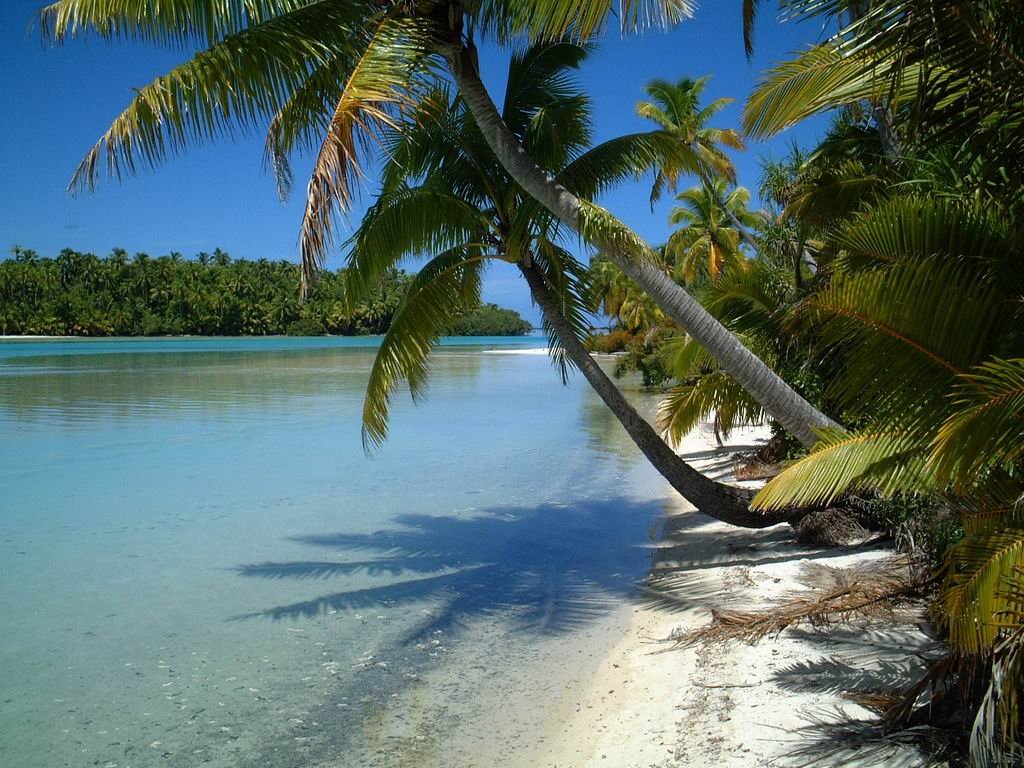
The lagoon covers more than 50 square kilometres, with water in every shade of blue. One Foot Island, or Tapuaetai, on its south-east edge, has a long white sandbar, shallow wading and a tiny post office where visitors get their passport stamped. Most lagoon cruises end here; walk across the sandbar at low tide.
Several sites in the lagoon have giant clams, some over a metre long, with mantles in blue, green and purple, alongside trevally and reef fish. A clam nursery helps restock the lagoon. Visibility is excellent; float gently, do not stand on corals, and use reef-safe sunscreen.
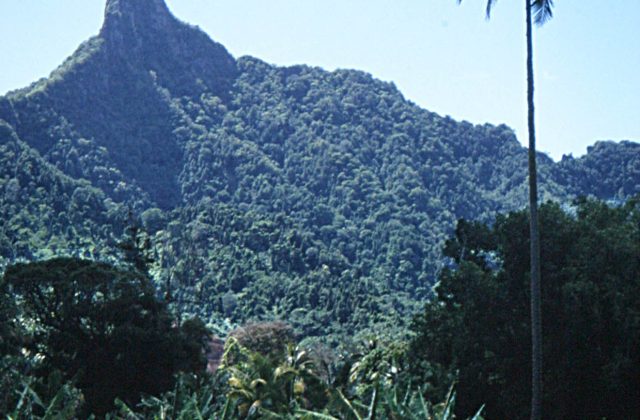
A short, steep climb leads to the top of the island's highest hill at about 123 metres, near the northern end. From the summit you see the whole lagoon, the outer reef and the islets laid out below. Allow about half an hour up from the road, and go early in the morning or near sunset to avoid the heat.
The main village on the west side has the wharf, shops and a coral-limestone church built in the early nineteenth century, the oldest in the Cook Islands. Attend a Sunday service to hear the singing, dressed modestly. Island nights at local resorts feature drumming, dance and a buffet.
Akaiami, on the eastern rim, was a refuelling stop for flying boats in the 1950s, and its shallow lagoon is perfect for swimming. Honeymoon Island, a sandbar with a few trees, is popular for kitesurfing when the trade wind blows. Both are reached only by boat.
Aitutaki is reached by air. Small planes fly from Rarotonga to the airport at the north end of the island in about 50 minutes, several times a day, and seats are limited, so book well ahead for June to September. Rarotonga itself has international flights from New Zealand, Australia, Tahiti and a few further destinations. There is no regular passenger ferry; cargo ships call irregularly and are not a practical option. Day trips from Rarotonga leave early in the morning and return in the evening, combining the flight with a lagoon cruise. Accommodation usually meets arriving flights, so arrange transfers when you book.
A single road circles most of the main island, and traffic is light. Scooters, bicycles and small cars are available to rent from accommodation and shops in Arutanga; bring or arrange a licence, and wear a helmet. Cycling is easy on the flat coastal sections. There is little public transport, though some resorts run shuttles. The lagoon islets are reached only by boat, on a cruise or a private charter.
The dry season from May to October is the most popular time, with sunny days around 25 to 27 degrees, lower humidity and steady trade winds that are good for kitesurfing. June to September coincides with New Zealand and Australian school holidays, so flights and resorts fill and prices rise. Humpback whales pass outside the reef from about July to October.
From November to April the weather is hotter and wetter, with short tropical downpours and the risk of a cyclone, mostly between January and March. The lagoon stays warm all year, around 26 to 29 degrees. Sunday is a quiet day of church, and many businesses close. The national Te Maeva Nui festival in late July and early August celebrates self-government with dancing and music. Three nights allow a lagoon cruise and a relaxed day; five are better.
The west coast around Arutanga and Amuri is the main area, with guesthouses and small resorts facing the sunset, shops close at hand. The south and the Ootu Peninsula in the east have lagoon-front resorts and quieter beaches near the main departure points for lagoon tours. One upmarket resort sits on its own small islet just off the main island. Budget options exist, but rooms are limited, so book early.
Polynesian voyagers settled Aitutaki many centuries ago, and its traditional names recall their arrival. Captain Bligh sighted the island on the Bounty in 1789, shortly before the famous mutiny. Christian missionaries arrived in 1821, making Aitutaki the first of the Cook Islands to convert, and the stone church in Arutanga dates from soon after. In the Second World War American forces built the long airstrip, and in the 1950s flying boats on the Coral Route landed in the lagoon at Akaiami. Tourism is now the main income.
Aitutaki is almost always combined with Rarotonga, the main island of the Cook Islands, with mountain hikes, markets and restaurants, 50 minutes away by air. A few travellers add Atiu, known for its caves and birds, reached by flights from Rarotonga. Tahiti and French Polynesia are a short international flight from Rarotonga.
265 km away
The Cook Islands are a self-governing Polynesian nation of 15 islands scattered across a vast area of the South…
195 tours & trips
265 km away
Rarotonga is the main island of the Cook Islands, a ring of green volcanic peaks rising to 652 metres inside a…
4 tours & trips
About 50-min flight from Rarotonga, several times a day; no passenger ferry.
From Rarotonga (Air Rarotonga flight): about 50 min by air.
3 to 5 nights.
May–Oct dry, sunny and less humid; Nov–Apr hot, wetter, cyclone risk.
Rent a scooter, bike or car for the one coastal road; lagoon by boat.
Go if you want a calm turquoise lagoon, sandbar islets and snorkelling with giant clams in a quiet, friendly setting. Skip it or stay on Rarotonga if you want hiking, nightlife, lower prices or more choice of restaurants.
Expensive, even for the Cook Islands.
White sand on the lagoon islets, One Foot and Honeymoon islands; shallow shores on the main island.
Flights and lagoon resorts months ahead for Jun–Sep; lagoon cruises a day or two ahead.
Cook Islands
The Cook Islands are a self-governing Polynesian nation of 15 islands scattered across a vast area of the South…
195 tours & trips
Cook Islands
Rarotonga is the main island of the Cook Islands, a ring of green volcanic peaks rising to 652 metres inside a…
4 tours & trips