Santorini
Cyclades, Greece
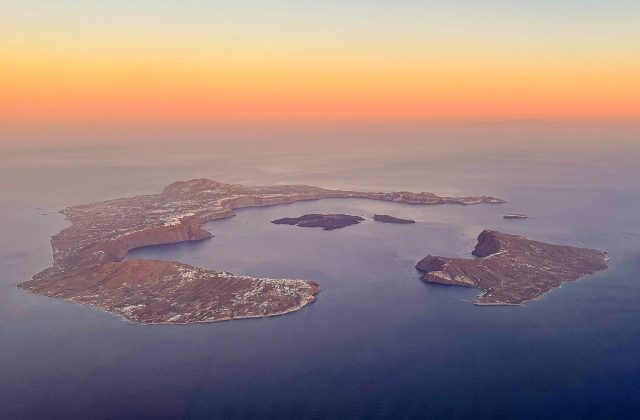
Santorini is the ring of a drowned volcano in the southern Cyclades: white villages along a 300-metre cliff, black-sand…
772 tours & trips
Greece · Aegean Sea · Nature & wildlife island
Amorgos is the easternmost of the Cyclades, a long, mountainous island of about 120 square kilometres whose most famous sight is a white monastery built into a sheer cliff above the sea. With old mule paths between villages, very clear water and no airport, it attracts walkers, divers and people who want a slower Greek island.
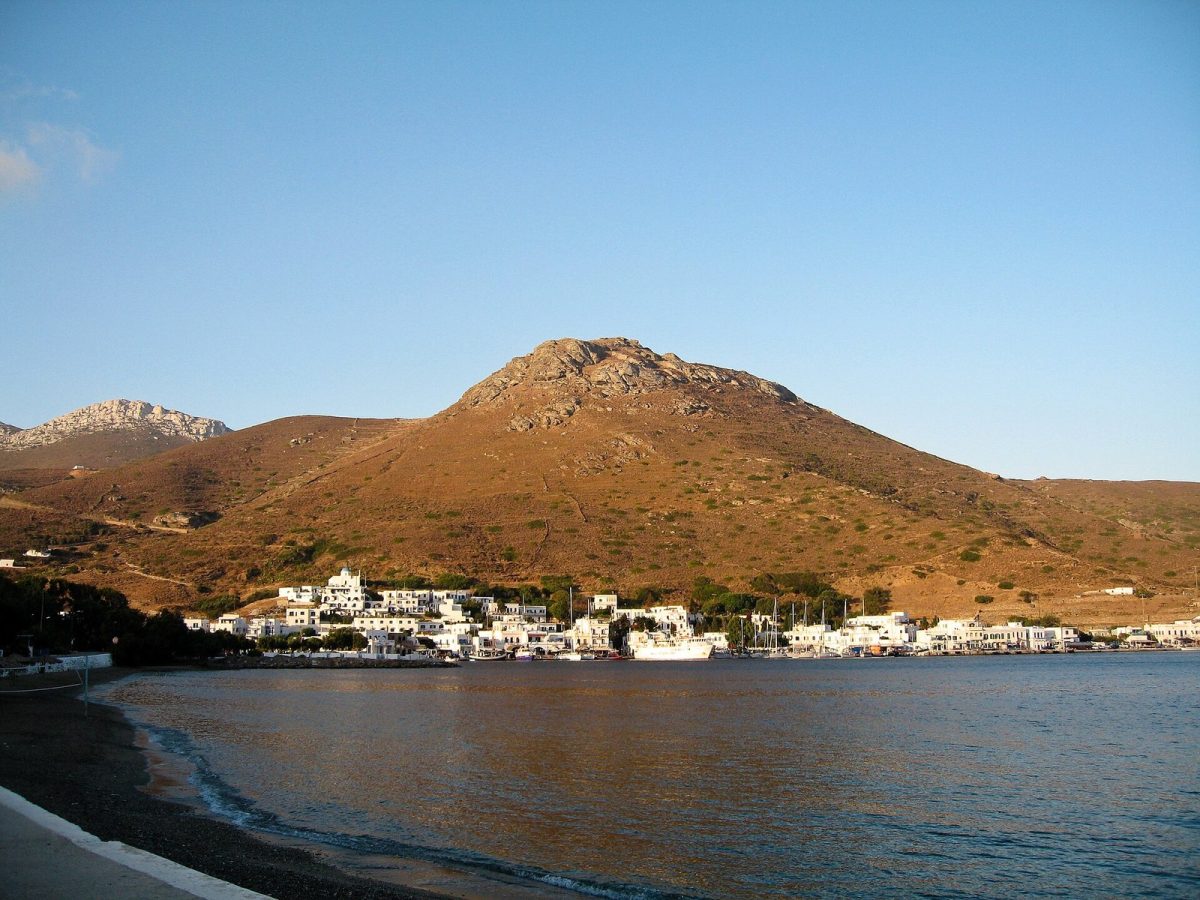
Photo: Oliwan, CC BY-SA 3.0
| Getting there | Ferry from Piraeus in 5 to 9 h; local boats and fast ferries from Naxos in 1.5 to 3 h |
|---|---|
| Gateway | Athens (Piraeus) or Naxos |
| Travel time | 5 to 9 h by ferry from Piraeus |
| Days | 3 to 5 nights |
| Best months | May–June and Sep–Oct; strong meltemi winds in August |
| Getting around | Buses link Katapola, Chora, Aegiali and the monastery; rent a car or scooter for the coves |
| Booking | Summer ferries and August rooms weeks ahead; hikes and boat trips a day or two before |
| Cost | Mid-range for Greece |
| Beaches | Mostly pebble coves with very clear water; Aegiali has the long sandy beach, Agia Anna the views |
| Sea | Aegean Sea |
| Archipelago | Cyclades |
| Area | 126 km² |
| Population | 1,961 (2021) |
| Airport | No |
| Car-free | No |
| Checked | October 2026 |
Amorgos does not sell big boat excursions like Santorini or Mykonos; what is offered is small-scale and run by local people.
Walking is the main theme. Guided hikes follow the old stone paths: from Chora to the cliff monastery, along the ridge of Mount Krikelas above the north, or between the villages around Aegiali Bay, often with lunch in a taverna. The paths are signposted, so confident walkers can also go alone with a local map.
The sea is the second theme. Diving centres in Aegiali and Katapola run introductory dives, full courses and freediving lessons in water known for its visibility. Snorkelling trips and private RIB boats visit coves and the uninhabited islet of Nikouria, which you cannot easily reach by road.
There are also food experiences: wine tastings, cooking and pastry classes in Tholaria, a food walk in Langada, a Greek dance class and a tour of the dry-stone terraces. Most include a host and tastings; transport to the start is usually up to you.
Our advice: walk to the monastery yourself or with a guide, take one boat day, and book a dive if you have never tried it.
Founded in the eleventh century, the monastery is a narrow white wall wedged into a cliff about 300 metres above the sea, below Chora. Climb the steps in the morning, when it is open and cooler; long trousers or skirts and covered shoulders are required. The monks offer visitors a glass of local liqueur and a sweet.
The capital sits inland on a saddle, its white lanes climbing to a rock topped by a small Venetian castle and lined with windmills on the ridge. It is the liveliest place in the evening, with cafes and tavernas around tiny squares. A path of about an hour leads from here down to the monastery and the beach of Agia Anna.
The northern port has the island's only long sandy beach and a laid-back scene of cafes and small hotels. Walk up the old paths to the hill villages of Tholaria and Langada, each with tavernas and views over the bay, and back in a loop of about three hours. The light in the late afternoon is best.
Below the monastery, steps lead down to the small rocky coves of Agia Anna, where the water is deep and astonishingly blue. Further south, the pebble beach of Mouros has sea caves, and at Kalotaritissa a rusting shipwreck in the bay is famous from a French film about freediving. A car or scooter makes this easy.
The highest mountain on the island rises above Aegiali at over 800 metres. A marked path follows the ridge with views over the sea on both sides and, on clear days, to the Dodecanese. Allow most of a day, carry plenty of water and avoid days of strong meltemi, when the wind on top is fierce.
The main port lies in a deep, sheltered bay with fish tavernas along the quay and small beaches within walking distance. A steep climb of about 45 minutes leads to the ruins of ancient Minoa on the hill above, one of the island's three ancient cities, with walls, a gymnasium and fine views of the harbour.
Our pick for each kind of trip, with live dates and prices. Free cancellation on most.
Best for: First visit, the monastery on foot
A guided walk on the old stone path from Chora down to the cliff monastery, with background on the island and its religious life.
Amorgos has no airport, so everyone arrives by sea. There are two ports, Katapola in the middle of the island and Aegiali in the north; most ferries call at both, so choose the one nearer your room.
From Piraeus, conventional ferries take around seven to nine hours, usually via Paros and Naxos, and high-speed boats in summer take five to six. From Naxos, the nearest island with an airport, crossings take from one and a half to three hours, including a small local ferry that also serves the Small Cyclades. In summer fast boats link Santorini and other Cyclades. In winter there are fewer sailings and the meltemi or winter storms can cancel them.
You can bring a car on the large ferries, but rentals on the island are cheaper overall.
A single main road runs along the spine of the island from the south to Aegiali, with steep side roads down to the coves. Local buses link Katapola, Chora, the monastery and Aegiali several times a day in summer, with fewer runs in spring and autumn. Rent a car or scooter for the south coast beaches. Taxis are few. Old stone paths connect almost every village, and walking them is one of the main pleasures of the island.
May, June, September and early October are the best months: warm and sunny, ideal for walking, with the sea warm enough from June. Spring brings wild flowers and green hillsides, while autumn has the warmest water.
July and August are hotter and busier, and August is often windy: the meltemi from the north can blow for days, making swimming on exposed beaches difficult and occasionally stopping small boats. Mid-August, around the feast of the Virgin Mary on the 15th, is the busiest week, with celebrations in the villages.
From November to April most hotels and tavernas close and ferries are fewer, though Chora stays alive with islanders. For hiking, April and October are the most comfortable. Plan three to five nights to walk a couple of paths and see both ends.
Choose between three bases. Katapola, the main port, has the most rooms and tavernas and buses in all directions. Chora, inland, is the most atmospheric, with evening life and paths to the monastery, but you need transport for the beach. Aegiali in the north has the sandy beach, the hill villages and the best walking, and suits a longer, slower stay. Many visitors split their time between the south and the north.
Amorgos has been inhabited since the early Bronze Age, and some of the finest early Cycladic marble figurines came from here. In ancient times it had three independent cities, Arkesini, Minoa and Aegiali, whose ruins can still be visited. The Byzantine emperor founded the cliff monastery, and the Venetians later built the castle in Chora. The island stayed poor, isolated and agricultural into the twentieth century, which is why the terraces and paths survive. Tourism grew after a 1988 film was shot here.
Naxos, the largest Cycladic island, is one and a half to three hours away and has an airport. The Small Cyclades of Koufonisia, Schinoussa and Donousa lie between the two and are served by the local ferry. Santorini is about two hours by fast boat in summer. A good route is Naxos, Koufonisia, then Amorgos.
Ferry from Piraeus in 5 to 9 h; local boats and fast ferries from Naxos in 1.5 to 3 h.
From Athens (Piraeus) or Naxos: 5 to 9 h by ferry from Piraeus.
3 to 5 nights.
May–June and Sep–Oct; strong meltemi winds in August.
Buses link Katapola, Chora, Aegiali and the monastery; rent a car or scooter for the coves.
Go if you want to hike between whitewashed villages, swim in deep blue coves and see a cliff monastery. Skip it or choose Naxos or Paros if you want long sandy beaches, nightlife or a short and easy ferry ride.
Mid-range for Greece.
Mostly pebble coves with very clear water; Aegiali has the long sandy beach, Agia Anna the views.
Summer ferries and August rooms weeks ahead; hikes and boat trips a day or two before.
Yes. Boat trips, guided tours and day trips for Amorgos can be booked online; live prices and free cancellation on most are shown on this page.
Cyclades, Greece
Santorini is the ring of a drowned volcano in the southern Cyclades: white villages along a 300-metre cliff, black-sand…
772 tours & trips
Cyclades, Greece
Mykonos is a small, dry and windy island in the central Cyclades, about 85 square kilometres of brown hills ringed by…
294 tours & trips
Cyclades, Greece
Naxos is the largest and greenest of the Cyclades, 428 square kilometres of long sandy beaches, marble villages and…
208 tours & trips
Cyclades, Greece
Paros sits at the heart of the Cyclades, about 150 km south-east of Piraeus and a short hop from Naxos and Mykonos, a…
138 tours & trips
Cyclades, Greece
Milos is a volcanic island at the south-western edge of the Cyclades, wrapped round a large flooded caldera that forms…
122 tours & trips
Cyclades, Greece
Antiparos is a small, relaxed island in the Cyclades, separated from Paros by a channel less than two kilometres wide…
38 tours & trips