Santorini
Cyclades, Greece
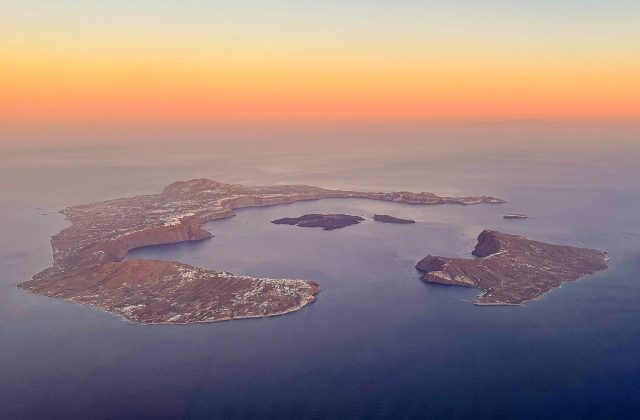
Santorini is the ring of a drowned volcano in the southern Cyclades: white villages along a 300-metre cliff, black-sand…
772 tours & trips
Greece · Mediterranean Sea · Beach island
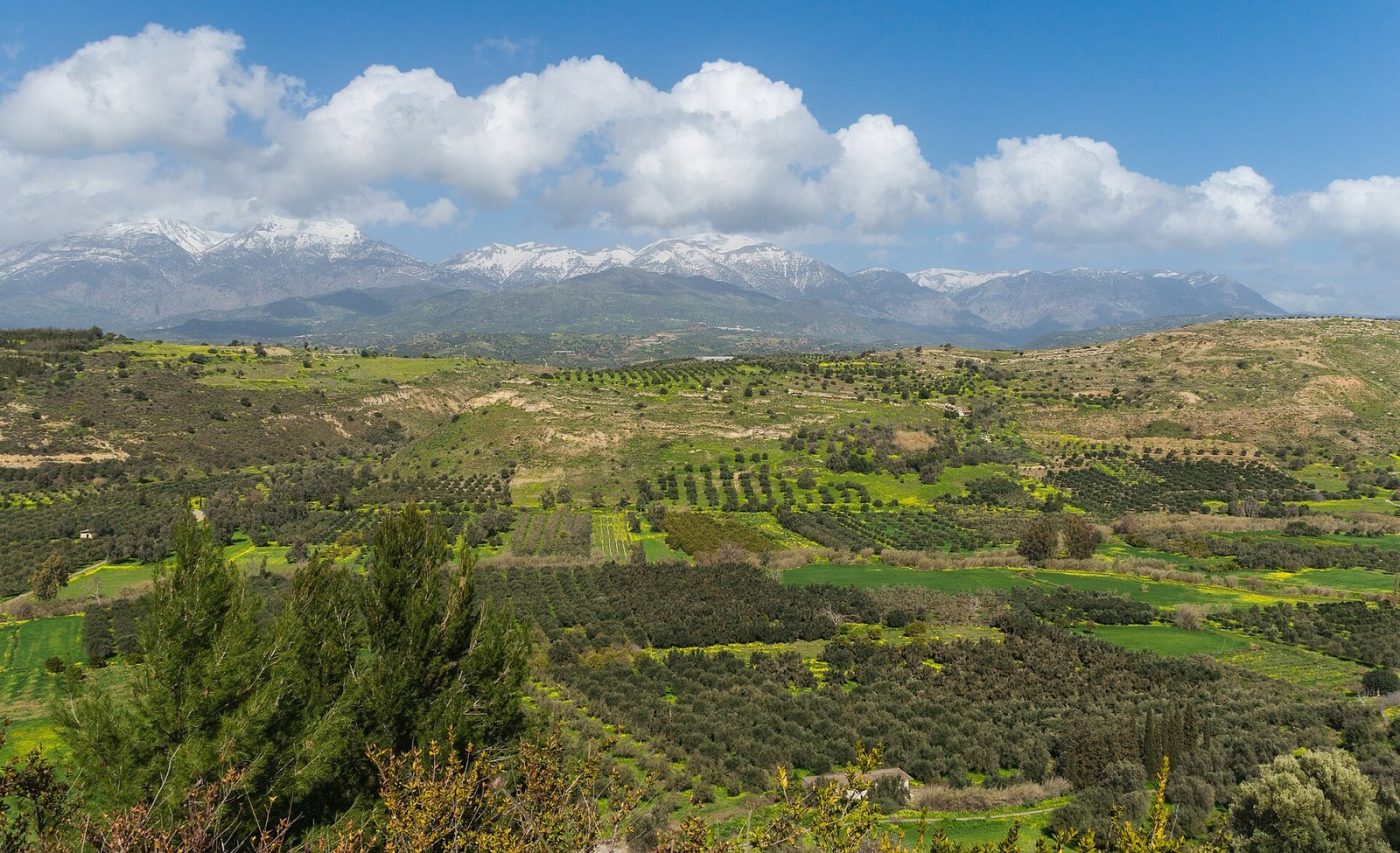
Crete is the largest Greek island, about 260 km long, with mountains over 2,400 metres, gorges running down to the Libyan Sea and the Minoan palace of Knossos. It has enough beaches, Venetian harbour towns, villages and walks for a week or more, and its food and wine are among the best reasons to come.
| Getting there | Flights to Heraklion or Chania from Athens (50 min) and Europe; overnight ferries from Piraeus |
|---|---|
| Gateway | Heraklion or Chania; Athens (Piraeus) by ferry |
| Travel time | 50 min by air from Athens or 8 to 9 h by ferry |
| Days | A week or more |
| Best months | May–June and Sep–Oct; Jul–Aug hot, windy and crowded; Samaria open May–Oct |
| Getting around | Rent a car; buses link the north-coast towns; boats serve the south-coast villages |
| Booking | Car hire and rooms for Jul–Aug early; Knossos tickets and Balos boats a day or two ahead |
| Cost | Mid-range; cheaper than the Cyclades |
| Beaches | Pink-tinged sand at Elafonisi, the Balos lagoon, palm-backed Vai and Preveli; long Falasarna |
| Sea | Mediterranean Sea |
| Area | 8,450 km² |
| Population | 624,408 (2021) |
| Highest point | 2,456 m (Mount Ida (Psiloritis)) |
| Airport | Yes, scheduled flights |
| Car-free | No |
| UNESCO | Minoan Palatial Centres |
| Checked | October 2026 |
Crete is too big to see from one base, so its tours mostly solve distance: a coach picks you up along the north coast and drives you to something two or three hours away.
The most popular are full-day trips to the west: the Balos lagoon and the island of Gramvousa, usually by bus to Kissamos and then by large boat, or Elafonisi with its pink-tinged sand. The Samaria Gorge day is the other classic: a bus before dawn to the top, a 16 km walk down at your own pace, a ferry along the south coast and a bus back. The gorge entry fee and the ferry are often extra, and you need good shoes and fitness.
In the east, day trips combine Agios Nikolaos, Elounda and a boat to the former leper island of Spinalonga. Knossos is sold as a guided visit with timed entry, often combined with the archaeological museum in Heraklion; a guide brings the ruins to life and is worth the cost.
Jeep safaris to the Lasithi plateau or the south coast, cooking classes in villages, wine and olive oil tastings, horse riding and diving fill the rest. If you have a car, book only Knossos with a guide and the Samaria Gorge bus.
The largest Minoan palace, 5 km south of Heraklion, was the centre of a Bronze Age civilisation. Its partly rebuilt walls and painted columns are debated reconstructions from the early 20th century, but they make the plan readable. Go at opening time, hire a guide, and see the original frescoes and finds in the Heraklion Archaeological Museum.
The old town of Chania wraps around a harbour of Venetian arsenals, a lighthouse and a domed mosque from the Ottoman period. Wander the lanes of the old Jewish and Turkish quarters, eat in the backstreets rather than on the waterfront, and walk the breakwater to the lighthouse at sunset. Chania is the best base for the west, with Balos and Samaria within reach.
The gorge runs 16 km from the Omalos plateau down to the Libyan Sea at Agia Roumeli, narrowing at the Iron Gates to a few metres between walls hundreds of metres high. It takes five to seven hours on a rocky downhill path and closes on days of storm or extreme heat. From Agia Roumeli, ferries continue to Sfakia or Sougia for the bus.
At the north-west tip, a shallow lagoon of turquoise water and white sand lies between the Gramvousa peninsula and a rocky cape. Boats from Kissamos stop first at Gramvousa island, where a path climbs to a Venetian fortress, then at Balos; by road, a rough track and a steep walk lead down from the car park. Elafonisi, further south, is similar but sandier.
In the east, the small fortified island of Spinalonga guarded the Gulf of Elounda for the Venetians and from 1903 to 1957 was Greece's leper colony. Boats cross in a few minutes from Plaka, or make longer trips from Elounda and Agios Nikolaos. The village houses and the walk around the walls take about an hour, and Plaka has fish tavernas facing it.
The Libyan Sea coast is wilder and hotter than the north. At Preveli a river runs through a palm grove to a sandy beach below a monastery, and further west villages such as Loutro, reached only by boat or on foot, and Paleochora suit a slow few days. Further east, the sandstone caves of Matala were Roman tombs long before hippies lived in them.
Our pick for each kind of trip, with live dates and prices. Free cancellation on most.
Best for: First visit: Knossos with a guide
A guided visit to the Minoan palace together with the museum and old town of Heraklion, the clearest way to understand the ruins and their frescoes in one morning.
Most visitors fly. Heraklion airport, on the edge of the city, and Chania airport, on the Akrotiri peninsula, have flights of about 50 minutes from Athens all year and direct flights from much of Europe from April to October; a small airport at Sitia serves the far east. Choose the airport nearest the part of the island you plan to explore, as the drive between the two takes about two and a half hours.
Ferries from Piraeus run nightly to Heraklion and to Souda, the port of Chania, taking about eight to nine hours with cabins or seats. In summer, fast boats link Heraklion with Santorini in about two hours and with other Cyclades, and smaller ferries sail from Kissamos to Kythira and the Peloponnese. Cruise ships call at Heraklion and Souda.
A car is close to essential, because the best beaches, gorges and villages are away from the main road. The northern highway links Chania, Rethymno, Heraklion and Agios Nikolaos; it is fast but has a poor safety record, so drive defensively. Roads across the mountains to the south are slow and winding. Long-distance buses run often along the north coast and reach the main southern villages once or twice a day, and ferries link the south-west villages that have no road.
The best months are May, June, September and early October: a warm sea, open gorges, wild flowers in spring and the grape harvest in autumn. July and August are hot, often over 35 degrees inland, and the meltemi wind blows hard on the north coast while the resorts and roads are at their busiest. The sea is warmest from August to October, around 25 degrees.
The Samaria Gorge usually opens in May and closes in late October. From November to March many coastal hotels and tavernas shut, though the cities stay lively, the mountains get snow and rain falls mostly in the west. Greek Easter is the biggest festival of the year, with candlelit processions in every village. Give the island at least a week, and two to see both west and east.
Pick a base for each half of the island rather than one for everything. Chania is the most attractive town and the best for the west, with beaches, Samaria and Balos within reach. Rethymno, with its Venetian old town and long beach, sits in the middle. Heraklion is practical for Knossos and the airport but less charming. Agios Nikolaos and Elounda suit the east and upmarket stays, while Hersonissos and Malia are party resorts. For quiet, choose Plakias, Paleochora or Loutro on the south coast.
Crete was the home of the Minoans, Europe's first great palace civilisation, who built Knossos, Phaistos and Malia around 2000 BC and traded across the eastern Mediterranean. Romans, Byzantines and a short-lived Arab emirate followed, then more than four centuries of Venetian rule, which left the harbours of Chania and Rethymno and the walls of Heraklion. The Ottomans took the island after a 21-year siege of Heraklion that ended in 1669. Crete joined Greece in 1913, and in 1941 German paratroopers invaded in the Battle of Crete, meeting fierce local resistance.
Santorini is about two hours away by fast boat from Heraklion in summer, so a classic route is Athens, Santorini and then Crete, flying home from Heraklion or Chania. Athens is 50 minutes away by air or a night by ferry. Kythira and the Peloponnese can be reached from Kissamos, and in summer fast boats continue from Santorini to Ios, Naxos and Mykonos.
Flights to Heraklion or Chania from Athens (50 min) and Europe; overnight ferries from Piraeus.
From Heraklion or Chania; Athens (Piraeus) by ferry: 50 min by air from Athens or 8 to 9 h by ferry.
A week or more.
May–June and Sep–Oct; Jul–Aug hot, windy and crowded; Samaria open May–Oct.
Rent a car; buses link the north-coast towns; boats serve the south-coast villages.
Go if you want beaches, Minoan sites, gorges and village food on an island worth a fortnight. Skip it or choose a smaller Cycladic island such as Naxos if you want everything within a short bus ride and no long drives.
Mid-range; cheaper than the Cyclades.
Pink-tinged sand at Elafonisi, the Balos lagoon, palm-backed Vai and Preveli; long Falasarna.
Car hire and rooms for Jul–Aug early; Knossos tickets and Balos boats a day or two ahead.
Yes. Boat trips, guided tours and day trips for Crete can be booked online; live prices and free cancellation on most are shown on this page.
Cyclades, Greece
Santorini is the ring of a drowned volcano in the southern Cyclades: white villages along a 300-metre cliff, black-sand…
772 tours & trips
Dodecanese, Greece
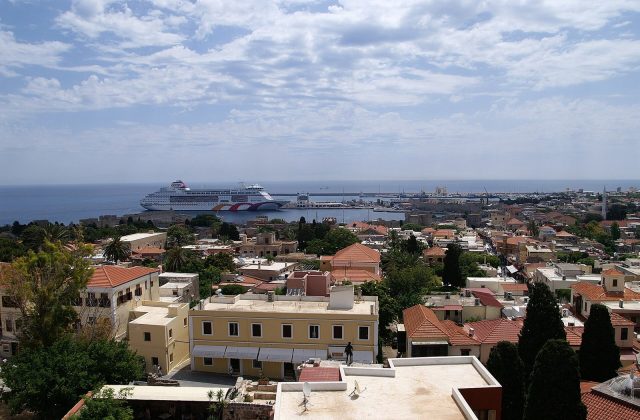
Rhodes is the largest of the Dodecanese islands, about 1,400 square kilometres close to the Turkish coast, with a…
371 tours & trips
Ionian Islands, Greece
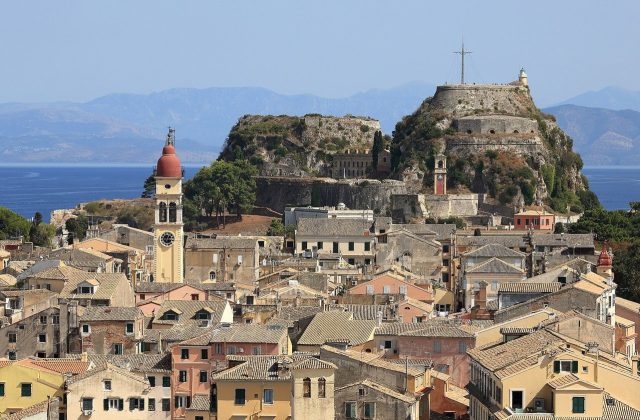
Corfu is the greenest of the Greek islands and the northernmost of the Ionian group, about 60 km long and just off the…
333 tours & trips
Cyclades, Greece
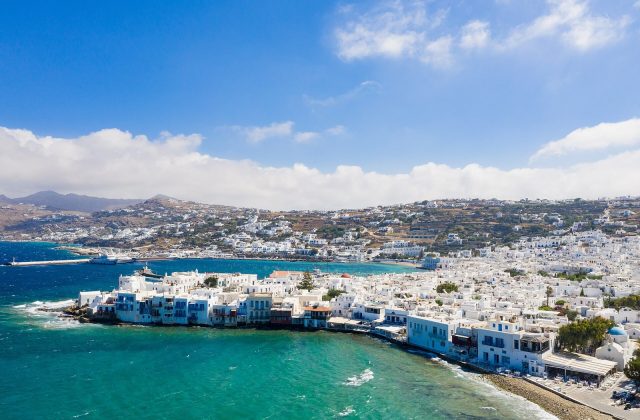
Mykonos is a small, dry and windy island in the central Cyclades, about 85 square kilometres of brown hills ringed by…
294 tours & trips
Ionian Islands, Greece
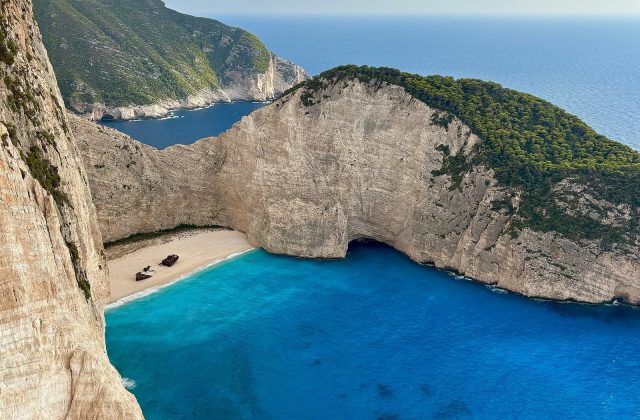
Zakynthos, also called Zante, is the third-largest Ionian island, about 20 km off the western Peloponnese and an hour…
209 tours & trips
Cyclades, Greece
Naxos is the largest and greenest of the Cyclades, 428 square kilometres of long sandy beaches, marble villages and…
208 tours & trips