Kos
Dodecanese, Greece
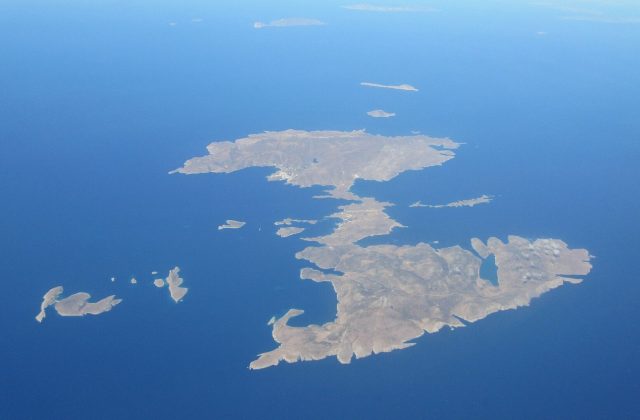
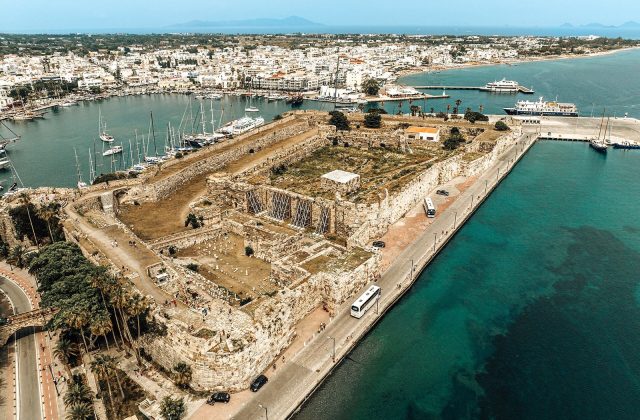
Kos is the long, low island of the Dodecanese closest to the Turkish coast, about 42 km from end to end, with sandy…
48 tours & trips
Greece · Aegean Sea · Beach island
Rhodes is the largest of the Dodecanese islands, about 1,400 square kilometres close to the Turkish coast, with a walled medieval town that is a UNESCO World Heritage Site. It combines the castle of the Knights of St John, the white village and acropolis of Lindos, and long sandy beaches with sun almost every day from May to October.
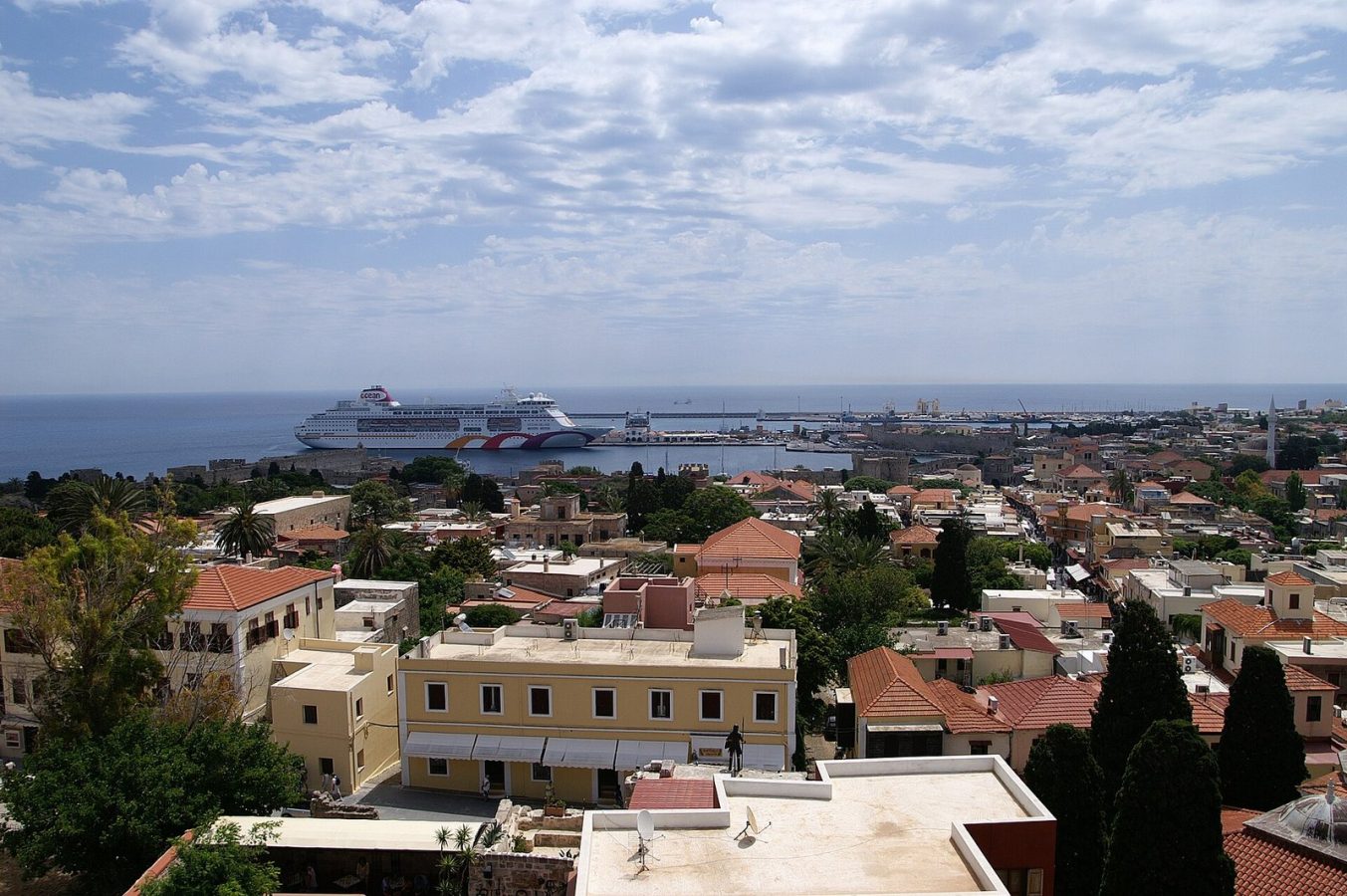
Photo: Böhringer Friedrich, CC BY-SA 2.5
| Getting there | Flights from Athens in 1 h and direct from much of Europe in summer; ferries from Piraeus take 13 to 17 h |
|---|---|
| Gateway | Rhodes airport, or Athens (Piraeus) by ferry |
| Travel time | 1 h flight from Athens or 13 to 17 h by ferry |
| Days | A week |
| Best months | May–June and Sep–Oct; Jul–Aug hot and crowded; quiet Nov–Mar |
| Getting around | Buses from Rhodes Town along both coasts; rent a car for the south and the mountain villages |
| Booking | Summer hotels and cars months ahead; Lindos and Symi boat trips a few days ahead |
| Cost | Mid-range for Greece |
| Beaches | Sandy and calm on the east coast at Tsambika, Lindos and Faliraki; windy pebbles in the west |
| Sea | Aegean Sea |
| Archipelago | Dodecanese |
| Area | 1,400 km² |
| Population | 125,113 (2021) |
| Highest point | 1,215 m (Mount Attavyros) |
| Airport | Yes, scheduled flights |
| Car-free | No |
| UNESCO | Medieval City of Rhodes |
| Checked | October 2026 |
Rhodes has one of the widest choices of trips in Greece, and they fall into a few clear groups.
Day cruises from Mandraki harbour in Rhodes Town are the classic. Boats run down the east coast to Lindos with swimming stops, usually leaving in the morning and returning late afternoon; some are all-inclusive wooden boats with a barbecue lunch, others are fast transfers that give more time ashore. The second big trip is to Symi, the small island to the north-west, often with a stop at the monastery of Panormitis and a swim at St George's Bay.
Land tours combine the Old Town with Lindos by coach or minibus, or visit Kamiros, the Seven Springs and the Valley of the Butterflies in the interior. Self-drive and guided 4x4 safaris explore the mountain roads, and there are e-bike, hiking and cooking-class options.
Walking tours of the Old Town and the Palace of the Grand Master explain what you see. Sunset catamaran cruises, private boats from Lindos and dive try-outs fill the rest. Pickup from resort hotels is often included.
For a first visit, walk the Old Town yourself, take the boat to Lindos and spend one day on Symi.
The walled city of the Knights of St John is one of the best-preserved medieval towns in Europe. Walk the cobbled Street of the Knights to the rebuilt Palace of the Grand Master, then lose yourself in the lanes of the old Turkish quarter, with mosques, fountains and small squares. A path along the moat circles the walls, and Mandraki harbour lies just outside.
About 50 km south of Rhodes Town, Lindos is a village of whitewashed captains' houses below a rock crowned by a castle and the columns of a temple of Athena. The climb takes 15 to 20 minutes; go at opening time, as the steps are hot and crowded by midday. Below the village are two sheltered bays, including tiny St Paul's Bay.
The ancient city of Kamiros spreads over a slope above the sea on the quieter west coast, with streets, houses, a temple and a large water cistern laid out in plain view. It is less visited than Lindos and makes a calm morning. Continue south to the ruined castle of Kritinia, built by the Knights, for views across to the smaller islands.
Two shady valleys in the interior make a cool break in summer. At Seven Springs, walk through a narrow water tunnel to a small lake among plane and pine trees. The Valley of the Butterflies, nearer the airport, fills with thousands of tiger moths roughly from June to August; a path with wooden bridges climbs the gorge past waterfalls.
The east coast has the island's best beaches: wide Tsambika below a hilltop chapel, the rocky cove of Anthony Quinn Bay near Faliraki, and long sandy stretches south of Lindos. At the far southern tip, Prasonisi is a sand spit where two seas meet, calm on one side and windy on the other, and a well-known spot for kitesurfing and windsurfing.
Our pick for each kind of trip, with live dates and prices. Free cancellation on most.
Best for: First visit, the two main sights
Covers the medieval town and Lindos in one guided day, which saves you the bus logistics and explains the history of the Knights as you go.
Diagoras airport, 14 km south-west of Rhodes Town, takes flights of about an hour from Athens all year and charter and low-cost flights from much of Europe from April to October, which is how most visitors arrive.
Ferries from Piraeus take around 13 to 17 hours, usually overnight, calling at other islands on the way; they suit travellers bringing a car or hopping through the Dodecanese. Fast boats link Rhodes Town with Symi in about an hour and with Kos, Kalymnos and Patmos in season, while Karpathos and Kastellorizo have slower ferries. Boats also cross to Marmaris and Fethiye in Turkey, so carry your passport. Rhodes is a frequent cruise stop, and ships dock right beside the Old Town walls.
Buses leave Rhodes Town for both coasts: along the east to Faliraki, Lindos and beyond, and along the west to the airport and Kamiros, frequently in summer and less often in winter. The bus to Lindos takes about an hour and a half. To reach the south, the interior valleys and mountain villages, rent a car; the island is about 80 km long and the main roads are good. Parking inside and near the Old Town is hard, so leave the car outside the walls. Taxis are easy in town.
Rhodes has one of the longest seasons in Greece. May and June bring warm days, wildflowers early on and a sea warm enough for swimming by June. July and August are hot, often above 30 degrees, with the strongest wind on the west coast and full resorts and beaches; the Old Town and Lindos are busiest when cruise ships are in.
September and October are excellent, with a sea still around 24 degrees, softer light and lower prices; swimming is usually fine into early November.
In winter, from November to March, most resort hotels close and flights from Europe drop, but Rhodes Town stays alive as a real city, the Old Town is empty, and it is good walking weather with occasional heavy rain. Greek Easter is a lively time to visit. A week lets you combine the town, Lindos, a day on Symi and some beach days.
Rhodes Town is the best base for history, restaurants and boat trips: stay inside the Old Town for atmosphere or in the new town by the beach. Faliraki is the busy resort strip with nightlife and water parks. Lindos is beautiful and quiet in the evening but expensive and small. The coast between Kolymbia and Lardos suits families with large hotels and sandy beaches. For wind and fewer people, the west coast around Ixia and the far south near Prasonisi are better.
Rhodes was a rich trading power in ancient times and raised the bronze Colossus at its harbour, one of the Seven Wonders, which an earthquake toppled in the 3rd century BC. In 1310 the Knights of St John made the island their base and fortified the town that still stands. The Ottomans took it after a long siege in 1522 and held it until the Italians arrived in 1912. They restored the Palace of the Grand Master and left modern buildings along Mandraki. Rhodes joined Greece in 1947, and mass tourism from the 1970s shaped the east coast.
Symi is the easy addition, an hour away by fast boat, colourful and quiet once day-trippers leave. Kos and Patmos are reached by fast boat in season for a Dodecanese hop, and Karpathos and Kastellorizo by slower ferries. Marmaris on the Turkish coast is about an hour across, and Athens is an hour's flight if you want to start or finish in the capital.
Flights from Athens in 1 h and direct from much of Europe in summer; ferries from Piraeus take 13 to 17 h.
From Rhodes airport, or Athens (Piraeus) by ferry: 1 h flight from Athens or 13 to 17 h by ferry.
A week.
May–June and Sep–Oct; Jul–Aug hot and crowded; quiet Nov–Mar.
Buses from Rhodes Town along both coasts; rent a car for the south and the mountain villages.
Go if you want a medieval walled town, an ancient acropolis and easy sandy beaches on one sunny island. Skip it or choose Symi or Karpathos if you want a small, quiet island without package resorts and busy beach strips.
Mid-range for Greece.
Sandy and calm on the east coast at Tsambika, Lindos and Faliraki; windy pebbles in the west.
Summer hotels and cars months ahead; Lindos and Symi boat trips a few days ahead.
Yes. Boat trips, guided tours and day trips for Rhodes can be booked online; live prices and free cancellation on most are shown on this page.
Dodecanese, Greece
Kos is the long, low island of the Dodecanese closest to the Turkish coast, about 42 km from end to end, with sandy…
48 tours & trips
Dodecanese, Greece
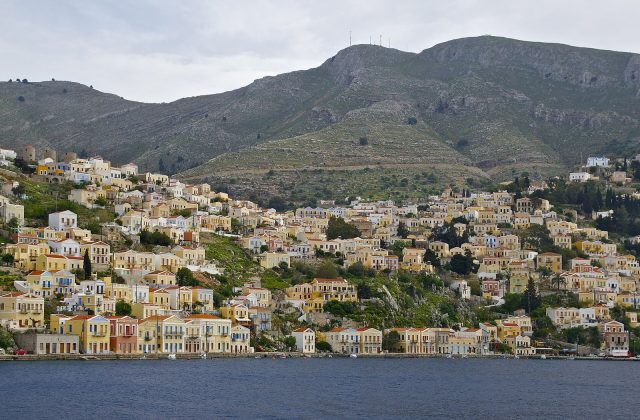
Symi is a small, mountainous island in the Dodecanese, about 24 km north of Rhodes, whose harbour town is a steep…
47 tours & trips
Dodecanese, Greece
Karpathos is the second largest of the Dodecanese islands, a long mountainous strip between Crete and Rhodes that rises…
17 tours & trips
Dodecanese, Greece
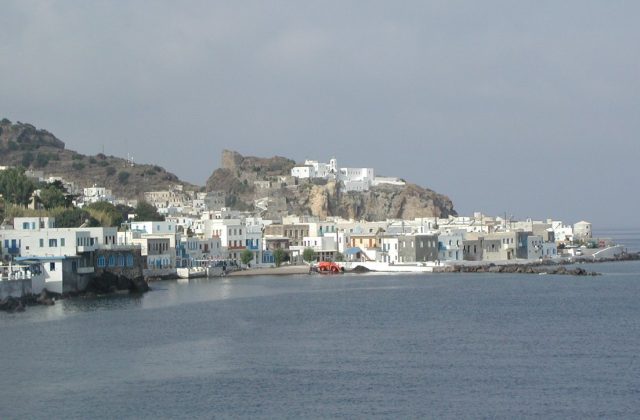
Nisyros is a round volcanic island of about 42 square kilometres in the Dodecanese, between Kos and Tilos.
9 tours & trips
Dodecanese, Greece
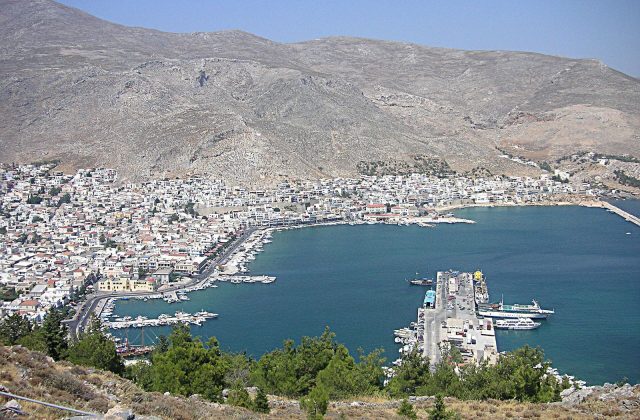
Kalymnos is a rugged Dodecanese island of about 110 square kilometres, just 12 km north of Kos, famous first for its…
7 tours & trips
Dodecanese, Greece
Astypalaia is a butterfly-shaped island on the western edge of the Dodecanese, two rocky lobes joined by a strip of…
5 tours & trips