Stockholm Archipelago
Sweden
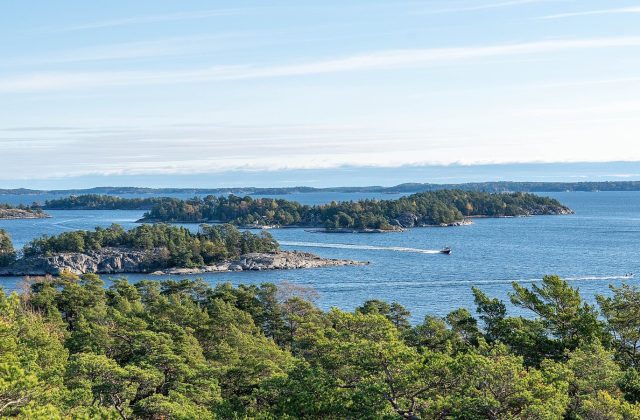
The Stockholm Archipelago is a maze of about 24,000 islands, islets and skerries spreading east from the Swedish…
6 tours & trips
Sweden · Baltic Sea · City island
Djurgården is a green island in central Stockholm, a former royal hunting park that now holds the Vasa Museum, the open-air museum of Skansen, the Gröna Lund funfair and miles of woodland paths. It is a 20-minute walk from the city centre, and most visitors spend a full day here.
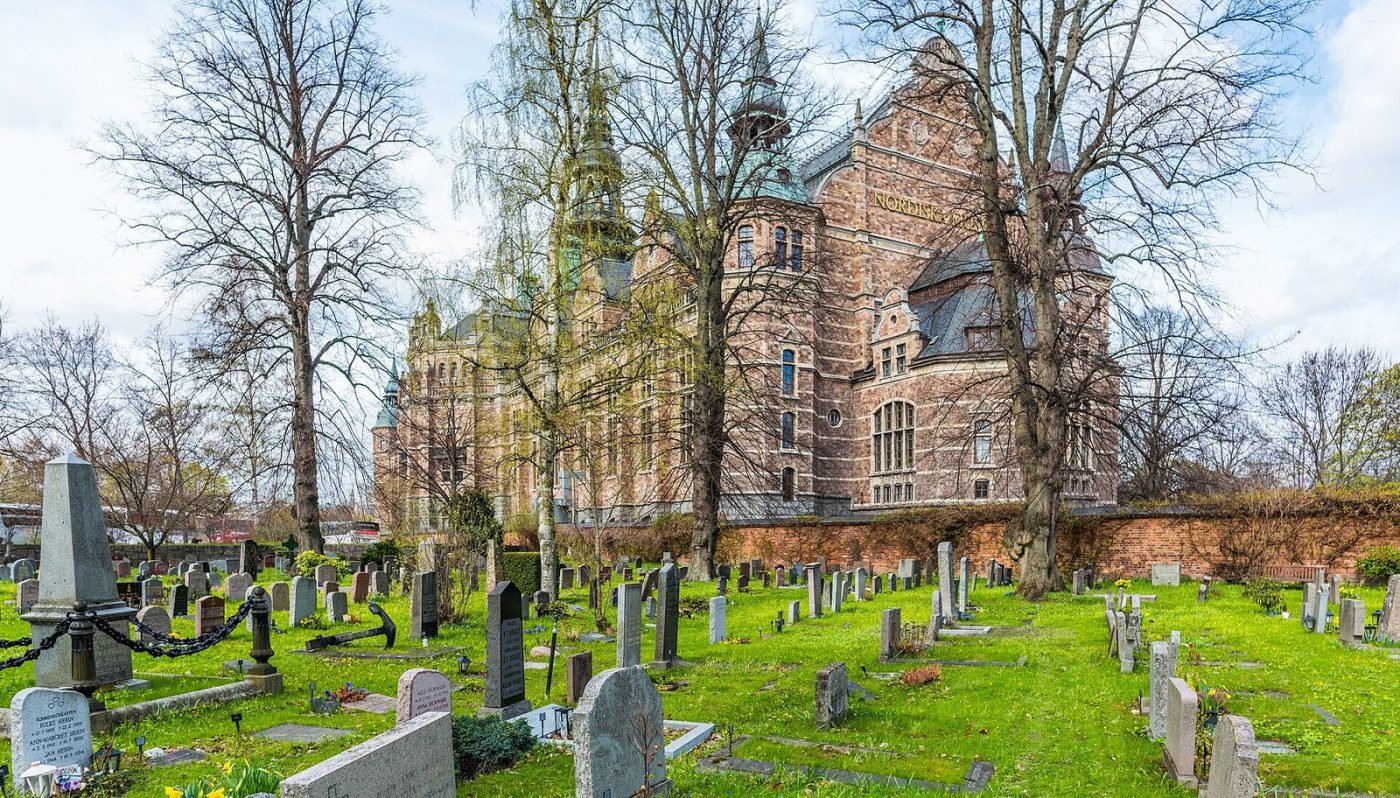
Photo: Bengt Nyman from Vaxholm, Sweden, CC BY 2.0
| Getting there | Tram 7 from the city centre, the short Djurgården ferry from Slussen, or a walk over the bridge from Strandvägen |
|---|---|
| Gateway | Stockholm |
| Travel time | 10 minutes by tram or ferry; 20-minute walk |
| Days | A day trip; two days for museum fans |
| Best months | May–Sep for gardens and Gröna Lund; museums all year; Dec for Skansen market |
| Getting around | Walk or rent a bike; tram 7 runs along the main road to the eastern end |
| Booking | Vasa and Skansen tickets online in summer; Gröna Lund concerts weeks ahead |
| Cost | Expensive, like the rest of Stockholm |
| Beaches | No beaches; locals swim off the rocks on the quieter southern and eastern shores |
| Sea | Baltic Sea |
| Area | 2.8 km² |
| Population | 800 |
| Airport | No |
| Car-free | No |
| Bridge | Road bridge or causeway to the mainland |
| Checked | October 2026 |
Djurgården is easy to explore alone, so what is sold here is mainly guidance and a different angle on the island.
Guided walks are the most useful. A typical walk lasts two to three hours and links the Vasa Museum with Skansen, with the guide explaining the warship, the royal hunting park and the old wooden houses; museum entry is sometimes included and sometimes paid separately, so check before you book. Shorter sightseeing tours give a two-hour overview of the island and the elegant Östermalm waterfront opposite.
Boat tours are the other main kind. The classic route circles Djurgården by sightseeing boat in about an hour, passing through the narrow canal at the eastern end, with recorded or live commentary. It runs from spring to autumn from the city centre. There are also self-drive group rafts on the water in summer, a lively evening option with music where you bring your own food and drinks.
Combination passes and hop-on boats that stop at Djurgården are worth it only if you plan several museums in a day.
Recommendation: walk to the island yourself, book the Vasa Museum and Skansen online, and add the canal boat tour if the weather is good.
The royal warship Vasa sank in Stockholm harbour on her maiden voyage in 1628 and was raised in 1961, almost complete. She now fills a tall dark hall, with her carved stern and gun decks visible from six levels of galleries. Come at opening time or in the late afternoon to avoid the queues, and allow two hours.
Opened in 1891, this was the world's first open-air museum: about 150 farmhouses, manors and workshops brought from across Sweden, staffed in summer by people in period dress. Moose, bears, wolves, lynx and reindeer live in the hilltop enclosures. It is a five-minute walk uphill from the Vasa and needs at least half a day.
Stockholm's old funfair sits on the waterfront by the ferry pier, with roller coasters over the water and summer concerts by big Swedish and international acts. It opens from late April to September. Next door, ABBA The Museum is an interactive tribute with costumes, gold discs and a chance to sing along on stage.
The huge castle-like building by the bridge is the museum of Swedish life and customs, with fashion, folk costumes, table settings, Sami culture and furniture from five centuries. It is a good rainy-day choice and a quiet contrast to Skansen. Children can head instead to Junibacken nearby, built around the characters of Astrid Lindgren.
East of the museums the island turns into meadows, oak woods and waterside paths. Rosendal Palace, a small yellow royal summer house from the 1820s, stands beside an organic garden with a greenhouse cafe that is a favourite of locals for lunch. The canal at Djurgårdsbrunn, about 2 km further on, has another cafe and a bike-hire point.
At the southern tip, the villa of the painter prince Eugen is now an art museum with his own landscapes, Nordic art from around 1900 and gardens running down to the water. It is the terminus of tram 7, so you can ride out and walk back along the shore, past villas and moored yachts, in about 40 minutes.
Our pick for each kind of trip, with live dates and prices. Free cancellation on most.
Best for: First visit, Vasa and Skansen
A guided walk that links the two museums most visitors come for, with the island's history explained on the way, a good use of a first morning.
Djurgården is part of the city, so the question is only which way to come in. The heritage-style tram 7 runs from Sergels torg and Norrmalmstorg along the Strandvägen waterfront and over the bridge, stopping at Nordiska museet, the Vasa, Skansen and Gröna Lund before ending at Waldemarsudde. The Djurgården ferry crosses from Slussen, near Gamla stan, in about ten minutes and lands next to Gröna Lund; it is part of the public transport network, so ordinary city tickets are valid, and it runs year-round.
On foot, walk east along Strandvägen and cross the Djurgården bridge, about 20 minutes from the centre. Hop-on boats in summer also stop at the island. From Arlanda airport, the express train reaches Stockholm Central in about 20 minutes. Do not drive: parking on the island is scarce and expensive.
The western part of the island, with the Vasa, Skansen, Nordiska museet, Gröna Lund and Junibacken, is compact and easy to cover on foot. The wooded east is better by bike: rental bikes and canoes are available by the bridge and at the canal in summer. Tram 7 and bus 67 run along the main road, Djurgårdsvägen, and save your legs on the way back. Paths are flat or gently sloping, and well signed.
Djurgården works all year, but the experience changes with the seasons. May to September is the best time, with long light evenings, open gardens, cafes on the water and Gröna Lund in operation; June and July bring the warmest weather, around 20 to 25 degrees on good days, and the biggest crowds, especially at the Vasa Museum from late morning. Midsummer is celebrated at Skansen with maypole dancing on the Friday nearest 21 June.
Autumn is quieter and colourful in the oak woods. In winter days are short and cold, but the museums stay open, and Skansen holds a traditional Christmas market at weekends in December, plus Lucia celebrations on 13 December.
Weekdays are calmer than weekends, when Stockholm families come out. One full day covers the Vasa and Skansen; add a second for Nordiska museet, the art museums and a walk or bike ride through the eastern woods.
There are only a couple of hotels on Djurgården itself, so most people stay in the city and come over for the day. Östermalm, along Strandvägen, is the closest and the most elegant, with walking access to the bridge. Gamla stan and Södermalm are a short ferry ride from Slussen and suit those who want old streets or bars and cheaper places to eat. Norrmalm, around the central station, is the most practical base for the airport train.
Until the sixteenth century the island was known as Valmundsö. Swedish kings used it as pasture and a hunting ground from the fifteenth century, and in the 1600s it was fenced as a royal game park for deer and elk, which gave the place its name: the animal garden. In the eighteenth century inns and pleasure gardens opened for the townspeople, and in the nineteenth villas, Rosendal Palace and the great exhibition of 1897 followed. Skansen and the Nordic Museum turned it into a museum island, and the crown still administers it.
Djurgården sits in the middle of Stockholm's island city. Skeppsholmen, with the modern art museum, is a ten-minute walk or a short ferry hop away, and Gamla stan is ten minutes by the Slussen ferry. For a taste of the archipelago, boats reach Fjäderholmarna in about 25 minutes and Vaxholm in about an hour, and Drottningholm Palace is about an hour by boat from City Hall.
Tram 7 from the city centre, the short Djurgården ferry from Slussen, or a walk over the bridge from Strandvägen.
From Stockholm: 10 minutes by tram or ferry; 20-minute walk.
A day trip; two days for museum fans.
May–Sep for gardens and Gröna Lund; museums all year; Dec for Skansen market.
Walk or rent a bike; tram 7 runs along the main road to the eastern end.
Go if you want Stockholm's best museums, a family day out and parkland walks on one easily reached island. Skip it on a short city break if museums bore you; spend the day in Gamla stan or on an archipelago boat instead.
Expensive, like the rest of Stockholm.
No beaches; locals swim off the rocks on the quieter southern and eastern shores.
Vasa and Skansen tickets online in summer; Gröna Lund concerts weeks ahead.
Yes. Boat trips, guided tours and day trips for Djurgården can be booked online; live prices and free cancellation on most are shown on this page.
Sweden
The Stockholm Archipelago is a maze of about 24,000 islands, islets and skerries spreading east from the Swedish…
6 tours & trips
Sweden
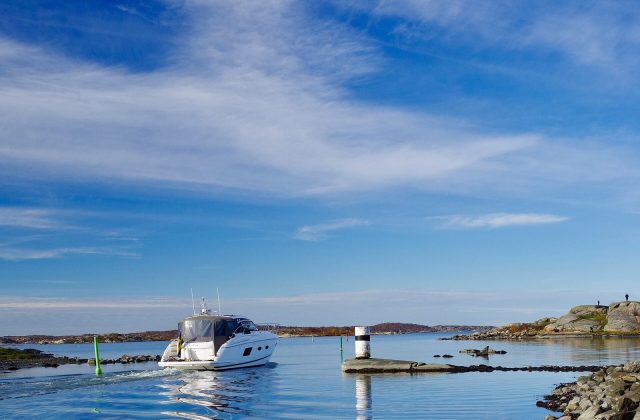
The Gothenburg archipelago is a scatter of bare, smooth granite islands in the Kattegat off Sweden's second city,…
5 tours & trips
Sweden
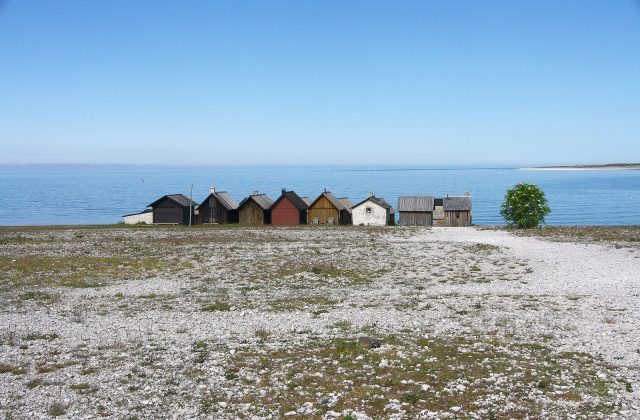
Gotland is Sweden's largest island, about 3,000 square kilometres of limestone in the middle of the Baltic Sea,…
2 tours & trips
Sweden
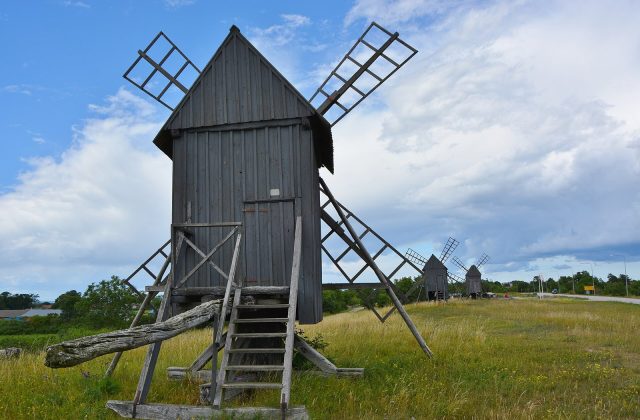
Öland is Sweden's second-largest island, a long, narrow strip of limestone in the Baltic Sea, about 137 km long,…
No tours listed
Sweden
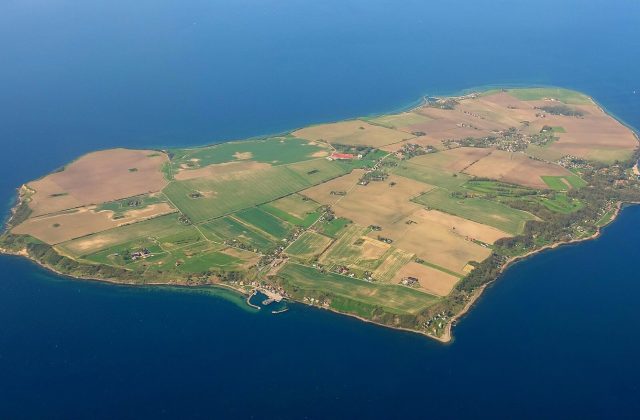
Ven is a small farming island in the Oresund strait between Sweden and Denmark, a 30-minute ferry ride from Landskrona.
No tours listed