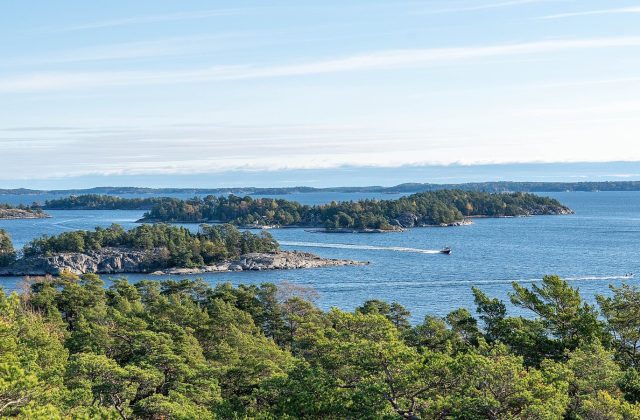
Stockholm Archipelago
Sweden
The Stockholm Archipelago is a maze of about 24,000 islands, islets and skerries spreading east from the Swedish…
6 tours & trips
Sweden · North Sea & Channel · Nature & wildlife island
The Gothenburg archipelago is a scatter of bare, smooth granite islands in the Kattegat off Sweden's second city, reached by city ferries in minutes. The southern islands are car-free and connected by ferries from Saltholmen on an ordinary public transport ticket, while the northern islands are linked by bridges and car ferries.
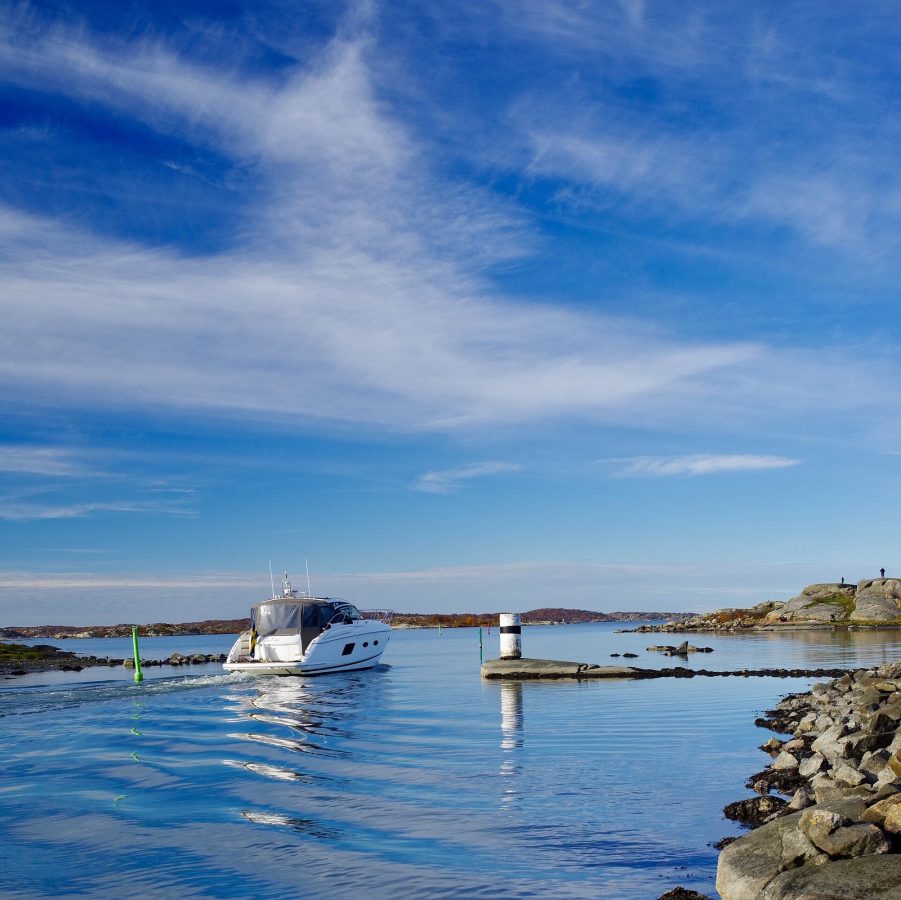
Photo: lmbythesea, CC BY 2.0
| Getting there | Tram to Saltholmen, then city ferries to the southern islands in 10 to 50 min; car ferry to Hönö in the north |
|---|---|
| Gateway | Gothenburg (Saltholmen) |
| Travel time | 30 min by tram plus 10 to 50 min by ferry |
| Days | A day trip, or 1 to 2 nights |
| Best months | June–August; May and September quieter and cooler; winter dark but ferries run |
| Getting around | Car-free southern islands: walk, cycle or use electric carts; buses on the northern islands |
| Booking | Nothing needed for ferries; island rooms and cottages months ahead for July |
| Cost | Mid-range for Sweden; ferries cost a city transit fare |
| Beaches | Smooth granite rocks with ladders, plus small sandy bays on Vrångö, Styrsö and Brännö |
| Sea | North Sea & Channel |
| Airport | No |
| Checked | October 2026 |
The archipelago is so easy to visit by public ferry that only a few products are sold specifically for it, and many tours that appear in searches are really city tours of Gothenburg.
The archipelago-focused options are guided boat cruises from the city centre or Saltholmen, which pass through the southern islands and often include a fika, the Swedish coffee and pastry break, or a seafood lunch. There are guided hikes on Brännö and Galterö, sauna boat trips with a swim, and island tours in vintage hot rod cars on the larger islands. Kayak hire and guided paddling are offered in summer, mostly from the city and the southern islands.
In most cases the ferries themselves are the best tour. Buy a day ticket, take the tram to Saltholmen and hop between Asperö, Brännö, Styrsö and Vrångö, all within an hour of the pier. Bring a picnic or eat at the small cafes and restaurants near the jetties, and rent a bike where possible.
Book a guided cruise only if you are short of time or want explanation; otherwise, plan a ferry day on your own.
Styrsö is the largest southern island, with a village of wooden houses, small sandy coves and a network of paths, reached by ferry in about 20 to 30 minutes. Vrångö, the southernmost inhabited island, is wilder, with a nature reserve of heath and rocks, a sandy beach and seals offshore on calm days.
Brännö is a peaceful island of red and yellow wooden houses and gardens, famous for summer evening dances on its old pier. A short walk leads on to Galterö, a nature reserve of bare, smooth granite with grazing sheep, wildflowers and wide views over the sea, perfect for a long walk and a swim.
The northern islands of Öckerö municipality, including Hönö, Öckerö, Björkö and Rörö, are linked by bridges and a short car ferry, with buses from the city. Hönö Klåva is a harbour of fish restaurants and smokehouses. Knippla, further out, is the home port of many of Sweden's largest fishing boats.
On a rocky islet at the edge of the archipelago, Vinga has a lighthouse and a pilot station, and is linked with the Swedish singer Evert Taube, who grew up here. Summer boats from the city centre take about an hour; the island has a small cafe and good spots for a swim from the rocks.
Asperö, just ten minutes from Saltholmen, is the easiest island for a short visit, with a jetty cafe and rocks for swimming. Closer to the city, the seventeenth-century fortress of Nya Älvsborg guards the harbour entrance and is reached by summer boat from the centre, with guided visits.
Our pick for each kind of trip, with live dates and prices. Free cancellation on most.
Best for: First visit, a guided cruise
A guided boat trip through the southern islands with a traditional Swedish coffee break, ideal if you have only a few hours in Gothenburg.
For the southern islands, take tram 11 from central Gothenburg to Saltholmen, about 30 minutes. From the terminal, passenger ferries run to Asperö, Köpstadsö, Brännö, Styrsö, Donsö and Vrångö, in about 10 to 50 minutes. They are part of the regional public transport system, so the same ticket or day pass covers tram and ferry. Services are frequent in summer and continue year round for residents.
For the northern islands, buses run from the city across Hisingen to Lilla Varholmen, where a car ferry crosses to Hönö in about 10 minutes, and on over bridges. Gothenburg Landvetter airport is about 20 minutes from the city by express bus.
The southern islands are car-free: residents use bicycles, small electric carts and delivery mopeds, and visitors walk or cycle on narrow lanes. Distances are short, and most islands can be crossed on foot in under an hour. Bikes can be taken on some ferries, though space is limited in summer. On the northern islands, buses run between the villages, and cars and bikes are common. Ferries between the southern islands make island hopping easy.
June, July and August are the season: long, light evenings, warm rocks and water that reaches about 18 to 20 degrees in a good summer. July is the Swedish holiday month and the busiest, with crowded ferries and packed bathing rocks on sunny weekends; go on a weekday morning. Midsummer, in late June, is celebrated with dancing around maypoles on several islands.
May and September are quieter, with fresh weather and fewer visitors, though many cafes keep shorter hours. From October to April it is dark, windy and often wet, with some ferries reduced, but the islands still have a stark winter beauty. A day is enough to see two or three islands; stay a night to enjoy the light evenings.
Most visitors stay in Gothenburg and come for the day, as the ferries are frequent and quick. For a night on the islands, Styrsö and Brännö have a few guesthouses and bed and breakfasts, and holiday cottages can be rented, especially on Vrångö and Donsö. Hönö, in the north, has hotels and hostels close to fish restaurants. Book well ahead for July.
The islands appear in Norse sagas under the name Elfarsker, the river islets, after the mouth of the Göta River, and Brännö was a market place. The north was part of Norway until 1658. For centuries people lived from fishing, herring and piloting ships into Gothenburg, and Vinga and Styrsö had pilot stations. From the late nineteenth century wealthy city families built summer villas on Styrsö and Brännö. Today the islands combine commuter homes, fishing and shipping firms on Donsö and Knippla, and summer visitors.
Gothenburg itself, with the Haga district, canals and museums, is the obvious partner. Marstrand, a fortress island north of the city, is about an hour away by bus and ferry. The Bohuslän coast continues north with fishing villages such as Smögen and Fjällbacka, about two hours by car.
Tram to Saltholmen, then city ferries to the southern islands in 10 to 50 min; car ferry to Hönö in the north.
From Gothenburg (Saltholmen): 30 min by tram plus 10 to 50 min by ferry.
A day trip, or 1 to 2 nights.
June–August; May and September quieter and cooler; winter dark but ferries run.
Car-free southern islands: walk, cycle or use electric carts; buses on the northern islands.
Go if you want swimming from warm granite rocks, fishing villages, seafood and cycling, all on a city transit ticket. Skip it or choose Marstrand or the Bohuslän coast if you want a historic fortress town or more dramatic scenery.
Mid-range for Sweden; ferries cost a city transit fare.
Smooth granite rocks with ladders, plus small sandy bays on Vrångö, Styrsö and Brännö.
Nothing needed for ferries; island rooms and cottages months ahead for July.
Yes. Boat trips, guided tours and day trips for Gothenburg Archipelago can be booked online; live prices and free cancellation on most are shown on this page.
Sweden
The Stockholm Archipelago is a maze of about 24,000 islands, islets and skerries spreading east from the Swedish…
6 tours & trips
Sweden
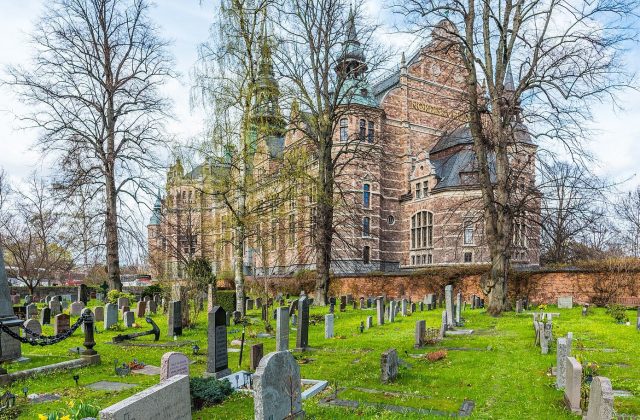
Djurgården is a green island in central Stockholm, a former royal hunting park that now holds the Vasa Museum, the…
5 tours & trips
Sweden
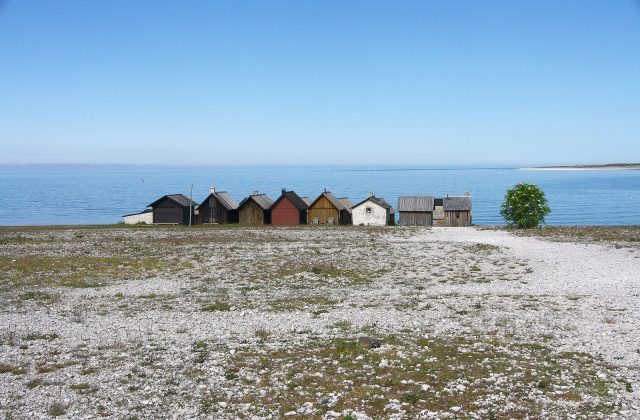
Gotland is Sweden's largest island, about 3,000 square kilometres of limestone in the middle of the Baltic Sea,…
2 tours & trips
Sweden
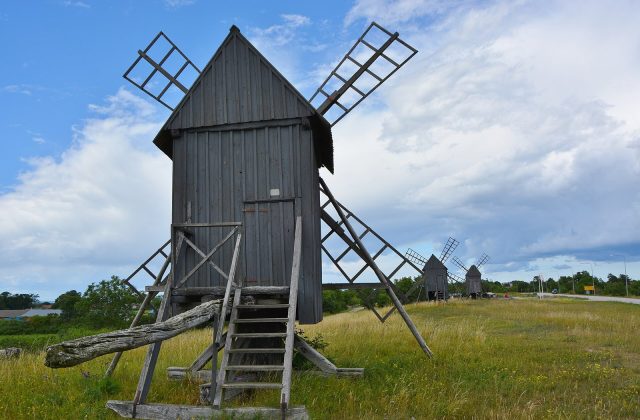
Öland is Sweden's second-largest island, a long, narrow strip of limestone in the Baltic Sea, about 137 km long,…
No tours listed
Sweden
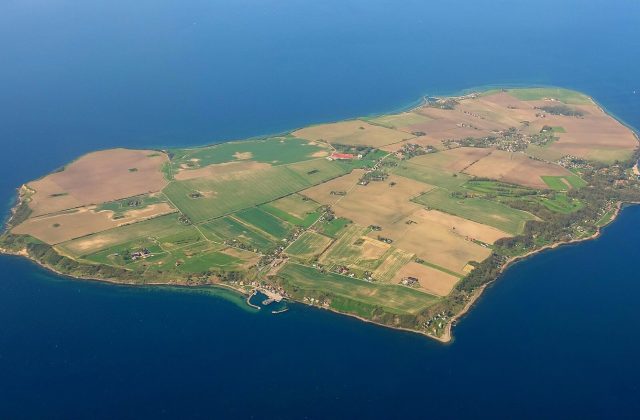
Ven is a small farming island in the Oresund strait between Sweden and Denmark, a 30-minute ferry ride from Landskrona.
No tours listed