Stockholm Archipelago
Sweden
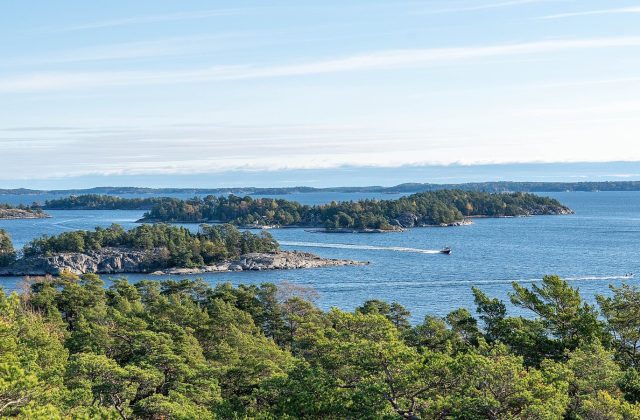
The Stockholm Archipelago is a maze of about 24,000 islands, islets and skerries spreading east from the Swedish…
6 tours & trips
Sweden · Baltic Sea · Historic island
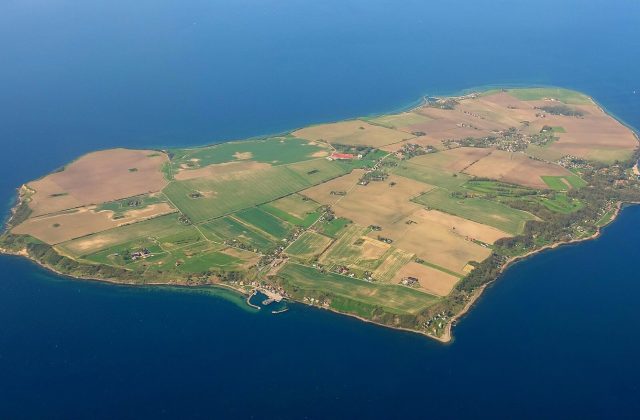
Gotland is Sweden's largest island, about 3,000 square kilometres of limestone in the middle of the Baltic Sea, three hours by ferry from the mainland. Its main town, Visby, is a walled Hanseatic port listed by UNESCO, and the countryside adds more than ninety medieval churches, sea stacks and long sandy beaches.
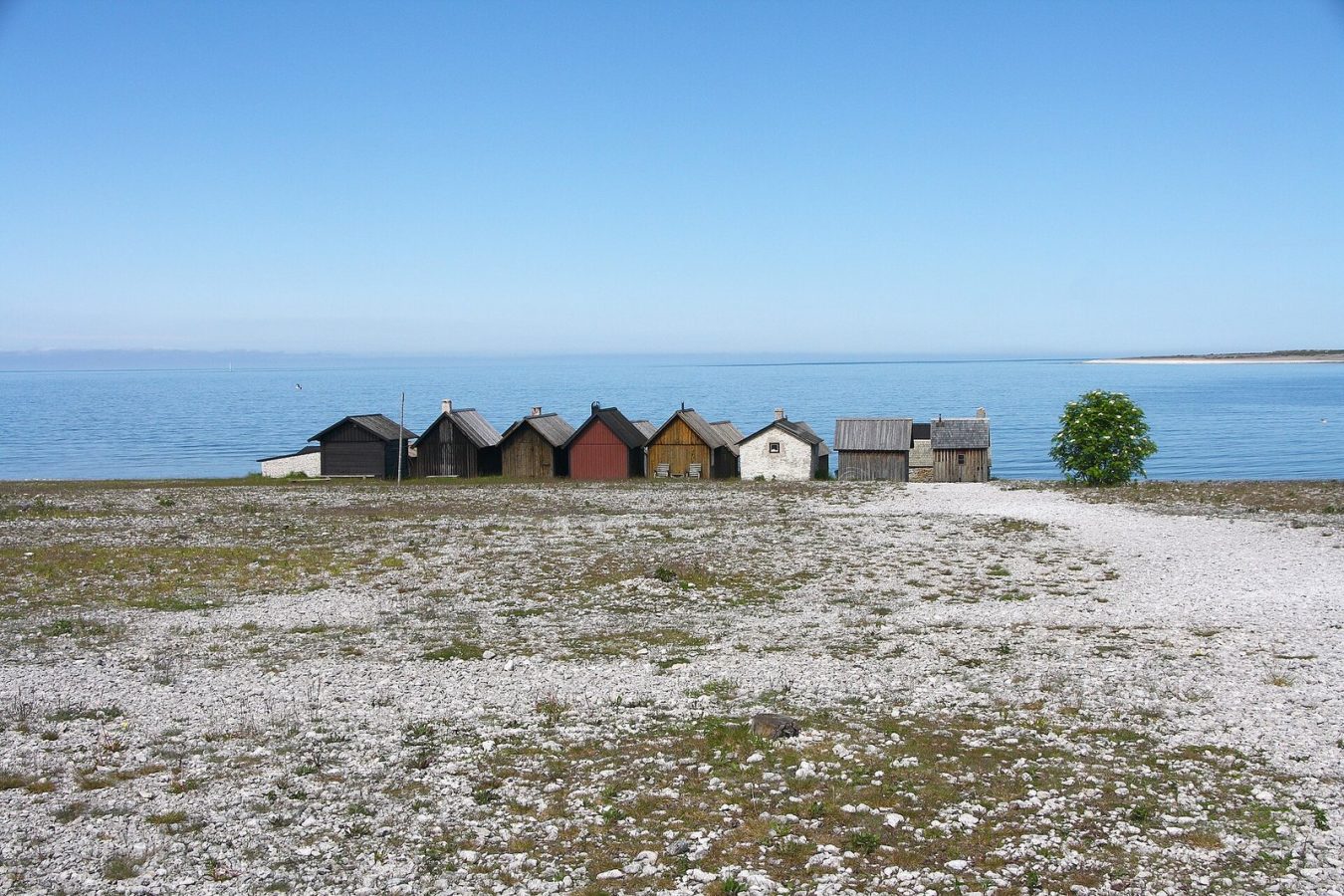
Photo: Schorle, CC BY-SA 3.0
| Getting there | Ferry from Nynäshamn or Oskarshamn in about 3 to 3.5 h, or a 35 to 45-min flight from Stockholm |
|---|---|
| Gateway | Stockholm (Nynäshamn ferry) or Oskarshamn |
| Travel time | About 3 to 3.5 h by ferry or 40 min by air |
| Days | 3 to 5 nights |
| Best months | Jun–Aug warm; Medieval Week in Aug; May and Sep quiet; much shuts Oct–Apr |
| Getting around | Bring or rent a car or bike; buses link Visby with the main villages |
| Booking | Car ferries and Visby rooms months ahead for July and Medieval Week |
| Cost | Mid-range for Sweden; Visby in July is expensive |
| Beaches | Long sandy beaches at Tofta, Sudersand on Fårö and Ljugarn; pebble shores and rocky coves elsewhere |
| Sea | Baltic Sea |
| Area | 2,994 km² |
| Population | 61,023 (2024) |
| Highest point | 82 m (Lojsta hed) |
| Ferry | 3 h 15 min from Stockholm (Nynäshamn ferry) or Oskarshamn |
| Airport | Yes, scheduled flights |
| Car-free | No |
| UNESCO | Hanseatic Town of Visby |
| Checked | October 2026 |
Very little is sold online for Gotland; the only listing is a private Christmas walking tour of Visby with a museum visit and the church ruins. That reflects how people visit: independently, with their own car or bike, and with tours booked on the spot.
In Visby, guided walks around the ring wall, the merchant houses and the ruined churches run daily in summer, and the Gotland Museum has excellent displays of picture stones and Viking silver. Beyond the town, local operators run boat trips from Klintehamn to Stora Karlsö, a bird island with cliffs full of guillemots and razorbills, where you land for a guided walk, and longer seasonal crossings to the remote dunes of Gotska Sandön. Bike hire in Visby is easy, and there are guided cycling and kayaking trips, horse riding on Gotland ponies, cave tours at Lummelunda and food tours that include saffron pancakes, lamb and local truffles. Most tours include the guide and entry; transport to the starting point and meals are usually extra.
The plain recommendation is to spend a day in Visby with a guided walk, rent a car or bike for the countryside and Fårö, and add the Stora Karlsö trip in early summer for the seabirds.
The walled town is the main draw: a ring of medieval stone about 3.4 km long with dozens of towers, enclosing steep lanes of merchant houses, rose-covered cottages and squares. Walk the outside of the wall at sunset, climb inside to the old market at Stora Torget and continue down to the harbour and the Almedalen park.
Inside the wall stand the shells of more than a dozen medieval churches, left to decay after the Reformation, including St Karin on the main square and St Nicolai, used for summer concerts. The cathedral of St Mary, with its black towers, is still in use. All are a few minutes' walk apart.
A free car ferry from Fårösund crosses to Fårö in minutes. On its north and west coasts, wind and waves have carved limestone sea stacks, or raukar, into strange shapes, best at Langhammars and Digerhuvud. The film director Ingmar Bergman lived on the island, and a centre near the church tells his story.
Back in Visby, the main museum displays the island's carved picture stones, some over a thousand years old, alongside Viking silver hoards that show how rich the islanders once were. Displays also cover the Danish attack of 1361 and the battle outside the walls. Allow two hours; it is open all year.
More than ninety medieval churches still serve the countryside, many with painted interiors, stone carvings and font sculptures from the twelfth to fourteenth centuries. Bro, Dalhem, Bunge and Öja are among the finest, each within half an hour of Visby by car. Most are open by day in summer and free to enter.
This small limestone island off the west coast is a nature reserve, reached by boat from Klintehamn in about half an hour. From May to July thousands of guillemots and razorbills nest on the cliffs, and a guided walk leads across the plateau to viewpoints. Book ahead, as visitor numbers are limited.
Live dates and prices. Free cancellation on most tours.
Car ferries run all year from Nynäshamn, about an hour south of Stockholm by train or bus, and from Oskarshamn on the south-east coast, with crossings of roughly three to three and a half hours to Visby. In summer there are several departures a day and some extra seasonal routes; in winter fewer. Fares rise sharply for cars in July, so book early or bring a bike instead.
Visby airport has flights of 35 to 45 minutes from Stockholm Arlanda and Bromma all year, with seasonal routes from other Swedish cities and a few European ones in summer. The airport is a few kilometres north of the town, linked by bus and taxi. Cruise ships call at Visby in summer, docking near the town.
Gotland is flat and quiet, ideal for cycling on country roads and a marked bike route around the island; bikes can be hired near the Visby harbour. For a longer stay, a car makes it easier to reach Fårö, the south and the scattered churches, and can be hired in Visby or brought on the ferry. Regional buses link Visby with the main villages but are infrequent outside summer. Within the walls, Visby is best on foot.
Gotland is a summer island. June to August brings long light evenings, the most sunshine in Sweden and sea temperatures around 17 to 20 degrees, ideal for the beaches. July is the peak, when Swedish holidaymakers fill Visby, prices rise and car ferries sell out. Almedalen Week in late June or early July brings politicians and crowds, and Medieval Week in early August fills the town with costumes, markets and jousting; book months ahead.
May and September are quieter and good for cycling and churches, with mild weather and fewer visitors. From October to April many restaurants, hotels and attractions close or shorten hours, ferries run less often, and the weather is grey and windy. Visby's Christmas markets add some winter life. Three to five nights allow time for both Visby and the countryside.
Visby is the obvious base, with hotels and guesthouses inside and just outside the walls, restaurants and the ferry and airport close by; it is lively and costly in summer. The north, around Fårösund and on Fårö itself, suits those seeking quiet, beaches and sea stacks. The east coast around Ljugarn has sandy beaches and a seaside village feel, and the south is the most rural, with farm stays and campsites. Families often rent cottages in the countryside for a week.
Gotland's wealth began in the Viking Age, when its farmers traded across the Baltic and buried hundreds of hoards of silver coins, more than found anywhere else in Scandinavia. In the Middle Ages Visby joined the Hanseatic trading network, built its wall and dozens of churches, and grew rich. In 1361 the Danish king Valdemar Atterdag conquered the island after a bloody battle outside the walls. Gotland passed to Sweden in 1645, became a quiet farming province, and since the twentieth century has lived on summer tourism and its rich heritage.
Combine Gotland with Stockholm, the usual start and end, and its archipelago of thousands of islands. From Oskarshamn, the island of Öland and the town of Kalmar are about an hour's drive away. Fårö and Stora Karlsö are easy day trips within the province.
Ferry from Nynäshamn or Oskarshamn in about 3 to 3.5 h, or a 35 to 45-min flight from Stockholm.
From Stockholm (Nynäshamn ferry) or Oskarshamn: about 3 to 3.5 h by ferry or 40 min by air.
3 to 5 nights.
Jun–Aug warm; Medieval Week in Aug; May and Sep quiet; much shuts Oct–Apr.
Bring or rent a car or bike; buses link Visby with the main villages.
Go if you want a medieval walled town, quiet cycling roads and Baltic beaches in one long summer trip. Skip it in winter if you want lively streets and open restaurants, or choose Öland if you want a shorter crossing by bridge from the mainland. At about 3 h 15 min each way from Stockholm (Nynäshamn ferry) or Oskarshamn, it is worth staying at least one night.
Mid-range for Sweden; Visby in July is expensive.
Long sandy beaches at Tofta, Sudersand on Fårö and Ljugarn; pebble shores and rocky coves elsewhere.
Car ferries and Visby rooms months ahead for July and Medieval Week.
Yes. Boat trips, guided tours and day trips for Gotland can be booked online; live prices and free cancellation on most are shown on this page.
Sweden
The Stockholm Archipelago is a maze of about 24,000 islands, islets and skerries spreading east from the Swedish…
6 tours & trips
Sweden
Djurgården is a green island in central Stockholm, a former royal hunting park that now holds the Vasa Museum, the…
5 tours & trips
Sweden
The Gothenburg archipelago is a scatter of bare, smooth granite islands in the Kattegat off Sweden's second city,…
5 tours & trips
Sweden
Öland is Sweden's second-largest island, a long, narrow strip of limestone in the Baltic Sea, about 137 km long,…
No tours listed
Sweden
Ven is a small farming island in the Oresund strait between Sweden and Denmark, a 30-minute ferry ride from Landskrona.
No tours listed