Viti Levu
Fiji
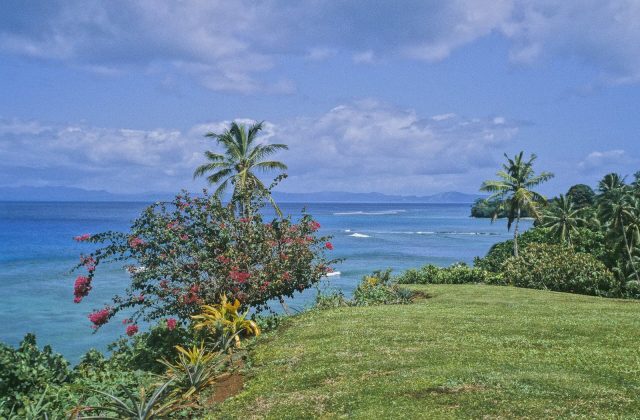
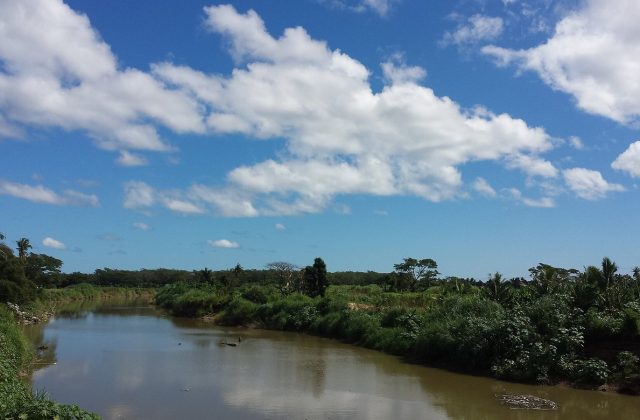
Viti Levu is Fiji's largest island, about 10,400 square kilometres of mountains, sugar cane and coral coast, home…
9 tours & trips
Fiji · Pacific Ocean · Beach island
Fiji is an island nation in the South Pacific of more than 330 islands, about a third of them inhabited, spread around the two large islands of Viti Levu and Vanua Levu. Most visitors fly into Nadi and head for the small coral islands of the Mamanuca and Yasawa groups, for reefs, white sand and village life a short boat ride away.
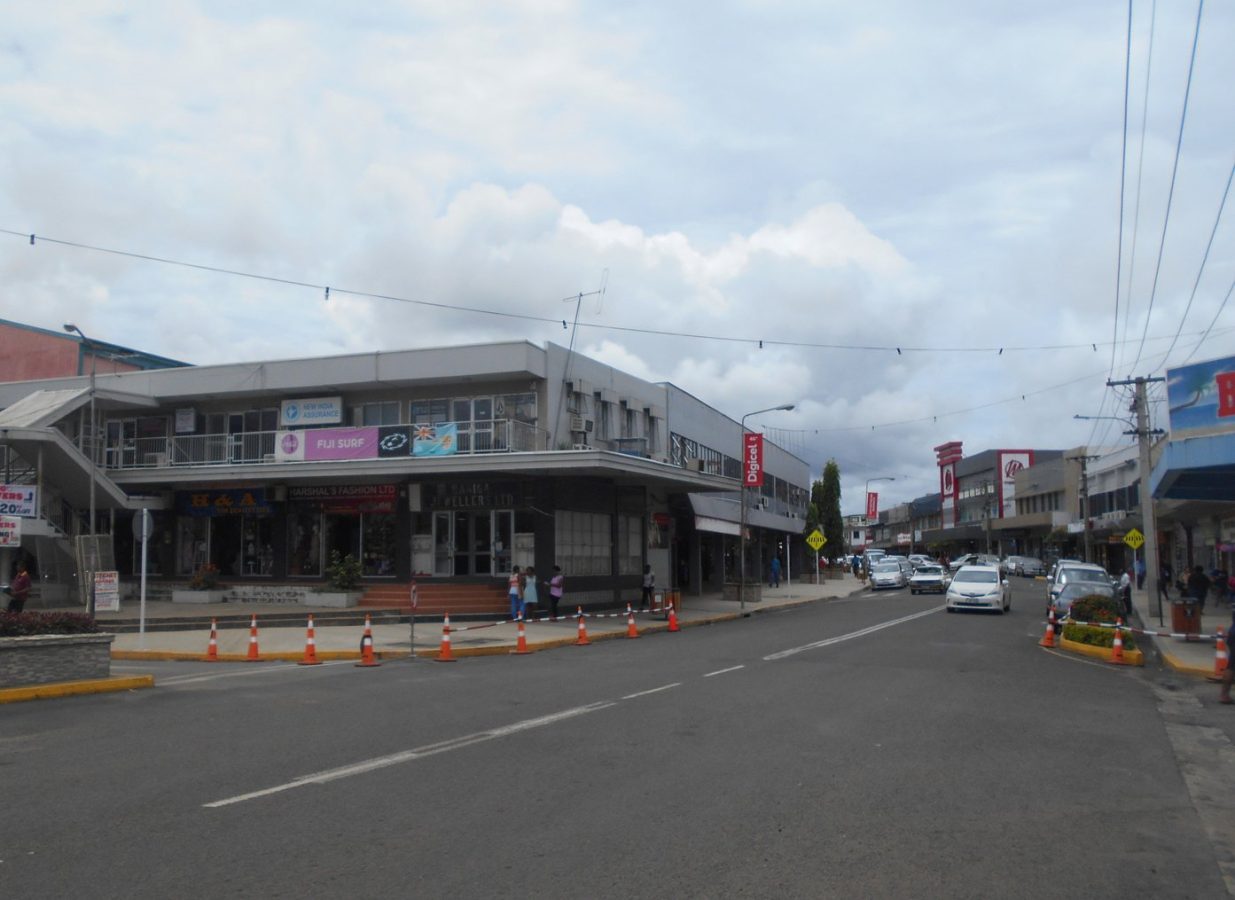
Photo: Виктор Пинчук, CC BY-SA 4.0
| Getting there | Fly to Nadi on Viti Levu, about 3 to 4 h from Sydney or Auckland; catamarans and seaplanes to the outer islands |
|---|---|
| Gateway | Nadi (Nadi International Airport) |
| Travel time | 3 to 4 h by air from Australia or New Zealand |
| Days | A week or more |
| Best months | May–Oct dry and less humid; Nov–Apr hot, wet, cyclone season |
| Getting around | Catamarans and seaplanes to the islands; buses, taxis or a rental car on Viti Levu |
| Booking | Island resorts months ahead for Jun–Sep and Christmas; day cruises a few days ahead |
| Cost | Mid-range; island resorts and transfers are expensive |
| Beaches | White coral sand on the Mamanucas and Yasawas; Natadola is the best beach on Viti Levu |
| Sea | Pacific Ocean |
| Area | 18,274 km² |
| Population | 884,887 (2017) |
| Highest point | 1,324 m (Mount Tomanivi) |
| Airport | Yes, scheduled flights |
| Car-free | No |
| UNESCO | Levuka Historical Port Town |
| Checked | October 2026 |
Most of what is sold starts from Port Denarau, the marina next to the Nadi hotel zone, and the main choice is how far into the islands you go.
The most popular products are day cruises to the Mamanuca group: a catamaran or sailing boat to a resort island or a small uninhabited islet, snorkelling over the reef, a buffet lunch and sometimes a kava ceremony, back by late afternoon. Floating platforms and beach clubs anchored off the reef offer the same idea with bars and water sports. Longer day cruises reach the Yasawas, the remote chain to the north. Sunset cruises with dinner leave from Denarau most evenings.
On land, half-day and full-day tours from Nadi cover the orchid garden in the foothills, the mud pools and hot springs at Sabeto, a village visit with kava, or a Coral Coast trip with a waterfall walk, Natadola beach and lunch. Adventure options include zip lines, river rafting in the highlands, quad bikes and skydiving.
Hotel pickup in the Nadi and Denarau area, lunch and snorkel gear are usually included; diving and alcohol are often extra. Book one island day cruise even if you are staying on Viti Levu, and one village or waterfall trip.
This group of small volcanic and coral islands lies just west of Nadi, 30 minutes to two hours from Port Denarau by catamaran. Each has its own resort or beach, with clear lagoons and reefs right off the sand. Stay a few nights or come on a day cruise; the outer islands such as Mana and Malolo have the best snorkelling.
North of the Mamanucas, this chain of steep, grassy islands is quieter and more rural, with villages, simple eco-lodges and long empty beaches. A daily catamaran runs up the chain, taking several hours to the far end. Highlights include snorkelling with manta rays in season and the limestone caves on Sawa-i-Lau.
The gateway town has a busy produce market and a colourful Hindu temple at the southern end of the main street. Within 30 minutes are the orchid garden in the Sabeto valley, founded by an actor, and the hot springs and mud pools where you coat yourself in grey mud and soak it off. Combine them in half a day.
The south-west coast of Viti Levu, an hour or more from Nadi, has the island's best beach at Natadola, a long curve of sand with calm water. Further east are the Sigatoka sand dunes, a national park with walking trails, and inland villages with waterfalls. The road along the coast is lined with hotels and reef flats.
The capital, on the wet south-east side of Viti Levu, about four hours by road from Nadi, has the Fiji Museum, colonial buildings and a huge municipal market. From there, boats and small planes reach Ovalau, where Levuka, the first colonial capital, is a World Heritage Site with a timber-fronted main street.
A short flight north-east from Nadi or Suva brings you to Taveuni, the green, rainy garden island, with forest waterfalls and the famous soft corals of the Somosomo Strait for divers. Savusavu on Vanua Levu is a small sailing harbour with hot springs and reef resorts. Both suit travellers with time for a second base.
Our pick for each kind of trip, with live dates and prices. Free cancellation on most.
Best for: First visit, a day in the islands
A sailing day from the Nadi side to the reefs and islets of the Mamanuca group, with snorkelling stops, lunch and drinks, which is the quickest way to see the outer islands.
Nearly all international flights land at Nadi International Airport on the west side of Viti Levu, with direct services from Sydney, Brisbane and Melbourne in about four hours, from Auckland in about three, and longer flights from Los Angeles, Hong Kong and Singapore. Suva's smaller airport at Nausori mainly handles domestic and regional flights.
From Nadi, the outer islands are reached from Port Denarau, 20 minutes away, by fast catamarans that circle the Mamanucas several times a day and run once a day up the Yasawa chain. Resort transfers are usually booked with the room. Seaplanes and helicopters take 10 to 30 minutes to many resorts at a much higher cost. Domestic flights serve Taveuni, Savusavu and other islands. Cruise ships call at Suva, Lautoka and Denarau.
On Viti Levu, express and local buses run along the coastal Queens Road between Nadi, the Coral Coast and Suva, and are cheap and frequent. Taxis are plentiful in Nadi; agree the fare or check the meter. Rental cars give freedom for the Coral Coast, but driving is on the left, roads are narrow and livestock wanders, so avoid driving after dark. On the small islands you walk, and resorts arrange boats between neighbouring islands.
Fiji is warm all year, with sea temperatures from about 24 degrees in August to 29 in February. The dry season from May to October is the most comfortable, with lower humidity, steady trade winds and good visibility for diving. It is also when Australian and New Zealand school holidays fill resorts, especially in July and around Easter.
From November to April the weather is hotter, more humid and rainy, with heavy downpours on the eastern sides of the islands, and this is cyclone season. Most years bring only a few storms, but severe ones such as Cyclone Winston in 2016 can cause serious damage, so take travel insurance. Prices are lower outside the school holidays. The Hindu festival of Diwali, usually in October or November, is celebrated widely. A week covers Nadi and one island group; two weeks allow a second base.
Where you stay sets the trip. Denarau, near Nadi, has large resort hotels and a marina, convenient for day cruises and short stays. The Mamanucas suit couples and families who want a beach resort within a short boat ride. The Yasawas suit backpackers and those after simple lodges and village life. The Coral Coast has mid-range hotels and good value on the main island. Taveuni and Savusavu are for divers and slow travellers.
People reached Fiji more than 3,000 years ago, and the islands later sat at a crossroads between Melanesian and Polynesian cultures. European traders came for sandalwood and sea cucumbers in the 19th century, and in 1874 Fijian chiefs ceded the islands to Britain, with Levuka as the first capital. The British brought labourers from India to work sugar plantations, and their descendants form a large part of today's population. Fiji became independent in 1970. Villages still keep customs such as the welcome kava ceremony, and visitors are asked to dress modestly there.
Within Fiji, a classic route is a night in Nadi, a few nights in the Mamanucas, then several in the Yasawas, with a final night near the airport. Taveuni and Savusavu are a short flight away. Internationally, Fiji works as a stopover between Australia or New Zealand and North America, and flights connect to Samoa, Tonga and Vanuatu in two to three hours.
Fly to Nadi on Viti Levu, about 3 to 4 h from Sydney or Auckland; catamarans and seaplanes to the outer islands.
From Nadi (Nadi International Airport): 3 to 4 h by air from Australia or New Zealand.
A week or more.
May–Oct dry and less humid; Nov–Apr hot, wet, cyclone season.
Catamarans and seaplanes to the islands; buses, taxis or a rental car on Viti Levu.
Go if you want warm reefs, small island resorts, easy English-speaking hospitality and a week of sea and sand. Skip it or choose Bali or the Philippines if you want ancient temples, big cities or low prices for long travel.
Mid-range; island resorts and transfers are expensive.
White coral sand on the Mamanucas and Yasawas; Natadola is the best beach on Viti Levu.
Island resorts months ahead for Jun–Sep and Christmas; day cruises a few days ahead.
Yes. Boat trips, guided tours and day trips for Fiji can be booked online; live prices and free cancellation on most are shown on this page.
Fiji
Viti Levu is Fiji's largest island, about 10,400 square kilometres of mountains, sugar cane and coral coast, home…
9 tours & trips
Fiji
Taveuni is Fiji's third-largest island, a 42-km-long volcanic ridge of rainforest known as the Garden Island, with…
3 tours & trips
Fiji
Vanua Levu is Fiji's second-largest island, 5,587 square kilometres of mountains, rainforest and quiet coast about…
1 tour