Fiji
Fiji
Fiji is an island nation in the South Pacific of more than 330 islands, about a third of them inhabited, spread around…
76 tours & trips
Fiji · Pacific Ocean · Beach island
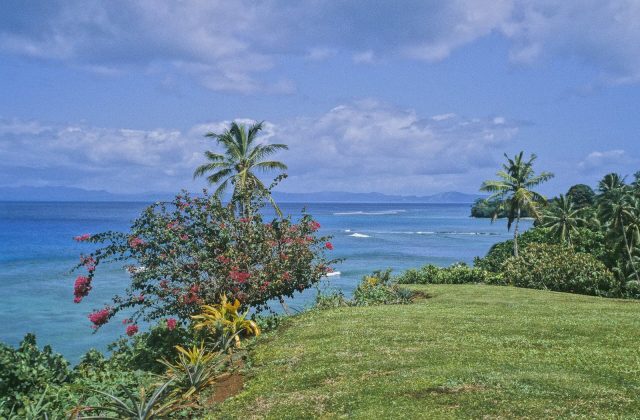
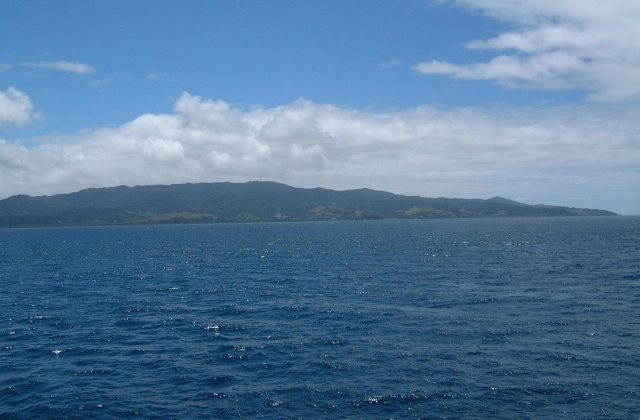
Viti Levu is Fiji's largest island, about 10,400 square kilometres of mountains, sugar cane and coral coast, home to the capital Suva, the international airport at Nadi and most of the country's people. Most visitors pass through on the way to the small outer islands, but it rewards a few days for villages, rivers, reefs and food.
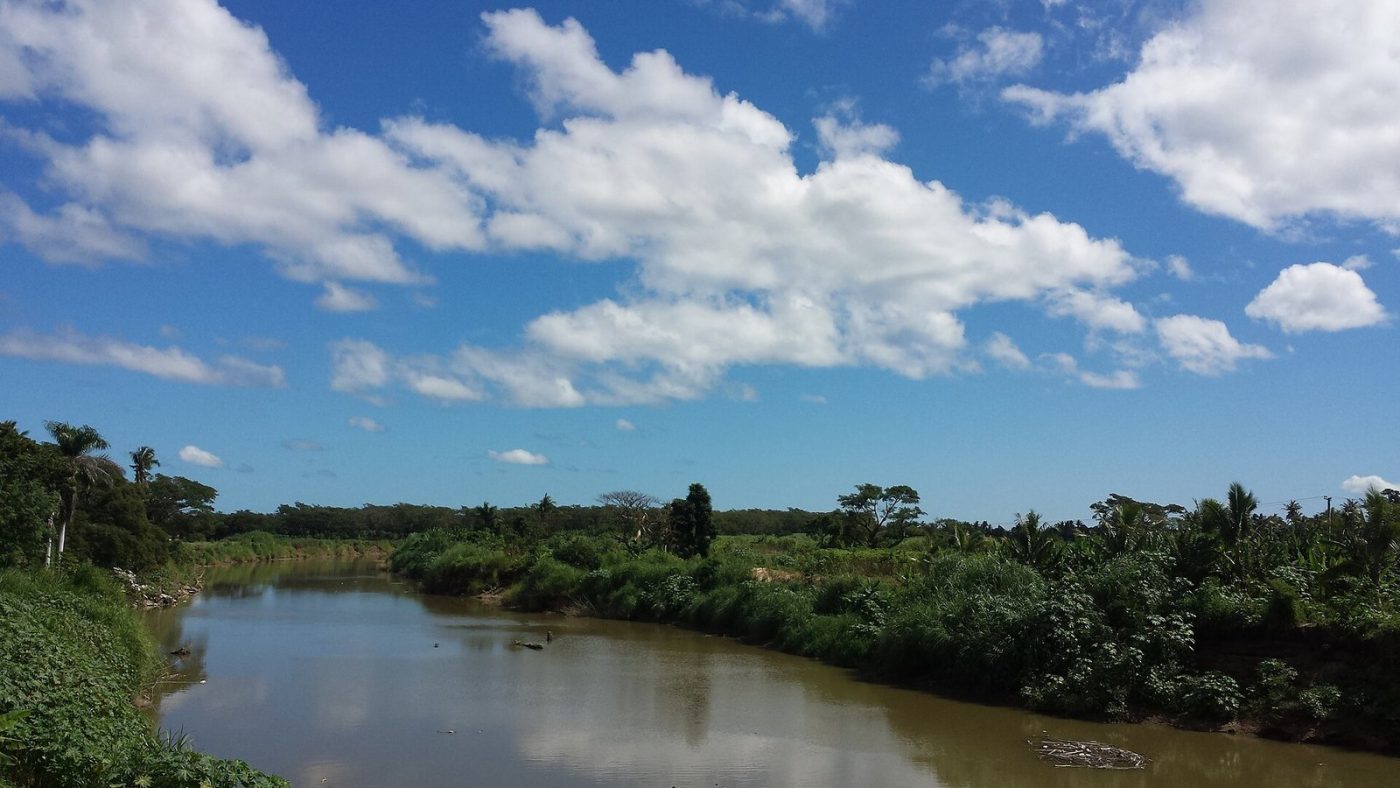
Photo: Rickard Törnblad, CC BY-SA 4.0
| Getting there | International flights to Nadi from Australia, New Zealand, the Pacific, Asia and North America |
|---|---|
| Gateway | Nadi (international airport) |
| Travel time | 4 h flight from Sydney or 3 h from Auckland |
| Days | A week or more |
| Best months | May–Oct dry and cooler; Nov–Apr hot, wet, with cyclone risk |
| Getting around | Cheap local buses and coaches on the coast roads; taxis, rental cars, resort transfers |
| Booking | Resorts and school-holiday dates months ahead; day cruises a few days ahead |
| Cost | Mid-range for Fiji; resorts expensive, local food cheap |
| Beaches | Modest beaches on the main island; Natadola is the best, white sand is on the offshore islets |
| Sea | Pacific Ocean |
| Area | 10,388 km² |
| Population | 580,000 |
| Highest point | 1,324 m (Mount Tomanivi) |
| Airport | Yes, scheduled flights |
| Car-free | No |
| Checked | October 2026 |
Viti Levu is where most Fiji holidays start, and much of what is sold leaves from Nadi or Port Denarau, the marina on Denarau Island near the airport.
The biggest category is day cruises to small offshore islands. Large catamarans and smaller boats sail from Port Denarau to coral islets in the Mamanuca group or off the north-west coast, with snorkelling, kayaks, lunch and sometimes a village visit or a short cultural show included; drinks are usually extra. Sunset dinner cruises leave from the same marina, and some combine a day trip with an evening meal on board.
Reef and wildlife trips go further: snorkelling with dolphins on a reef off the coast, or diving with sharks in Beqa Lagoon near Pacific Harbour. On land, half-day tours around Nadi cover the Sabeto mud pools, the Hindu temple and the orchid garden, while longer trips head into the highlands to waterfalls and villages, or to the Navua River for rafting or tubing. Transfers from Nadi or Coral Coast hotels are normally included.
Recommendation: take one island day cruise to see the classic white sand and reefs, and one inland trip for villages and rivers, which is what makes Viti Levu different from the outer islands.
From Port Denarau, boats reach the small sandy islets of the Mamanuca group in 30 to 90 minutes. This is the Fiji of the brochures: white sand, palm trees and coral reefs just off the beach. Spend the day snorkelling, kayaking or simply on the sand, and choose a smaller boat if you want fewer people.
An hour south of Nadi, Natadola is the finest beach on the main island, a long curve of pale sand with calm water inside the reef. From here the Coral Coast runs east past resorts, villages and the Sigatoka Sand Dunes, a national park of high dunes where walking trails cross ancient burial sites. Stop in Sigatoka town for lunch.
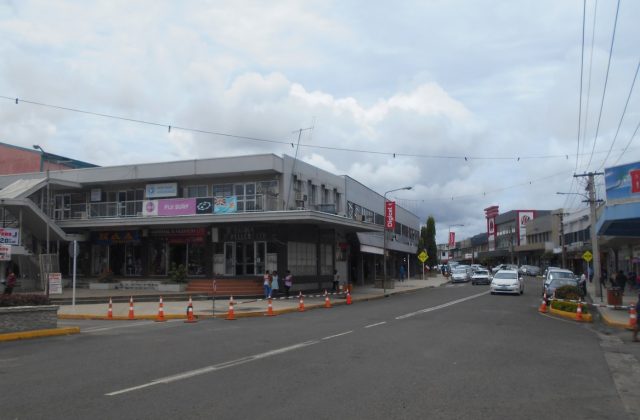
Nadi is busy rather than beautiful, but its colourful Hindu temple and markets show the Indo-Fijian side of the island. North of town, in the Sabeto valley, you can wallow in warm mud pools and rinse off in hot springs, then visit an orchid garden at the foot of the mountains known as the Sleeping Giant.
Pacific Harbour, on the south coast about three hours from Nadi, is the base for adventure trips. Divers go to Beqa Lagoon for shark dives with bull and reef sharks; others take boats or rafts up the Navua River through a gorge of waterfalls and rainforest to riverside villages. River tubing trips run on calmer stretches.
Fiji's capital, on the wet south-east coast, is one of the largest cities among the South Pacific islands, with colonial buildings, a lively municipal market and the Fiji Museum in Thurston Gardens, which tells the islands' history from canoes to colonial times. Just outside town, Colo-i-Suva Forest Park has trails, swimming holes and rainforest birds.
Inland the island rises to Mount Tomanivi, the highest peak in Fiji at 1,324 metres. In the Nausori Highlands, Navala is a village of traditional thatched houses, reached by a rough road. Visitors are welcome with a guide and a small fee; bring kava root as a gift, cover shoulders and knees, and remove hats in the village.
Our pick for each kind of trip, with live dates and prices. Free cancellation on most.
Best for: First visit, a day on a tiny island
A boat from Port Denarau to a small coral islet with snorkelling and beach time, the easiest way to sample the classic white-sand Fiji in a single day.
Nadi International Airport, on the west coast, is Fiji's main gateway. Direct flights arrive from Sydney, Brisbane and Melbourne in about four hours, from Auckland in about three, and from Los Angeles, San Francisco, Hong Kong, Singapore and other Pacific islands. Suva has a smaller airport at Nausori for domestic and some regional flights.
Many visitors move straight on: boats leave Port Denarau daily for the Mamanuca and Yasawa islands, and small planes fly from Nadi and Suva to Taveuni, Vanua Levu and other islands. If you are staying on Viti Levu, resorts arrange airport transfers, taxis are plentiful, and the Queens Road along the south coast and the Kings Road along the north link the airport with the rest of the island. A few cruise ships call at Suva and Lautoka.
Viti Levu is large: driving from Nadi to Suva along the Coral Coast takes about four hours. Local buses run often along both coast roads and are very cheap, with open windows and stops anywhere; air-conditioned coaches link Nadi and Suva several times a day. Taxis are inexpensive for short trips. Renting a car is easy; traffic drives on the left, roads are mostly paved but rough in the interior, and night driving is best avoided.
Fiji is warm all year. The dry season, May to October, is the best time, with daytime temperatures around 26 to 28 degrees, lower humidity and calm seas; it is also the busiest, especially during Australian and New Zealand school holidays. The west around Nadi is noticeably drier and sunnier than Suva, which gets rain in any month.
November to April is hot and humid, with heavy downpours and the risk of cyclones, most likely from January to March. Prices drop and outer islands are quieter, but travel insurance and flexible plans matter. Sea temperatures stay between about 25 and 29 degrees all year, so swimming and diving are always possible.
The Hindu festival of Diwali, usually in October or November, lights up Nadi and Suva. Allow a week or more, splitting your time between the main island and one or two outer island groups.
Denarau Island, ten minutes from the airport, has the big international resorts, golf and the marina for island boats, ideal for short stays and easy day cruises. Nadi town and Wailoaloa beach suit budget travellers. The Coral Coast, between Natadola and Pacific Harbour, offers family resorts on the reef with village life nearby. Suva suits business and culture rather than beaches, and the north coast near Rakiraki is quieter, with good diving offshore.
Viti Levu was settled about 3,000 years ago by seafarers who made the distinctive Lapita pottery. Fijian chiefdoms fought for power over centuries, and the highlands were among the last places where cannibalism was practised; a missionary was killed and eaten there in 1867. Fiji became a British colony in 1874, and Suva became the capital a few years later. The British brought labourers from India to work the sugar cane, creating today's mixed society. Fiji became independent in 1970.
Most travellers combine Viti Levu with the Mamanuca Islands, 30 to 90 minutes by boat from Port Denarau, or the Yasawas, a few hours further north by daily fast catamaran. Short flights reach Taveuni for diving and waterfalls, or Vanua Levu for quieter bays. Beqa and the old colonial capital of Levuka on Ovalau are easy side trips from the south-east.
International flights to Nadi from Australia, New Zealand, the Pacific, Asia and North America.
From Nadi (international airport): 4 h flight from Sydney or 3 h from Auckland.
A week or more.
May–Oct dry and cooler; Nov–Apr hot, wet, with cyclone risk.
Cheap local buses and coaches on the coast roads; taxis, rental cars, resort transfers.
Go if you want a varied Fiji base with resorts, river trips, village visits and easy boat days out to small islands. Skip it or head straight to the Mamanucas or Yasawas if your goal is white sand and clear water from your doorstep.
Mid-range for Fiji; resorts expensive, local food cheap.
Modest beaches on the main island; Natadola is the best, white sand is on the offshore islets.
Resorts and school-holiday dates months ahead; day cruises a few days ahead.
Yes. Boat trips, guided tours and day trips for Viti Levu can be booked online; live prices and free cancellation on most are shown on this page.
Fiji
Fiji is an island nation in the South Pacific of more than 330 islands, about a third of them inhabited, spread around…
76 tours & trips
Fiji
Taveuni is Fiji's third-largest island, a 42-km-long volcanic ridge of rainforest known as the Garden Island, with…
3 tours & trips
Fiji
Vanua Levu is Fiji's second-largest island, 5,587 square kilometres of mountains, rainforest and quiet coast about…
1 tour