Jeju
South Korea
Jeju is South Korea's largest island, an oval volcano about 73 km long lying some 80 km off the southern tip of…
118 tours & trips
South Korea · Seas of Japan & Korea · Historic island
Ganghwa is a large island at the mouth of the Han River, joined by bridges to the mainland about 60 km north-west of central Seoul. It packs Korean history into an easy day trip: UNESCO-listed Bronze Age dolmens, an old royal refuge, 19th-century coastal forts, ancient temples and views across the water to North Korea.
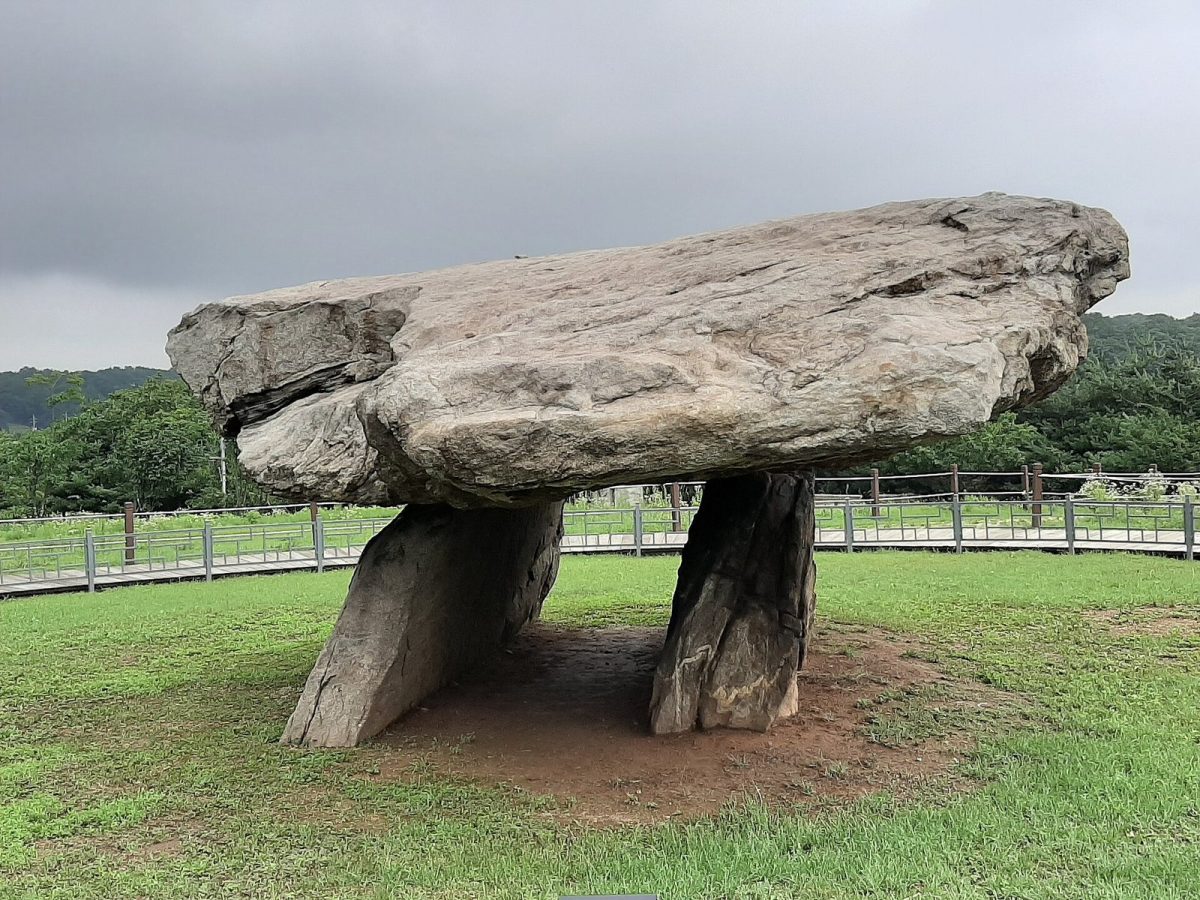
Photo: Taewangkorea, CC BY-SA 4.0
| Getting there | Road bridges from Gimpo; buses from Seoul's Sinchon area in about 1.5 to 2 h, or drive |
|---|---|
| Gateway | Seoul or Incheon (by road) |
| Travel time | 1.5 to 2 h by bus or car from Seoul |
| Days | A day trip, or 1 night |
| Best months | Apr–Jun and Sep–Oct; Jul–Aug hot and rainy; winters very cold |
| Getting around | Car or tour best; local buses from Ganghwa town are slow and infrequent |
| Booking | Nothing far ahead; weekend tours and temple stays a week or two ahead |
| Cost | Mid-range; cheaper than Seoul |
| Beaches | Mudflats rather than swimming beaches; Dongmak in the south is the main sandy beach |
| Sea | Seas of Japan & Korea |
| Area | 302 km² |
| Population | 62,021 (2016) |
| Highest point | 469 m (Manisan) |
| Airport | No |
| Car-free | No |
| Bridge | Road bridge or causeway to the mainland |
| UNESCO | Gochang, Hwasun and Ganghwa Dolmen Sites |
| Checked | October 2026 |
Ganghwa is large and its sights are spread out, so the main decision is whether to go with a guide or drive yourself.
Guided day trips from Seoul are the most common choice. Small groups or private cars pick you up in the city, cross the bridge and visit the dolmen park, a temple such as Jeondeungsa, one or two of the coastal forts and a North Korea viewpoint, returning in the evening. Transport and the guide are included; lunch and entrance fees, which are small, are sometimes extra. Private tours cost more but let you choose the mix of history, food and scenery.
Other day trips lean towards leisure: the luge track, gardens and cafes for families, or a combination with the peace park and observatories along the northern border. There are also tours designed for passengers with a long layover at Incheon airport, with transfers built in.
Independent travel is possible by intercity bus to Ganghwa town and then local buses or taxis, but connections are slow. Recommendation: for a first visit, book a guided day from Seoul; on a second trip, rent a car and add Seongmodo and Gyodong.
The island holds well over a hundred Bronze Age stone tombs and is part of a UNESCO World Heritage listing with sites at Gochang and Hwasun. The largest, at Bugeun-ri in the north, is a huge table of stone on two uprights in an open field. A history museum next to the park explains who built them.
Inside the stone walls of the Samnangseong fortress in the south, this is one of the oldest Buddhist temples in Korea, rebuilt many times since its founding. Walk up through the forest gate, look for the carved figures under the eaves of the main hall, and allow two hours. Temple stays here offer a night of monastic routine.
Along the strait on the east coast stand the forts of Chojijin, Deokjinjin and Gwangseongbo, where Korean troops fought French and American forces in 1866 and 1871 and a Japanese ship in 1875. The walls and gun emplacements have been restored, and paths along the shore link them over about 10 km.
In the north, observatories look across the Han River estuary to North Korean villages and farmland, at points less than 2 km away. On a clear day you can see fields, roads and buildings with binoculars. Carry your passport, as there are military checkpoints, and expect closures at short notice.
In the main town, the site of the Goryeo royal palace recalls the decades when the court took refuge on the island during the Mongol invasions. Nearby are a small Anglican church built in traditional Korean style in 1900 and the five-day market, good for ginseng, mugwort and pickled shrimp.
A bridge from Ganghwa's west coast leads to Seongmodo, where Bomunsa Temple sits high above the sea. Climb the steep stairs to a large Buddha carved in the cliff, with views over the islands and mudflats at sunset. Below, hot spring baths offer a soak with sea views after the climb.
Our pick for each kind of trip, with live dates and prices. Free cancellation on most.
Best for: First visit, history with a guide
A private day from Seoul covering the dolmens, temples and forts with a guide and car, the easiest way to make sense of a spread-out island.
Ganghwa is joined to the mainland at Gimpo by two road bridges, so there is no ferry to deal with. Intercity buses leave from the Sinchon area of Seoul and from other city terminals for Ganghwa bus terminal in the main town, taking about 1.5 to 2 hours depending on traffic, which is heavy on weekend mornings and Sunday evenings.
From Incheon airport the drive is around an hour. Driving is the most flexible way to see the island: rental cars are available in Seoul and at the airport, the roads are good and parking at the main sights is easy outside public holidays. Further bridges connect Ganghwa with the smaller islands of Seongmodo and Gyodong.
Ganghwa covers about 300 square kilometres, and its sights are scattered around the coast and the hills. A car or a guided tour makes a day trip work; with them you can see four or five sites. Local buses run from Ganghwa terminal to the temples, forts and Seongmodo, but services are infrequent and signs mostly in Korean, so plan with a map app. Taxis wait at the terminal and are reasonably priced.
Spring and autumn are the best seasons. April brings cherry and azalea blossom, with azaleas covering the slopes of Goryeosan, while September and October are dry and clear, with good visibility across to North Korea and autumn colour around the temples.
Summer, from late June to August, is hot and humid, with the monsoon rains in July. Winter is cold and windy, with temperatures well below freezing, though the sights stay open and crowds are thin. Weekends and the Chuseok and Lunar New Year holidays bring heavy traffic on the bridges and long waits at popular cafes and the luge, so go on a weekday if you can. One day covers the highlights; stay a night to add Seongmodo, a sunset over the mudflats and a slower walk around the forts.
Most visitors come for the day from Seoul and stay in the city. If you stay overnight, Ganghwa town in the north-east has the most motels, restaurants and the bus terminal. Guesthouses and pensions near Dongmak and on the south and west coasts suit people with a car who want sea views and quiet. Jeondeungsa runs temple stays, and Seongmodo has a few lodgings near the hot springs.
Ganghwa's position at the mouth of the river leading to the capital has shaped its history. Bronze Age people left its dolmens, and legend links the altar on Manisan to Dangun, Korea's mythical founder. In the 13th century the Goryeo court moved here for almost 40 years to escape the Mongols, and the woodblocks of the Tripitaka Koreana were carved in that period. In the 19th century its forts fought French, American and Japanese ships, and the treaty that opened Korea was signed here in 1876.
Ganghwa is a day out from Seoul, about two hours away, or from Incheon. Pair it with the Aegibong peace park in Gimpo on the way, or cross to Gyodong for its old market streets. Seoul's palaces, the DMZ tours from Paju and the islands off Incheon make a week of northwest Korea.
Road bridges from Gimpo; buses from Seoul's Sinchon area in about 1.5 to 2 h, or drive.
From Seoul or Incheon (by road): 1.5 to 2 h by bus or car from Seoul.
A day trip, or 1 night.
Apr–Jun and Sep–Oct; Jul–Aug hot and rainy; winters very cold.
Car or tour best; local buses from Ganghwa town are slow and infrequent.
Go if you want Korean history, dolmens, temples and a look at North Korea within easy reach of Seoul. Skip it or choose Jeju or Nami Island if you want beaches, swimming or a relaxed resort island.
Mid-range; cheaper than Seoul.
Mudflats rather than swimming beaches; Dongmak in the south is the main sandy beach.
Nothing far ahead; weekend tours and temple stays a week or two ahead.
Yes. Boat trips, guided tours and day trips for Ganghwa Island can be booked online; live prices and free cancellation on most are shown on this page.
South Korea
Jeju is South Korea's largest island, an oval volcano about 73 km long lying some 80 km off the southern tip of…
118 tours & trips
South Korea
Nami Island is a small, half-moon river island in the Bukhan River, about 60 km north-east of Seoul, planted with long…
31 tours & trips
South Korea
Ulleungdo is a steep volcanic island in the East Sea, about 120 km off South Korea's east coast, rising to 984…
No tours listed