Nami Island
South Korea
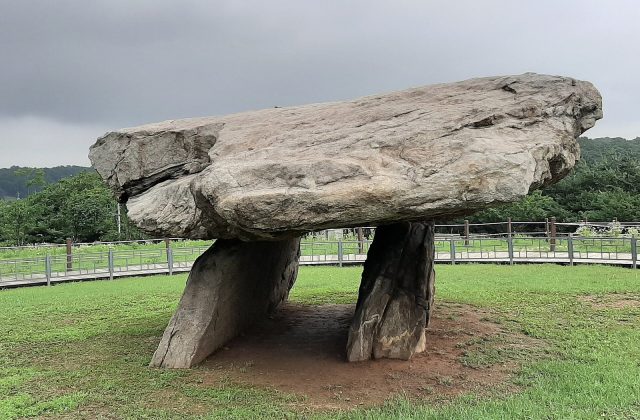
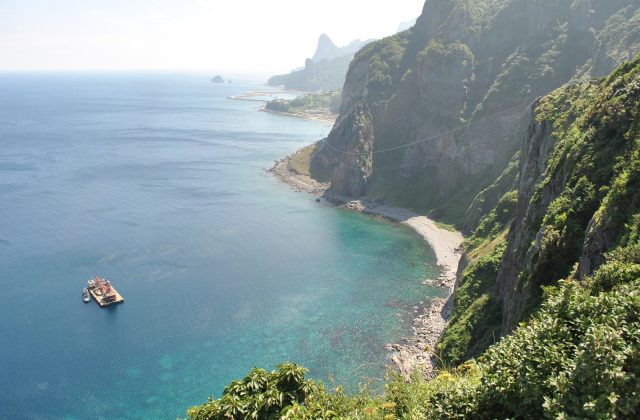
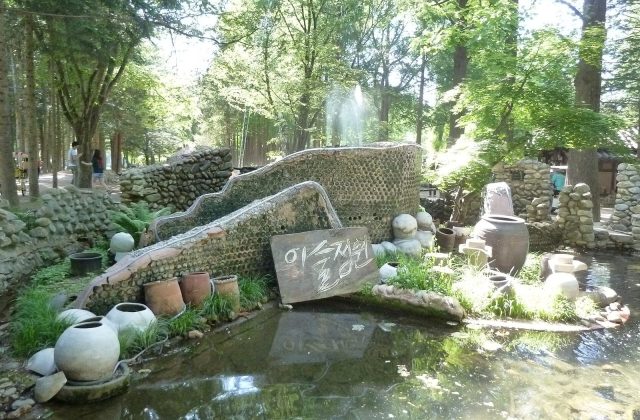
Nami Island is a small, half-moon river island in the Bukhan River, about 60 km north-east of Seoul, planted with long…
31 tours & trips
South Korea · Seas of Japan & Korea · Nature & wildlife island
Jeju is South Korea's largest island, an oval volcano about 73 km long lying some 80 km off the southern tip of the peninsula, with Hallasan, the country's highest peak at 1,947 metres, in the middle. Lava tubes, crater cones, waterfalls and the island's women divers draw Korean holidaymakers and a growing number of foreign visitors.
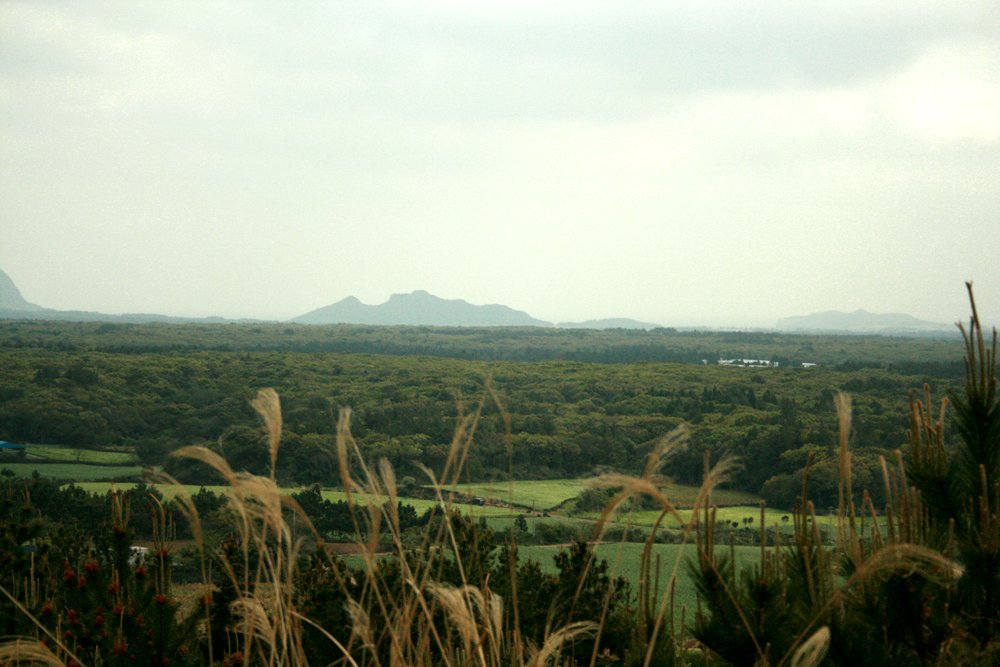
Photo: Yongchangjang at English Wikipedia, CC BY-SA 3.0
| Getting there | About 1 h by air from Seoul Gimpo or Busan, many flights daily; slower ferries from Mokpo and Wando |
|---|---|
| Gateway | Seoul (Gimpo) or Busan by air |
| Travel time | About 1 h by air from Seoul |
| Days | 3 to 5 nights |
| Best months | Apr–June and Sep–Nov; July–Aug humid with typhoon risk; winter windy |
| Getting around | Rent a car with an international permit, or use the good bus network and taxis |
| Booking | Flights and rooms for holidays and summer; Hallasan summit trails need a reservation |
| Cost | Mid-range by Korean standards |
| Beaches | White sand and turquoise water at Hyeopjae and Hamdeok; black sand at Samyang; best July–Aug |
| Sea | Seas of Japan & Korea |
| Area | 1,833 km² |
| Population | 583,284 |
| Highest point | 1,947 m (Hallasan) |
| Airport | Yes, scheduled flights |
| Car-free | No |
| UNESCO | Jeju Volcanic Island and Lava Tubes |
| Checked | October 2026 |
Jeju is easy to tour independently by car, but many visitors without a licence or Korean language skills book guided days, and the choice is wide.
The core product is a day tour of one side of the island. Eastern tours visit the Seongsan sunrise crater, the Manjanggul lava tube and often a performance by the haenyeo women divers; western and southern tours cover the waterfalls, basalt columns at Jusangjeolli, Sanbangsan and the beaches. Two-day combinations cover both sides. Small-group vans are better value than private cars, but private charters with an English-speaking driver suit families and cruise passengers, and are popular for shore excursions.
Seasonal tours focus on cherry blossoms and rapeseed in spring, hydrangeas in summer, pink muhly grass and tangerine picking in autumn and snow on Hallasan in winter. Guided Hallasan hikes take care of the summit reservation and timing. You can also book diving, freediving, yacht trips, fishing, a haenyeo experience with seafood, tangerine brewing classes and temple meditation.
Transport, guide and entrance fees are normally included in day tours; lunch varies. For a first visit, book a guided east-side day and drive or take the bus elsewhere.
On the eastern tip, this tuff cone rose from the sea in an eruption about 5,000 years ago. A stepped path climbs to the rim in 20 to 30 minutes, with a view into the grassy crater. Come for sunrise, or watch the haenyeo divers' show at the base. The ferry to Udo leaves from Seongsan port nearby.
The volcano in the centre is a national park with trails through forest and alpine scrub. The Seongpanak and Gwaneumsa trails reach the crater lake at the summit in a long day and need an advance reservation and an early start. The Yeongsil trail is shorter, does not reach the top, and has fine views of rock pinnacles.
In the north-east, a long lava tube formed when molten rock drained from under a cooled crust; about 1 km is open, ending at a large lava column. It is cool and damp inside all year, so bring a jacket and good shoes. Combine it with Gimnyeong beach or the stone walls and village life of the east.
A small island 15 minutes by ferry from Seongsan, with white coral sand beaches, peanut ice cream and rolling fields. Rent an electric bike or scooter, or take the hop-on bus, around the coastal road; the loop is about 17 km. Go early on summer weekends, when queues at the port grow long.
On the south coast, Seogwipo is a relaxed town with a busy market. Jeongbang waterfall drops straight into the sea; Cheonjiyeon is a short walk from the harbour and lit at night; Cheonjeyeon, near Jungmun, has three tiers. Further west, the coast at Jusangjeolli is lined with hexagonal basalt columns.
The Jeju Olle network of walking routes circles the island in some 27 sections, mostly along the coast through villages, harbours and fields. Inland, many of the 360 or so small volcanic cones, called oreums, can be climbed in under an hour; Geomun Oreum, part of the World Heritage area, needs a booked guided walk.
Our pick for each kind of trip, with live dates and prices. Free cancellation on most.
Best for: First visit, the volcanic east
A day covering the eastern World Heritage sights, including the sunrise crater and a lava tube, with transport and timing handled for you.
Most visitors fly. The route from Seoul Gimpo to Jeju is one of the busiest in the world, with flights every few minutes and a flight time of about an hour; there are also frequent flights from Busan, Daegu and other Korean cities, and international flights from China, Japan, Taiwan and South-East Asia. Jeju International Airport is on the edge of Jeju City in the north.
Ferries run from Mokpo and Wando on the south-west mainland, taking several hours, and longer overnight sailings link Busan and Incheon. They are useful if you are driving: you can bring a car, although renting one on Jeju is easier.
Cruise ships call at Jeju Port and at the Gangjeong cruise terminal near Seogwipo.
A car gives the most freedom: rental agencies near the airport are many, but you need an international driving permit, and roads are good and well signed. The bus network is extensive and cheap, with express buses across the island and local services to the villages; use a Korean map app, as international ones work poorly here. Taxis are reasonably priced and can be hired by the day. Cycling the coastal road is popular, but the interior is hilly.
April to June and September to November are the best times. Spring brings cherry blossoms and yellow rapeseed fields in late March and April. Autumn has clear skies, silver grass on the oreums and the start of the tangerine harvest.
July and August are hot and humid, with the monsoon rains of late June and July and a typhoon risk into September; this is also when the beaches officially open and fill with Korean families. Sea temperatures peak around 25 degrees in August.
Winter is mild for Korea but windy and grey, and snow covers Hallasan, making it a popular winter hike with crampons. Korean holidays, especially Chuseok in autumn and Lunar New Year, bring crowds and high prices. Three to five nights is enough for the main sights.
Jeju City in the north has the airport, the most hotels, markets and nightlife, and is practical for short stays. Seogwipo on the south coast is closer to the waterfalls, Hallasan trails and the Olle routes. Jungmun has the big resort hotels, a beach and the convention centre. The east, around Seongsan and Hamdeok, and the west around Aewol and Hyeopjae, have guesthouses, cafés and beaches, and suit drivers.
For centuries Jeju was the independent kingdom of Tamna before it was absorbed into Korea. In the 13th century the Mongols used it for horse breeding, and the small Jeju horses still graze its pastures. Under the Joseon dynasty it was a place of exile. Jeju is known for wind, stones and women: the haenyeo divers, now recognised by UNESCO as intangible heritage, kept families going. The uprising and massacres of 1948 and 1949 killed many thousands, remembered at the Peace Park. From the 1970s Jeju became Korea's honeymoon island.
Busan, an hour's flight away, makes a natural pair with its beaches, markets and temples. Seoul is the usual gateway, about an hour by air. The small islands of Udo and Gapado can be visited from Jeju by ferry. With more time, travel from Busan to the ancient capital of Gyeongju, under an hour by fast train.
About 1 h by air from Seoul Gimpo or Busan, many flights daily; slower ferries from Mokpo and Wando.
From Seoul (Gimpo) or Busan by air: about 1 h by air from Seoul.
3 to 5 nights.
Apr–June and Sep–Nov; July–Aug humid with typhoon risk; winter windy.
Rent a car with an international permit, or use the good bus network and taxis.
Go if you want volcanic hikes, coastal walks, seafood and a gentle, easy-to-travel corner of Korea. Skip it or stay on the mainland with Busan or Gyeongju if you want deep history, big-city life or reliable beach weather outside summer.
Mid-range by Korean standards.
White sand and turquoise water at Hyeopjae and Hamdeok; black sand at Samyang; best July–Aug.
Flights and rooms for holidays and summer; Hallasan summit trails need a reservation.
Yes. Boat trips, guided tours and day trips for Jeju can be booked online; live prices and free cancellation on most are shown on this page.
South Korea
Nami Island is a small, half-moon river island in the Bukhan River, about 60 km north-east of Seoul, planted with long…
31 tours & trips
South Korea
Ganghwa is a large island at the mouth of the Han River, joined by bridges to the mainland about 60 km north-west of…
4 tours & trips
South Korea
Ulleungdo is a steep volcanic island in the East Sea, about 120 km off South Korea's east coast, rising to 984…
No tours listed