Elba
Tuscan Archipelago, Italy
Elba is the largest island of the Tuscan Archipelago and the third largest in Italy, lying only 10 km off the port of…
45 tours & trips
Italy · Tyrrhenian Sea · Beach island
Giglio is a granite island of the Tuscan Archipelago, about 16 km off the Monte Argentario peninsula and an hour by ferry from Porto Santo Stefano. Its 21 square kilometres hold a busy little harbour, a walled medieval village on the hill and clear water that makes it one of the best places in Tuscany for diving and snorkelling.
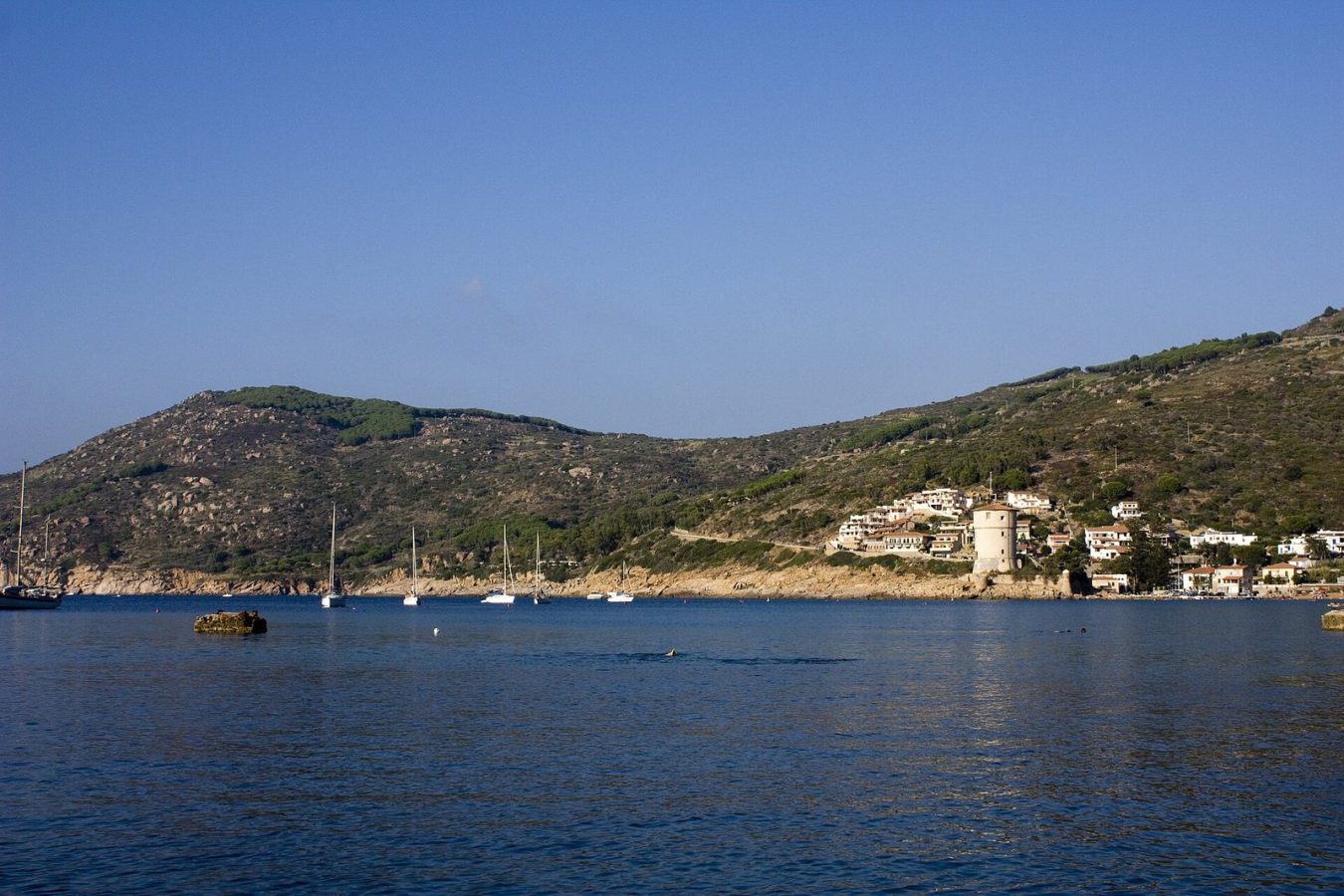
Photo: ciocci, CC BY 2.0
| Getting there | Ferry from Porto Santo Stefano on Monte Argentario in about 1 h, several times a day in summer |
|---|---|
| Gateway | Porto Santo Stefano |
| Travel time | About 1 h by ferry |
| Days | A day trip, or 1 to 2 nights |
| Best months | Jun and Sep; Jul–Aug hot and full of Italian holidaymakers; quiet in winter |
| Getting around | Local buses link Porto, Castello and Campese; scooters for hire; leave the car |
| Booking | August ferries with a car and rooms well ahead; boat trips a day ahead |
| Cost | Mid-range for the Tuscan coast; August is pricey |
| Beaches | Granite coves and small sand bays: Campese, Arenella, Cannelle and Caldane |
| Sea | Tyrrhenian Sea |
| Archipelago | Tuscan Archipelago |
| Area | 21 km² |
| Population | 1,450 (2001) |
| Highest point | 496 m (Poggio della Pagana) |
| Ferry | 1 h from Porto Santo Stefano |
| Airport | No |
| Car-free | No |
| Checked | October 2026 |
Giglio is easy to reach on your own by ferry, so what is sold here is mainly about getting onto and into the water.
Day trips by boat from the mainland are the simplest way to see it without planning ferries. They leave Porto Santo Stefano or other ports on the Maremma coast in the morning, give you a few hours in Giglio Porto, often add a swim stop and sometimes combine Giglio with the tiny island of Giannutri. Most include a light lunch or pasta on board; bus transfers to the port and drinks are usually extra.
On the island, the best value is a boat tour round the coast in a small inflatable or a wooden boat, about three hours, with stops in coves for snorkelling. Gear is normally included, and you can bring your own picnic. Dive centres in Giglio Porto and Campese run guided dives on the granite reefs, introductory dives for beginners and snorkelling trips.
Recommendation: come by public ferry, spend at least one night, and book a half-day boat tour on the island to see the coast that the road does not reach.
The walled medieval village sits on a ridge about 400 metres above the sea, a short bus ride or a steep path from the port. Walk the narrow lanes within the walls, past arches and outside staircases, up to the Aldobrandeschi fortress. Local white wine, Ansonaco, is served in the small bars, and the views reach Corsica.
Much of the granite coast has no road, and the best way to see it is from a small boat that circles the island in about three hours. Stops in sheltered coves give time to snorkel among rocks and seagrass meadows, in water that is often clear to 20 metres. Dive sites such as Le Scole lie off the east coast.
The west coast resort has the island's largest sandy beach, a sweeping bay backed by holiday homes and closed at one end by the stone Torre del Campese. It is the best place on Giglio for families and for sunsets over the sea. It lies about 8 km from the port by a winding road over the hills.
The ferry harbour is the island's liveliest place, with pastel houses around the quay, fishing boats and seafood restaurants along the waterfront. From here short walks lead to the small beaches of Cannelle and Arenella, a few kilometres to the south and north, while water taxis serve coves further along.
Old mule tracks cross the island through Mediterranean scrub, vineyard terraces and granite outcrops, linking Porto, Castello and Campese. A path climbs towards Poggio della Pagana, the highest point, and the southern half to Capel Rosso lighthouse is the quietest. Walk in spring or autumn, carry water and avoid the midday sun.
Our pick for each kind of trip, with live dates and prices. Free cancellation on most.
Best for: First visit, a day from the coast
A full day by boat from Porto Santo Stefano with a meal on board, combining time on Giglio with a stop at tiny Giannutri, so you see two islands without planning ferries.
Ferries to Giglio leave from Porto Santo Stefano on the Monte Argentario peninsula, about two hours by car from Rome and a little more from Florence. Two companies, Toremar and Maregiglio, share the route; crossings take about an hour and run several times a day in summer and less often in winter. Tickets are sold at the port and online.
Without a car, take the train on the Rome to Pisa line to Orbetello, then a local bus to Porto Santo Stefano. Cars can travel on the ferry, but the roads on Giglio are narrow, parking at the port and in Campese is very limited and the island is small, so most visitors leave their car in a paid car park in Porto Santo Stefano. Day-trip boats in summer also sail from other Tuscan ports.
Local buses link Giglio Porto, Castello and Campese, running regularly in summer and less often in winter; they are the easiest way up to Castello. Taxis and minibuses wait at the ferry, and water taxis serve the beaches along the east coast. Scooters and small cars can be rented in Giglio Porto. The roads are steep, narrow and full of hairpins, so drive carefully. Walking paths link the three villages for those with stamina.
June and September are the best months: warm, sunny days, a sea warm enough for swimming at about 22 to 24 degrees and space on the beaches. July and especially August are hot and crowded, as Italian families arrive for the summer holidays, ferries with cars fill up, prices rise and beaches like Campese get packed. If you must go then, book ferries and rooms well ahead.
May and early October are pleasant for walking and diving, though the water is cooler and some beach bars are not yet open. From November to March the island is quiet, many hotels and restaurants close, ferries run less often and winter storms can cancel crossings. A day trip covers Giglio Porto and Castello; one or two nights let you add a boat tour, a dive and an evening in Castello.
Giglio Porto is the most practical base, with the ferries, restaurants and many rooms; it suits short stays and people without a car. Campese on the west coast suits families and beach lovers, with the big sandy bay and sunset views, but is quieter in the evening. Castello, high on the ridge, has a few rooms in old houses, with cool evenings and character, but needs the bus or a car for the beaches.
Giglio has been inhabited since prehistoric times; the Romans built villas here, and the remains of one can still be traced near the port. In the Middle Ages it passed between Pisa, the Aldobrandeschi and Florence, and its fortified hill village was built against pirate raids. In 1544 the corsair Barbarossa carried off most of the population as slaves, and the island was later resettled. In 2012 the cruise ship Costa Concordia ran aground off the harbour, killing 32 people; the wreck was removed in 2014.
Giglio pairs well with the Monte Argentario peninsula and the Maremma coast, including Orbetello and its lagoon, Capalbio and the Maremma regional park. Giannutri, the smallest inhabited island of the archipelago, can be visited by boat in summer. Elba lies further north, reached by ferry from Piombino, and is best treated as a separate trip.
Ferry from Porto Santo Stefano on Monte Argentario in about 1 h, several times a day in summer.
From Porto Santo Stefano: about 1 h by ferry.
A day trip, or 1 to 2 nights.
Jun and Sep; Jul–Aug hot and full of Italian holidaymakers; quiet in winter.
Local buses link Porto, Castello and Campese; scooters for hire; leave the car.
Go if you want clear water, granite coves, a walled hill village and a short ferry ride from the Tuscan coast. Skip it or choose Elba if you want long sandy beaches, many activities or easy access without a car problem. With about 1 h each way from Porto Santo Stefano, a day trip is easy to do.
Mid-range for the Tuscan coast; August is pricey.
Granite coves and small sand bays: Campese, Arenella, Cannelle and Caldane.
August ferries with a car and rooms well ahead; boat trips a day ahead.
Yes. Boat trips, guided tours and day trips for Giglio can be booked online; live prices and free cancellation on most are shown on this page.
Tuscan Archipelago, Italy
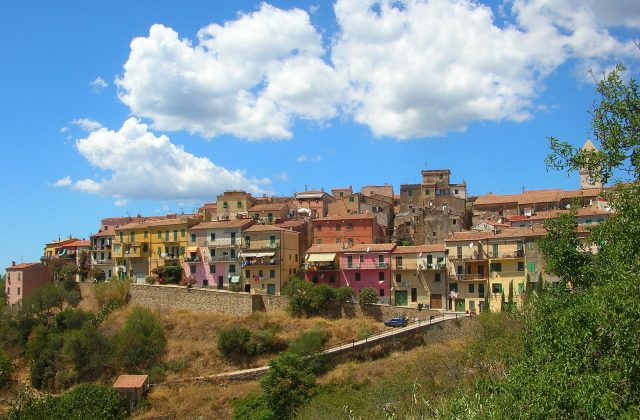
Elba is the largest island of the Tuscan Archipelago and the third largest in Italy, lying only 10 km off the port of…
45 tours & trips
Tuscan Archipelago, Italy
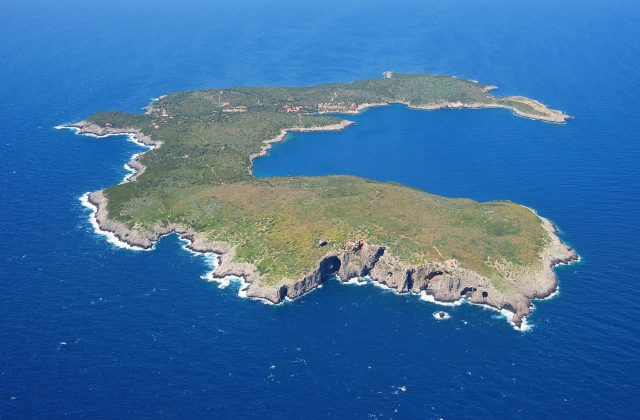
Giannutri is the southernmost island of the Tuscan Archipelago, a crescent of limestone just 2.6 square kilometres in…
3 tours & trips
Tuscan Archipelago, Italy
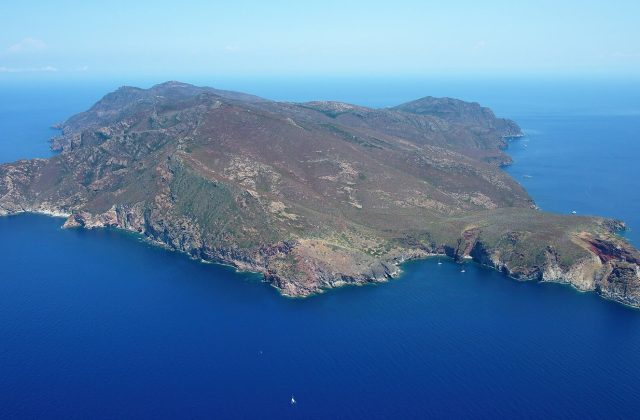
Capraia is the most north-westerly island of the Tuscan Archipelago, a volcanic ridge of 19 square kilometres lying 62…
1 tour