Rota
Mariana Islands, Guam
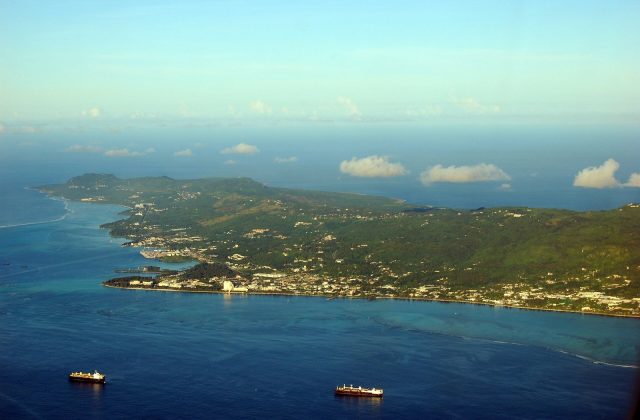
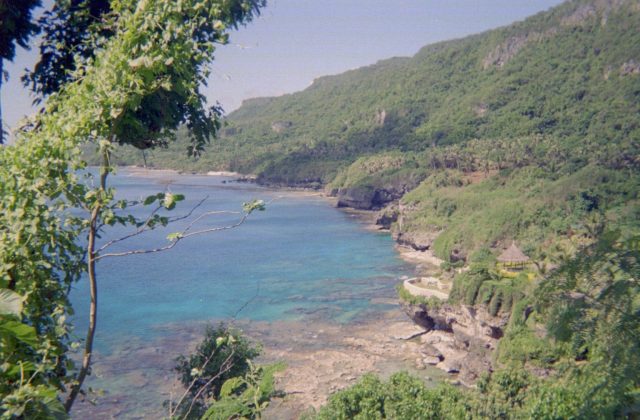
Rota is the southernmost island of the Northern Mariana Islands, a US commonwealth in the western Pacific, about 74 km…
No tours listed
Guam · Pacific Ocean · Beach island
Guam is the largest island in Micronesia and the southernmost of the Marianas, a United States territory in the western Pacific about four hours by air from Tokyo and Seoul. It mixes resort beaches on Tumon Bay with Chamorro villages, Spanish forts, Second World War battlefields and reefs that are easy to snorkel from the shore.
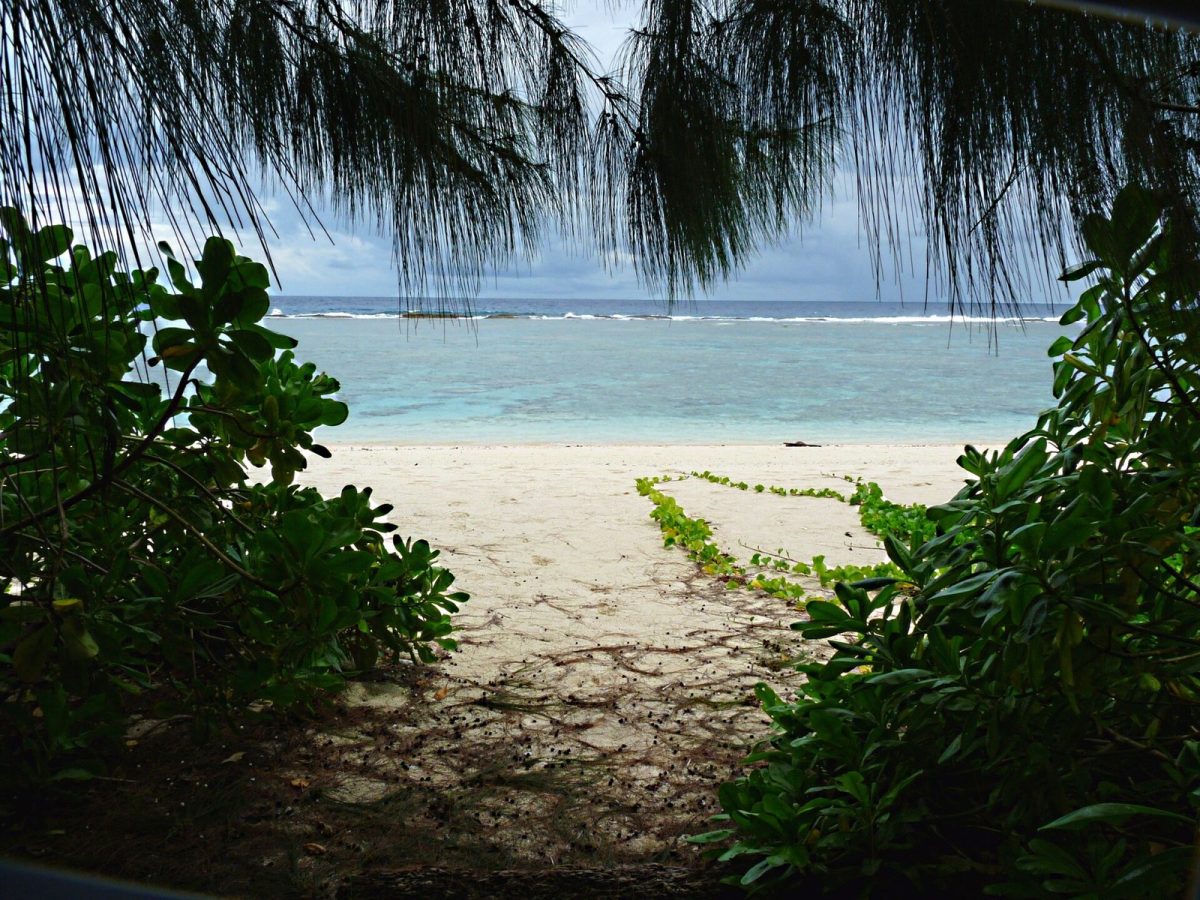
Photo: Laura Beuregard, U.S. Fish & Wildlife Service - Pacific , CC BY 2.0
| Getting there | Flights to Antonio B. Won Pat airport from Tokyo, Seoul and Manila in 3 to 4 h, or via Honolulu |
|---|---|
| Gateway | Guam (Antonio B. Won Pat airport) |
| Travel time | 3 to 4 h by air from East Asia |
| Days | 3 to 5 nights |
| Best months | Jan–May (dry season); rain and typhoon risk Jul–Nov |
| Getting around | Rent a car; a trolley bus serves the Tumon hotels, but the south needs your own wheels |
| Booking | Flights and hotels for Asian holiday periods; shows and boat trips a few days ahead |
| Cost | Mid-range; pricier than South-East Asia, US prices in shops |
| Beaches | Calm reef lagoons with white sand; Tumon Bay for hotels, Ypao for families, Ritidian for empty sand |
| Sea | Pacific Ocean |
| Archipelago | Mariana Islands |
| Area | 544 km² |
| Population | 153,836 (2020) |
| Highest point | 406 m (Mount Lamlam) |
| Airport | Yes, scheduled flights |
| Car-free | No |
| Checked | October 2026 |
Most of what is sold on Guam starts in the Tumon hotel area or at Piti on the west coast, and most trips include hotel pickup, which matters because public transport is thin.
The best-known product is the half-day dolphin cruise: a boat leaves the marina in the morning to find the spinner dolphins that live off the west coast, often with snorkelling and sometimes a visit to the underwater observatory at the marine park. Snorkelling trips in the Piti marine preserve include gear, a guide and a short introduction for beginners; scuba diving is arranged by local dive shops.
In the evening, dinner shows with buffet and Chamorro dancing are popular with families, as are sunset dinner cruises along Tumon Bay. There are also off-road buggy trips in the south with a waterfall stop, and cultural programmes that show coconut husking and traditional crafts.
Prices are in US dollars, and tips are expected as on the American mainland.
Our advice: book one boat trip and one evening show, then rent a car for a day and drive the south coast on your own, which no tour does as well.
The main hotel strip curves around a shallow lagoon protected by a reef, with calm water ideal for children and beginners. At the north end, Two Lovers Point is a cliff-top lookout about 120 metres above the sea, named after a Chamorro legend of a couple who leapt together. Go late afternoon for the light.
On the west coast south of Hagåtña, this protected bay holds dense coral close to shore. A pier leads to an underwater observatory where you look out through windows at fish without getting wet, and the shallow water around it is the island's easiest snorkelling. It is about 20 minutes by car from Tumon.
The small capital keeps the Plaza de España with remains of the Spanish governor's palace, the cathedral and the latte stones, the stone pillars that held up ancient Chamorro houses. On Wednesday evenings the Chamorro Village market sells barbecue, red rice and crafts. Fort Santa Agueda on the hill above has a wide view.
The beaches at Asan and Agat, where American forces landed in July 1944, form a national historical park. Gun emplacements, a memorial wall and a visitor centre explain the battle, and the shallow reefs off the landing beaches are now good for snorkelling. Both sites lie along the west coast road.
Drive the coast road south through Umatac, where Magellan is said to have landed in 1521 and where the hilltop Fort Soledad looks over the bay. Continue to Merizo for the boat to Cocos Island and its lagoon, and stop at viewpoints over the green hills. Mount Lamlam, the highest point at 406 metres, has a short, steep trail.
At the northern tip, a wildlife refuge protects a long, empty beach of white sand backed by forest and limestone cliffs, with caves showing ancient Chamorro rock paintings. Swimming can be dangerous because of currents, so stay in the shallows. Opening days are limited; check before driving the 40 minutes from Tumon.
Our pick for each kind of trip, with live dates and prices. Free cancellation on most.
Best for: First visit, dolphins and the reef
A morning boat from Piti looking for spinner dolphins off the west coast, combined with a visit to the underwater observatory in the marine park.
Guam is reached only by air, except for cruise ships that call occasionally. Antonio B. Won Pat International Airport, close to Tumon, has direct flights from Tokyo, Osaka, Seoul, Busan, Taipei and Manila, mostly three to four hours, and from Honolulu in about seven to eight hours, which is the usual route from the American mainland. There are also flights to Saipan, Rota, Palau and other Micronesian islands.
Guam has its own customs and immigration. Citizens of the United States need proof of citizenship, ideally a passport; many other nationalities can visit visa-free under a special programme for Guam and the Northern Marianas, but check before you fly. Hotels in Tumon are 10 to 15 minutes from the airport by taxi.
A rental car is the best way to see the island, and rental desks are at the airport and in the hotels. Driving is on the right, roads are good and the coast loop takes about three hours without stops. In Tumon, a trolley bus links the hotels, shopping malls and Chamorro Village, but public buses elsewhere are infrequent. Taxis are metered and pricey, and ride-hailing apps work in the main areas. Large parts of the north are closed military land.
Guam is warm all year, around 30 degrees by day, and the sea stays close to 28 degrees. The dry season from January to May brings steady trade winds, blue skies and the calmest diving conditions, and it is the best time to visit.
From July to November the rainy season brings humid days, heavy showers and the risk of typhoons, which can close the airport and damage power and water supplies; travel insurance is wise. June and December are transitional months.
Crowds follow Asian holidays rather than the weather: Japanese Golden Week in late April and early May, the New Year period and Korean holidays fill Tumon, and prices rise. Liberation Day on 21 July is the biggest local festival, with a parade and carnival. Three to five nights are enough for most visitors.
Tumon is where almost all visitors stay: big resort hotels line the beach, with restaurants, shops and the trolley bus at the door, so you can manage without a car. It suits families and first visits. Neighbouring Tamuning and Hagåtña have cheaper business hotels and local restaurants a short drive from the sand. The south has only a few small guesthouses, which suit travellers who want quiet villages and do not mind driving.
The Chamorro people settled the Marianas about 3,500 years ago and built houses on stone pillars still visible across the island. Magellan reached the island in 1521, and from 1668 Spain ruled it as a stop on the galleon route between Mexico and Manila, leaving churches, forts and a Catholic faith that remains strong. The United States took Guam in 1898. Japan occupied it from 1941 to 1944, and the battle to retake it shaped the military island you see today.
Saipan, in the Northern Marianas, is about 45 minutes away by air and has beaches and war sites of its own, with Tinian close by. Rota is a short flight to a quiet island with few visitors. Palau, for diving, is around two hours by air, and many visitors simply pair Guam with Tokyo, Seoul or Manila on the way.
Flights to Antonio B. Won Pat airport from Tokyo, Seoul and Manila in 3 to 4 h, or via Honolulu.
From Guam (Antonio B. Won Pat airport): 3 to 4 h by air from East Asia.
3 to 5 nights.
Jan–May (dry season); rain and typhoon risk Jul–Nov.
Rent a car; a trolley bus serves the Tumon hotels, but the south needs your own wheels.
Go if you want warm, calm lagoons, easy snorkelling, American comforts and war history within a short flight of East Asia. Skip it or choose Palau if you want world-class diving, wild islands and few hotels.
Mid-range; pricier than South-East Asia, US prices in shops.
Calm reef lagoons with white sand; Tumon Bay for hotels, Ypao for families, Ritidian for empty sand.
Flights and hotels for Asian holiday periods; shows and boat trips a few days ahead.
Yes. Boat trips, guided tours and day trips for Guam can be booked online; live prices and free cancellation on most are shown on this page.
Mariana Islands, Guam
Rota is the southernmost island of the Northern Mariana Islands, a US commonwealth in the western Pacific, about 74 km…
No tours listed
Mariana Islands, Guam
Saipan is the largest island and capital of the Northern Mariana Islands, a US commonwealth in the western Pacific,…
No tours listed