Guam
213 km away
Guam is the largest island in Micronesia and the southernmost of the Marianas, a United States territory in the western…
9 tours & trips
Guam · Pacific Ocean · Beach island
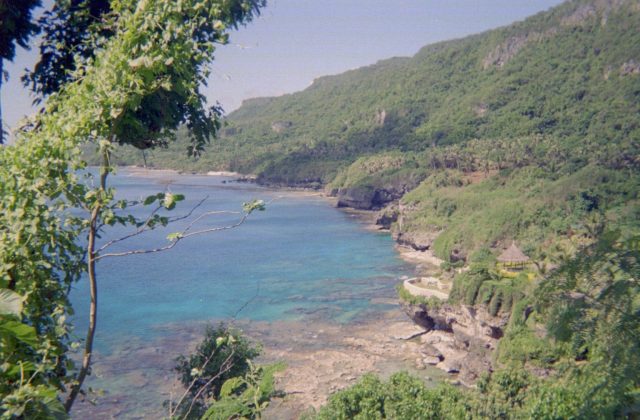
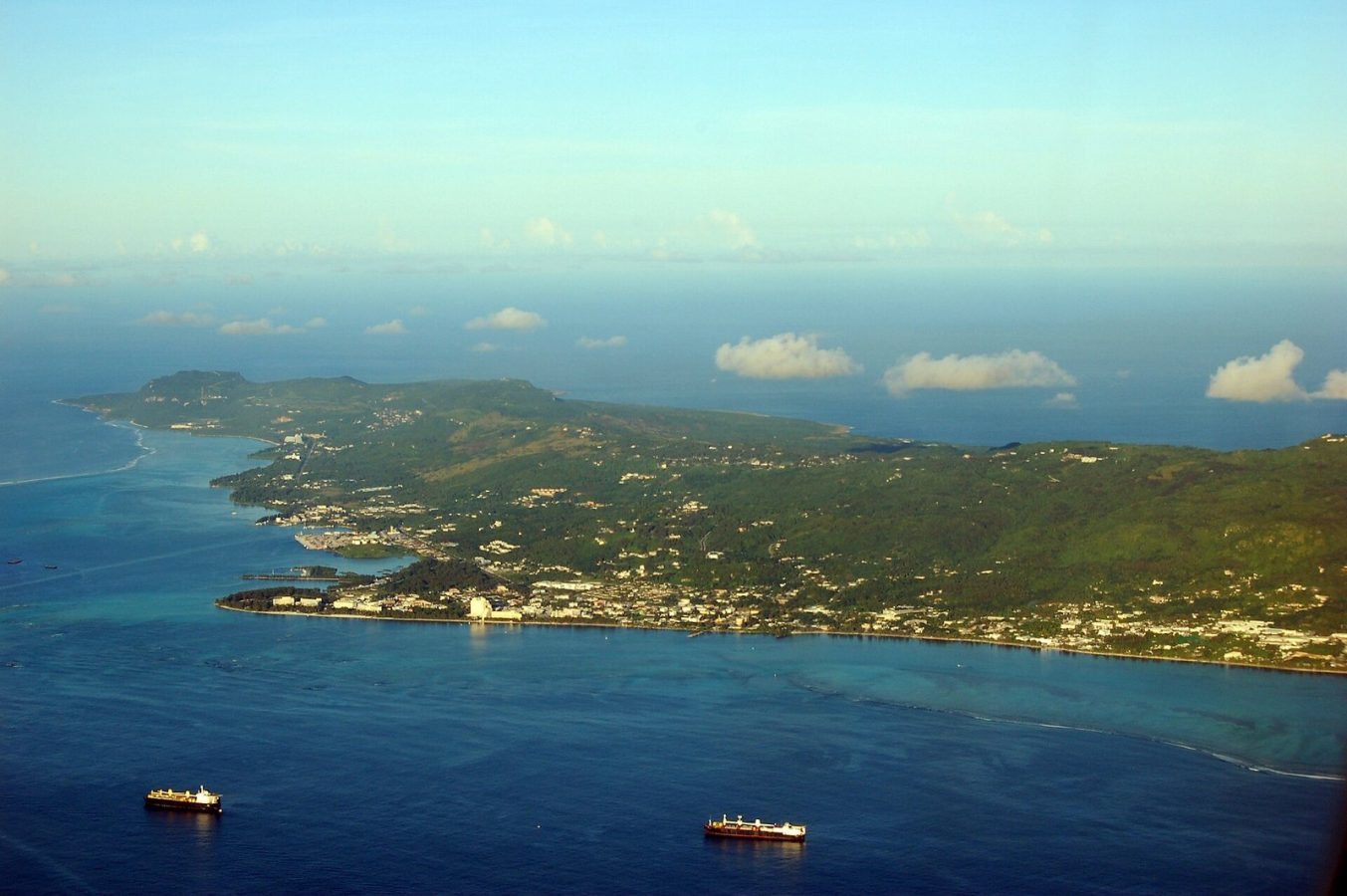
Saipan is the largest island and capital of the Northern Mariana Islands, a US commonwealth in the western Pacific, about 115 square kilometres with a lagoon on its west coast and cliffs and wild beaches in the east. Visitors come for warm, clear water, diving at the Grotto and the island's Second World War battlefields and memorials.
| Getting there | Flights from Guam about 50 min, and direct flights from Seoul, Busan and Tokyo; no ferries from abroad |
|---|---|
| Gateway | Saipan airport (flights from Guam, Seoul, Tokyo) |
| Travel time | About 50 min from Guam; 3.5 to 4.5 h from Tokyo or Seoul |
| Days | 3 to 5 nights |
| Best months | Dec–Jun dry season; Jul–Nov wetter with typhoon risk |
| Getting around | Rent a car; few buses; taxis in Garapan; drive on the right |
| Booking | Flights and hotels ahead for Asian holidays; dive trips a day or two before |
| Cost | Mid-range for the Pacific; cheaper than Guam or Palau |
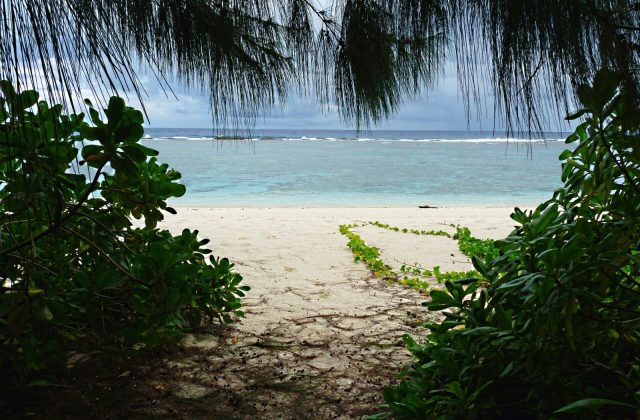
| Beaches | Calm sandy lagoon beaches on the west, Micro Beach and Managaha; rough wild beaches in the east |
| Sea | Pacific Ocean |
| Archipelago | Mariana Islands |
| Area | 115 km² |
| Population | 43,385 (2020) |
| Highest point | 474 m (Mount Tapochau) |
| Airport | Yes, scheduled flights |
| Car-free | No |
| Checked | October 2026 |
Nothing is sold online for Saipan here, but local tour operators and hotel desks sell a full range of trips, mainly to visitors from Korea, Japan and China, and the island is also easy to explore by car.
The most popular outing is the boat to Managaha, the small island in the lagoon: a ferry ticket with optional snorkelling gear, parasailing or a glass-bottom boat ride, plus the island fee. Diving is the second big category: shore and boat dives at the Grotto, a flooded limestone cavern with blue light, and at Second World War wrecks such as sunken ships and a flying boat in the lagoon. Snorkelling trips visit reefs and the sheltered reefs of Lau Lau Bay.
On land, half-day island tours combine Banzai Cliff, Suicide Cliff, the Last Command Post, Bird Island and Mount Tapochau, which is helpful if you do not want to drive. Golf courses, jungle hikes and sunset cruises are also offered.
The plain recommendation is to rent a car for a day to see the north and the war sites yourself, take the ferry to Managaha on another day, and book a dive or snorkelling trip to the Grotto if conditions are calm.
A small, flat island in the lagoon off Garapan, Managaha is ringed by white sand and clear, shallow water full of fish. Boats leave from the harbour regularly and take about 15 minutes. Snorkel just off the beach, look for the old Japanese guns and wartime wreckage in the shallows, and plan to stay half a day; there is an island fee.
On the north-east coast, the Grotto is a collapsed limestone cavern open to the sea through underwater tunnels, lit by blue light. Divers descend steep steps and swim through the openings to the outer reef, with turtles and reef fish. Snorkellers can swim in the pool when the sea is calm, but swells make it dangerous; go with a guide.
At the northern tip, Banzai Cliff and Suicide Cliff are where hundreds of Japanese civilians and soldiers jumped to their deaths in July 1944 rather than surrender to US forces. Today they are quiet memorials with peace monuments and views over the ocean. Visit the nearby Last Command Post, with its rusting guns and bunker, on the same trip.
In Garapan on the west coast, the American Memorial Park honours the American and Marianas people who died in the Battle of Saipan. The visitor centre has a good museum explaining the 1944 battle and the island's wartime civilian experience. Walk the shoreline park with its memorials, mangroves and Micro Beach, the island's best spot for sunsets.
The highest point on the island, at 474 metres, has a statue of Christ and a 360-degree view of Saipan, Tinian and the surrounding sea. A rough road climbs close to the top; a high-clearance vehicle is useful in the wet season. Come in the late afternoon for the light and cooler temperatures, and combine it with Bird Island in the north-east.
Saipan International Airport in the south has flights from Guam of about 50 minutes, several times a day, with United connecting Guam to the US. Direct flights run from Seoul, Busan and Tokyo, and at times from other Asian cities, with schedules that change often. There are no international ferries.
US entry rules apply, but there are special visa arrangements for some Asian nationalities, so check the current requirements for your passport before booking. Small planes connect Saipan with Tinian, in about 10 minutes, and Rota, and boats run to Tinian on some schedules. Most hotels are 15 to 20 minutes by road from the airport, and many offer pick-ups. Saipan is about three and a half hours by air from Tokyo and four and a half from Seoul.
A rental car is the best way to explore, and rental agencies are at the airport and in Garapan. Roads are paved on the main routes, with traffic on the right; the side roads to beaches and viewpoints can be rough. Public transport is very limited, though some hotels and shopping areas run shuttle buses. Taxis are available in Garapan but expensive for long trips. Garapan itself is easy to walk around.
Saipan is warm all year, with temperatures around 27 to 30 degrees and sea temperatures between about 27 and 29. The dry season from December to June brings sunshine, steady trade winds and the best water visibility; it is the main season for visitors, especially around Korean, Chinese and Japanese holidays, including New Year and Golden Week in early May.
From July to November the rainy season brings heavy showers, humidity and the risk of typhoons; in 2018 Super Typhoon Yutu caused major damage on Saipan and Tinian. Trips may be cancelled when typhoons pass nearby, but prices are lower. The Flame Tree Festival in spring celebrates the red flowering trees and local culture. Three to five nights give time for Managaha, diving, the war sites and a day on Tinian.
Garapan, on the west coast, is the tourist centre, with most hotels, restaurants, shops and nightlife within walking distance, and the lagoon beaches on its doorstep; it suits first-time visitors. Susupe and Chalan Kanoa to the south have beachfront resorts and are quieter. The northern and eastern coasts have a few resorts surrounded by nature, but need a car. Prices are generally lower than on Guam.
The Chamorro people settled the Marianas around 3,500 years ago, building villages and stone pillars known as latte. Spain claimed the islands in the 17th century, sold them to Germany in 1899, and Japan took control in 1914, developing sugar plantations that brought thousands of settlers. In June and July 1944 the Battle of Saipan killed tens of thousands of soldiers and civilians. After the war the island came under US administration, and in 1978 it became part of the Commonwealth of the Northern Mariana Islands, linked to the United States.
Saipan pairs well with Tinian, about 10 minutes by small plane, where the airfields used by the B-29 bombers in 1945 survive among quiet beaches. Rota, further south, is the most unspoiled of the Marianas. Guam is under an hour away by plane, and Palau can be reached with connections through Guam.
213 km away
Guam is the largest island in Micronesia and the southernmost of the Marianas, a United States territory in the western…
9 tours & trips
Flights from Guam about 50 min, and direct flights from Seoul, Busan and Tokyo; no ferries from abroad.
From Saipan airport (flights from Guam, Seoul, Tokyo): about 50 min from Guam; 3.5 to 4.5 h from Tokyo or Seoul.
3 to 5 nights.
Dec–Jun dry season; Jul–Nov wetter with typhoon risk.
Rent a car; few buses; taxis in Garapan; drive on the right.
Go if you want warm sea, good diving and snorkelling, and war history on an easy, mid-priced Pacific island. Skip it or choose Palau or Guam if you want more dramatic reefs, or a bigger choice of shopping and resorts.
Mid-range for the Pacific; cheaper than Guam or Palau.
Calm sandy lagoon beaches on the west, Micro Beach and Managaha; rough wild beaches in the east.
Flights and hotels ahead for Asian holidays; dive trips a day or two before.
Mariana Islands, Guam
Guam is the largest island in Micronesia and the southernmost of the Marianas, a United States territory in the western…
9 tours & trips
Mariana Islands, Guam
Rota is the southernmost island of the Northern Mariana Islands, a US commonwealth in the western Pacific, about 74 km…
No tours listed