Korcula
Dalmatian Islands, Croatia
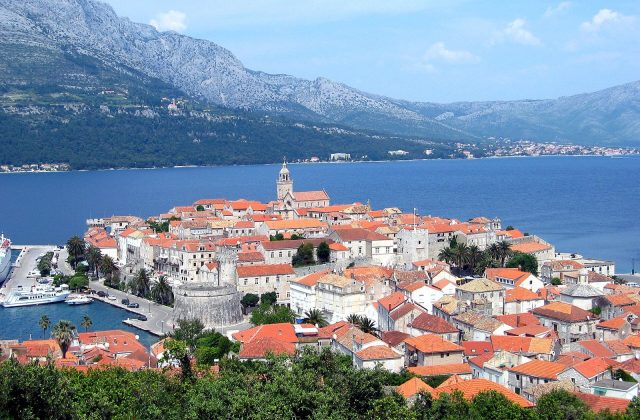
Korcula is a long, wooded island in southern Dalmatia, 47 km from end to end and separated from the Peljesac peninsula…
66 tours & trips
Croatia · Adriatic Sea · Party island
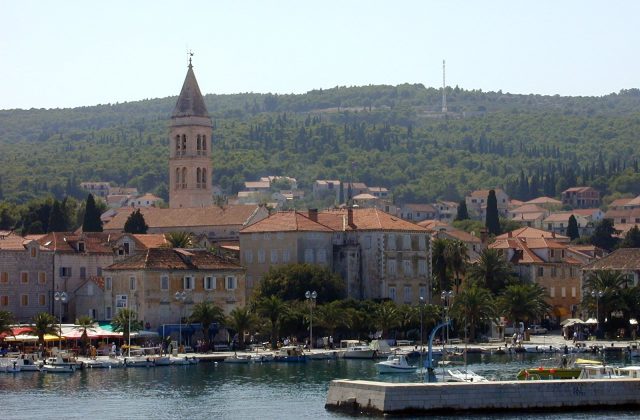
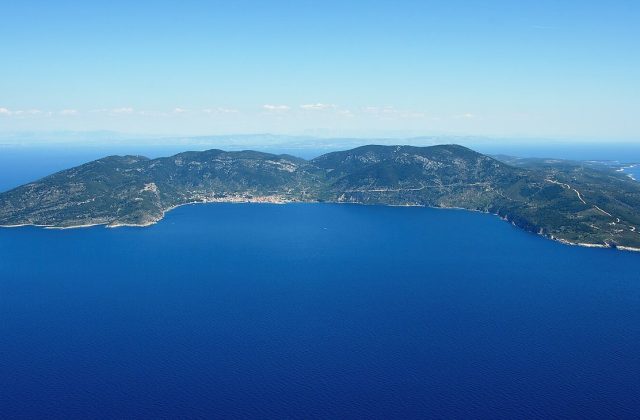
Hvar is a long, narrow island off the Dalmatian coast, about 68 km from end to end, known for the Venetian harbour of Hvar Town, its summer nightlife and the lavender and vineyards of its interior. It is among the sunniest places in Croatia and an hour by catamaran from Split.
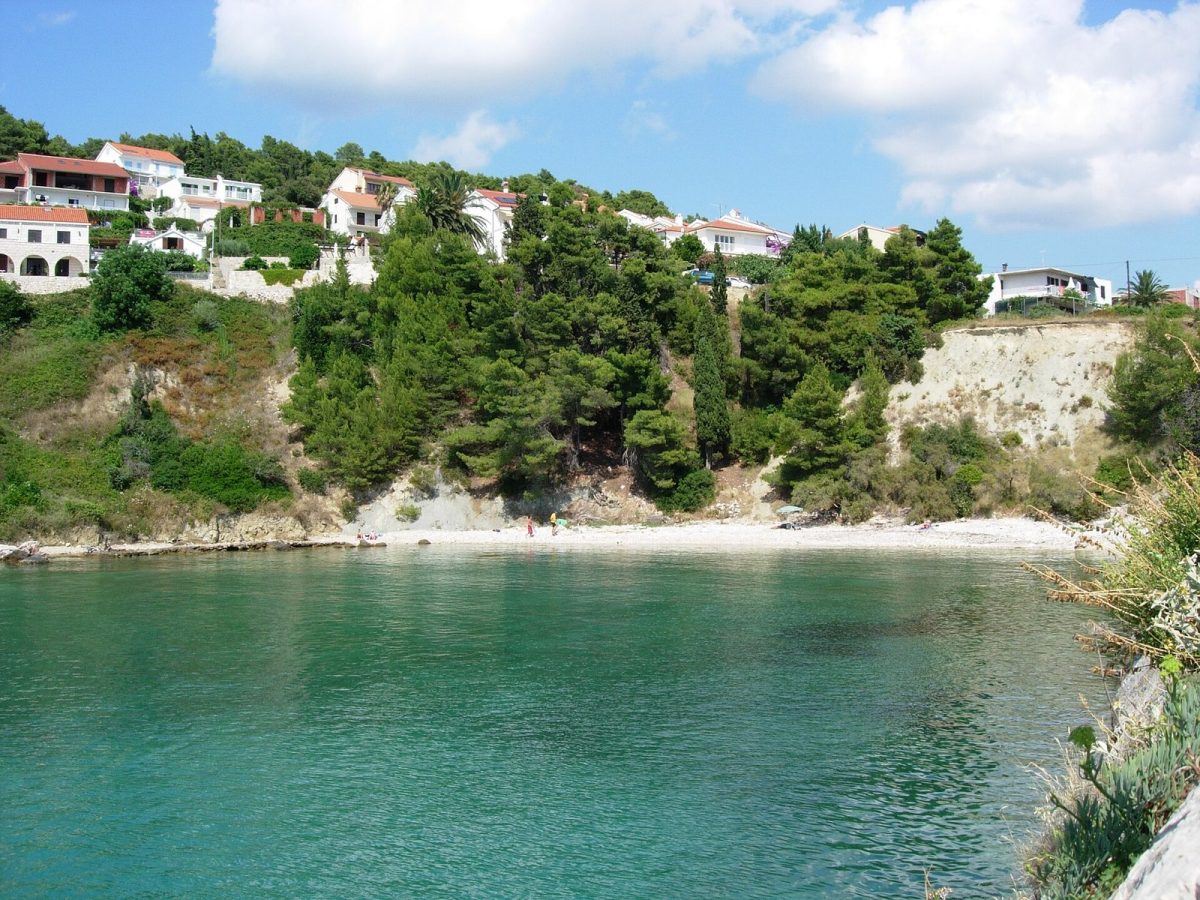
Photo: CC BY-SA 3.0
| Getting there | Catamaran from Split to Hvar Town or Jelsa in about 1 h; car ferry Split–Stari Grad 2 h |
|---|---|
| Gateway | Split |
| Travel time | 1 h by catamaran, 2 h by car ferry |
| Days | 3 to 5 nights |
| Best months | May–June and September; July–August hot, crowded and loud; quiet Nov–Mar |
| Getting around | Buses link Hvar Town, Stari Grad and Jelsa; scooter or car for the coves; water taxis |
| Booking | Rooms and car-ferry places for July–August well ahead; boat trips a day or two ahead |
| Cost | Expensive for Croatia, especially Hvar Town in summer |
| Beaches | Pebble and rock; best on the Pakleni islands, at Dubovica and in the south coast coves |
| Sea | Adriatic Sea |
| Archipelago | Dalmatian Islands |
| Area | 297 km² |
| Population | 10,678 (2021) |
| Highest point | 626 m (Sveti Nikola) |
| Ferry | 1 h from Split |
| Airport | No |
| Car-free | No |
| UNESCO | Stari Grad Plain |
| Checked | October 2026 |
Almost everything sold on Hvar happens on a boat, and the departure point matters.
From Hvar Town, the favourite is a half or full day to the Pakleni islands, the wooded chain just offshore, by speedboat or sailing boat, with swimming stops in clear bays, lunch at a beach restaurant on Palmizana and sometimes the Red Rocks on the south coast. Longer speedboat days head for the Blue Cave on Bisevo, near Vis, with stops at Stiniva cove and the town of Komiza; cave entry is usually extra and depends on a calm sea. Sunset cruises with wine are the evening option.
From Split, Trogir and Makarska, speedboat day trips combine a few hours in Hvar Town with the Pakleni islands or the Blue Cave. They suit people based on the mainland, but leave little time ashore.
On land there are wine and olive oil tastings, walking tours of Hvar Town, buggy and quad tours to the abandoned villages and lavender fields of the interior, and home-cooking evenings in Jelsa. Private boats with a skipper are common and cost little more per head for a group of six.
If you stay on the island, book a Pakleni boat day first; the Blue Cave trip is a long, bumpy day best kept for settled weather.
The harbour town is built around a long paved square with the cathedral of St Stephen at its head and the Venetian Arsenal beside the water; above the Arsenal is a public theatre from 1612. A path climbs through pines to the Spanish Fortress, about 20 minutes up, for the classic view over the roofs to the Pakleni islands.
This chain of wooded limestone islets lies a 15 to 20-minute water-taxi ride from Hvar Town harbour. Jerolim and Marinkovac have pebble beaches and beach bars, while Palmizana has a sandy cove, restaurants and paths through the pines. Taxi boats run every hour or so in summer; go early, swim in the quieter western coves and come back for sunset.
The oldest town on the island was founded as Pharos by Greek settlers in 384 BC, and its quiet waterfront and stone lanes feel far from the bustle of Hvar Town. Behind it stretches the Stari Grad Plain, a UNESCO-listed field system whose Greek boundaries are still marked by dry-stone walls; cycle or walk the farm tracks past vines and olives.
On the north coast, Jelsa is a relaxed harbour town with a pine-shaded promenade and beaches nearby, and Vrboska, a 4-km walk or bike ride away, sits on a narrow inlet crossed by small bridges. Both are good bases for visiting wineries, and the north-east coast has quiet coves reached by tracks. Catamarans from Split stop at Jelsa.
Inland from Hvar Town, the old road climbs to Brusje and Velo Grablje, half-abandoned villages among dry-stone terraces where lavender is still grown; it flowers from late June into July. Further east, the narrow tunnel at Pitve leads to the steep south coast, where Plavac Mali vineyards drop to Zavala, Ivan Dolac and small pebble beaches.
Our pick for each kind of trip, with live dates and prices. Free cancellation on most.
Best for: First visit, a boat day from Hvar Town
A speedboat circuit of the Pakleni islands with swimming stops in clear bays, the simplest way to see the best of the coast in a few hours.
Hvar has no airport; most visitors fly to Split. Catamarans from Split reach Hvar Town in about an hour, several times a day in summer and once or twice a day in winter, and some continue to Korcula and Dubrovnik in season; another line serves Jelsa. These boats carry foot passengers only and fill up in July and August, so buy tickets in advance.
Jadrolinija car ferries from Split take about two hours to Stari Grad, about 20 minutes' drive from Hvar Town, and run several times a day all year; arrive early in summer, when queues are long. At the eastern tip a short car ferry crosses from Drvenik to Sucuraj, but the drive along the island from there takes well over an hour.
Buses meet the car ferries at Stari Grad and link Hvar Town, Stari Grad, Jelsa and Vrboska several times a day, less often outside summer. The centre of Hvar Town is pedestrian and parking is scarce and costly, so a car is worth it mainly for the interior and the south coast. Scooters and small cars can be rented in every town, and water taxis from Hvar Town harbour serve the Pakleni islands and nearby beaches. The old road over the ridge is narrow and winding.
May, June and September are the best months: warm sea, open restaurants, fairer prices and room on the beaches. The sea reaches about 25 degrees in August and stays swimmable into October. July and August are hot and crowded, with yachts filling the harbour, loud parties on the Pakleni islands and Hvar Town's clubs open late; prices peak, and the town fines people for walking the streets in swimwear. Lavender flowers from late June to early July.
From November to March most hotels, bars and boat trips close and catamarans run less often, but Hvar Town and Stari Grad stay lived-in and the mild weather suits walking. At Easter the night procession Za Krizen walks between six villages around Jelsa, a tradition centuries old. Three to five nights covers the town, a boat day and the interior.
Hvar Town has the most rooms, restaurants and nightlife and the water taxis to the Pakleni islands, but it is noisy and expensive in July and August. Stari Grad is calmer, cheaper and handy for the car ferry, with the plain on its doorstep. Jelsa and Vrboska suit families and anyone who wants a quiet harbour with beaches close by. For seclusion, stay in a south-coast bay such as Zavala, or in Milna, a beach village a short drive east of Hvar Town.
Greek colonists from Paros founded Pharos, today's Stari Grad, in 384 BC and divided the plain behind it into the plots that still survive. Under Venice, from the 15th century to 1797, Hvar Town became a key naval base and a wealthy town, which explains its cathedral, Arsenal and theatre, although a commoners' revolt against the nobles in the early 1500s and an Ottoman raid in 1571 left deep scars. Austrian rule followed, and in 1868 a local health society began promoting the mild climate to visitors, one of the earliest organised tourism efforts in Europe.
Split, an hour away, is the gateway and worth a day for Diocletian's Palace. Brac and its Zlatni Rat beach are close, with summer catamarans from Jelsa to Bol. Korcula is about an hour and a half east by catamaran, so a classic route runs Split, Hvar, Korcula, then Dubrovnik. Vis is reached by boat from Split or on a day trip.
Catamaran from Split to Hvar Town or Jelsa in about 1 h; car ferry Split–Stari Grad 2 h.
From Split: 1 h by catamaran, 2 h by car ferry.
3 to 5 nights.
May–June and September; July–August hot, crowded and loud; quiet Nov–Mar.
Buses link Hvar Town, Stari Grad and Jelsa; scooter or car for the coves; water taxis.
Go if you want a handsome harbour town, boat days in the Pakleni islands and lively evenings. Skip it or choose Vis or Korcula if you want quiet nights, lower prices or fewer yachts in August. With about 1 h each way from Split, a day trip is easy to do.
Expensive for Croatia, especially Hvar Town in summer.
Pebble and rock; best on the Pakleni islands, at Dubovica and in the south coast coves.
Rooms and car-ferry places for July–August well ahead; boat trips a day or two ahead.
Yes. Boat trips, guided tours and day trips for Hvar can be booked online; live prices and free cancellation on most are shown on this page.
Dalmatian Islands, Croatia
Korcula is a long, wooded island in southern Dalmatia, 47 km from end to end and separated from the Peljesac peninsula…
66 tours & trips
Dalmatian Islands, Croatia
Brač is the largest island in Dalmatia, 396 square kilometres of olive groves and white limestone just off Split, with…
52 tours & trips
Dalmatian Islands, Croatia
Šolta is a small, low island of olive groves, vineyards and stone villages just south of Split, about an hour away by…
28 tours & trips
Dalmatian Islands, Croatia
Vis is the most distant inhabited island of central Dalmatia, about 90 square kilometres of vineyards, pine woods and…
23 tours & trips