Hvar
Dalmatian Islands, Croatia
Hvar is a long, narrow island off the Dalmatian coast, about 68 km from end to end, known for the Venetian harbour of…
170 tours & trips
Croatia · Adriatic Sea · Beach island
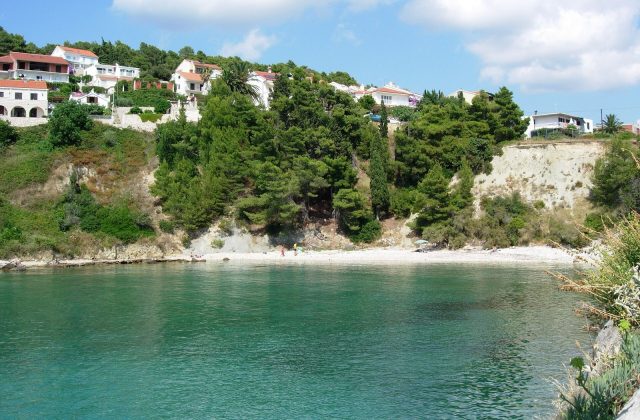
Šolta is a small, low island of olive groves, vineyards and stone villages just south of Split, about an hour away by car ferry. Far quieter than its neighbours Brač and Hvar, it is known for honey, olive oil and sheltered bays, and is a popular stop on boat trips from Split and Trogir.
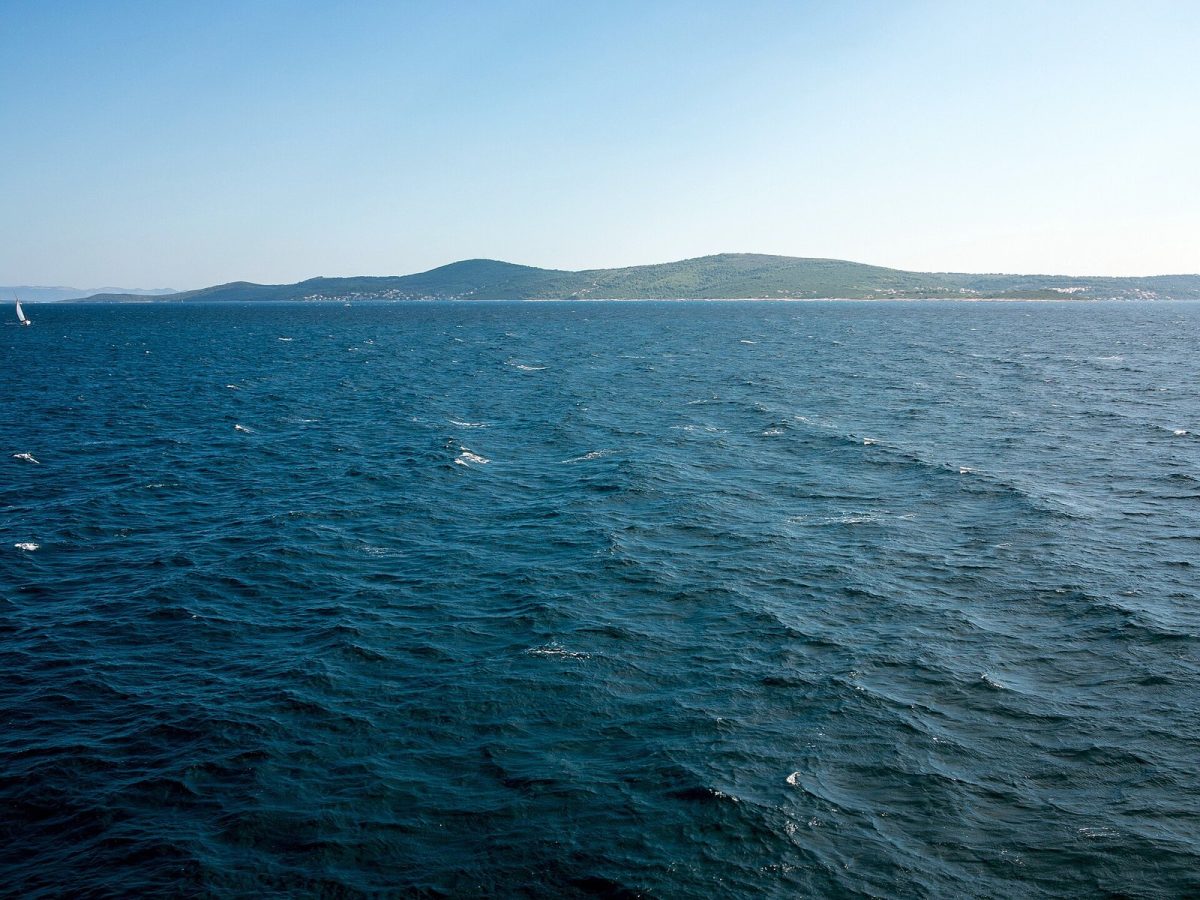
Photo: Joadl, CC BY-SA 3.0 at
| Getting there | Car ferry from Split to Rogač in about 1 h, several times a day all year; boat trips from Split and Trogir |
|---|---|
| Gateway | Split |
| Travel time | About 1 h by car ferry |
| Days | A day trip, or 2 to 3 quiet nights |
| Best months | June and September; Jul–Aug busiest; most rooms and bars shut Nov–Apr |
| Getting around | Bring a car or rent a scooter; buses meet ferries; villages are a few km apart |
| Booking | Ferry car places on summer weekends; boat trips from Split a day or two ahead |
| Cost | Mid-range for Croatia, cheaper than Hvar |
| Beaches | Pebble and rock coves; Nečujam bay, Šešula near Maslinica and Livka on the south side |
| Sea | Adriatic Sea |
| Archipelago | Dalmatian Islands |
| Area | 59 km² |
| Population | 1,700 (2011) |
| Highest point | 236 m (Vela Straza) |
| Airport | No |
| Car-free | No |
| Checked | October 2026 |
Most people see Šolta from a boat. Day trips from Split and Trogir, by speedboat or larger cruise boat, combine the shallow turquoise lagoon off the neighbouring Drvenik islands, often sold as the Blue Lagoon, with a stop at Maslinica or Nečujam on Šolta, and sometimes a swim off Čiovo or Brač. The larger boats include lunch and drinks; speedboats are faster and usually leave lunch to you. Private speedboats suit families and groups and can be shaped around swimming stops.
Land-based options are fewer: guided day tours using the public ferry and a van to visit Grohote, Stomorska and the harbours, and food tours with olive oil, wine and honey tastings at family farms. Longer boat trips from Split take in Brač, Hvar and the Pakleni islands too, but give only an hour or so on Šolta.
For a lazy summer day, the boat trip is simplest. To see the island itself, take the ferry on your own, rent a scooter in Rogač and spend a day between village tavernas and swimming bays. In July and August, go on a weekday and catch an early ferry to beat the queues.
The westernmost village sits in a sheltered harbour facing a scatter of small islets, with a restored baroque castle on the waterfront and yachts moored along the quay. It is the best place on the island for sunsets and dinner, and many boat trips stop here. Šešula bay, a 15-minute walk away, has quiet swimming.
On the north coast, this long, branching bay was once a Roman retreat, with remains of fish ponds and a villa in the shallows. The Renaissance poet Marko Marulić of Split is said to have written here. Today it has the island's most popular swimming spots, a pebble beach and calm water, ideal for children.
The oldest coastal village, at the eastern end of the island, is a small harbour of stone houses at the end of a deep inlet, with tavernas and a few shops. Paths lead to rocky swimming spots along the shore, and boats moor here overnight. It is about 15 minutes by road from Grohote.
Grohote, the main village, lies inland on the central plain of olive groves and vines, with a church, shops and the remains of an early Christian basilica. Gornje Selo and Srednje Selo nearby keep old stone houses and family farms where you can buy honey, olive oil and wine made from the local Dobričić grape.
The southern side of Šolta faces the open sea with steep, wooded slopes and small coves such as Livka, Stračinska and Senjska. Some are reached by rough roads or paths, others only by boat, and they offer clear water and almost no development. Bring water and shoes for the rocks, and avoid the climb at midday.
Our pick for each kind of trip, with live dates and prices. Free cancellation on most.
Best for: First visit, by boat from Split
A day cruise that combines swimming in the clear shallow lagoon off the neighbouring Drvenik islands with a stop on Šolta, lunch and drinks included.
Car ferries run from Split harbour to Rogač on the north coast of Šolta several times a day all year, taking about an hour; extra crossings are added in summer. Buy tickets at the port or online; with a car, arrive early on summer weekends, when queues are long. Foot passengers rarely have problems.
Split airport has flights from much of Europe, especially in summer, and is about 30 minutes from the ferry port by road. Organised boat trips from Split and Trogir land at Maslinica and Nečujam in the summer season. Private water taxis and charter boats can also drop you at any harbour on the island.
Šolta is about 19 km long and narrow, and its villages are only a few kilometres apart. A small bus meets the ferries at Rogač and runs to Grohote, Maslinica, Nečujam and Stomorska. Bringing a car is easy but not essential; scooters, e-bikes and bicycles are rented in Rogač and Maslinica. Roads are narrow and quiet, and walking paths cross the olive groves between villages.
Šolta has a warm Mediterranean climate with dry, sunny summers. June and September are the best months, with sea temperatures from about 22 to 25 degrees, quieter bays and lower prices. July and August are hot and the busiest, when Croatian holidaymakers fill the holiday homes and day-trip boats bring hundreds of visitors to Maslinica and Nečujam by late morning; the ferry can be full on weekends.
May and October are good for walking and cycling, though the sea is cooler and some restaurants open only at weekends. From November to April, most rooms, bars and boat trips close, the island returns to its 1,700 or so residents, and the bora wind can disrupt ferries. A day trip shows the highlights; two or three nights let you settle into village life.
Maslinica has the most comfortable accommodation and the best sunsets, suiting couples and sailors. Nečujam, with its long bay, has holiday apartments and calm swimming that families favour. Stomorska is small and lively in summer, with harbour restaurants. Rogač is convenient for the ferry. Inland Grohote is cheaper and more local, but you will need transport to reach the sea.
Romans knew Šolta as Solentium and built villas and fish ponds in its bays, traces of which still lie in the shallows at Nečujam. Under Venetian and then Austrian rule it was a farming island tied to Split, growing olives, vines and figs and keeping bees, and its honey was prized in Dalmatia. Villages stayed inland, away from pirates, with small harbours on the coast. Emigration emptied many houses in the twentieth century, and today holiday homes, small tourism and local farms keep the island alive.
Šolta is usually paired with Split, an hour away, and with Trogir, the walled old town on the mainland. From Split, ferries and catamarans also reach Brač, Hvar and Vis, so Šolta can be a quiet first or last stop on a Dalmatian island-hopping trip. The Drvenik islands and their lagoon lie just to the west.
Car ferry from Split to Rogač in about 1 h, several times a day all year; boat trips from Split and Trogir.
From Split: about 1 h by car ferry.
A day trip, or 2 to 3 quiet nights.
June and September; Jul–Aug busiest; most rooms and bars shut Nov–Apr.
Bring a car or rent a scooter; buses meet ferries; villages are a few km apart.
Go if you want a quiet, unhurried Dalmatian island with good swimming bays and village food close to Split. Skip it or choose Hvar or Vis if you want nightlife, grand old towns or dramatic scenery.
Mid-range for Croatia, cheaper than Hvar.
Pebble and rock coves; Nečujam bay, Šešula near Maslinica and Livka on the south side.
Ferry car places on summer weekends; boat trips from Split a day or two ahead.
Yes. Boat trips, guided tours and day trips for Šolta can be booked online; live prices and free cancellation on most are shown on this page.
Dalmatian Islands, Croatia
Hvar is a long, narrow island off the Dalmatian coast, about 68 km from end to end, known for the Venetian harbour of…
170 tours & trips
Dalmatian Islands, Croatia
Korcula is a long, wooded island in southern Dalmatia, 47 km from end to end and separated from the Peljesac peninsula…
66 tours & trips
Dalmatian Islands, Croatia
Brač is the largest island in Dalmatia, 396 square kilometres of olive groves and white limestone just off Split, with…
52 tours & trips
Dalmatian Islands, Croatia
Vis is the most distant inhabited island of central Dalmatia, about 90 square kilometres of vineyards, pine woods and…
23 tours & trips