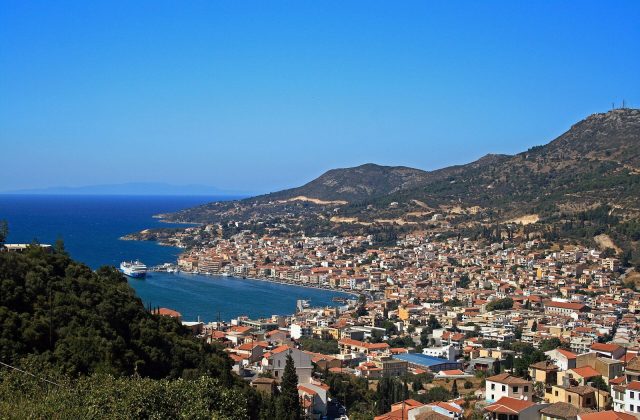
Samos
North Aegean Islands, Greece
Samos is a green, mountainous Greek island in the eastern Aegean, separated from the Turkish coast by a strait only 1.6…
29 tours & trips
Greece · Aegean Sea · Nature & wildlife island
Ikaria is a mountainous island in the eastern Aegean, about 19 km south-west of Samos, known for the long, healthy lives of its people, its all-night village festivals and its hot springs. A ridge rising to 1,037 metres divides green northern slopes from a wild, rocky south, with beaches, forests and walking trails between them.
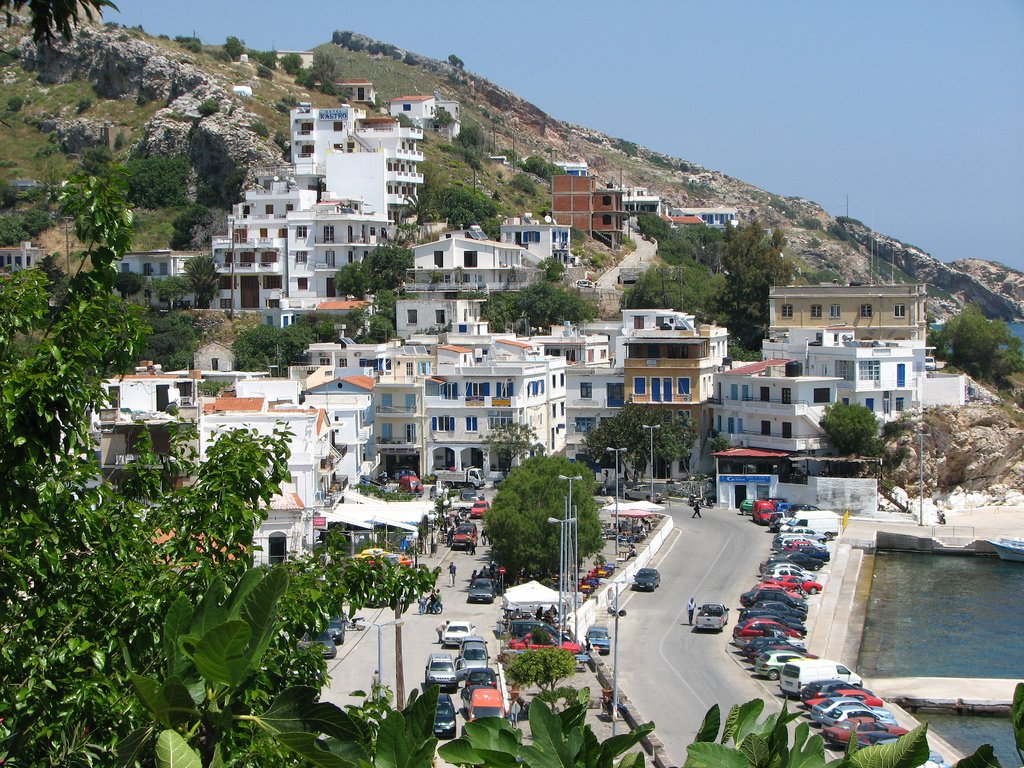
Photo: Stelios Kiousis, CC BY-SA 2.0
| Getting there | Ferry from Piraeus to Agios Kirykos or Evdilos, 7 to 10 h; 50-min flight from Athens |
|---|---|
| Gateway | Athens (Piraeus) |
| Travel time | 7 to 10 h by ferry or about 50 min by air |
| Days | 3 to 5 nights |
| Best months | Jun and Sep; Jul–Aug festivals, crowds and strong meltemi winds |
| Getting around | Rent a car or scooter; buses are rare and the mountain roads are slow |
| Booking | Ferries, cars and rooms ahead for late July and August; tours locally |
| Cost | Cheap by Greek island standards |
| Beaches | Sand and pebbles on the north coast: Messakti, Livadi and Nas; Seychelles on the south coast |
| Sea | Aegean Sea |
| Archipelago | North Aegean Islands |
| Area | 255 km² |
| Population | 8,843 (2021) |
| Highest point | 1,037 m (Atheras) |
| Airport | Yes, scheduled flights |
| Car-free | No |
| Checked | October 2026 |
Ikaria is not an island of big organised excursions. Most visitors explore by hired car and on foot, and the few products are small and run by local people.
The most useful is a guided day by road, which visits the villages of the north coast and the mountain area of Raches, stops at the hot springs of Therma near Agios Kirykos and includes a long lunch of local food and wine. It suits those without a car or arriving for a short stay. The price covers the vehicle and guide and often the meal.
Hiking is the second strength. Local guides lead walks on the marked trails through pine and oak forests, along gorges such as Chalares, which ends at Nas beach, and between springs and chapels; independent walkers can follow the same routes with a map.
Boat trips are offered in summer from the main harbours to beaches on the roadless south coast, such as Seychelles, and to the neighbouring islands of Fourni. Private boats with a skipper can be hired by the day. Cooking classes and wine visits are arranged by a few farms and guesthouses.
The plain recommendation: hire a car, plan your stay around a summer village festival, take one guided hike, and book a boat to the south coast if the sea is calm.
At the western end of the north coast, the fishing village of Armenistis is the island's small resort, with tavernas above the sea. Walk to the long sandy beaches of Livadi and Messakti nearby, which have lifeguards in summer. The surf can be strong when the meltemi blows, so check the flags.
Summer feasts held in honour of village saints are Ikaria's great events, with goat stew, wine and the Ikariotikos dance going on until dawn. The biggest take place in July and August, especially around 15 August. Visitors are welcome; pay for food and drink at the long tables, and expect to dance.
A few kilometres west of Armenistis, the pebbly cove of Nas sits at the mouth of a river below the ruins of an ancient temple of Artemis. Walk up the shady Chalares gorge past pools and waterfalls for an hour or two, then return for a swim and a sunset meal above the beach.
In the mountains above Armenistis, the scattered villages of Raches are famous for their late, unhurried rhythm: shops in Christos open in the evening and stay busy past midnight. Wander the lanes after dark, eat in a village taverna and visit the forest monastery of Theoktisti and the tiny chapel built under a boulder beside it.
Just east of the port of Agios Kirykos, the spa village of Therma has mineral springs used since antiquity, rich in radon and said to help joints. Bathe in the public spa buildings or in a natural pool at the sea's edge where hot water mixes with the waves. Spring and autumn are the main spa seasons.
On the steep southern coast, this cove of white pebbles and turquoise water is reached by a 15-minute scramble from the road near Manganitis or by boat. There is no shade or facilities, so bring water and food. Arrive in the morning, before the sun turns the stones hot and the small cove fills up.
Our pick for each kind of trip, with live dates and prices. Free cancellation on most.
Best for: First visit, the island in a day
A guided day by road through the main villages with time at the hot springs of Therma and a traditional lunch, useful without your own car.
Ferries from Piraeus call at the two ports, Agios Kirykos on the south coast and Evdilos on the north, usually daily in summer and several times a week in winter, taking about seven to ten hours depending on the route and stops in the Cyclades. Many continue to Samos, a short crossing away, and small boats link Agios Kirykos with Fourni. Check which port your ferry uses, as the two are about an hour apart by road. Bad weather occasionally cancels sailings.
The small airport at the north-east tip has flights of about 50 minutes from Athens, with extra summer services. Taking a car on the ferry is worthwhile for a long stay, since the island is large and rental cars can run out in August.
A car is the best way to see Ikaria. Distances look short on the map, but the roads wind over the mountains, and crossing from Agios Kirykos to Armenistis takes over an hour. Rental cars and scooters are available in the ports and Armenistis; book ahead in August. Buses run only a few times a week on some routes, and taxis are expensive over distance. Many villages and beaches are linked by footpaths, and hitchhiking is common among locals.
June and September are the best months: warm seas, quiet beaches, open tavernas and good walking weather. July and August bring the village festivals, the most visitors and the strong north wind, the meltemi, which can make north-coast beaches rough and occasionally disrupt ferries. Mid-August, around the feast of the Assumption on 15 August, is the peak, when rooms and cars are scarce.
The sea reaches about 24 to 25 degrees in late summer. In spring the island is green and full of flowers, ideal for hiking, though some places only open in late May. From November to April Ikaria is quiet, rainy and windy, with limited services, but the hot springs stay open in some seasons.
Plan at least three nights, and five if you want to hike, attend a festival and slow down.
Choose by side of the island. Armenistis and the nearby villages on the north-west coast are the best base for beaches, festivals in Raches and the trails, with most rooms and studios. Evdilos, a pretty harbour town on the north coast, is central and has ferries. Agios Kirykos on the south coast is the capital, practical for ferries, Therma's springs and boats to Fourni, but further from the best beaches. Mountain villages offer simple rooms for walkers.
Ikaria takes its name from Icarus, who in myth fell into the sea nearby. Ancient settlements at Oinoe, near today's Kambos, and the temple at Nas show its early history. Its rugged coast hid villagers from pirates, who built houses low and out of sight. In 1912 the islanders declared a short-lived independent state before joining Greece. During and after the civil war, thousands of left-wing exiles were sent here, adding to its radical reputation. Its long-lived inhabitants made it famous as a Blue Zone.
Ikaria pairs naturally with Samos, about an hour or two by ferry, which has more beaches, ancient sites and an airport with summer flights from abroad. The tiny islands of Fourni, under an hour by small boat from Agios Kirykos, are known for fish tavernas. Ferries also link Ikaria with Mykonos and Syros on the way to Piraeus, making a route through the Cyclades possible.
Ferry from Piraeus to Agios Kirykos or Evdilos, 7 to 10 h; 50-min flight from Athens.
From Athens (Piraeus): 7 to 10 h by ferry or about 50 min by air.
3 to 5 nights.
Jun and Sep; Jul–Aug festivals, crowds and strong meltemi winds.
Rent a car or scooter; buses are rare and the mountain roads are slow.
Go if you want a relaxed, unpolished island of village festivals, hiking, hot springs and good beaches at low prices. Skip it or choose Naxos or Paros if you want frequent ferries, organised tours, polished resorts and things running on schedule.
Cheap by Greek island standards.
Sand and pebbles on the north coast: Messakti, Livadi and Nas; Seychelles on the south coast.
Ferries, cars and rooms ahead for late July and August; tours locally.
Yes. Boat trips, guided tours and day trips for Ikaria can be booked online; live prices and free cancellation on most are shown on this page.
North Aegean Islands, Greece
Samos is a green, mountainous Greek island in the eastern Aegean, separated from the Turkish coast by a strait only 1.6…
29 tours & trips
North Aegean Islands, Greece
Chios is the fifth-largest Greek island, 842 square kilometres in the northeast Aegean just 7 km from the Turkish…
20 tours & trips
North Aegean Islands, Greece
Lesbos is Greece's third largest island, a big, green slice of the north-east Aegean only a few kilometres off the…
5 tours & trips
North Aegean Islands, Greece
Lemnos is the eighth-largest Greek island, a flat, golden landscape of volcanic hills, vineyards and sand dunes in the…
No tours listed
North Aegean Islands, Greece
Samothrace is a rugged island of 178 square kilometres in the far north of the Aegean, two hours by ferry from…
No tours listed