Nosy Be
Madagascar
Nosy Be is a volcanic island of about 320 square kilometres off the north-west coast of Madagascar and the…
57 tours & trips
Madagascar · Indian Ocean · Nature & wildlife island
Madagascar is the world's fourth-largest island, about 587,000 square kilometres in the Indian Ocean off south-east Africa, isolated for so long that most of its animals and plants exist nowhere else. People come for lemurs, baobab avenues, limestone forests and empty beaches, travelling slowly on long, rough roads.
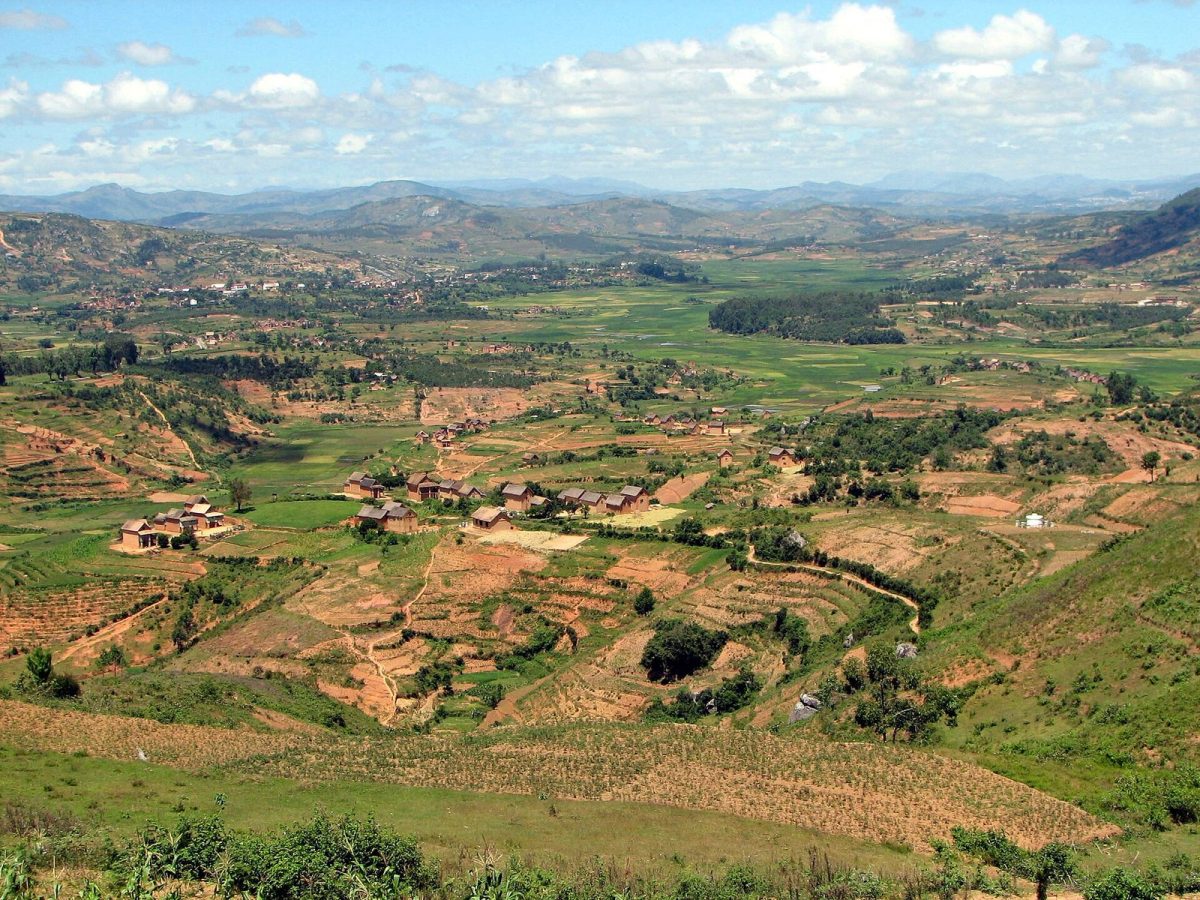
Photo: Bernard Gagnon, CC BY-SA 3.0
| Getting there | Flights to Antananarivo from Paris, Nairobi, Addis Ababa, Johannesburg, Mauritius and Reunion; some to Nosy Be |
|---|---|
| Gateway | Antananarivo (Ivato airport) |
| Travel time | About 11 h from Paris; 3 h from Johannesburg |
| Days | Two to three weeks |
| Best months | Apr–Nov dry season; Sep–Nov for baby lemurs; cyclones Jan–Mar |
| Getting around | Car with driver is standard; domestic flights save days; roads slow and rough |
| Booking | Driver, domestic flights and lodges in parks months ahead for Jul–Aug and Oct |
| Cost | Cheap locally, but drivers, flights and lodges add up |
| Beaches | Nosy Be and Ile Sainte-Marie for swimming; Ifaty and Anakao in the south-west; reefs offshore |
| Sea | Indian Ocean |
| Area | 587,041 km² |
| Population | 32 million (2024) |
| Highest point | 2,876 m (Maromokotro) |
| Airport | Yes, scheduled flights |
| Car-free | No |
| UNESCO | Tsingy de Bemaraha Strict Nature Reserve |
| Checked | October 2026 |
Madagascar is hard to travel independently on a short holiday: distances are huge, roads are slow, public minibuses are crowded and domestic flights change at short notice. That is why most visitors book a car with a driver or a complete multi-day tour, and why the offer is dominated by long circuits.
The classic is the southern route along National Road 7 from Antananarivo through the highlands, Ranomafana and Isalo to the coast near Tulear, taking ten to fifteen days. Shorter tours combine the rainforest of Andasibe with the Avenue of the Baobabs near Morondava, often with a domestic flight. Western tours add the Tsingy de Bemaraha, sometimes by river down the Tsiribihina; northern tours start in Diego Suarez and finish on Nosy Be. There are also trekking trips to the Makay and the south, and customised tours with a rental car and driver.
Prices for multi-day tours usually include the vehicle, fuel, driver-guide and accommodation, with park fees, local guides and meals sometimes extra. Short trips include Nosy Be boat days and two-day lemur visits from the capital. Recommendation: choose one region, hire a car and driver, and do not try to cover the whole island in two weeks.
About four hours by road east of the capital, the rainforest of Andasibe-Mantadia is the home of the indri, the largest living lemur, whose wailing song carries across the valleys in the morning. Guided walks also find sifakas, chameleons and frogs, and night walks show tiny mouse lemurs. Two nights is ideal.
On the west coast, near Morondava, a dirt road is lined with giant baobabs some 30 metres tall, the most famous view in the country. Come at sunset or sunrise, when the trunks glow. Morondava is reached by domestic flight or a long day's drive, and is the base for the western parks.
North of Morondava, this UNESCO-listed reserve protects a forest of limestone pinnacles cut into razor-sharp needles, crossed by suspension bridges, ladders and caves. The road is passable only in the dry season, roughly May to November, and takes a full day. Allow at least two nights for the trip.
On the southern route, Ranomafana is a misty mountain rainforest with golden bamboo lemurs and hot springs. Further south, Isalo National Park is a sandstone massif of canyons, natural pools and grassland, good for day hikes. Ring-tailed lemurs live in both. Each needs at least one full day, plus driving time.
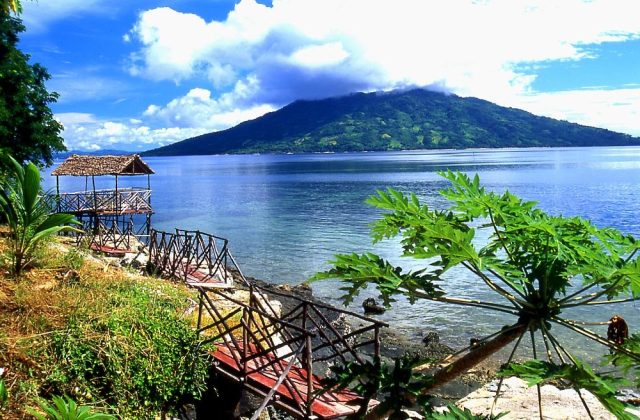
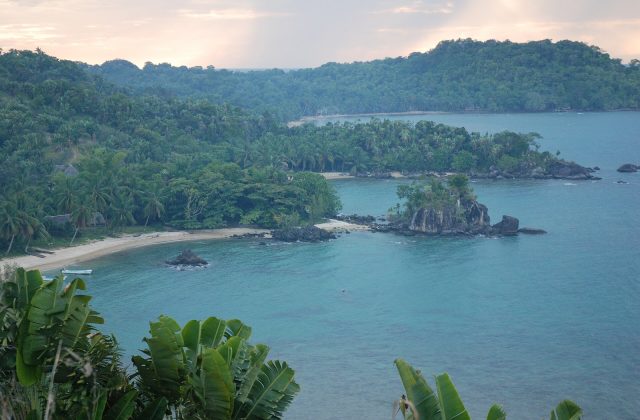
Off the north-west coast, Nosy Be is the main beach island, with resorts, boat trips to the marine park of Nosy Tanikely and lemurs on Nosy Komba. On the mainland, Diego Suarez has a huge bay, while the rainforest of Montagne d'Ambre and the grey tsingy of Ankarana lie within a few hours.
The capital spreads over hills in the highlands at about 1,300 metres. Visit the royal palace on the hilltop and the Ambohimanga royal hill, a UNESCO site just north of the city. Most visitors spend only a night here, at the start and end of the trip, because traffic is heavy and sights few.
Our pick for each kind of trip, with live dates and prices. Free cancellation on most.
Best for: First visit, under a week
A short loop from the capital that covers both the eastern rainforest with its lemurs and the baobab avenue in the west, the two images most people come for.
Ivato International Airport, about 15 kilometres north of Antananarivo, is the main gateway. There are direct flights from Paris, flights via Nairobi, Addis Ababa and Istanbul, and links with Johannesburg, Mauritius and Reunion. Nosy Be also has international flights from some European and Indian Ocean airports, useful if you want to start or finish on the beach.
Many nationalities can buy a tourist visa on arrival or apply online in advance; check the current rules for your passport. Take enough euros in cash for the visa and the first days, since cash machines are found only in towns. The road from the airport to the city centre can take an hour in traffic, so hotels near the airport are useful for early flights. Domestic flights connect the capital with Morondava, Tulear, Fort Dauphin, Diego Suarez, Nosy Be and Ile Sainte-Marie.
Roads are the main problem. Even national roads are potholed, and journeys of 200 kilometres can take a full day. Most travellers hire a car with a driver, who also helps with language and logistics; self-drive is rare. Domestic flights save days but are expensive and often rescheduled. Bush taxis are the local way to travel, very cheap but slow and crowded. Do not drive at night.
The dry season, from April to November, is the best time to visit. April and May are green after the rains; June to August are cool in the highlands, with cold nights in Antananarivo and Isalo, but are the peak holiday months. September to November is warmer, with lemurs carrying babies and jacaranda in flower, and whales off Ile Sainte-Marie until about September.
From December to March, the rainy season brings heat and heavy downpours, and cyclones can hit the east coast and the north from January to March. Roads to the west, including the Tsingy de Bemaraha, close, and some lodges shut. The south-west stays drier year round. Plan at least two weeks for one region; three weeks allow two regions with a domestic flight between them. Leave spare days for delays.
Antananarivo has the widest choice, including near the airport for arrivals and departures. On a tour, you sleep in small lodges next to the national parks, such as Andasibe, Ranomafana and Isalo, which range from simple bungalows to comfortable eco-lodges. For the beach, Nosy Be has the most resorts, Ile Sainte-Marie is quieter and greener, and Ifaty and Anakao in the south-west suit the end of the southern route.
Madagascar broke away from Africa and India tens of millions of years ago, which is why over 90 percent of its wildlife is endemic, from lemurs to chameleons and six species of baobab. People arrived late, around 1,500 years ago, sailing from what is now Indonesia, later joined by Africans from across the Mozambique Channel. In the nineteenth century the Merina kingdom unified much of the island before France made it a colony in 1896. Independence came in 1960, and the Malagasy language still shows its Asian roots.
Madagascar pairs naturally with Mauritius or Reunion, both about 2 hours away by air and offering easier beach holidays. Within the country, combine the southern route or the west with a few days on Nosy Be or Ile Sainte-Marie, using domestic flights. From Nosy Be, boats visit Nosy Komba, Nosy Tanikely and Nosy Iranja.
Flights to Antananarivo from Paris, Nairobi, Addis Ababa, Johannesburg, Mauritius and Reunion; some to Nosy Be.
From Antananarivo (Ivato airport): about 11 h from Paris; 3 h from Johannesburg.
Two to three weeks.
Apr–Nov dry season; Sep–Nov for baby lemurs; cyclones Jan–Mar.
Car with driver is standard; domestic flights save days; roads slow and rough.
Go if you want lemurs, chameleons and strange landscapes found nowhere else, and you accept long journeys and basic comfort. Skip it or choose Mauritius or Reunion if you want an easy beach holiday with good roads and reliable flights.
Cheap locally, but drivers, flights and lodges add up.
Nosy Be and Ile Sainte-Marie for swimming; Ifaty and Anakao in the south-west; reefs offshore.
Driver, domestic flights and lodges in parks months ahead for Jul–Aug and Oct.
Yes. Boat trips, guided tours and day trips for Madagascar can be booked online; live prices and free cancellation on most are shown on this page.
Madagascar
Nosy Be is a volcanic island of about 320 square kilometres off the north-west coast of Madagascar and the…
57 tours & trips
Madagascar
Nosy Komba is a small, steep volcanic island between Nosy Be and the north-west coast of Madagascar, best known for its…
5 tours & trips
Madagascar
Île Sainte-Marie, or Nosy Boraha in Malagasy, is a long, narrow island off the east coast of Madagascar, about 60 km…
No tours listed