Nosy Be
Madagascar
Nosy Be is a volcanic island of about 320 square kilometres off the north-west coast of Madagascar and the…
57 tours & trips
Madagascar · Indian Ocean · Nature & wildlife island
Nosy Komba is a small, steep volcanic island between Nosy Be and the north-west coast of Madagascar, best known for its black lemurs that come down to visitors in a village park. About 25 square kilometres of forest and farmland rise to a 622-metre summit, and most people see it on a half-day or day trip from Nosy Be.
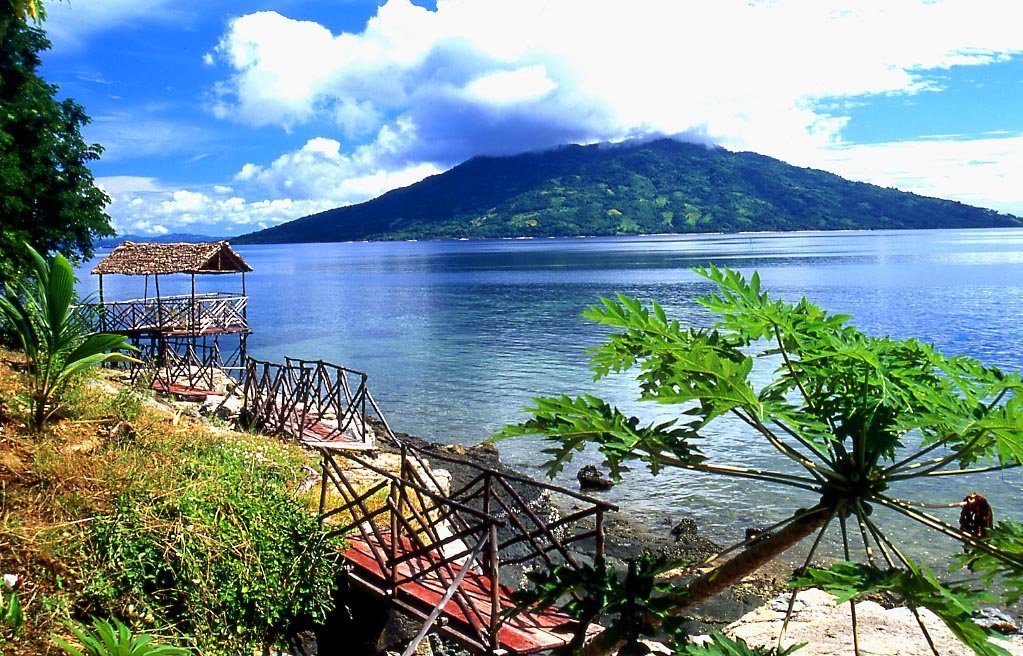
Photo: Jean-Louis Vandevivère from Paris, France, CC BY-SA 2.0
| Getting there | Speedboat from Hell-Ville or Ambatoloaka on Nosy Be in about 20 to 30 minutes, usually as part of a tour |
|---|---|
| Gateway | Nosy Be (Hell-Ville or Ambatoloaka) |
| Travel time | 20 to 30 minutes by speedboat |
| Days | A day trip is enough |
| Best months | Apr–Nov (dry season); heavy rain and cyclone risk Jan–Mar |
| Getting around | No roads: walk village paths, or hop between beaches by local boat |
| Booking | Tours a day or two ahead in Nosy Be; lodge rooms well ahead in Jul–Aug |
| Cost | Mid-range for Madagascar; tours priced for visitors |
| Beaches | Sandy coves by the villages on the north side; better snorkelling at nearby Nosy Tanikely |
| Sea | Indian Ocean |
| Area | 25 km² |
| Highest point | 622 m (Antaninaomby) |
| Airport | No |
| Car-free | Yes |
| Checked | October 2026 |
Nosy Komba is rarely visited on its own. Almost every trip is sold in Nosy Be, and the formats are similar.
The standard product is the full-day island combination by speedboat. It starts in the morning from Hell-Ville or the beach at Ambatoloaka, stops at Nosy Komba for an hour or two to visit the lemur park and the craft stalls of Ampangorina, then continues to the marine reserve of Nosy Tanikely for snorkelling over coral with turtles, and often ends on a beach with lunch of grilled fish. Boat, guide, snorkelling gear and lunch are normally included; the entrance fees for the lemur park and the marine reserve are sometimes extra and paid in cash.
A shorter half-day trip covers only Nosy Komba, with more time on the forest paths for chameleons, boas and birds. Private boats can be hired on the beach at Ambatoloaka for your own schedule, at a negotiated price.
Staying overnight is the third option: a few small lodges on the island's beaches offer quiet nights after the day boats have gone.
Recommendation: book the full-day trip combining Nosy Komba and Nosy Tanikely, carry small notes for fees and crafts, and confirm what lunch and entrance fees include.
Just above the main village, a small park of forest is home to black lemurs used to people; the males are black, the females chestnut with white ear tufts. A local guide leads you in, and the lemurs may jump onto your shoulders for banana. Follow the guide's rules and avoid feeding them yourself if asked.
About 20 minutes by boat from Nosy Komba, this tiny protected island is ringed by coral in clear, shallow water. Green and hawksbill turtles, reef fish and starfish are seen straight from the beach. A walk up to the lighthouse takes 15 minutes. Most day trips include it, and the marine reserve fee helps fund protection.
The path from the beach through Ampangorina is lined with stalls of hand-embroidered tablecloths, linen, woodcarvings and vanilla. The embroidery is a local speciality, worked by the women of the village. Prices are open to bargaining but modest, and buying here puts money straight into the island. Bring ariary in small notes.
Paths behind the village climb through secondary forest, coffee and fruit trees, where guides find panther chameleons, small boas and colourful geckos. A short loop of an hour is enough for most. The wider island, with its bamboo-covered northern slopes, is little visited, so ask in the village if you want a longer walk.
The summit of the island, at 622 metres, is reached by a steep path from the north side through farmland and scrub, a hike of around three hours up and back. From the top you see Nosy Be, the mainland mountains and the scattered islands of the bay. Go early to avoid the heat, and only with a local guide.
Our pick for each kind of trip, with live dates and prices. Free cancellation on most.
Best for: First visit, lemurs and snorkelling
The classic Nosy Be day: lemurs and crafts on Nosy Komba in the morning, then snorkelling with turtles in the marine reserve of Nosy Tanikely, with lunch.
Nosy Komba lies a few kilometres south-east of Nosy Be, the island most visitors fly into. Nosy Be's Fascene airport has flights from Antananarivo of about an hour and a half, and some international services from neighbouring countries and Europe, which change from season to season.
From Nosy Be, speedboats take about 20 to 30 minutes from the harbour at Hell-Ville or the beach at Ambatoloaka. There is no scheduled public ferry for visitors, so you go with a tour, a lodge transfer or a boat hired on the beach. Local pirogues and passenger boats link the island with Nosy Be and Ankify on the mainland, but they are slow and basic. Expect a wet landing on the beach, and keep cameras in a dry bag.
There are no roads or cars on Nosy Komba. You walk: the lemur park and the craft stalls are a few minutes from the landing beach, and paths link the five villages around the island, mostly in the north. They are narrow and steep in places, hot by midday, and better done with a guide. To move between beaches, ask a local boatman with a pirogue or motorboat, agreeing the price before you set off.
The dry season from April to November is the best time, with sunshine, low rain and calm seas for the boat trips. September to November is often the finest period, with warm, clear days and good visibility for snorkelling; July and August are the busiest months, when European holidaymakers fill Nosy Be. The sea stays around 26 to 29 degrees all year.
From December to March the wet season brings heavy afternoon rain, humidity and choppier seas, and January to March carries the risk of cyclones, which can cancel boats for days. Some lodges close in February and March.
Around Nosy Be, humpback whales pass in the second half of the year and whale sharks are often seen from October to December, which can be combined with a day on Nosy Komba. Half a day covers the lemur park and the crafts; a full day with Nosy Tanikely is the usual choice.
Most visitors stay on Nosy Be and come for the day. Ambatoloaka is the liveliest base, with bars, dive centres and boats leaving from the beach; Andilana in the north-west has the best beach on Nosy Be and more resort-style hotels; Hell-Ville, the main town, suits budget travellers. On Nosy Komba itself a few small lodges and bungalows sit on secluded beaches, quiet places for a night or two away from roads, with meals included.
Nosy Komba was long farmed and fished by Sakalava people, and its villages are still small communities of fishermen, farmers and craftspeople. The black lemurs survived here partly because local custom forbids harming them, and their tameness made the island a stop for visitors once Nosy Be became a holiday island. The forest on the lower slopes has largely been replaced by farmland, coffee and fruit trees, while the summit is scrub. Tourism and embroidery now provide much of the income.
Nosy Komba is one stop in the islands around Nosy Be. Nosy Tanikely is 20 minutes away and usually visited the same day. Nosy Iranja, with its sandbar, and Nosy Sakatia are other popular boat days. On Nosy Be, the Lokobe forest reserve shows lemurs in the wild. From Ankify on the mainland, roads lead inland to the Ankarana reserve and its limestone pinnacles.
Speedboat from Hell-Ville or Ambatoloaka on Nosy Be in about 20 to 30 minutes, usually as part of a tour.
From Nosy Be (Hell-Ville or Ambatoloaka): 20 to 30 minutes by speedboat.
A day trip is enough.
Apr–Nov (dry season); heavy rain and cyclone risk Jan–Mar.
No. Nosy Komba is car-free. No roads: walk village paths, or hop between beaches by local boat.
Go if you want to see lemurs up close, browse village crafts and snorkel nearby on an easy boat day from Nosy Be. Skip it if you want wild lemurs in real forest; Lokobe on Nosy Be or the mainland parks are better for that.
Mid-range for Madagascar; tours priced for visitors.
Sandy coves by the villages on the north side; better snorkelling at nearby Nosy Tanikely.
Tours a day or two ahead in Nosy Be; lodge rooms well ahead in Jul–Aug.
Yes. Boat trips, guided tours and day trips for Nosy Komba can be booked online; live prices and free cancellation on most are shown on this page.
Madagascar
Nosy Be is a volcanic island of about 320 square kilometres off the north-west coast of Madagascar and the…
57 tours & trips
Madagascar
Madagascar is the world's fourth-largest island, about 587,000 square kilometres in the Indian Ocean off…
37 tours & trips
Madagascar
Île Sainte-Marie, or Nosy Boraha in Malagasy, is a long, narrow island off the east coast of Madagascar, about 60 km…
No tours listed