Jost Van Dyke
12 km away
Jost Van Dyke is the smallest of the four main British Virgin Islands, about 8 square kilometres of steep green hills…
1 tour
US Virgin Islands · Caribbean Sea · Beach island
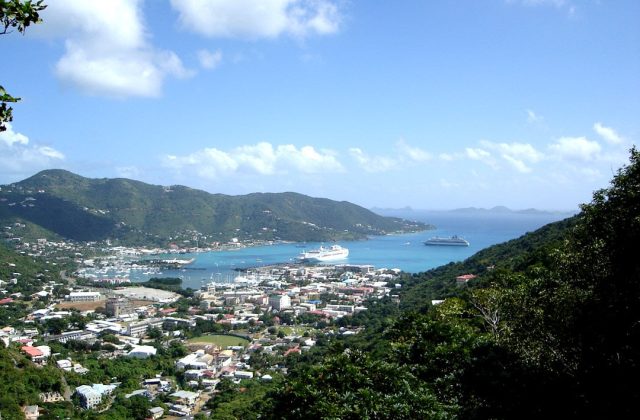
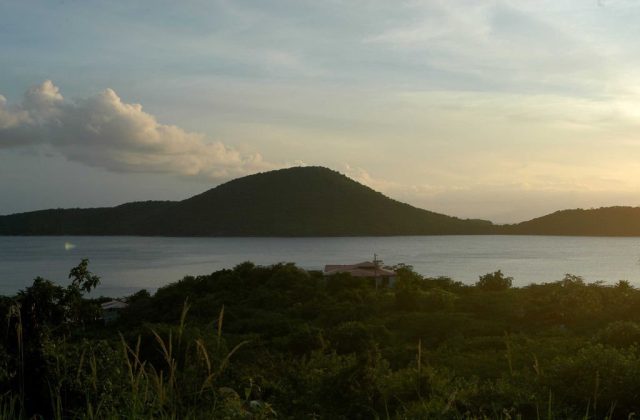
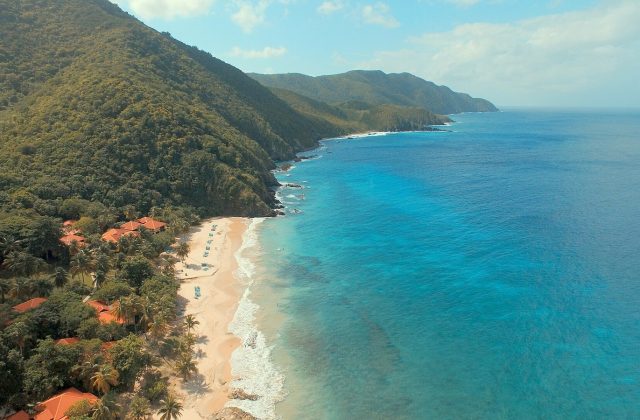
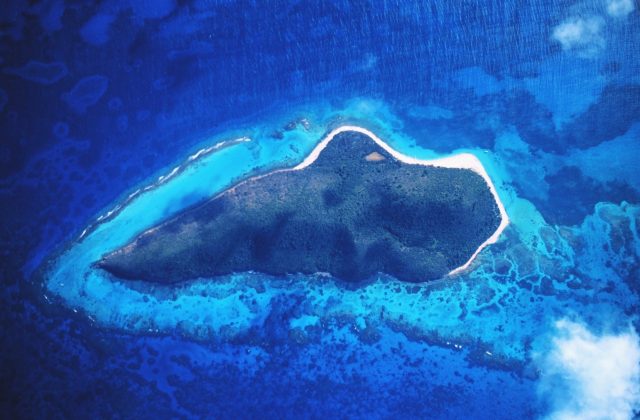
St John is the smallest of the three main US Virgin Islands, about 51 square kilometres of steep green hills and white-sand bays a short ferry ride east of St Thomas. Around 60 per cent of it is a national park, so the beaches, coral reefs, trails and sugar-mill ruins are protected, and development is limited to two small towns.
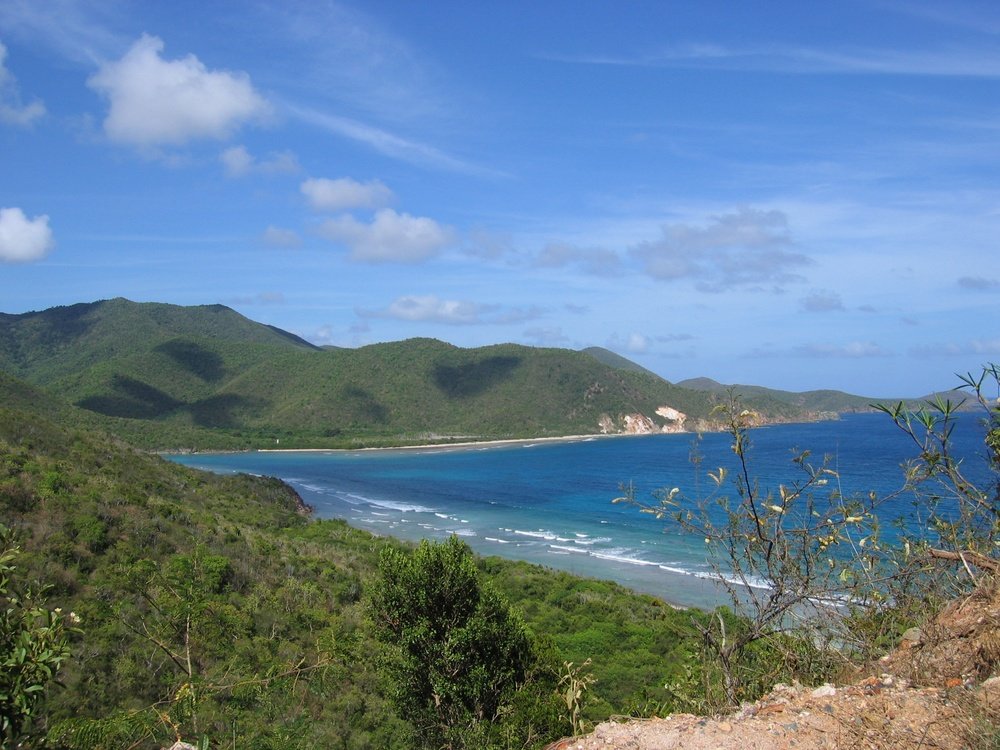
Photo: Galen S. Swint, CC BY 2.0
| Getting there | Ferry from Red Hook on St Thomas about 20 min, or from Charlotte Amalie about 45 min; no airport |
|---|---|
| Gateway | St Thomas (Red Hook ferry to Cruz Bay) |
| Travel time | About 20 min by ferry from Red Hook |
| Days | 3 to 5 nights |
| Best months | Dec–Apr dry and sunny; hurricane season Jun–Nov, peak risk Aug–Oct |
| Getting around | Rent a jeep, drive on the left; taxis and safari buses link Cruz Bay with the beaches |
| Booking | Villas and jeeps months ahead for winter; boat trips a few days before |
| Cost | Expensive, even by Caribbean standards |
| Beaches | White sand: Trunk Bay, Cinnamon, Maho and Hawksnest on the north shore, Salt Pond in the south |
| Sea | Caribbean Sea |
| Archipelago | Virgin Islands |
| Area | 51 km² |
| Population | 3,881 (2020) |
| Highest point | 387 m (Bordeaux Mountain) |
| Ferry | 20 min from St Thomas (Red Hook ferry to Cruz Bay) |
| Airport | No |
| Car-free | No |
| Checked | October 2026 |
Nothing is sold online for St John on its own, but it is easy to visit independently. Many people come for a day from St Thomas: a public ferry from Red Hook, a taxi to Trunk Bay or Cinnamon Bay, and a ferry back. Cruise passengers in Charlotte Amalie often do the same, or join a shore excursion that combines the ferry, a beach and lunch. Boat trips from St Thomas and from Cruz Bay also visit St John's north shore as part of a day that includes snorkelling in the British Virgin Islands, which requires a passport.
On the island, the range of things to arrange is wide. Private and shared boats from Cruz Bay and Coral Bay go to snorkelling spots and nearby cays for half or full days, with drinks and gear included. The national park runs ranger-led walks and talks at the visitor centre in Cruz Bay. Kayak and paddleboard hire is available at several beaches, and dive shops take divers to reefs and wrecks.
The plain recommendation is to stay at least three nights, rent a jeep for a couple of days to cover the north shore beaches and the east, add one boat trip and one ranger-led hike. A day trip shows a single beach; the rest of the island needs more time.
The best-known beach on St John is a curve of white sand on the north shore, about 15 minutes by road from Cruz Bay. An underwater snorkelling trail with signs marks a route around a small cay. There is an entry fee, along with lifeguards, showers and a snack bar. Come early or late, as cruise excursions fill it from mid-morning.
Further east along the north shore, Maho Bay has calm shallow water where green turtles graze on the seagrass, perfect for beginners and children. Cinnamon Bay next to it is the longest beach on the island, with a campground, watersports hire and a short trail through ruins of a Danish plantation. Both have parking along the road.
At the eastern end of the north shore road, the ruins of the Annaberg sugar plantation include a windmill, a horse mill and the remains of slave quarters, with signs explaining the brutal history. Nearby, a flat trail leads to Leinster Bay, from where you swim out to Waterlemon Cay, one of the best snorkelling spots on the island, with turtles, rays and starfish.
The most famous hike on St John drops about 4 km from Centerline Road through forest to the south shore, passing ruins of plantation houses and a pool with rock carvings left by the Taino people. The trail is steep and hot coming back up, so it is best done early or with a ranger-led group arranged through the park visitor centre.
The quieter east of the island centres on Coral Bay, a laid-back harbour with a few bars and restaurants and many sailing boats at anchor. From Salt Pond Bay in the south, a rocky trail of about 1.5 km climbs to Ram Head, a cactus-covered headland with views over the open sea. Bring water and avoid midday heat.
St John has no airport. You fly to Cyril E. King Airport on St Thomas, with direct flights from several US cities, and US citizens need no passport. From the airport, a taxi to Red Hook on the east end of St Thomas takes about 30 to 45 minutes.
From Red Hook, passenger ferries to Cruz Bay leave roughly every hour from early morning until late evening and take about 20 minutes. Less frequent ferries also run from Charlotte Amalie, taking about 45 minutes, which suits cruise passengers. Car barges cross from Red Hook to Cruz Bay frequently, but many rental agreements on St Thomas do not allow taking cars to St John, so rent on St John instead. Ferries also run from Tortola and Jost Van Dyke in the British Virgin Islands, with passport and customs checks.
A car, usually a jeep, is the best way to explore. Roads are steep, narrow and winding, and traffic drives on the left even though vehicles are American, with the steering wheel on the left. Rent well ahead in winter. Open-air safari buses and taxis run fixed routes from Cruz Bay to the north shore beaches and charge per person. There is a public bus between Cruz Bay and Coral Bay, but it is infrequent. Parking at popular beaches fills by late morning.
The dry season from December to April brings sunshine, temperatures of around 28 degrees and calm water on the north shore beaches, which makes it the peak season for villas, flights and boat trips. Prices are highest over Christmas, New Year and Easter. May and June are hotter and quieter, with lower prices and good conditions for snorkelling.
The hurricane season runs from June to November, with the greatest risk from August to October. Several restaurants and shops close for weeks in September and October, and the islands were badly damaged by two major hurricanes in 2017, with some buildings still not rebuilt. The sea is warm all year, between about 26 and 29 degrees. The north swell in winter can make some beaches rough, and July's carnival in Cruz Bay is a lively time. Three to five nights let you see the beaches, hike and take a boat trip.
Cruz Bay, the main town near the ferry dock, has the most restaurants, bars and shops, with hotels, condos and villas on the hills around it; it suits visitors without a car. Coral Bay in the east is quieter and cheaper, with rental villas and a relaxed feel, but further from the beaches of the north shore. Many visitors rent villas with views on the hillsides between the two. Cinnamon Bay campground offers cottages and tents in the national park.
Taino people lived on St John for centuries before Europeans arrived; petroglyphs in the south and finds at Cinnamon Bay show their presence. Danish settlers founded plantations in 1718, and in 1733 enslaved Africans rose up and held the island for several months, one of the first major slave revolts in the Americas. Slavery ended in the Danish islands in 1848, and the US bought them in 1917. In 1956 Laurance Rockefeller donated land to create Virgin Islands National Park, which has kept most of St John wild.
St John pairs naturally with St Thomas, 20 minutes away by ferry, for shopping, nightlife and a wider choice of hotels. With a passport you can take a ferry to Tortola or Jost Van Dyke in the British Virgin Islands, or join a sailing trip around both groups. St Croix, the largest US Virgin Island, is about an hour away by plane or ferry from St Thomas.
12 km away
Jost Van Dyke is the smallest of the four main British Virgin Islands, about 8 square kilometres of steep green hills…
1 tour
20 km away
Tortola is the largest island of the British Virgin Islands, 55.7 square kilometres of steep green hills rising to…
1 tour
57 km away
Culebra is a small, dry island of Puerto Rico about 27 km off the main island's north-east coast, with fewer than…
6 tours & trips
Ferry from Red Hook on St Thomas about 20 min, or from Charlotte Amalie about 45 min; no airport.
From St Thomas (Red Hook ferry to Cruz Bay): about 20 min by ferry from Red Hook.
3 to 5 nights.
Dec–Apr dry and sunny; hurricane season Jun–Nov, peak risk Aug–Oct.
Rent a jeep, drive on the left; taxis and safari buses link Cruz Bay with the beaches.
Go if you want protected beaches, easy snorkelling with turtles and marked hiking trails on a relaxed, undeveloped island. Skip it or choose St Thomas if you want nightlife, shopping, big resorts and lower hotel prices. With about 20 min each way from St Thomas (Red Hook ferry to Cruz Bay), a day trip is easy to do.
Expensive, even by Caribbean standards.
White sand: Trunk Bay, Cinnamon, Maho and Hawksnest on the north shore, Salt Pond in the south.
Villas and jeeps months ahead for winter; boat trips a few days before.
Virgin Islands, US Virgin Islands
St. Croix is the largest of the US Virgin Islands, a 215-square-kilometre island south of St. Thomas with two Danish…
3 tours & trips
Virgin Islands, US Virgin Islands
Buck Island is a small, uninhabited island about 2.5 km off the north-east coast of St Croix in the US Virgin Islands,…
No tours listed
Virgin Islands, US Virgin Islands
St Thomas is the busiest of the US Virgin Islands, about 81 square kilometres of steep green hills rising to 474 metres…
No tours listed