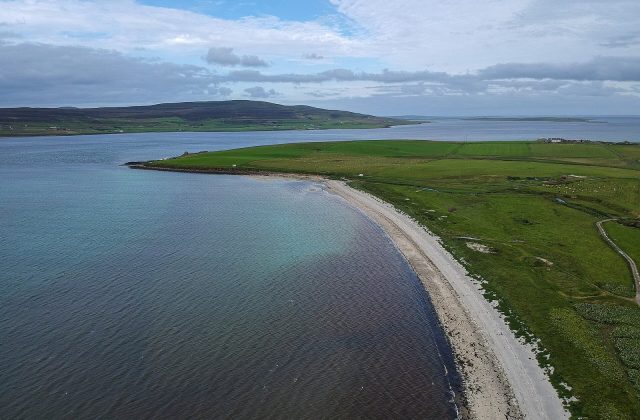
Orkney
Northern Isles, United Kingdom
Orkney is an archipelago of about 70 low, green islands off the north coast of Scotland, 20 of them inhabited, with the…
23 tours & trips
United Kingdom · North Sea & Channel · Nature & wildlife island
Shetland is Britain's northernmost archipelago, more than 100 islands lying closer to Bergen than to Edinburgh, of which 16 are inhabited. Visitors come for seabird cliffs and puffins, otters, Iron Age brochs and Viking sites, near-endless summer light and a culture that still feels as much Norse as Scottish.
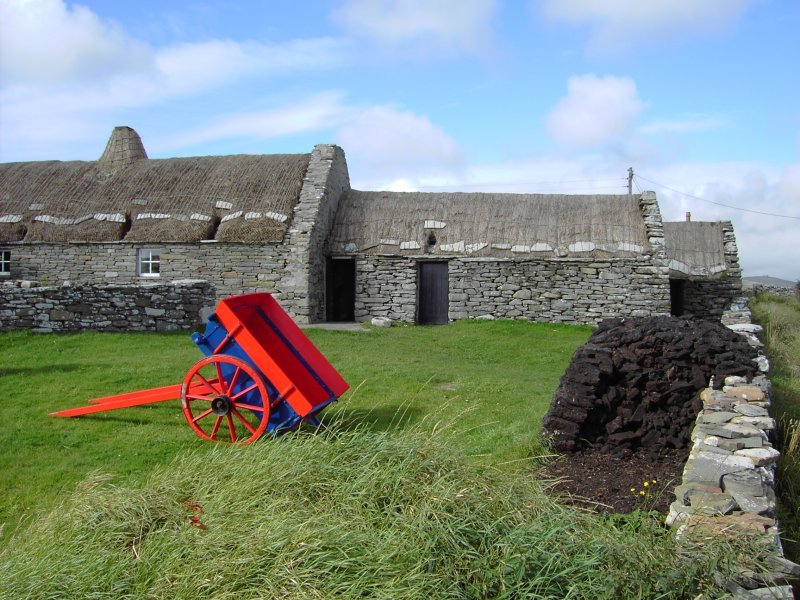
Photo: Dbachmann, CC BY-SA 3.0
| Getting there | Overnight ferry from Aberdeen in about 12 to 14 h, or flights to Sumburgh from Aberdeen, Edinburgh and Glasgow |
|---|---|
| Gateway | Aberdeen (overnight ferry); Sumburgh airport |
| Travel time | 12 to 14 h by ferry or about 1 h by air from Aberdeen |
| Days | A week or more |
| Best months | May–Aug for seabirds and light; Up Helly Aa in January; stormy winters |
| Getting around | A car is best; buses link Lerwick with most areas, and council ferries cross to the islands |
| Booking | Ferry cabins, hire cars and rooms months ahead for summer and Up Helly Aa |
| Cost | Expensive, even by Scottish standards |
| Beaches | Pale shell sand and cold water: St Ninian's Isle tombolo, West Voe of Sumburgh, Meal Beach |
| Sea | North Sea & Channel |
| Archipelago | Northern Isles |
| Area | 1,467 km² |
| Population | 22,710 (2025) |
| Highest point | 450 m (Ronas Hill) |
| Airport | Yes, scheduled flights |
| Car-free | No |
| Checked | October 2026 |
What is sold for Shetland is small-scale and local: guided days by minibus or car, a few half-day shared tours from Lerwick, and multi-day trips from Edinburgh built around the Up Helly Aa fire festival in January.
The most useful for a first visit is a guided day or half-day on the Mainland. Shared tours from Lerwick usually cover the southern end, with Jarlshof, the lighthouse and puffin cliffs at Sumburgh Head and the shell-sand bar of St Ninian's Isle; private guides tailor the day to wildlife, archaeology or knitting heritage, and can include a ferry to Yell or Unst. Transport and the guide are included; entry fees, lunch and ferry fares are often extra. Families can book a visit to meet Shetland ponies, and in summer local boats sail from Lerwick to the bird cliffs of Noss and from Sandwick to Mousa, where you can walk inside the broch.
Festival packages from Edinburgh handle the hard part of an Up Helly Aa trip, which is securing travel and beds in a town that fills completely.
For most visitors the best approach is to hire a car, explore independently, and book one guided wildlife day or boat trip to see otters and seabirds with someone who knows where to look.
Shetland's only town grew up around a sheltered harbour once used by Dutch herring fleets. Walk Commercial Street, the flagstoned lane of shops behind the waterfront, look at the lodberries, old merchant houses with their own landing stages, and spend a couple of hours in the Shetland Museum, which tells the story of the islands from Norse times to the oil industry.
At the southern tip, about 40 km from Lerwick, the cliffs below Sumburgh Head lighthouse hold puffins from May to early August, close enough to photograph without a long lens. A few minutes away, Jarlshof is a remarkable site where Bronze Age houses, an Iron Age broch, Norse longhouses and a ruined laird's house sit layered on one small stretch of shore.
On a small uninhabited island off Sandwick stands the best preserved Iron Age broch anywhere, a drystone tower about 13 metres high with a stair inside the double wall leading to the top. A small passenger boat crosses in summer in about 15 minutes. On some summer nights it runs late so visitors can watch storm petrels fly in to nest in the walls.
On the west side of the South Mainland, a curving bar of white shell sand, one of the largest tombolos in Britain, joins the Mainland to a small green island. Walk across to the ruined chapel where a hoard of Pictish silver was found in 1958, then around the cliffs of the isle. The bar is usually dry, but winter storms can cover it.
In the north-west of the Mainland, the cliffs at Eshaness are the remains of an ancient volcano, carved into stacks, arches and blowholes by the Atlantic. A circular walk from the lighthouse takes about two hours, past the collapsed sea cave called the Holes of Scraada. Ronas Hill, the highest point at 450 metres, rises nearby above a landscape of lochs and moor.
Two short ferry crossings, via Yell, lead to Unst, Britain's northernmost inhabited island. At Hermaness nature reserve a path over the moor reaches cliffs crowded with gannets and puffins, looking out to the Muckle Flugga lighthouse, while great skuas nest beside the path. Unst also has Viking longhouse remains, a replica longship and the decorated bus shelter at Baltasound.
Our pick for each kind of trip, with live dates and prices. Free cancellation on most.
Best for: First visit: South Mainland half-day
A shared minibus tour from Lerwick covers the southern end of the Mainland, where the main prehistoric sites, the puffin cliffs and the best beach are, without needing a car.
There are two ways in. NorthLink ferries sail overnight every evening from Aberdeen to Lerwick in about 12 to 14 hours, some calling at Kirkwall in Orkney on the way; cabins, reclining seats and car spaces sell out in summer, so book weeks or months ahead. Taking your own car is expensive but makes everything on the islands simpler.
Loganair flies to Sumburgh airport, at the southern tip of the Mainland, from Aberdeen in about an hour, and also from Edinburgh, Glasgow and Kirkwall. Flights are pricey and can be disrupted by fog and wind. From Sumburgh, buses and taxis cover the 40 km to Lerwick, and hire cars can be collected at the airport. Cruise ships call at Lerwick in summer and fill the town for the day.
A car is by far the easiest way to see Shetland, since the sights are scattered over a long, narrow archipelago; book hire well ahead in summer. Roads are good, often single-track with passing places away from the main routes, and traffic is light. Buses link Lerwick with most districts, though some routes run only a few times a day. Council ferries carrying cars cross frequently to Yell, Unst, Whalsay and Bressay, and smaller ones serve Fetlar and the outer isles; reserve car space on the busier routes in summer.
May to August is the main season. Puffins and other seabirds are on the cliffs from late April or May to early August, wild flowers cover the coast in June, and around midsummer it barely gets dark, the twilight islanders call the simmer dim. Temperatures stay cool, usually in the low to mid teens, and the weather changes fast, so bring waterproofs even in July. The Shetland Folk Festival in spring and Wool Week in autumn draw visitors from abroad.
Winter is dark, windy and wet, with only about six hours of daylight in December, but on the last Tuesday of January Lerwick holds Up Helly Aa, when a torchlit procession ends with the burning of a Viking galley; book a year ahead. Otters can be seen all year. Give Shetland at least five days, and a week if you want the northern isles too.
Lerwick is the natural base for a short stay: most hotels, guesthouses and restaurants, the ferry terminal, the museum and the bus hub, with day trips south and north from there. Scalloway, about 10 km west, is a quieter alternative. For a longer trip, move around: a couple of nights in the South Mainland near Sumburgh for Jarlshof and the puffins, then self-catering cottages or simple camping böds in Northmavine and on Unst.
Neolithic farmers settled Shetland some 5,000 years ago, followed by the builders of the brochs and stone houses still standing at Jarlshof and Mousa. Norse settlers arrived around 800 AD, and for six centuries the islands belonged to Norway, which shaped the place names and the local dialect. In 1469 they were pledged to Scotland as part of a royal marriage dowry and never redeemed. Fishing, knitting and the herring trade sustained the islands for centuries, and in the Second World War Scalloway was the base of the Shetland Bus, the boats that carried agents to occupied Norway. North Sea oil, landed at Sullom Voe from the late 1970s, brought new wealth.
Shetland pairs well with Orkney: some NorthLink sailings call at Kirkwall, and Loganair links the two in under an hour, so a two-week trip can cover both northern archipelagos before returning to Aberdeen. Fair Isle, with its bird observatory, and remote Foula are reached by small plane or ferry from the Mainland. The ferry from Aberdeen also makes an easy link with Edinburgh and the Highlands.
Overnight ferry from Aberdeen in about 12 to 14 h, or flights to Sumburgh from Aberdeen, Edinburgh and Glasgow.
From Aberdeen (overnight ferry); Sumburgh airport: 12 to 14 h by ferry or about 1 h by air from Aberdeen.
A week or more.
May–Aug for seabirds and light; Up Helly Aa in January; stormy winters.
A car is best; buses link Lerwick with most areas, and council ferries cross to the islands.
Go if you love wild coastline, seabirds, long walks and prehistoric sites with very few other visitors. Skip it or choose Orkney if you have only two or three days, or want warm weather and easy swimming beaches.
Expensive, even by Scottish standards.
Pale shell sand and cold water: St Ninian's Isle tombolo, West Voe of Sumburgh, Meal Beach.
Ferry cabins, hire cars and rooms months ahead for summer and Up Helly Aa.
Yes. Boat trips, guided tours and day trips for Shetland can be booked online; live prices and free cancellation on most are shown on this page.
Northern Isles, United Kingdom
Orkney is an archipelago of about 70 low, green islands off the north coast of Scotland, 20 of them inhabited, with the…
23 tours & trips