Capri
Italy
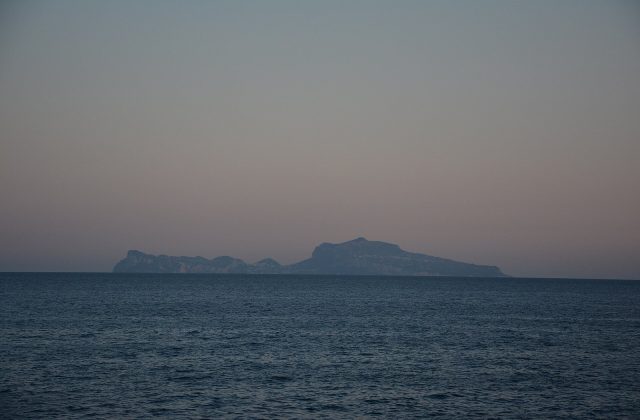
Capri is a limestone island of just 10 square kilometres at the southern edge of the Bay of Naples, 20 minutes by fast…
513 tours & trips
Italy · Mediterranean Sea · Historic island
Sicily is the largest island in the Mediterranean, a whole region of Italy separated from the mainland by the narrow Strait of Messina. Greek temples, Arab-Norman churches, baroque towns and Mount Etna, Europe's tallest active volcano at about 3,400 metres, fill an island that needs at least a week and rewards two.
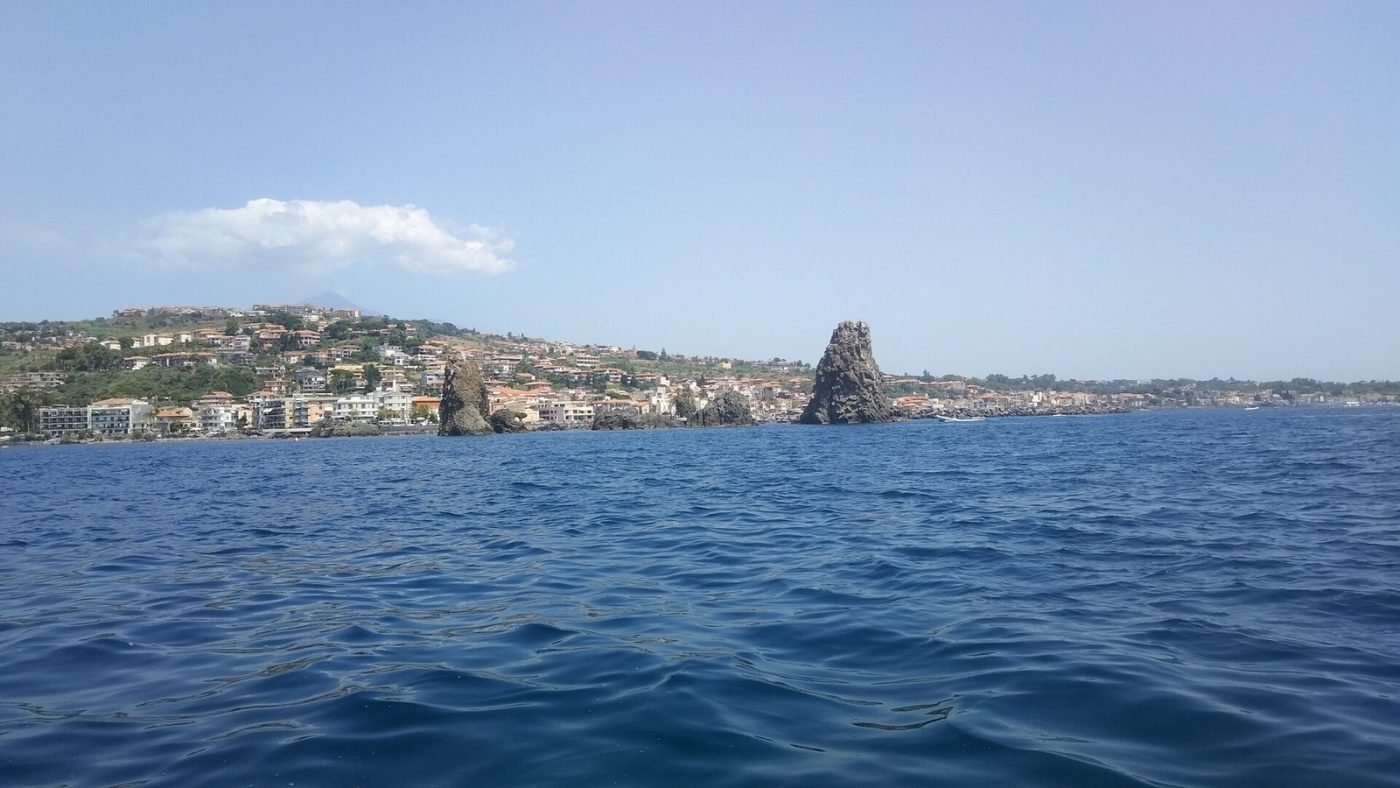
Photo: Continentaleurope, CC BY 4.0
| Getting there | Flights to Catania and Palermo; 20-min ferry from Villa San Giovanni; overnight ferries from Naples and Genoa |
|---|---|
| Gateway | Catania or Palermo airports |
| Travel time | About 1.5 h by air from Rome, 3 h from London |
| Days | A week to 10 days |
| Best months | Apr–Jun and Sep–Oct; Jul–Aug very hot and busy; Nov–Mar mild, beach places shut |
| Getting around | Rent a car for the countryside; buses and trains link the main cities |
| Booking | Summer car hire and coastal rooms early; Etna excursions and boat trips a few days ahead |
| Cost | Mid-range, cheaper than northern Italy |
| Beaches | Sand at San Vito lo Capo, Cefalù and the south-east; rocky coves at Taormina and Zingaro |
| Sea | Mediterranean Sea |
| Area | 25,662 km² |
| Population | 5.1 million |
| Highest point | 3,403 m (Mount Etna) |
| Ferry | 20 min from Catania or Palermo airports |
| Airport | Yes, scheduled flights |
| Car-free | No |
| UNESCO | Archaeological Area of Agrigento |
| Checked | October 2026 |
Sicily is big, and most of what is sold is regional rather than island-wide, so choose by where you are based.
In the east, Etna is the main event. Half and full-day trips from Catania and Taormina drive up to the southern slopes around the Silvestri craters, often adding a lava cave, the Alcantara gorges and a winery lunch; guided treks go higher, towards the summit craters, when activity allows. Boat trips from Taormina visit Isola Bella and the grottoes, and those from Syracuse circle Ortigia and the sea caves.
Food and wine are the second big group: cooking classes, street food walks in Palermo, Catania and Ortigia, tastings of Etna and Marsala wines and olive oil farms.
Third are the islands: boats and mini cruises to the Aeolian Islands from Milazzo and the north coast, and to Favignana and Levanzo from Trapani and Marsala. Walking tours of Palermo, Syracuse, Taormina and Agrigento, plus multi-day private tours, complete the range.
Our advice: rent a car, see the cities and temples on your own with a local guide where it helps, and book an Etna trip and one boat day.
The volcano dominates the east, often smoking and occasionally erupting. Roads climb to Rifugio Sapienza on the southern side, about an hour from Catania, where you can walk around old craters; a cable car and 4x4 buses go higher in summer. Bring warm clothes, and follow guides on the summit, which is closed during eruptions.
Once the greatest Greek city of the west, Syracuse has an archaeological park with a huge Greek theatre and the cave called the Ear of Dionysius. The old town sits on the island of Ortigia, joined by bridges, with a baroque cathedral built around a Greek temple, a fish market and swimming from the rocks.
The capital mixes Arab, Norman and baroque buildings: the golden mosaics of the Palatine Chapel, the cathedral and street markets such as Ballarò. It is the best city in Italy for street food. The hill town of Monreale, 8 km away, has a cathedral lined with Byzantine mosaics and a cloister.
On a ridge above the south coast stand some of the best-preserved Greek temples anywhere, the Temple of Concordia above all, along with a good museum. Visit early or late to avoid the heat; allow half a day. The Scala dei Turchi, a white marl cliff by the sea, is 15 km west.
The hilltop resort above the Ionian coast has a Greek and Roman theatre framing Etna and the sea, and a lively main street of cafes and shops. A cable car descends to the beaches of Mazzarò and the tiny islet of Isola Bella, joined to the shore by a sandbar. It is crowded in summer.
In the south-east, towns rebuilt after the earthquake of 1693 form the baroque Val di Noto, a UNESCO site. Noto has honey-coloured palaces and churches on a single grand street; Modica is famous for its chocolate; Ragusa Ibla sits on a ridge across a gorge. They are all within an hour of Syracuse.
Our pick for each kind of trip, with live dates and prices. Free cancellation on most.
Best for: First visit, Etna from Catania
A day on the slopes of the volcano with a stop at the Alcantara gorges and a winery lunch, the most popular outing in eastern Sicily.
Most visitors fly. Catania airport serves the east and Palermo the west, both with flights from across Italy and Europe; Trapani and Comiso have smaller services. Flights from Rome or Milan take about an hour to an hour and a half.
There is no bridge. Car and train ferries cross the Strait of Messina from Villa San Giovanni in Calabria in about 20 minutes, frequently day and night, and some long-distance trains from Rome are carried across on the ferry. Overnight ferries reach Palermo from Naples, Genoa, Livorno, Civitavecchia and Salerno, convenient if you bring your own car. Fast ferries link Pozzallo in the south with Malta. Palermo, Messina and Catania are regular cruise ports.
A car is the best way to reach the temples, baroque towns, beaches and Etna, and motorways link Palermo, Catania, Messina and Syracuse. Driving in Palermo and Catania is chaotic and parking is hard, so leave the car outside city centres. Intercity buses are often faster than trains between the main cities, while trains are useful along the coasts. Smaller roads inland are slow and winding, so allow more time than the map suggests.
Spring, from April to June, is the best time: green countryside, wild flowers, warm days and sea warm enough by June. September and October are just as good, with the sea at its warmest and the grape harvest on Etna. July and August are very hot, often above 35 degrees inland, and Italians head to the beaches, so prices and crowds peak, especially around mid-August.
Winter is mild on the coasts, around 15 degrees, with some rain and snow on Etna, and suits city and temple visits, though many beach hotels and island ferries cut back. Easter processions are a highlight in many towns. A week covers one half of the island; ten days to two weeks allow a full loop.
With limited time, pick two bases. In the east, Syracuse and Ortigia are ideal for the baroque south-east, and Taormina or Catania suit Etna. In the west, Palermo is the base for the city, Monreale and Cefalù, while Trapani or the hill town of Erice work for the Egadi Islands and the salt pans. Agrigento makes a convenient overnight on the south coast. Rural farm stays are good value with a car.
Sicily's position at the centre of the Mediterranean made it a prize for every power. Phoenicians and Greeks founded cities from the 8th century BC, Syracuse rivalled Athens, and Rome made the island its granary. Arabs ruled from the 9th century and brought citrus, sugar and irrigation; the Normans who followed built a court that blended Latin, Greek and Islamic art. Spanish rule, the earthquake of 1693 and the unification of Italy in 1860 followed, then mass emigration in the 20th century. Each layer is still visible in its buildings and food.
The Aeolian Islands, with Lipari, Vulcano and Stromboli, are an hour or two by hydrofoil from Milazzo, and the Egadi Islands lie 30 minutes from Trapani. Malta is under two hours by fast ferry from Pozzallo. Calabria and the toe of Italy are across the strait, and Naples is an overnight ferry away.
Flights to Catania and Palermo; 20-min ferry from Villa San Giovanni; overnight ferries from Naples and Genoa.
From Catania or Palermo airports: about 1.5 h by air from Rome, 3 h from London.
A week to 10 days.
Apr–Jun and Sep–Oct; Jul–Aug very hot and busy; Nov–Mar mild, beach places shut.
Rent a car for the countryside; buses and trains link the main cities.
Go if you want Greek temples, baroque towns, a live volcano, superb food and beaches in one trip. Skip it or choose a smaller island such as Malta or Capri if you only have a few days or do not want to drive. With about 20 min each way from Catania or Palermo airports, a day trip is easy to do.
Mid-range, cheaper than northern Italy.
Sand at San Vito lo Capo, Cefalù and the south-east; rocky coves at Taormina and Zingaro.
Summer car hire and coastal rooms early; Etna excursions and boat trips a few days ahead.
Yes. Boat trips, guided tours and day trips for Sicily can be booked online; live prices and free cancellation on most are shown on this page.
Italy
Capri is a limestone island of just 10 square kilometres at the southern edge of the Bay of Naples, 20 minutes by fast…
513 tours & trips
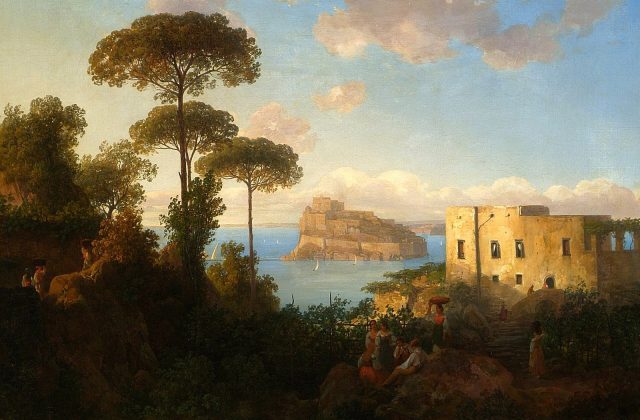
Phlegraean Islands, Italy
Ischia is the largest island in the Bay of Naples, a green volcanic island about 30 km from the city, crowned by Mount…
193 tours & trips
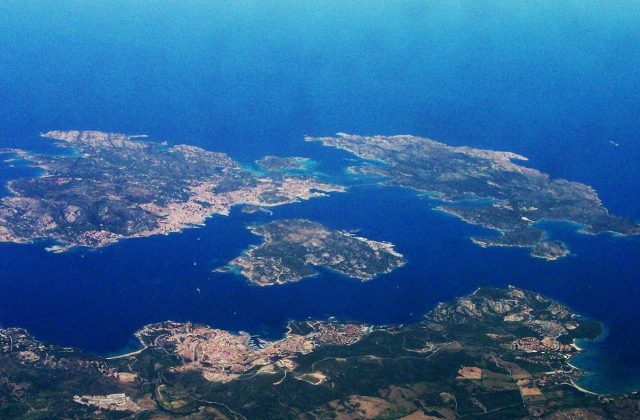
Italy
The La Maddalena Archipelago is a national park of seven main granite islands and dozens of islets in the Strait of…
162 tours & trips
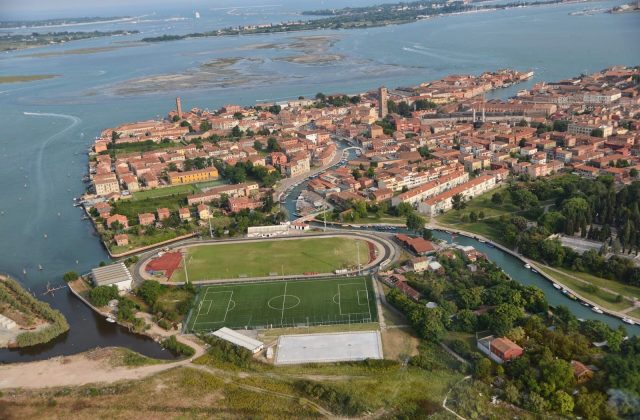
Venetian Lagoon, Italy
Murano is a cluster of small islands joined by bridges in the Venetian Lagoon, about 1.5 km north of Venice, and the…
120 tours & trips
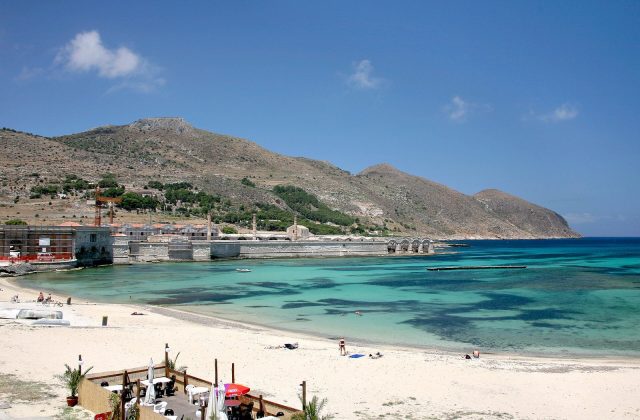
Aegadian Islands, Italy
Favignana is the largest of the Egadi Islands, a flat butterfly-shaped island of 20 square kilometres about half an…
87 tours & trips
Italy
Sardinia is the second largest island in the Mediterranean, about 200 km west of the Italian mainland and just south of…
85 tours & trips