Capri
Italy
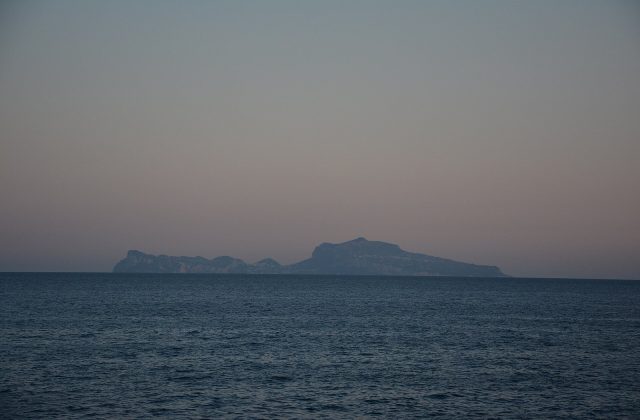
Capri is a limestone island of just 10 square kilometres at the southern edge of the Bay of Naples, 20 minutes by fast…
513 tours & trips
Italy · Mediterranean Sea · Beach island
Sardinia is the second largest island in the Mediterranean, about 200 km west of the Italian mainland and just south of Corsica, with nearly 2,000 km of coast. It combines some of Europe's clearest water and whitest beaches with a wild mountain interior, thousands of Bronze Age stone towers and a language and cuisine of its own.
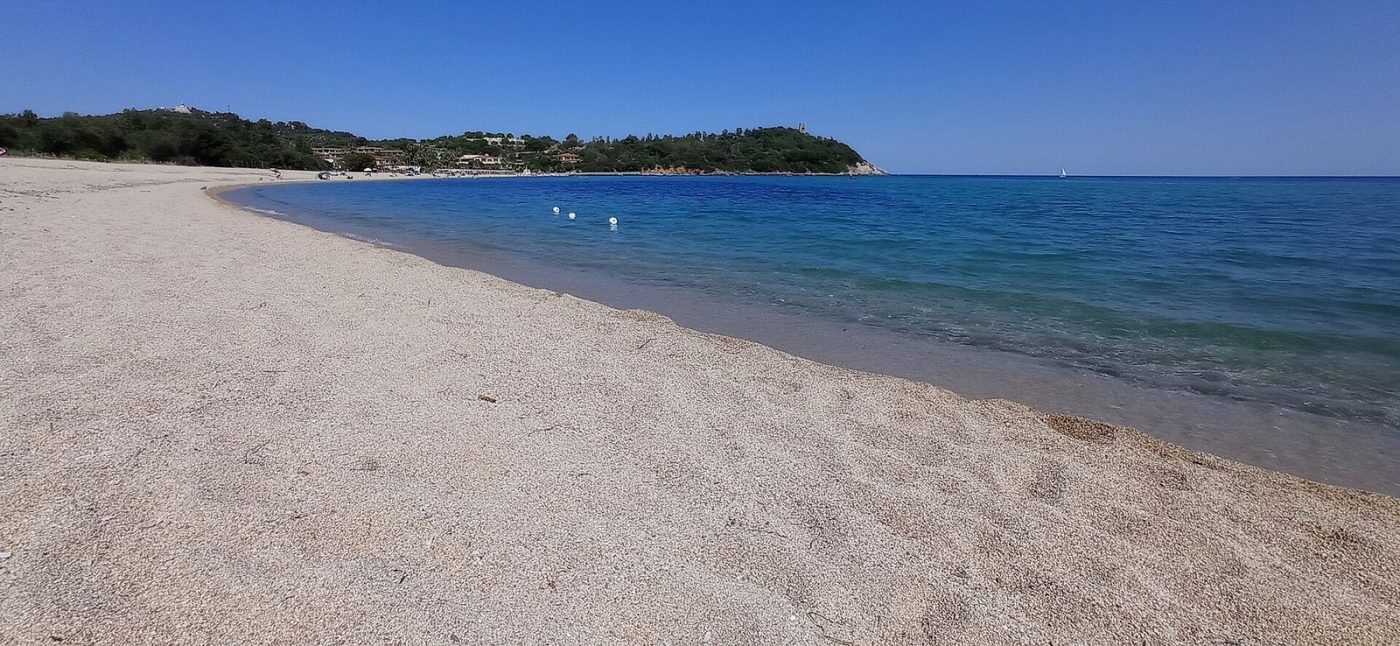
Photo: Fabio Pani, CC BY-SA 4.0
| Getting there | Flights to Cagliari, Olbia or Alghero; ferries from Genoa, Livorno and Civitavecchia in roughly 6 to 12 h |
|---|---|
| Gateway | Olbia or Cagliari (airports); ferries from Genoa or Livorno |
| Travel time | About 1 h by air from Rome or Milan; ferries 6 to 12 h |
| Days | A week or more |
| Best months | May–June and September; Jul–Aug hot, crowded and costly; resorts close Nov–Mar |
| Getting around | Rent a car; trains and buses are slow and sparse beyond the main towns |
| Booking | Ferries with a car and August rooms months ahead; boat trips a few days ahead in summer |
| Cost | Mid-range for Italy; very expensive on the Costa Smeralda |
| Beaches | White sand and clear water: La Pelosa, Chia, Cala Goloritze, Costa Rei and Poetto |
| Sea | Mediterranean Sea |
| Area | 23,949 km² |
| Population | 1.6 million (2020) |
| Highest point | 1,834 m (Punta La Marmora) |
| Airport | Yes, scheduled flights |
| Car-free | No |
| UNESCO | Su Nuraxi di Barumini |
| Checked | November 2026 |
Sardinia is too large for a single tour, so most products are local and built around one stretch of coast or one site.
Boat trips are the most popular. In the north-east, boats, catamarans, vintage wooden launches and rubber dinghies from Palau, Cannigione, Baja Sardinia and Santa Teresa Gallura tour the granite islands of the La Maddalena archipelago with swimming stops and usually lunch; some cross to southern Corsica. On the east coast, small boats from Cala Gonone, Arbatax and Posada follow the cliffs of the Gulf of Orosei to coves such as Cala Luna and Cala Mariolu. Sailing boats and catamarans from Porto Rotondo, Stintino, Villasimius and Costa Rei offer full days and sunsets, and boats in the south-west visit the sea caves of the old mining coast.
On land, guided trips from Cagliari go to the nuraghe of Su Nuraxi at Barumini, the mines and sea stacks around Nebida, or the mountain villages of the interior, including Orgosolo and the villages known for their centenarians. Food tours, cheese and pasta workshops and wine and distillery tastings are everywhere. Via ferrata, canyoning and hiking start from Dorgali and Tavolara, and kitesurfing and wing-foil lessons run at Punta Trettu in the windy south-west.
Boat trips usually include lunch and drinks; national park fees and transfers may not be. Book one boat day in the north or east, and one inland trip for the island's other side.
Off the north-east tip, a national park of granite islands with pink and white rocks and shallow turquoise water. A car ferry takes 20 minutes from Palau to La Maddalena town, but the best way to see the outer islands of Budelli, Spargi and Razzoli is on a boat day trip. The famous pink beach can be viewed but not walked on.
On the east coast, limestone cliffs drop into the sea for about 40 km, broken by coves reachable only by boat or long paths. Boats leave Cala Gonone and Arbatax in the morning for Cala Luna, Cala Mariolu and others. Cala Goloritze, with its rock spire, is reached on a steep walk of about an hour from the plateau.
Sardinia has thousands of nuraghi, the stone towers of its Bronze Age people, and this is the largest and best preserved: a central tower with bastions surrounded by a village of round huts. Visits are guided and take about an hour. It lies in the centre-south, about an hour by car from Cagliari.
The capital climbs from the port to the walled Castello quarter, with towers, a cathedral and terraces looking over the lagoons where flamingos feed. Below, the city has good markets and seafood. Poetto, a long urban beach, is 15 minutes away. Spend a day here at the start or end of the trip.
In the north-west, Alghero is a walled seaside town with Catalan roots still heard in its dialect and seen in its street names. From the harbour, boats run to Neptune's Grotto at Capo Caccia, or you can drive and walk down the long stairway in the cliff. North of here, La Pelosa beach near Stintino has limited daily access in summer.
The mountainous heart of the island, rising to 1,834 metres at Punta La Marmora, is shepherd country. Orgosolo is known for its political murals, Mamoiada for its masked carnival, and the Gorropu gorge near Dorgali for one of Europe's deepest canyons. Expect winding roads, cork oaks and long lunches of roast pork and pecorino.
Our pick for each kind of trip, with live dates and prices. Free cancellation on most.
Best for: First visit, the north-east by boat
A day among the granite islands of the La Maddalena national park, with swimming stops in turquoise coves and lunch on board, which is the classic boat trip of northern Sardinia.
Three main airports serve the island: Cagliari in the south, Olbia in the north-east and Alghero in the north-west, with flights of about an hour from Rome and Milan and direct summer flights from much of Europe. Choose the airport closest to the coast you want; driving from Cagliari to Olbia takes about three and a half hours.
Ferries carry cars from Genoa, Livorno, Civitavecchia, Piombino and Naples to Olbia, Golfo Aranci, Porto Torres, Arbatax and Cagliari. Crossings take roughly 6 to 12 hours, many overnight with cabins, and summer sailings with a car sell out, so book early. There are also ferries from Barcelona and Toulon. From Corsica, boats cross from Bonifacio to Santa Teresa Gallura in about an hour. Cruise ships call at Cagliari and Olbia.
A rental car is the only practical way to explore. The main dual carriageway runs from Cagliari to Sassari, with good roads to Olbia, but coastal and mountain roads are slow and winding, so allow more time than the distance suggests. Trains link the main cities but are slow and infrequent; regional buses serve towns but rarely beaches. In summer, a narrow-gauge tourist train runs through the interior. Parking at popular beaches is paid and fills early.
May, June and September are the best months, with warm sun, sea warm enough to swim from June and reasonable prices. July and August are hot, often above 30 degrees inland, and Italian holidays fill every beach, especially around the 15 August holiday, when ferry and room prices peak and some beaches limit numbers.
October is still pleasant on the south coast, but from November to March most beach hotels and restaurants close, ferries run less often and the mountains can be cold, with snow on the highest peaks. The north-west mistral wind blows strongly at times, roughening the sea in the north and west; choose the sheltered coast on windy days.
Festivals are a reason to come out of season: the Sant'Efisio procession in Cagliari on 1 May, the Sartiglia horse race in Oristano and the masked carnivals of the interior in February. Allow a week for one region and two for the whole island.
The island is large enough that you should pick one or two bases. The north-east, around Olbia, Palau and San Teodoro, is best for boat trips and La Maddalena; the Costa Smeralda itself is the most expensive. The south, around Cagliari, Villasimius and Chia, combines a city with fine beaches. Cala Gonone and Dorgali on the east coast suit walkers and boat days. Alghero suits travellers who want a town with character and nearby beaches.
Sardinia's oldest visible past belongs to the Nuragic people of the Bronze Age, whose stone towers still stand across the countryside. Phoenicians, Carthaginians and Romans founded ports such as Nora and Tharros, and in the Middle Ages the island was divided into local kingdoms before passing to Pisa, Genoa and Aragon, which left Catalan Alghero. In 1720 Sardinia went to the House of Savoy, whose Kingdom of Sardinia went on to unite Italy. After the Second World War malaria was eradicated, and from the 1960s the Costa Smeralda made the north-east a destination.
Corsica is the obvious pairing, an hour by ferry from Santa Teresa Gallura to Bonifacio. Within Sardinia, the islands of La Maddalena, Tavolara and San Pietro make good boat outings, the last 30 minutes by ferry from Portovesme. Ferries to Livorno or Civitavecchia continue to Tuscany and Rome, and flights from Cagliari reach Sicily.
Flights to Cagliari, Olbia or Alghero; ferries from Genoa, Livorno and Civitavecchia in roughly 6 to 12 h.
From Olbia or Cagliari (airports); ferries from Genoa or Livorno: about 1 h by air from Rome or Milan; ferries 6 to 12 h.
A week or more.
May–June and September; Jul–Aug hot, crowded and costly; resorts close Nov–Mar.
Rent a car; trains and buses are slow and sparse beyond the main towns.
Go if you want outstanding beaches and boat trips combined with mountains, ancient sites and real food over a week or more. Skip it or choose Corsica or Sicily if you want dramatic mountains with easier trains, or big cities and Baroque art.
Mid-range for Italy; very expensive on the Costa Smeralda.
White sand and clear water: La Pelosa, Chia, Cala Goloritze, Costa Rei and Poetto.
Ferries with a car and August rooms months ahead; boat trips a few days ahead in summer.
Yes. Boat trips, guided tours and day trips for Sardinia can be booked online; live prices and free cancellation on most are shown on this page.
Italy
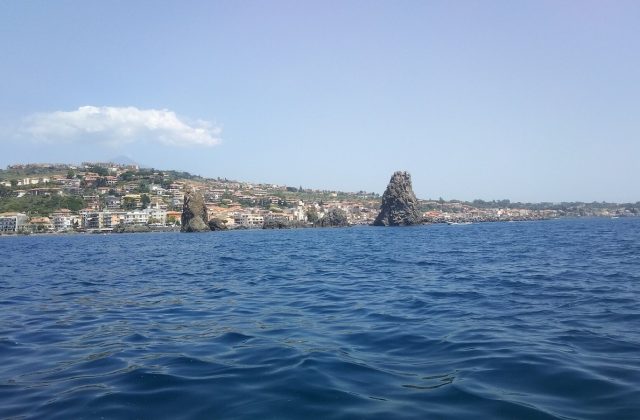
Capri is a limestone island of just 10 square kilometres at the southern edge of the Bay of Naples, 20 minutes by fast…
513 tours & trips
Italy
Sicily is the largest island in the Mediterranean, a whole region of Italy separated from the mainland by the narrow…
227 tours & trips
Phlegraean Islands, Italy
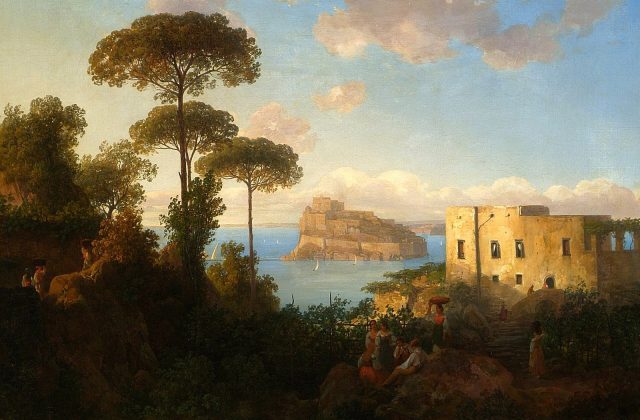
Ischia is the largest island in the Bay of Naples, a green volcanic island about 30 km from the city, crowned by Mount…
193 tours & trips
Italy
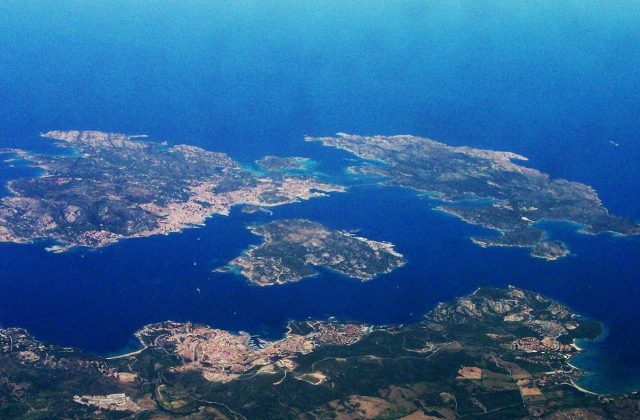
The La Maddalena Archipelago is a national park of seven main granite islands and dozens of islets in the Strait of…
162 tours & trips
Venetian Lagoon, Italy
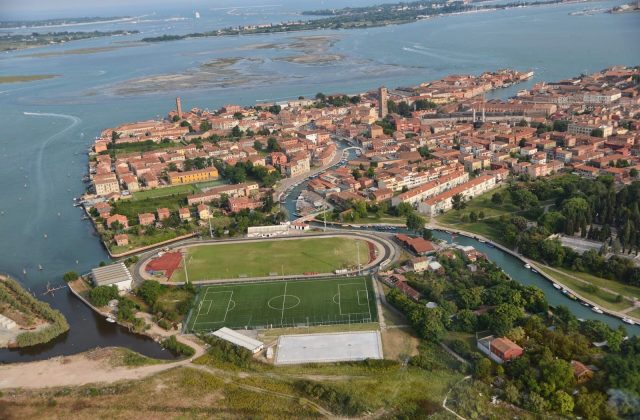
Murano is a cluster of small islands joined by bridges in the Venetian Lagoon, about 1.5 km north of Venice, and the…
120 tours & trips
Aegadian Islands, Italy
Favignana is the largest of the Egadi Islands, a flat butterfly-shaped island of 20 square kilometres about half an…
87 tours & trips