Outer Hebrides
93 km away
The Outer Hebrides are a 210-km chain of islands off the north-west coast of Scotland, from Lewis and Harris in the…
3 tours & trips
United Kingdom · North Sea & Channel · Remote island
St Kilda is a remote group of islands in the Atlantic, about 65 km west of North Uist, the westernmost outpost of the Outer Hebrides. Abandoned by its last 36 inhabitants in 1930, it has the highest sea cliffs in Britain, the largest gannet colony in the world and a ruined village street, and it is a World Heritage Site for both nature and culture.
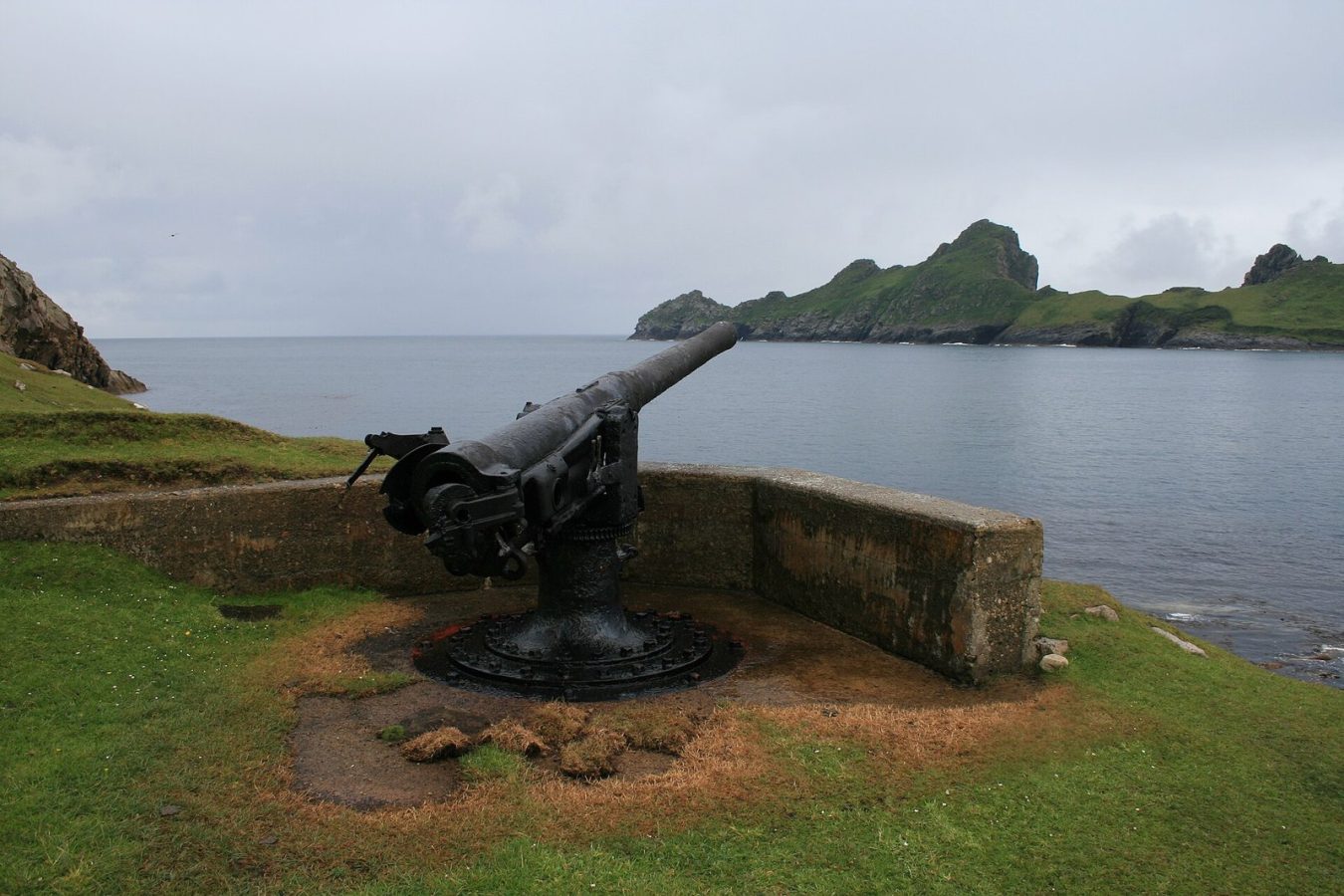
Photo: Gajtalbot, CC BY 2.0
| Getting there | Day boats from Leverburgh on Harris or from Skye, about 3 h each way; landings weather-permitting |
|---|---|
| Gateway | Leverburgh (Harris) or Skye |
| Travel time | About 2.5 to 4 h each way by boat |
| Days | A day trip, with spare days for weather |
| Best months | May–Sep; puffins May to early Aug; trips often cancelled in rough seas |
| Getting around | On foot only: paths and steep hillsides around Village Bay on Hirta |
| Booking | Boat trips months ahead for summer; keep two or three backup days in your plans |
| Cost | Expensive: far more than a normal island boat trip |
| Beaches | No swimming beaches; a boulder shore and a small sandy patch in Village Bay in summer |
| Sea | North Sea & Channel |
| Archipelago | Outer Hebrides |
| Area | 8.5 km² |
| Population | Uninhabited |
| Highest point | 430 m (Conachair) |
| Airport | No |
| Car-free | Yes |
| UNESCO | St Kilda |
| Checked | November 2026 |
Nothing genuinely about this St Kilda is sold online through the usual tour sites. Trips to the Scottish archipelago are run by a few small boat operators in the Hebrides and are booked directly with them.
The classic option is a long day trip on a fast boat with about 12 passengers. It leaves early in the morning, crosses open Atlantic water for about three hours, lands you by small inflatable at the jetty in Village Bay on Hirta for four to five hours ashore, then circles Boreray and the stacks to see the gannets before returning in the evening. The fare covers the boat and skipper; bring your own food, waterproofs and seasickness tablets. Trips run only when sea and swell allow a safe landing, and operators decide the day before or on the morning, so they often keep you on a standby list.
Multi-day cruises on small expedition yachts and motor vessels also visit St Kilda as part of an Outer Hebrides itinerary, with a better chance of landing. The plain recommendation: book the day trip well ahead, build at least two spare days into your Harris or Skye stay, and accept that the sea decides.
The boats land on Hirta below the curve of the old village: a line of stone cottages built in the 1860s, with older blackhouses between them. A few have been restored, one as a small museum of island life, and the church and schoolroom stand at the end. The ranger gives a short welcome talk when you arrive.
Over a thousand stone cleits, small turf-roofed storehouses for drying birds, peat and crops, are scattered across the hillsides. Climb steeply from the village to the summit of Conachair at 430 metres, where the cliff falls straight to the sea, the highest in Britain. Allow about two hours up and back, and keep away from the edge in wind.
A shorter walk leads up from the village to the Gap, a dip in the ridge where the land ends at a sheer drop and fulmars glide past at eye level. Further west, the Mistress Stone is a rock doorway on the cliff where young men once proved their nerve. Bonxies, great skuas, defend their nests on the slopes, so carry a stick.
On the way home most boats circle Boreray, Stac an Armin and Stac Lee, the tallest sea stacks in Britain. They hold tens of thousands of nesting gannets, whitening the rock, and the air is thick with birds and noise. Puffins gather in rafts on the water, and the feral sheep of Boreray graze slopes no one has farmed for decades.
Hirta's own wildlife is unique. The small brown Soay sheep, a primitive breed left from early farming, roam freely among the cleits and are studied by scientists every year. The St Kilda wren, a larger, paler subspecies, sings from the walls of the village. Look for both on the walk up from the jetty.
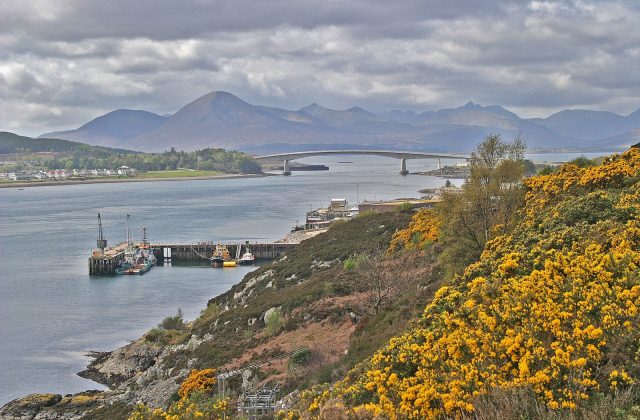
St Kilda has no ferry, airport or scheduled service. Small day-trip boats leave from Leverburgh on the south of Harris and from the north-west of Skye, and occasionally from Lewis; the crossing takes about two and a half to four hours each way depending on the port and the sea. Trips run from about April or May to September, and many scheduled days are cancelled because of swell, which makes landing at the jetty unsafe. Expect a rough ride even on good days. Reach Harris by ferry from Uig on Skye to Tarbert, or from Ullapool to Stornoway and then by road, and Skye by bridge from the mainland. Bring your car to Harris or Skye and leave it at the harbour. Expedition cruise ships also call in summer, landing passengers by inflatable.
You walk. Visitors land at the jetty in Village Bay on Hirta, and everything is within reach on foot: the village street, the museum cottage and the hills behind. Paths are rough and steep, the weather changes fast and there is a military radar station with a road to the summit, which you may walk but not drive. Wear proper boots and waterproofs, and stay away from cliff edges.
The visiting season runs from about May to September, when the seas are calmer and the days long. Seabirds are the big draw: puffins are on the islands from about late April to early August, gannets until September, and fulmars nest on every ledge. June and July have the best combination of birds, light and settled weather, but no month is reliable.
Atlantic swell can stop landings for days at any time, even in summer, so the most important planning rule is to keep two or three flexible days and book accommodation on Harris or Skye that lets you change plans. Temperatures are cool, often 12 to 15 degrees in summer, and wind is constant. Outside the season, trips do not run. One landing day is what most visitors get, and it is enough.
There is no accommodation on St Kilda apart from a tiny campsite near the village, which takes a handful of campers with permission from the National Trust for Scotland, the owner. Day-trippers stay on Harris at Leverburgh, Tarbert or the beaches of the west coast, or on Skye near the departure harbour. Choose somewhere with flexible booking, as the trip often moves by a day.
People lived on St Kilda for perhaps two thousand years, never more than about 180 at a time, surviving on seabirds, eggs, sheep and a little barley. The men climbed the cliffs on ropes to catch fulmars, gannets and puffins, and the cleits stored the harvest. In the nineteenth century tourist steamers and missionaries brought money, new houses and disease, and after the First World War many young people left. In 1930 the last 36 residents asked to be evacuated. The islands are now owned by the National Trust for Scotland and shared with a small military base.
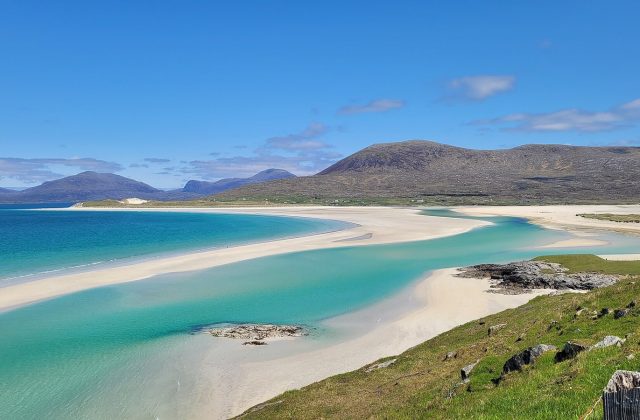
St Kilda is usually an add-on to a Harris and Lewis trip, with the white beaches of Luskentyre, the Callanish standing stones and the Tarbert distillery. From Skye, combine it with the Trotternish ridge and Dunvegan. The Uists and Barra extend the route south by causeway and ferry.
93 km away
The Outer Hebrides are a 210-km chain of islands off the north-west coast of Scotland, from Lewis and Harris in the…
3 tours & trips
123 km away
Lewis and Harris is the largest island in Scotland, a single landmass of 2,178 square kilometres at the top of the…
1 tour
146 km away
The Isle of Skye is the largest island of the Inner Hebrides, 1,656 square kilometres of sea lochs, moorland and jagged…
62 tours & trips
Day boats from Leverburgh on Harris or from Skye, about 3 h each way; landings weather-permitting.
From Leverburgh (Harris) or Skye: about 2.5 to 4 h each way by boat.
A day trip, with spare days for weather.
May–Sep; puffins May to early Aug; trips often cancelled in rough seas.
No. St Kilda is car-free. On foot only: paths and steep hillsides around Village Bay on Hirta.
Go if you want the most remote day trip in Britain, huge seabird colonies and an evacuated village on a cliff-ringed island. Skip it or choose Staffa or Lunga if you suffer badly from seasickness or cannot keep spare days for weather.
Expensive: far more than a normal island boat trip.
No swimming beaches; a boulder shore and a small sandy patch in Village Bay in summer.
Boat trips months ahead for summer; keep two or three backup days in your plans.
Yes. St Kilda is part of the World Heritage property St Kilda.
Outer Hebrides, United Kingdom
Lewis and Harris is the largest island in Scotland, a single landmass of 2,178 square kilometres at the top of the…
1 tour
Outer Hebrides, United Kingdom
Barra is a small island at the southern end of the Outer Hebrides, about 14 kilometres long, where the plane from…
No tours listed