Föhr
North Frisian Islands, Germany
Föhr is a flat, green island in the Wadden Sea off the coast of Schleswig-Holstein, the second-largest German island in…
9 tours & trips
Germany · North Sea & Channel · Beach island
Sylt is Germany's northernmost island, a narrow strip of dunes and heath in the North Sea with a sandy beach about 40 kilometres long on its western side. Linked to the mainland only by a railway causeway, it mixes thatched villages, wild dunes and the smartest seaside resorts in the country.
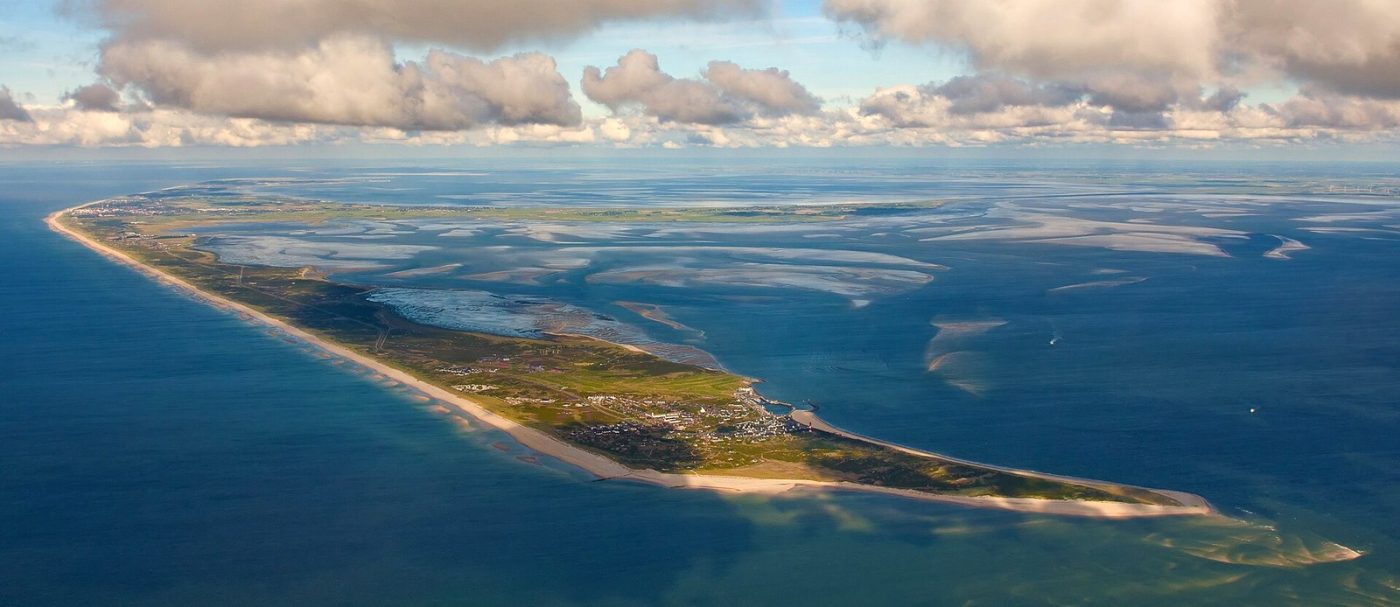
Photo: Ralf Roletschek, CC BY-SA 3.0
| Getting there | Car train or regional train from Niebull across the causeway in about 40 min; ferry from Romo in Denmark |
|---|---|
| Gateway | Niebull (car train), or Hamburg by rail |
| Travel time | About 40 min by train from Niebull; 3 h from Hamburg |
| Days | 3 to 5 nights |
| Best months | Jun–Sep; cool and windy the rest of the year |
| Getting around | Good buses and cycle paths link all villages; a car is optional |
| Booking | Rooms months ahead for July and August; the car train ahead on summer weekends |
| Cost | Expensive for Germany |
| Beaches | Fine white sand along the whole west coast, with surf; calmer water on the eastern Wadden Sea side |
| Sea | North Sea & Channel |
| Archipelago | North Frisian Islands |
| Area | 99 km² |
| Population | 13,634 (2019) |
| Highest point | 52 m (Uwe Dune) |
| Airport | Yes, scheduled flights |
| Car-free | No |
| Checked | October 2026 |
Most of what is sold on Sylt starts at one of its two harbours, List in the north and Hornum in the south, and runs into the shallow Wadden Sea on the island's eastern side.
The best-known trip is the seal cruise from List: about one and a half to two hours to the sandbanks where seals lie at low tide, often with a net hauled up so you can see crabs, starfish and fish before they go back. Similar boats from Hornum combine seal watching with shell or crab fishing, and some add an oyster tasting near the oyster beds off List.
There are also sunset cruises, barbecue evenings on board and fishing trips for mackerel. Scheduled boats run in summer to the neighbouring islands of Amrum and Fohr, and a ferry crosses from List to Romo in Denmark.
On land you can join a guided walk on the mudflats, take a kitesurfing or surfing lesson on the west coast, or ride a sightseeing bus around the villages. Prices are normally for the boat only; food is extra unless stated.
Our advice: book the seal cruise from List and hire a bike for the rest.
The beach runs almost the whole length of the island, broad and sandy, backed by dunes and broken only by the resort promenades. Rent a hooded wicker beach chair for shelter from the wind. Swimming areas are guarded in summer; currents are strong, so stay between the flags. A small beach fee is charged in season.
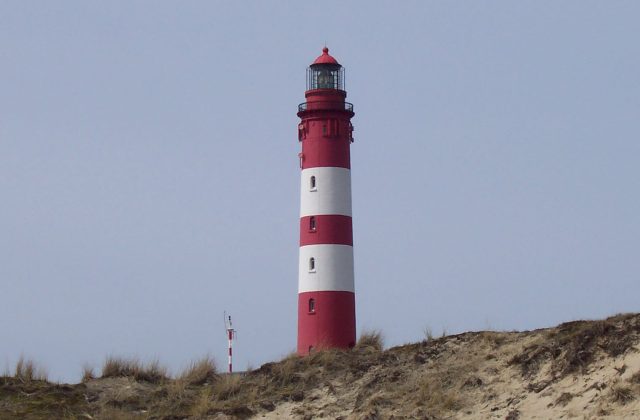
In the far north, the harbour of List has fish stalls and the seal boats. Beyond it a private toll road leads onto the Ellenbogen, a hook of dunes that ends at the northernmost point of Germany, with two lighthouses. Nearby are wandering dunes up to 35 metres high, best seen from the marked boardwalks.
Kampen is the island's most exclusive village, with thatched villas and designer boutiques. West of it, the Red Cliff drops in layers of reddish sand to the beach, and a boardwalk climbs the Uwe Dune, at 52 metres the highest point on Sylt, for views of both coasts. Come at sunset, when the cliff glows.
On the sheltered eastern shore, Keitum is the prettiest village: thatched captains' houses from the whaling era, gardens of roses and a medieval church on a rise above the mudflats. Walk the path along the Wadden Sea, visit the small local history museum and stop for tea and cake in one of the old houses.
The main town and rail terminus has the busiest beach promenade, a pedestrian shopping street leading from the station to the sea, and most of the hotels. It is less pretty than the villages but convenient, with an indoor pool and spa for windy days, and buses to every part of the island.
The southern village has a small harbour, a lighthouse and a quieter atmosphere. Walk round the Odde, the sandy tip of the island, between the open sea and the Wadden Sea; storms have eaten away much of it in recent decades. Boats leave here for Amrum and Fohr, and for evening cruises.
Our pick for each kind of trip, with live dates and prices. Free cancellation on most.
Best for: First visit, seals from List
A boat from the northern harbour out to the sandbanks where seals rest at low tide, with a crew member explaining the Wadden Sea.
Sylt has no road link. The Hindenburgdamm, a causeway of about 11 km opened in 1927, carries only the railway, so cars travel on a car-carrying train from Niebull to Westerland, which runs frequently every day and takes around 40 minutes. You drive on and stay in your car.
Without a car, regional trains run from Hamburg to Westerland in about three hours, and in summer some long-distance trains run through from other German cities.
From Denmark, a car ferry crosses from Havneby on Romo to List in about 40 minutes several times a day. Sylt airport near Westerland has seasonal flights from several German cities, mainly in summer. In season, boats also arrive from Amrum and Fohr.
Sylt is about 38 km long and less than a kilometre wide in places, and it is easy to get around without a car. Buses run frequently along the main road from Westerland to List and Hornum and to the villages in between. The island has an extensive network of cycle paths, mostly flat but exposed to the wind; bikes and e-bikes can be hired everywhere. Parking in the villages is limited and expensive in summer.
Summer, from June to early September, is the beach season, with air temperatures around 20 degrees and a sea that rarely gets much above 18. July and August are the busiest and most expensive months, when German school holidays fill the island and the car train has queues. June and September are the sweet spot: long days, fewer people and lower prices.
Spring and autumn are cool and windy but good for walking and cycling, and the light is beautiful. Winter is quiet and grey, with storms that can bring dramatic seas; many visitors come for spa breaks and long walks. On 21 February the islanders light bonfires at the Biikebrennen festival, an old North Frisian tradition.
Plan three to five nights to see both ends of the island and take a boat trip.
Westerland has the most hotels and apartments, the station and the liveliest promenade, and suits people without a car. Wenningstedt and Kampen, just north, are quieter and closer to the dunes, with Kampen the most expensive. Keitum and the eastern villages are calm and pretty but further from the surf beach. List and Hornum suit those who like a harbour village and walking.
Sylt was once a community of farmers, fishermen and sailors; in the eighteenth century many men served as captains on Dutch and German whaling ships, and their thatched houses still stand in Keitum. The island passed from Danish to Prussian rule after the war of 1864. Bathing tourism began in Westerland in 1855, and the causeway of 1927 brought mass tourism. Since the 1950s Kampen has drawn artists, writers and the wealthy. The sea takes land every winter, and sand is pumped back onto the beaches to protect the coast.
The neighbouring islands of Amrum and Fohr are easy day trips by boat from Hornum in summer, each with a quieter character. Romo in Denmark is 40 minutes away by ferry from List. Hamburg is about three hours by train, so many visitors spend a few days in the city first. The Halligen, tiny islands in the Wadden Sea, can be visited by boat from the mainland.
Car train or regional train from Niebull across the causeway in about 40 min; ferry from Romo in Denmark.
From Niebull (car train), or Hamburg by rail: about 40 min by train from Niebull; 3 h from Hamburg.
3 to 5 nights.
Jun–Sep; cool and windy the rest of the year.
Good buses and cycle paths link all villages; a car is optional.
Go if you want long empty beaches, dune walks, cycling, seafood and stylish villages by the North Sea. Skip it or choose Amrum or Fohr if you want a quieter, cheaper island, or the Baltic coast for warmer water.
Expensive for Germany.
Fine white sand along the whole west coast, with surf; calmer water on the eastern Wadden Sea side.
Rooms months ahead for July and August; the car train ahead on summer weekends.
Yes. Boat trips, guided tours and day trips for Sylt can be booked online; live prices and free cancellation on most are shown on this page.
North Frisian Islands, Germany
Föhr is a flat, green island in the Wadden Sea off the coast of Schleswig-Holstein, the second-largest German island in…
9 tours & trips
North Frisian Islands, Germany
Amrum is a small North Frisian island in the German Wadden Sea, south of Sylt and west of Föhr, famous for the…
8 tours & trips