Lipari
Aeolian Islands, Italy
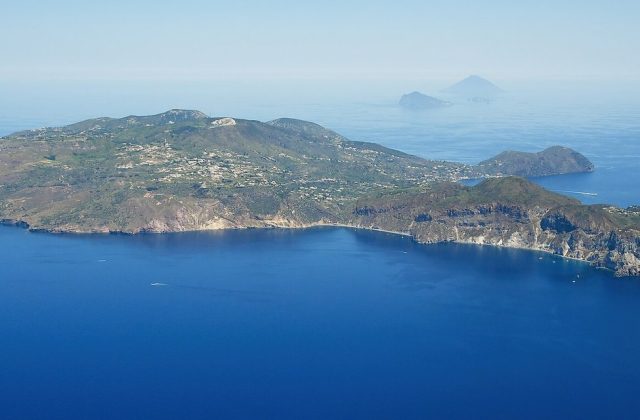
Lipari is the largest and busiest of the Aeolian Islands, a volcanic island of about 37 square kilometres off the north…
63 tours & trips
Italy · Tyrrhenian Sea · Volcanic island
Vulcano is the southernmost of the Aeolian Islands, about 20 kilometres north of Sicily, an island of 21 square kilometres built by volcanoes and still steaming. You can climb the rim of the Gran Cratere in an hour, swim off black sand and bathe in warm bubbling sea, all within walking distance of the port.
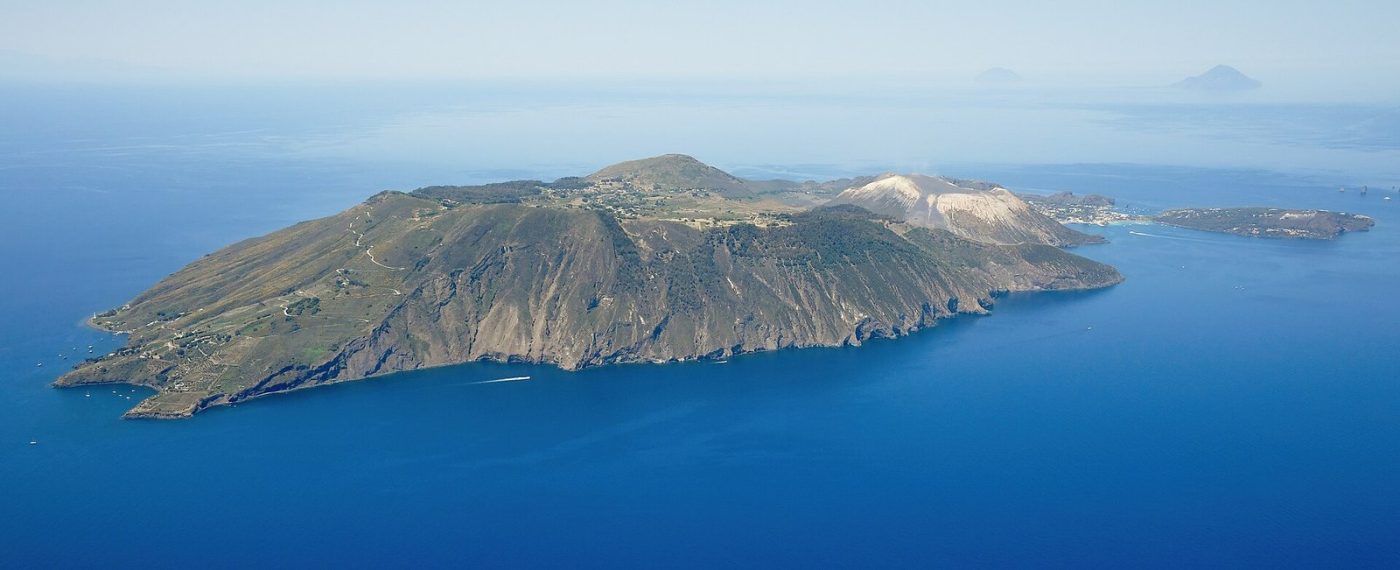
Photo: Carsten Steger, CC BY-SA 4.0
| Getting there | Hydrofoil or ferry from Milazzo about 50 min to 1.5 h; 10-min hydrofoil from Lipari; summer links from Messina |
|---|---|
| Gateway | Milazzo (Sicily) |
| Travel time | 50 min by hydrofoil, 1.5 h by ferry |
| Days | 1 to 2 nights |
| Best months | May–June and Sep–Oct; August hot and crowded; quiet and windy Nov–Mar |
| Getting around | Walk around the port; rent a scooter or bike for Gelso and Piano; a few local buses |
| Booking | Hotels for August months ahead; hydrofoils a few days ahead in high summer |
| Cost | Mid-range for Italy; dearer in August |
| Beaches | Black volcanic sand at Sabbie Nere; Gelso in the south; warm bubbling sea at Porto di Levante |
| Sea | Tyrrhenian Sea |
| Archipelago | Aeolian Islands |
| Area | 21 km² |
| Highest point | 501 m (Monte Aria) |
| Ferry | 50 min from Milazzo (Sicily) |
| Airport | No |
| Car-free | No |
| UNESCO | Isole Eolie (Aeolian Islands) |
| Checked | November 2026 |
Vulcano is easy to see on your own: the hydrofoil drops you at Porto di Levante, the crater path starts a 15-minute walk away, and the black beach is on the other side of the isthmus. Many people come for a single day from Lipari or Milazzo without booking anything.
The products sold divide into three groups. Day trips from Milazzo, Tropea, Cefalu or Capo d'Orlando visit Vulcano and Lipari in one boat day, with two to three hours ashore on each island; these suit visitors based on the mainland, and some include a family version or lunch. From Lipari, small boats run half-day and full-day tours round Vulcano, stopping at the sea caves and coves of the west coast for swimming and snorkelling, sometimes with a landing at the port. The longer tours from Lipari or Milazzo also reach Panarea and Stromboli, returning after dark to watch the eruptions.
Guided crater walks are useful when the path is under restrictions, and boat tours normally include fuel and a skipper, with drinks or lunch extra.
Recommendation: sleep a night if you can, climb early, and add a round-the-island boat.
The path to the rim of the Fossa crater starts a short walk from the port and climbs about 290 metres over loose ash in roughly an hour. At the top you look into the crater and over the whole Aeolian chain, while yellow sulphur vents hiss along the edge. Go early, carry water, and check whether access is open.
On the west side of the narrow isthmus, ten minutes on foot from the port, the bay of Porto di Ponente has the island's best beach: a curve of fine black sand facing the cliffs of Lipari and the rock stacks offshore. Sunsets are excellent. The sand gets very hot, so bring sandals and arrive early in August.
Near the port, gas rises through the seabed and makes the shallow water fizz and run warm, like a natural jacuzzi. The famous mud pool behind it has been closed for long periods in recent years because of gas levels, so check before you plan around it. Remove silver jewellery, which turns black in the sulphur.
The northern peninsula, Vulcanello, rose from the sea in Roman times and is now joined to the island. A short walk leads to the Valle dei Mostri, where weathered lava blocks take strange shapes, and to views over the strait to Lipari. It is a 20-minute walk from the port, easiest in the late afternoon.
The road climbs south to the green upland of Piano, with vineyards and scattered houses, and on to the viewpoint of Capo Grillo, which looks across all seven islands. It then drops to Gelso on the southern tip, a quiet hamlet with a lighthouse, a couple of restaurants and dark pebble beaches. Go by scooter or bus.
The west and south coasts are cliffs with caves and arches that are best seen from the water. Small boats from the port or from Lipari stop at the Grotta del Cavallo, swim in the natural pool known as the Piscina di Venere and pass the rock called the Monster's Head. A circuit takes two to three hours.
Our pick for each kind of trip, with live dates and prices. Free cancellation on most.
Best for: First visit, a day from Milazzo
A boat day from the Sicilian coast that combines Vulcano with Lipari, with time ashore for a swim or the crater path and the crossings arranged for you.
Milazzo, on the north coast of Sicily, is the main gateway. Hydrofoils run several times a day all year and take about 50 minutes; slower car ferries take around 1.5 hours and are the way to bring a vehicle, though you are better off leaving it in Milazzo. Most boats continue to Lipari, only about ten minutes away, which has the most connections in the archipelago. In summer hydrofoils also link Messina and Reggio Calabria, and there are seasonal sailings from Naples.
The nearest airports are Catania and Palermo. Buses run from Catania airport to the port of Milazzo in about two hours; from Palermo, allow around three. Buy tickets at the port offices or online, especially in August and at weekends, when hydrofoils fill. In rough seas, hydrofoils are often cancelled, and the larger ferries are more reliable.
Vulcano is small, and the port, the crater path, the mud area and the black beach are all within a 15-minute walk of each other. To reach Piano and Gelso, about 10 kilometres away up a steep winding road, rent a scooter, an electric bike or a small car at the port, or take the local bus, which runs a few times a day. Taxis wait at the harbour in summer. Roads are narrow but quiet outside August.
The season runs from April to October. May and June are warm, green and quiet, with the sea warm enough for swimming from late May; September and early October are even better, with the sea at its warmest and the crowds gone. July and especially August are hot, the crater climb is hard after mid-morning, and hotels and hydrofoils fill with Italian holidaymakers around the mid-August holiday.
From November to March, most hotels and restaurants close, the weather is windy, and hydrofoils are fewer and often cancelled. Volcanic activity also affects access: since 2021 the authorities have closed the crater path or parts of the port area at times of high gas emissions, so check the current rules before you go. One night lets you climb at dawn and swim at sunset; two nights allow a boat trip round the island or to Panarea and Stromboli.
Most hotels and rooms are around Porto di Levante and Porto di Ponente, on the isthmus, close to the hydrofoil, the beach and the crater path; this is the practical base for a short stay, though the smell of sulphur carries. Piano, on the upland, is quiet and rural, with self-catering houses and cooler nights. Gelso, in the south, suits those who want isolation and a car or scooter. Many visitors prefer to stay on Lipari and come over for the day.
The Romans believed the island was the forge of Vulcan, god of fire, and its name gave the world the word volcano. The Fossa cone last erupted from 1888 to 1890, when explosions threw blocks over the island and ended the sulphur and alum works run by a Scottish industrialist on the northern shore. For centuries the island was almost empty, used for mining and grazing. Tourism arrived in the twentieth century, and the Aeolian Islands were listed by UNESCO in 2000 for their volcanic landforms. The volcano is still closely monitored.
Vulcano is the first stop in the Aeolian chain. Lipari is ten minutes away by hydrofoil and makes an easy base; Salina is about 40 minutes further, Panarea about an hour and Stromboli around 1.5 to 2 hours, so a classic route runs Vulcano, Lipari, Salina, then Stromboli. On the mainland, Taormina and Mount Etna are about two hours from Milazzo by road.
Hydrofoil or ferry from Milazzo about 50 min to 1.5 h; 10-min hydrofoil from Lipari; summer links from Messina.
From Milazzo (Sicily): 50 min by hydrofoil, 1.5 h by ferry.
1 to 2 nights.
May–June and Sep–Oct; August hot and crowded; quiet and windy Nov–Mar.
Walk around the port; rent a scooter or bike for Gelso and Piano; a few local buses.
Go if you want an easy volcano climb, black-sand swimming and the smell of sulphur within an hour of the Sicilian coast. Skip it or stay on Lipari or Salina if you want pretty villages, good walking beyond the crater and a lively evening scene. With about 50 min each way from Milazzo (Sicily), a day trip is easy to do.
Mid-range for Italy; dearer in August.
Black volcanic sand at Sabbie Nere; Gelso in the south; warm bubbling sea at Porto di Levante.
Hotels for August months ahead; hydrofoils a few days ahead in high summer.
Yes. Boat trips, guided tours and day trips for Vulcano can be booked online; live prices and free cancellation on most are shown on this page.
Aeolian Islands, Italy
Lipari is the largest and busiest of the Aeolian Islands, a volcanic island of about 37 square kilometres off the north…
63 tours & trips
Aeolian Islands, Italy
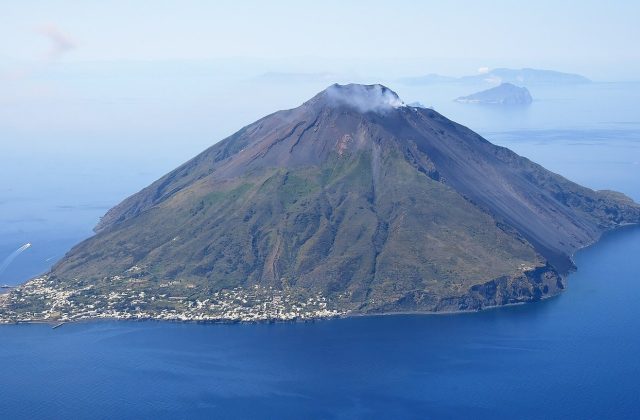
Stromboli is the most active volcano in Europe that you can easily visit, a cone rising 926 metres straight out of the…
41 tours & trips
Aeolian Islands, Italy
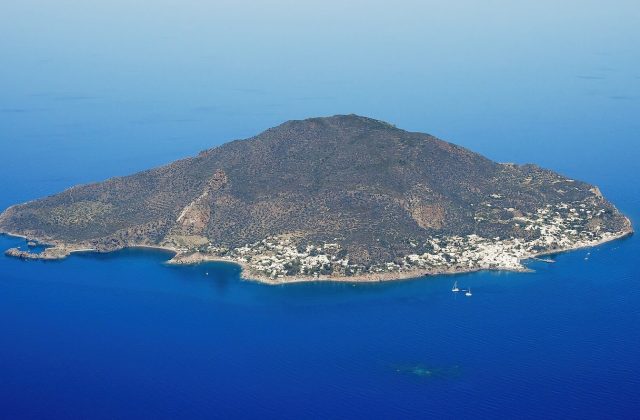
Panarea is the smallest of the seven inhabited Aeolian Islands north of Sicily, just 3.4 square kilometres of white…
32 tours & trips
Aeolian Islands, Italy
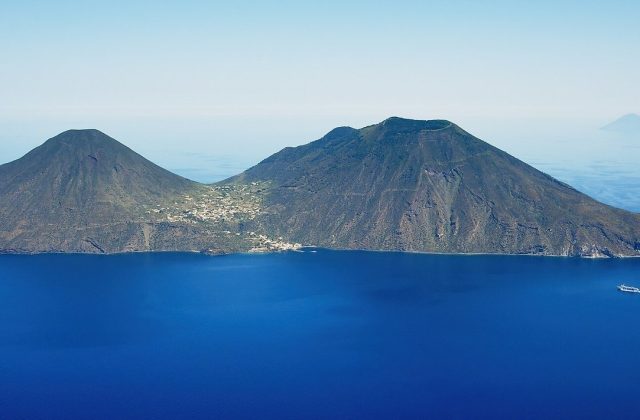
Salina is the greenest of the Aeolian Islands off northern Sicily, two extinct volcanoes joined by a saddle of…
8 tours & trips