Curaçao
ABC Islands, Dutch Caribbean
Curaçao is the largest of the Dutch ABC islands, a dry, rocky island of 444 square kilometres about 65 km off the coast…
112 tours & trips
Dutch Caribbean · Caribbean Sea · Nature & wildlife island
Bonaire is the quietest of the ABC islands, a dry, flat island of 288 square kilometres off the coast of Venezuela, where the whole coastline is a protected marine park. Divers and snorkellers come for reefs that start a few metres from the shore, and everyone else for flamingos, salt pans and steady trade winds.
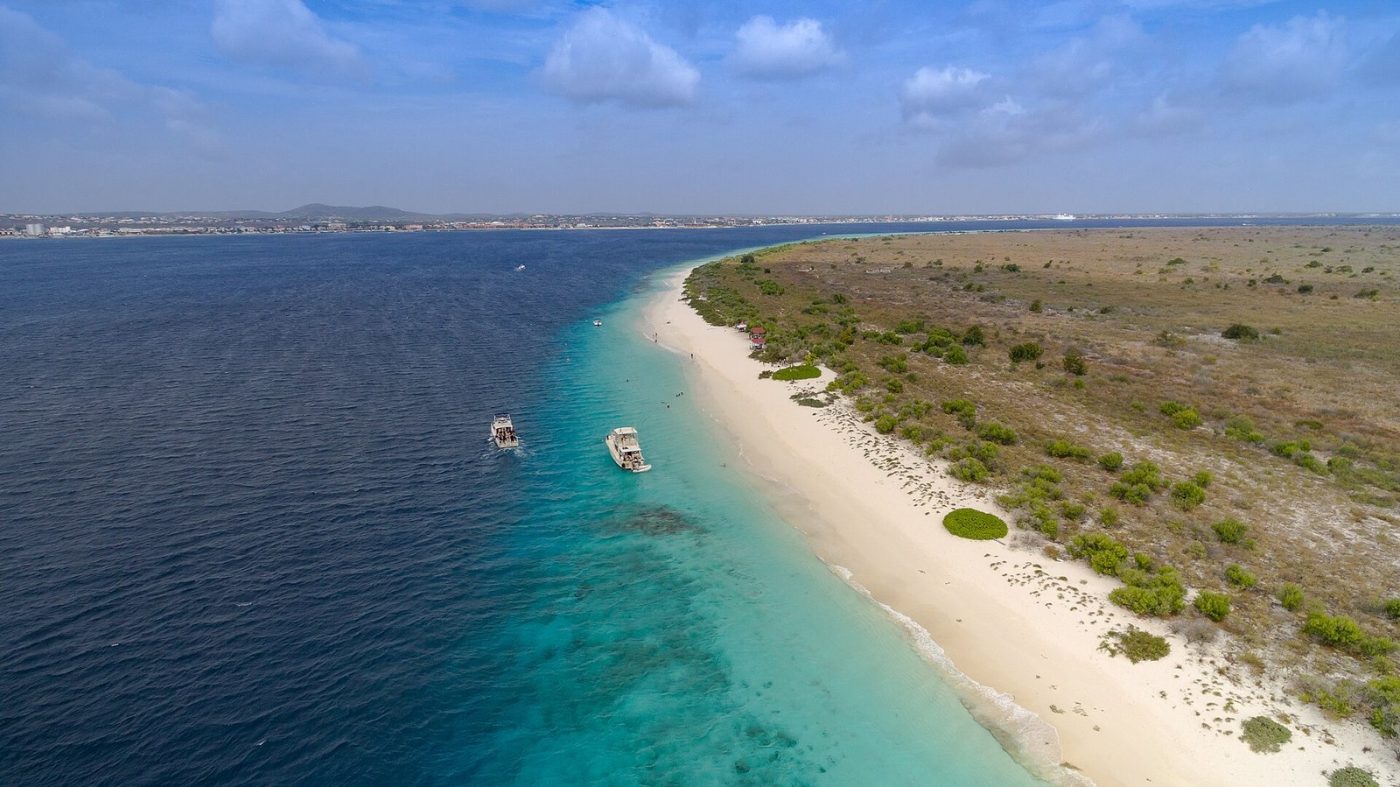
Photo: dronepicr, CC BY 2.0
| Getting there | Direct flights from Amsterdam and several US cities to Flamingo airport; short hops from Curacao and Aruba |
|---|---|
| Gateway | Kralendijk (Flamingo airport) |
| Travel time | 20 to 30 min by air from Curacao |
| Days | A week |
| Best months | Year-round; driest Feb–Jun; rainy spells Oct–Dec; steady trade winds |
| Getting around | Rent a car or pickup; there is almost no public transport; bikes and scooters in town |
| Booking | Flights, rooms and rental cars months ahead for Christmas and spring; trips a day ahead |
| Cost | Mid-range for the Caribbean; food prices are high |
| Beaches | Few sandy beaches; Sorobon on Lac Bay, Klein Bonaire's No Name Beach and Pink Beach in the south |
| Sea | Caribbean Sea |
| Archipelago | ABC Islands |
| Area | 288 km² |
| Population | 26,552 (2025) |
| Highest point | 241 m (Brandaris) |
| Airport | Yes, scheduled flights |
| Car-free | No |
| Checked | November 2026 |
Bonaire is a place where most divers and many snorkellers go it alone: rent a pickup, collect tanks from a dive shop and use the yellow-painted stones along the coast road that mark the shore entries. Tours fill in what you cannot easily do yourself.
On the water, catamaran and motorboat trips cross to Klein Bonaire for a drift snorkel along its reef, or make two or three stops along the marine park; one longer outing collects you at your hotel and moves between several sites, another looks for turtles. After dark there are night snorkels and a trip to see glowing plankton off Klein Bonaire. Try-dive sessions suit beginners, sunset cruises serve snacks and drinks, and a private charter with a captain lets a group choose the sites.
At Lac Bay on the east coast, guided kayak tours of one or two hours paddle through the mangroves, the longer one with a snorkel among the roots, and a night version runs too. On land, minibus tours cover the salt pans and flamingos of the south and the villages and lakes of the north; private versions add Washington Slagbaai National Park with lunch. Kralendijk walking tours, a cave tour with a swim and private birdwatching outings complete the list.
Gear and drinks are normally included; the marine park nature fee is paid separately. Book one Klein Bonaire snorkel trip and one Lac Bay kayak, and see the rest by car.
The Bonaire National Marine Park covers the water all around the island and Klein Bonaire, and the reef drops off just metres from the coast. Dozens of sites along the coast road are marked by yellow stones; park, walk in and swim out. Every visitor pays a nature fee, which funds the park rangers.
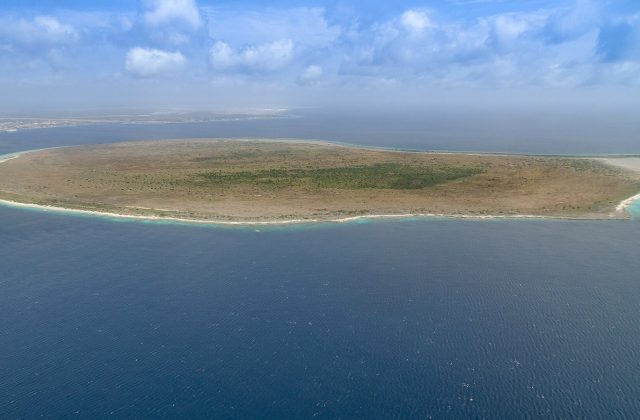
The low, uninhabited islet 800 metres off Kralendijk is ringed by reef and white sand. Water taxis cross in about 15 minutes several times a day; there is no shade, shop or water, so take everything with you. No Name Beach is the landing point, and turtles nest along its shore. The snorkelling just off the beach is excellent.
The flat south of the island is given over to salt works, with pink evaporation ponds, white salt mountains and a long loading pier. Flamingos feed in the pans, and a sanctuary in the south is one of their main breeding sites in the Caribbean. Tiny stone huts by the shore once housed the enslaved salt workers.
The northern fifth of the island is a national park of cactus scrub, salt lakes and rugged coves, rising to Brandaris, the highest point at 241 metres. Unpaved routes of different lengths loop through it, best driven in a high-clearance car. Arrive early, as the park closes in mid-afternoon, and bring water and snorkel gear for the bays.
On the windward east coast a shallow lagoon protected by a reef is one of the best places in the world to learn windsurfing, thanks to steady wind and knee-deep water. Sorobon beach has rental shops and beach bars, and the mangroves at the north end of the bay shelter young fish and conch. It is about 20 minutes' drive from Kralendijk.
Rincon, in a valley in the north, is the oldest village on the island, with colourful houses and a small distillery making cactus liqueur. Kralendijk, the capital, has a waterfront promenade, Fort Oranje and most of the restaurants. The Donkey Sanctuary near the airport cares for the wild donkeys that roam the island.
Our pick for each kind of trip, with live dates and prices. Free cancellation on most.
Best for: First visit, snorkelling Klein Bonaire
A catamaran crossing to the uninhabited islet with a drift snorkel along its reef wall, the easiest way for non-divers to see why the marine park is famous.
Flamingo International Airport lies just south of Kralendijk. There are direct flights from Amsterdam several times a week, and from a few US hubs, with more seats in the northern winter. Small airlines fly many times a day from Curacao, a flight of about 20 to 30 minutes, and from Aruba, which makes Bonaire easy to add to a longer Caribbean trip.
Almost every visitor arrives by air. Cruise ships dock at the Kralendijk pier, mainly from October to April, when the town fills on ship days. Divers should check baggage allowances before packing gear, and those connecting via Curacao should allow time, as the small planes carry limited luggage.
You need a car. Public transport is almost non-existent, taxis are expensive, and the dive sites and beaches spread along about 40 km of coast. Pickup trucks are popular with divers because wet gear goes in the back. Driving is on the right; roads are quiet and well paved, apart from the national park tracks. Wild donkeys and goats wander onto the road, especially at dusk. Never leave valuables in the car at dive sites; leave it unlocked and empty.
Bonaire is sunny and dry all year, with daytime temperatures of 28 to 32 degrees and a constant trade wind that keeps it bearable. The island lies outside the main hurricane belt, though passing storms can bring rough seas on the usually calm west coast. The driest months are February to June; October to December brings short rain showers, and the island turns green.
The sea is 26 to 29 degrees, and visibility on the reef is good all year. Prices and demand peak from mid-December to April, when North Americans and Europeans escape winter, and again in Dutch school holidays in July and August. Wind is strongest from May to August, which suits windsurfers at Lac Bay. Divers usually stay a week to explore enough sites.
Kralendijk and the coast road just north and south of it are the obvious base, with restaurants, dive shops and house reefs in front of many hotels. The area north of town towards Hato is popular with divers who want to walk straight into the water. Sorobon on Lac Bay suits windsurfers and those who want a beach. Rincon offers village life and lower prices but is a drive from the sea.
The Caquetio people crossed from the mainland long before Europeans arrived; their rock paintings survive at Onima in the north-east. Spain claimed the island in 1499 but used it mainly for cattle. The Dutch West India Company took it in 1636 and set up salt works and plantations run by enslaved Africans, whose huts still stand by the pans. After the Netherlands Antilles were dissolved in 2010, Bonaire became a special municipality of the Netherlands and uses the US dollar.
Curacao, 20 to 30 minutes by air, is the natural pairing, with a historic capital, beaches and its own shore diving. Aruba completes the ABC islands with long sandy beaches and big resorts. Many travellers fly in from Amsterdam and spend a week on each island, while others add Bonaire to a Curacao holiday for a few nights of diving.
Direct flights from Amsterdam and several US cities to Flamingo airport; short hops from Curacao and Aruba.
From Kralendijk (Flamingo airport): 20 to 30 min by air from Curacao.
A week.
Year-round; driest Feb–Jun; rainy spells Oct–Dec; steady trade winds.
Rent a car or pickup; there is almost no public transport; bikes and scooters in town.
Go if you want world-class shore diving and snorkelling, flamingos and a relaxed, safe island outside the hurricane belt. Skip it or choose Aruba or Curacao if you want long sandy beaches, big resorts, casinos or a lively nightlife.
Mid-range for the Caribbean; food prices are high.
Few sandy beaches; Sorobon on Lac Bay, Klein Bonaire's No Name Beach and Pink Beach in the south.
Flights, rooms and rental cars months ahead for Christmas and spring; trips a day ahead.
Yes. Boat trips, guided tours and day trips for Bonaire can be booked online; live prices and free cancellation on most are shown on this page.
ABC Islands, Dutch Caribbean
Curaçao is the largest of the Dutch ABC islands, a dry, rocky island of 444 square kilometres about 65 km off the coast…
112 tours & trips
ABC Islands, Dutch Caribbean
Aruba is a dry, windswept Dutch Caribbean island of 179 square kilometres, only 29 km off the coast of Venezuela and…
75 tours & trips
ABC Islands, Dutch Caribbean
Klein Bonaire is a flat, uninhabited islet of about 6 square kilometres lying less than a kilometre off Kralendijk, the…
3 tours & trips