Aruba
ABC Islands, Dutch Caribbean
Aruba is a dry, windswept Dutch Caribbean island of 179 square kilometres, only 29 km off the coast of Venezuela and…
75 tours & trips
Dutch Caribbean · Caribbean Sea · Beach island
Curaçao is the largest of the Dutch ABC islands, a dry, rocky island of 444 square kilometres about 65 km off the coast of Venezuela. Its capital, Willemstad, is a World Heritage city of pastel Dutch gables, and the west coast is lined with small coves and easy shore diving on healthy reefs.
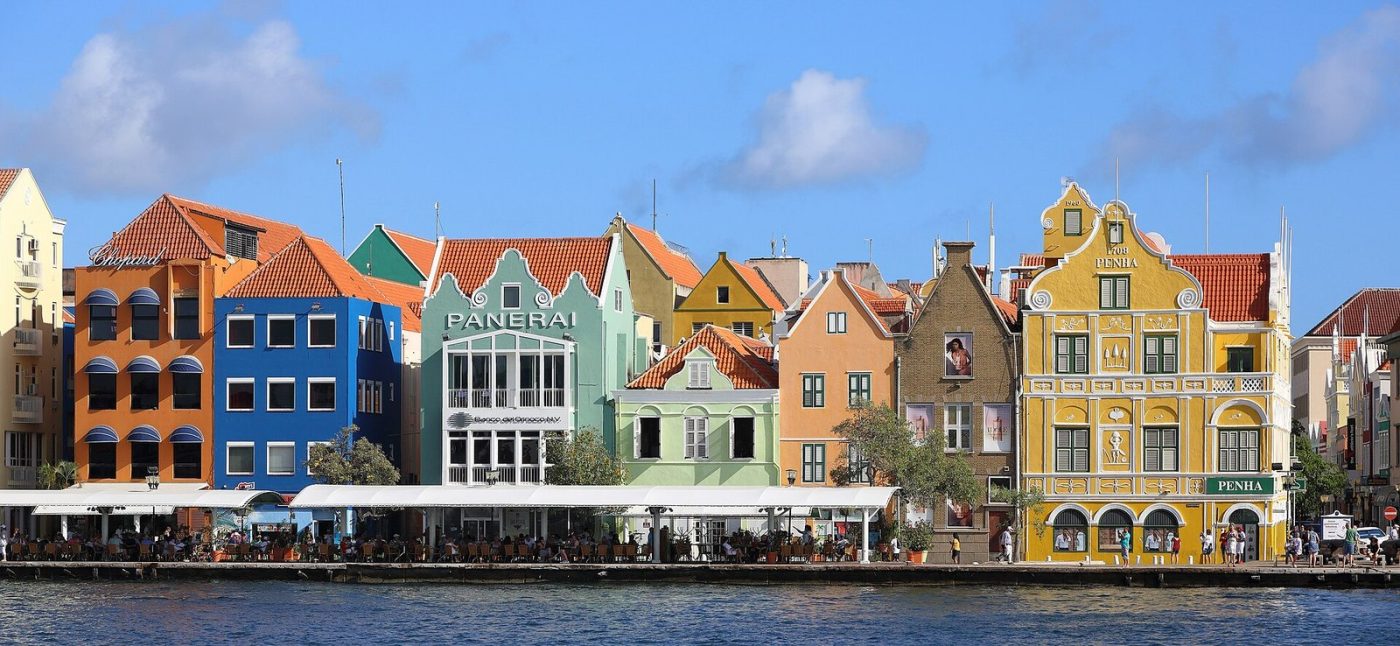
Photo: Martin Falbisoner, CC BY-SA 4.0
| Getting there | Direct flights from Amsterdam, the US, Canada and South America; short hops from Aruba and Bonaire |
|---|---|
| Gateway | Willemstad (Curaçao International Airport) |
| Travel time | About 10 h from Amsterdam, 2.5 h from Miami |
| Days | A week or more |
| Best months | Year-round; driest Feb–Sep; outside the main hurricane belt |
| Getting around | Rent a car for the beaches; limited buses; taxis on fixed fares |
| Booking | Cars and rooms for Christmas, Carnival and Dutch holidays; boat trips a few days ahead |
| Cost | Mid-range; cheaper than Aruba |
| Beaches | Small coves in the west: Grote Knip, Cas Abao, Playa Lagun; beach clubs near Willemstad |
| Sea | Caribbean Sea |
| Archipelago | ABC Islands |
| Area | 444 km² |
| Population | 148,925 (2023) |
| Highest point | 372 m (Christoffelberg) |
| Airport | Yes, scheduled flights |
| Car-free | No |
| UNESCO | Historic Area of Willemstad, Inner City and Harbour, Curacao |
| Checked | October 2026 |
Curaçao is easy to explore independently with a rental car, but much is sold for those who want a guide or a boat.
Boat trips are the main product. Catamarans leave from Willemstad, Jan Thiel and Spanish Water for beach-hopping days with snorkelling, and a full-day trip goes to Klein Curaçao, an uninhabited islet about two hours away, with lunch and drinks. Smaller boats visit the Blue Room sea cave and the turtle beaches of the west coast, and clear-bottomed boats and semi-submarines show the reef to non-swimmers. Sunset cruises and private charters fill the evenings.
Diving and snorkelling are the second group: guided snorkel tours, introductory dives and full courses, with many sites reached from the shore. On land there are walking tours of Willemstad, food and rum tastings, a visit to the liqueur distillery, flamingo trips, island bus tours and jeep, ATV, buggy and scooter adventures, often designed for cruise passengers.
Transport, snorkel gear and guides are normally included; national park fees, lunch and drinks vary. For a first visit, book one boat day and drive the west coast yourself.
The capital is split by the narrow St Anna Bay. On the Punda side, the Handelskade waterfront shows the famous row of pastel gabled houses; the Queen Emma pontoon bridge swings open to let ships pass. Visit Fort Amsterdam and the Mikvé Israel-Emanuel synagogue with its sand floor, then cross to Otrobanda for street art and the Kura Hulanda museum.
About 45 minutes from town, the coast between Lagun and Westpunt has the island's best small beaches. Grote Knip is a postcard bay of white sand and blue water, Playa Lagun suits snorkellers, and Playa Piskado has turtles feeding by the fishing pier. Arrive early; facilities vary from full beach bars to none.
The north-west of the island is a protected area of cactus scrub, old plantation land and the Christoffelberg, the highest point at about 372 metres. The climb takes two to three hours return; start at opening time to avoid the heat. The park also has driving routes, and you may see the small white-tailed deer that live only here.
Next to Christoffel, Shete Boka National Park protects the wild north coast, where waves crash into rocky inlets and blowholes. Short trails lead to Boka Tabla, a cave where you feel the surf from inside, and to beaches where sea turtles nest. Swimming here is dangerous; enjoy it from the paths.
Curaçao has dozens of shore-diving sites marked along the coast, with reefs starting just metres from the beach. At Caracasbaai, Tugboat Beach has a small sunken tug in shallow water, easy for snorkellers. Divers can rent tanks and a truck, or join a guided dive; reefs are best on the sheltered west and south coasts.
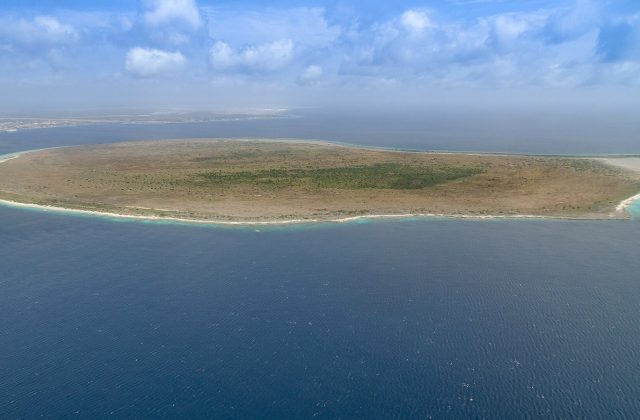
About two hours by boat to the south-east lies an uninhabited, flat islet with a long white beach, an old lighthouse and the rusting wreck of a tanker. Day trips include lunch, snorkelling and time to walk; turtles are common in the shallows. The crossing can be rough on the way out, so take seasickness tablets if needed.
Our pick for each kind of trip, with live dates and prices. Free cancellation on most.
Best for: First visit, a day on the water
A catamaran visits several of the best bays along the coast with snorkelling stops, an easy introduction to the island's reefs and turtles.
Curaçao International Airport, about 12 km north-west of Willemstad, has direct flights from Amsterdam, usually daily, and from several US cities including Miami and Newark. There are seasonal flights from Canada, and regular flights from Colombia, Panama and other South American cities. Short flights link Aruba and Bonaire, both about 20 to 30 minutes away, and are the only practical way between the ABC islands, as there is no regular passenger ferry.
Cruise ships dock in Willemstad, at the Megapier in Otrobanda or on the Punda side, both within walking distance of the old town.
Taxis from the airport run on fixed fares, and most car rental companies have desks in the arrivals hall. Book cars ahead in high season.
A rental car is the easiest way to see the island; driving is on the right, roads are generally good and distances short, with Westpunt about 45 minutes from Willemstad. Public buses exist but are infrequent, especially to the western beaches and on Sundays. Taxis are expensive for long trips; agree the fare before you start. In Willemstad, walk between Punda and Otrobanda over the pontoon bridge or take the free ferry when it is open.
Curaçao has warm weather all year, around 28 to 32 degrees, and lies south of the main hurricane track, so storms are rare. The driest months are February to September, but even the rainy season from October to January brings mostly short showers. Steady trade winds keep the heat bearable, and the sea is about 26 to 28 degrees.
High season runs from December to April, when North Americans and Europeans escape winter and prices rise. Carnival, in the weeks before Lent, fills Willemstad with parades and music. Dutch school holidays in summer bring families from the Netherlands.
May, June, September and October are quieter, with lower prices and calm diving conditions. A week is ideal for beaches, diving and Willemstad; divers often stay longer.
Willemstad is the best base for history and restaurants, with hotels in restored buildings in Punda and Otrobanda. The resort strip east of town, around Mambo Beach and Jan Thiel, has beach clubs, larger hotels and nightlife. The west, around Westpunt, Lagun and Sint Willibrordus, is quieter, with dive resorts and villas close to the best coves, but you need a car. Spanish Water, a large sheltered bay in the south-east, suits sailors and families.
The Caquetío people lived here before the Spanish arrived in 1499. The Dutch West India Company took the island in 1634 and made Willemstad a hub of trade, including the slave trade. Sephardic Jews arrived from 1651, building the synagogue still in use today. After emancipation in 1863, the economy stagnated until Shell built an oil refinery in 1915, drawing workers from across the Caribbean. Papiamentu, a local language mixing Portuguese, Spanish, Dutch and African words, is widely spoken. Since 2010 Curaçao has been a country within the Kingdom of the Netherlands.
Bonaire, a 30-minute flight away, is the place for even quieter shore diving and flamingos. Aruba, about 30 minutes to the west, has long white-sand beaches and big resorts. Flights from Curaçao also reach Colombia, Panama and other Caribbean islands, making it easy to add a city such as Cartagena or Bogotá.
Direct flights from Amsterdam, the US, Canada and South America; short hops from Aruba and Bonaire.
From Willemstad (Curaçao International Airport): about 10 h from Amsterdam, 2.5 h from Miami.
A week or more.
Year-round; driest Feb–Sep; outside the main hurricane belt.
Rent a car for the beaches; limited buses; taxis on fixed fares.
Go if you want colourful Willemstad, small turquoise coves and excellent shore diving and snorkelling. Skip it or choose Aruba if you want long white-sand beaches and big resort strips, or Bonaire for even quieter diving.
Mid-range; cheaper than Aruba.
Small coves in the west: Grote Knip, Cas Abao, Playa Lagun; beach clubs near Willemstad.
Cars and rooms for Christmas, Carnival and Dutch holidays; boat trips a few days ahead.
Yes. Boat trips, guided tours and day trips for Curaçao can be booked online; live prices and free cancellation on most are shown on this page.
ABC Islands, Dutch Caribbean
Aruba is a dry, windswept Dutch Caribbean island of 179 square kilometres, only 29 km off the coast of Venezuela and…
75 tours & trips
ABC Islands, Dutch Caribbean
Bonaire is the quietest of the ABC islands, a dry, flat island of 288 square kilometres off the coast of Venezuela,…
35 tours & trips
ABC Islands, Dutch Caribbean
Klein Bonaire is a flat, uninhabited islet of about 6 square kilometres lying less than a kilometre off Kralendijk, the…
3 tours & trips