Prince Edward Island
261 km away
Prince Edward Island is Canada's smallest province, a gently rolling island of red soil, potato fields, fishing…
32 tours & trips
Canada · Atlantic Ocean · Nature & wildlife island
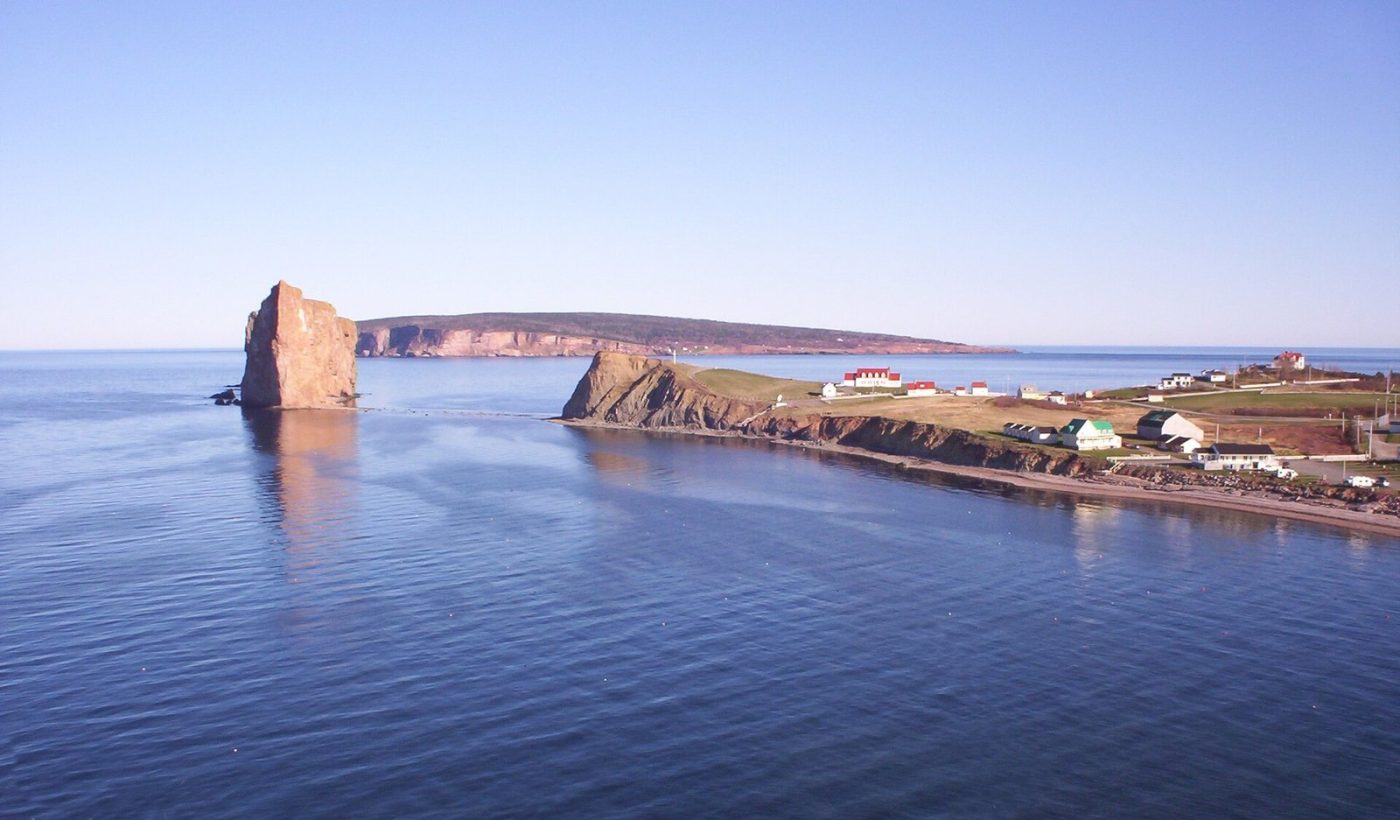
Bonaventure Island is a round, forested island of about 4 square kilometres, 3.5 km off the village of Percé at the tip of Quebec's Gaspé Peninsula. Its eastern cliffs hold one of the largest northern gannet colonies in the world, and together with Percé Rock it forms a national park reached by boat in summer.
| Getting there | Licensed boats from Percé wharf in season, most circling Percé Rock on the way; no service in winter |
|---|---|
| Gateway | Percé (park boats) |
| Travel time | Under 1 h by boat, with the loop round Percé Rock |
| Days | A day trip is enough |
| Best months | Jun–Sep for the gannet colony; boats run only from late spring to early autumn |
| Getting around | Car-free: walk the trails; the colony is about 45 minutes on foot from the wharf |
| Booking | Boat tickets a day ahead in July–August; book Percé rooms early for summer |
| Cost | Mid-range for Quebec; boat ticket plus park entry |
| Beaches | No swimming beaches; pebble shores and cliffs, and very cold water all summer |
| Sea | Atlantic Ocean |
| Area | 4.2 km² |
| Population | Uninhabited |
| Airport | No |
| Car-free | Yes |
| Checked | November 2026 |
Nothing is sold online for Bonaventure Island itself. A visit is easy to arrange yourself in Percé.
A few licensed boat operators at the Percé wharf sell the crossing, usually as a combined trip that first circles Percé Rock and runs along the island's eastern cliffs for close views of the gannets, seals and other seabirds, then drops you at the island's landing stage. You choose your return boat, so you can spend two hours or most of the day ashore. The national park entry fee is separate and paid to the park. A direct crossing without the cruise suits those who want more time on the trails.
Park naturalists give talks at the colony in season, and the restored houses near the landing stage have displays about the families who lived here until 1971. Whale-watching cruises from Percé are a separate trip, best from July to September.
The plan most visitors should follow is simple: take a morning boat with the loop round the rock, walk to the colony by the shortest trail, return by a longer path along the cliffs and catch an afternoon boat back.
On the eastern cliffs and the plateau behind them, northern gannets nest so densely that the ground turns white, and a viewing area lets you stand a few metres away without disturbing the birds. Watch pairs greeting each other by fencing with their bills, grey downy chicks in summer and adults folding their wings to plunge into the sea after fish. The noise and smell are part of the experience.
The boat out circles the great limestone block of Percé Rock, more than 400 metres long and pierced by a sea arch, before crossing to the island. On calm days skippers approach the cliffs of Bonaventure, where cormorants, kittiwakes, murres and razorbills nest on narrow ledges and grey seals haul out on the rocks. Sit on the open deck and bring a warm layer.
Four marked trails, about 15 km in total, cross the island through spruce and fir forest and along the cliffs. The shortest route to the colony takes about 45 minutes from the landing stage, while the longer coastal paths add sea views and quieter sections. Paths are well kept but can be muddy, so wear walking shoes and carry water and food.
Near the landing stage, a group of restored homes, barns and outbuildings tells the story of the fishing families, many of Irish and Jersey origin, who lived on the island until the province took it over in 1971. Panels and furnishings show how they salted and dried cod and farmed small fields. It is a short, worthwhile stop while you wait for the return boat.
Back on the mainland, Percé is a summer resort strung along the bay, with seafood restaurants, galleries and a geology centre. A trail climbs Mont Sainte-Anne behind the village to a glass-floored platform jutting from the cliff, with the rock and the island laid out below. At low tide you can walk out over the sand towards Percé Rock, keeping well clear of its crumbling base.
Percé lies at the eastern tip of the Gaspé Peninsula, a long but beautiful drive along the coast: about ten hours from Montreal and eight from Quebec City, usually split over two days. The nearest airport is at Gaspé, about an hour's drive north, with regional flights from Montreal and Quebec City; hire a car there, since public transport on the peninsula is limited, although intercity buses do reach Percé slowly.
Boats to the island leave from the wharf in the centre of Percé several times a day from late spring to early autumn, run by private companies under park rules. The direct crossing is short, while the version circling the rock takes longer. Buy the boat ticket at the wharf kiosks and the park pass separately. Boats do not sail in rough seas.
The island has no cars and is explored only on foot. From the landing stage, trails lead across the middle to the colony and round the coast; there is no shuttle, so allow time for the walk back before your boat. In Percé itself, the village is spread along the shore road, and a car is useful for the viewpoints and nearby coves, though the centre and the wharf are easy to walk. Parking fills up on summer afternoons.
The gannets return to the cliffs in April and leave in October, but the boats and park services run only from late spring to early autumn, roughly June to mid-October. June brings courtship and egg-laying with fewer visitors. July and August are the busiest months, with chicks in the nests, days around 20 to 25 degrees and full boats and hotels in Percé. September is excellent: the young birds are almost ready to fly, crowds thin and the leaves begin to turn, though some services shorten their hours.
Fog and strong winds can roll in at any time, cancelling crossings or hiding the cliffs, so keep a spare day in your plans. The sea stays cold all summer. Whales are most often seen in the bay from July to September. Half a day on the island is the minimum; a full day lets you walk every trail.
There is no accommodation on Bonaventure Island and no overnight stays, so everyone sleeps in Percé. The village has motels, inns, cottages and campgrounds along the bay, many with views of the rock, and those nearest the wharf let you walk to the boats. Book well ahead for July and August. Gaspé, an hour north, is a larger town with more choice and a convenient base for Forillon as well.
Basque, Breton and French fishermen worked the waters around Percé from the sixteenth century, drying cod on its shores, and the island was among the early seasonal fishing stations of New France. Irish settlers arrived in the 1790s, followed by merchants from Jersey who bought the cod and controlled much of the trade. A small community farmed and fished here for nearly two centuries. The island became a migratory bird sanctuary in 1919, and in 1971 the Quebec government expropriated it, moving out the last families, about 35 of them. It became a national park with Percé Rock in 1985.
Bonaventure is one stop on a road trip round the Gaspé Peninsula. Forillon National Park, about an hour and a half north near Gaspé, has coastal trails, seals and whale watching. On the way from Quebec City, the north shore of the peninsula passes Parc national de la Gaspésie and its mountains, home to a small herd of caribou, and the south shore leads back along the Bay of Chaleur.
261 km away
Prince Edward Island is Canada's smallest province, a gently rolling island of red soil, potato fields, fishing…
32 tours & trips
362 km away
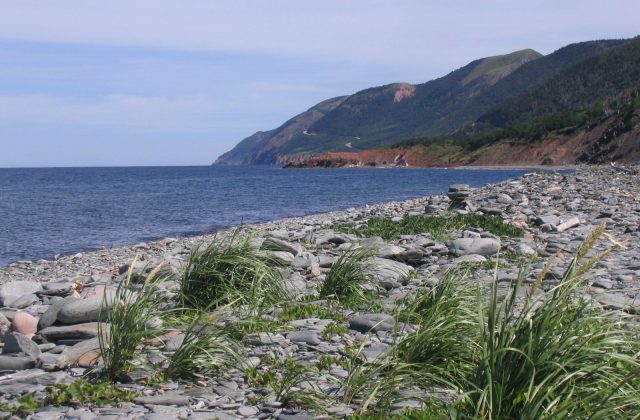
Cape Breton Island is the rugged north-eastern end of Nova Scotia, joined to the mainland by a causeway and crowned by…
19 tours & trips
Licensed boats from Percé wharf in season, most circling Percé Rock on the way; no service in winter.
From Percé (park boats): under 1 h by boat, with the loop round Percé Rock.
A day trip is enough.
Jun–Sep for the gannet colony; boats run only from late spring to early autumn.
No. Bonaventure Island is car-free. Car-free: walk the trails; the colony is about 45 minutes on foot from the wharf.
Go if you want to stand metres from tens of thousands of nesting gannets. Skip it if you are visiting outside summer, dislike small boats or have no time for the long drive out to the tip of the Gaspé.
Mid-range for Quebec; boat ticket plus park entry.
No swimming beaches; pebble shores and cliffs, and very cold water all summer.
Boat tickets a day ahead in July–August; book Percé rooms early for summer.
Canada
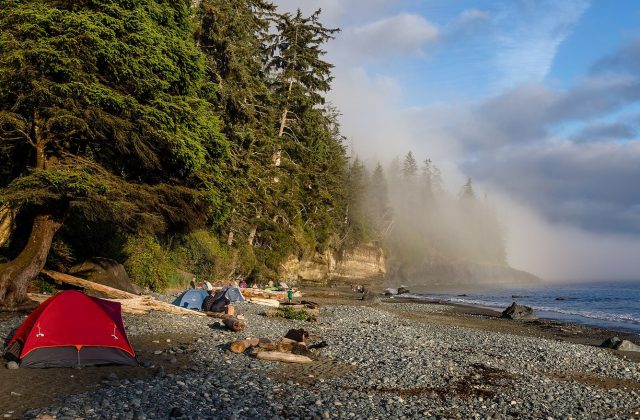
Vancouver Island is the largest island on the Pacific coast of the Americas, about 456 km long, with Victoria, the…
392 tours & trips
Canada
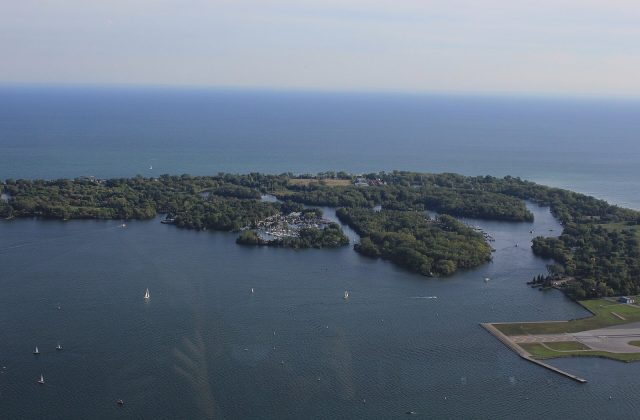
The Toronto Islands are a car-free chain of 15 small islands in Lake Ontario, a 15-minute ferry ride from downtown…
298 tours & trips
Canada
Prince Edward Island is Canada's smallest province, a gently rolling island of red soil, potato fields, fishing…
32 tours & trips
Canada
Cape Breton Island is the rugged north-eastern end of Nova Scotia, joined to the mainland by a causeway and crowned by…
19 tours & trips
Canada
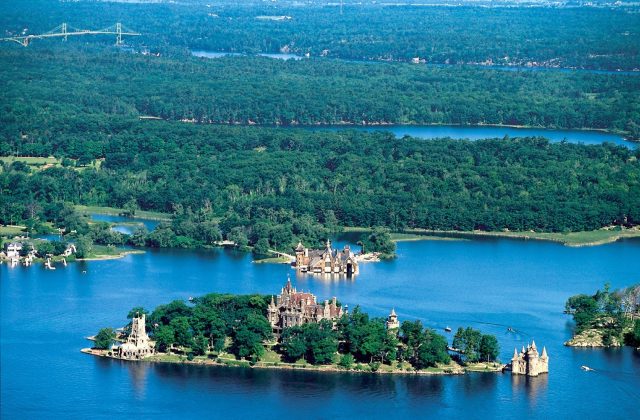
The Thousand Islands are a group of 1,864 islands in the Saint Lawrence River, stretching about 80 km downstream from…
19 tours & trips
Canada
Île d'Orléans is a farming island in the St Lawrence River, about 5 km downstream from Quebec City and linked to…
11 tours & trips