Isle of Wight
47 km away
The Isle of Wight is England's largest island, 380 square kilometres of chalk downs, sandy bays and seaside towns…
7 tours & trips
United Kingdom · North Sea & Channel · Nature & wildlife island
Brownsea is the largest island in Poole Harbour on the Dorset coast, a wooded nature reserve of about 200 hectares owned by the National Trust. It is one of the last places in southern England with red squirrels, and the site of the first experimental Scout camp in 1907.
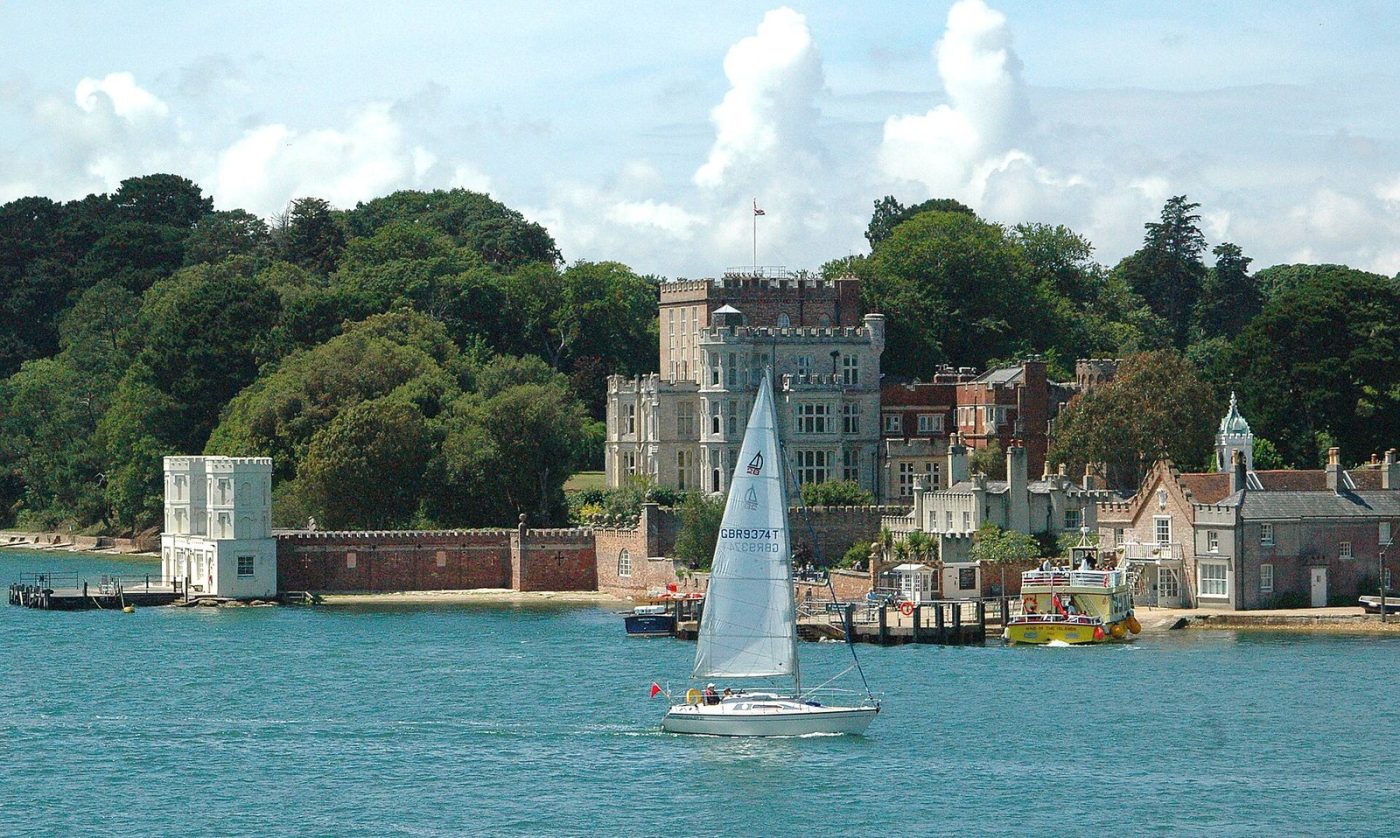
Photo: Gerpsych, CC BY-SA 3.0
| Getting there | Ferry from Poole Quay about 20 to 30 min or from Sandbanks about 10 min, from spring to autumn |
|---|---|
| Gateway | Poole Quay / Sandbanks |
| Travel time | 20 to 30 min by ferry |
| Days | A day trip is enough |
| Best months | Mar–Oct (ferry season); autumn for red squirrels; summer for birds and theatre |
| Getting around | Car-free: walk; paths and tracks cross the island, about 2.4 km end to end |
| Booking | Nothing for most days; the summer theatre and island stays weeks or months ahead |
| Cost | Mid-range; ferry fare plus a landing fee for non-members |
| Beaches | A small sandy beach on the south shore facing Purbeck; shingle elsewhere; no lifeguards |
| Sea | North Sea & Channel |
| Area | 2 km² |
| Population | 30 (2008) |
| Ferry | 20 min from Poole Quay / Sandbanks |
| Airport | No |
| Car-free | Yes |
| Visitors | 133,340 a year (2017) |
| Checked | October 2026 |
Nothing is sold online for Brownsea by outside agencies, because visits are simple to arrange yourself. The island is open from spring to autumn, and you reach it on one of the passenger ferries from Poole Quay or Sandbanks, paying the fare on the boat or at the kiosk. On landing, visitors who are not National Trust members pay an entry fee at the visitor centre by the quay.
On the island, the National Trust runs guided walks and family trails in season, and the Dorset Wildlife Trust gives guided tours of its nature reserve in the north, with hides overlooking the lagoon; check the day's programme at the quay. Squirrel-spotting walks are offered in autumn. There is a cafe and a shop by the quay, and picnic areas.
Other ways to see the island include harbour cruises from Poole Quay that circle Brownsea without landing, useful if time is short, and kayak or paddleboard trips around the harbour shore. In summer, an open-air theatre company performs in the woods for a few weeks, with special evening boats.
The plain recommendation is to take an early ferry from Poole Quay, walk the island in a loop with time for the bird hides, and catch an afternoon boat back.
The island's pine woods are home to a few hundred red squirrels, safe here because grey squirrels never reached it. Walk quietly through the woodland on the paths away from the quay, look up among the pines and near the feeding areas. Autumn, when they are busy storing food, is the best time; early morning is quietest.
In the northern half, the Dorset Wildlife Trust manages a brackish lagoon with hides overlooking it, a 10-minute walk from the quay. Avocets gather in winter, terns nest in summer, and spoonbills, egrets and many waders feed on the mud. Bring binoculars, or join a guided walk to learn which birds are on the water.
In 1907 Robert Baden-Powell brought a group of boys to the island for a camp that became the start of the Scout movement. A memorial stone marks the spot on the west of the island, a gentle walk across the heath, and Scout groups from around the world still camp at the campsite nearby, keeping the tradition alive.
By the landing quay stands the castle, first built as a fort under Henry VIII and later rebuilt as a grand house; it is not open to visitors. A short walk away, the Victorian church of St Mary has a fine interior and is open most days. Peacocks strut around the village green and the cafe.
Along the southern side, paths run through woodland above low cliffs with views over the harbour to the chalk hills and heath of the Isle of Purbeck. A small beach offers a place to sit and paddle on warm days. From the western end, look out over the quieter parts of the harbour and its other little islands.
Passenger ferries run to Brownsea from Poole Quay, taking about 20 to 30 minutes, and from Sandbanks, at the mouth of the harbour, in about 10 minutes. They operate from spring to autumn, roughly every half hour in summer, and do not run in winter when the island is largely closed. No cars are allowed on the island and there is no car ferry. Poole station has direct trains from London Waterloo, taking around two hours, and the quay is a walk of about 15 minutes from the station. Drivers can park in the paid car parks near Poole Quay; at Sandbanks spaces are scarce in summer. Bournemouth Airport is about 30 minutes away by road. Check the last boat back, as the island closes in the evening.
Brownsea is about 2.4 km long and just over 1 km wide, and you walk everywhere along a network of tracks and woodland paths. A loop of the island, with time at the hides and the Scout stone, takes about three hours at an easy pace. Paths are mostly level but can be muddy after rain, so wear sturdy shoes. Pushchairs manage the main tracks. There are no cars or bikes for visitors, and dogs are not allowed, to protect the wildlife.
The island is open from about March to the start of November, following the ferry season. Spring brings nesting birds and bluebells in the woods, and summer is the busiest time, with families on school holidays and the long days ideal for a full visit. Late summer also brings the open-air theatre season in the woods, with evening performances.
Autumn, from September to October, is the best time to see the red squirrels as they collect nuts and acorns, and the crowds thin after the school holidays. The lagoon is at its best for birds in the cooler months, with avocets present from late autumn. In winter the island is mostly closed to day visitors, apart from occasional special events. Avoid windy days, as rough water in the harbour can disrupt the ferries. Weekdays in term time are the quietest. One day is enough, but allow a full day rather than rushing between boats.
A few National Trust holiday cottages on the island let a small number of guests stay after the last ferry, an unusual chance to have the woods to yourself; they book up months ahead. The Scout campsite welcomes Scouts and other organised youth groups. Most visitors stay in Poole, close to the quay, or in Bournemouth, with its beaches and wide choice of hotels. Studland, across the harbour mouth, suits walkers who want a quieter base.
Brownsea has been a fort, a pottery, a private estate and a nature reserve. Henry VIII built a castle to guard the harbour, later rebuilt by owners who planted the woods and built the church. In the 19th century a clay industry flourished briefly. In 1907 Baden-Powell's camp launched the Scout movement. A reclusive owner bought the island in 1927 and closed it for decades, letting nature take over. After her death the National Trust acquired it in 1962 and opened it to the public.
From Sandbanks the chain ferry crosses in a few minutes to Studland, with its long sandy beach and the chalk stacks of Old Harry Rocks. Swanage and the ruined Corfe Castle are about 30 minutes further on, and Durdle Door and Lulworth Cove on the Jurassic Coast about an hour by car. Bournemouth is 20 minutes from Poole.
47 km away
The Isle of Wight is England's largest island, 380 square kilometres of chalk downs, sandy bays and seaside towns…
7 tours & trips
140 km away
Herm is a tiny car-free island in the Channel Islands, about 2 km long and less than a kilometre wide, 20 minutes by…
1 tour
143 km away
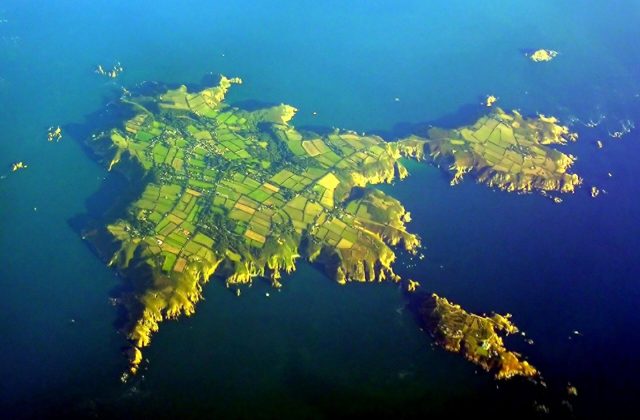
Sark is a tiny car-free island in the Channel Islands, about 5.5 square kilometres with some 560 residents, 50 minutes…
1 tour
Ferry from Poole Quay about 20 to 30 min or from Sandbanks about 10 min, from spring to autumn.
From Poole Quay / Sandbanks: 20 to 30 min by ferry.
A day trip is enough.
Mar–Oct (ferry season); autumn for red squirrels; summer for birds and theatre.
No. Brownsea Island is car-free. Car-free: walk; paths and tracks cross the island, about 2.4 km end to end.
Go if you want a gentle, car-free day of woodland walks, red squirrels, wading birds and harbour views, ideal with children. Skip it if you want a beach holiday or nightlife, or if you are visiting in winter, when the island is mostly closed. With about 20 min each way from Poole Quay / Sandbanks, a day trip is easy to do.
Mid-range; ferry fare plus a landing fee for non-members.
A small sandy beach on the south shore facing Purbeck; shingle elsewhere; no lifeguards.
Nothing for most days; the summer theatre and island stays weeks or months ahead.
Inner Hebrides, United Kingdom
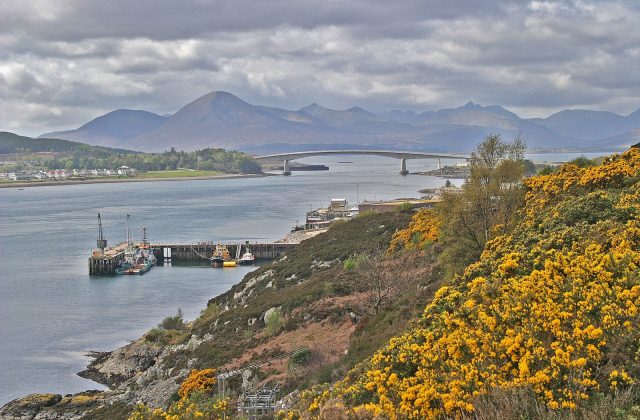
The Isle of Skye is the largest island of the Inner Hebrides, 1,656 square kilometres of sea lochs, moorland and jagged…
62 tours & trips
Northern Isles, United Kingdom
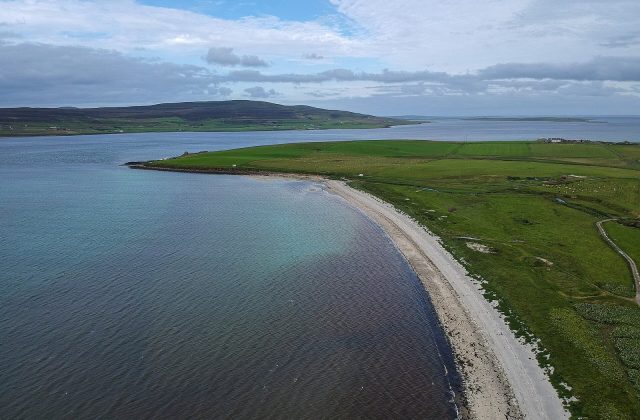
Orkney is an archipelago of about 70 low, green islands off the north coast of Scotland, 20 of them inhabited, with the…
23 tours & trips
United Kingdom
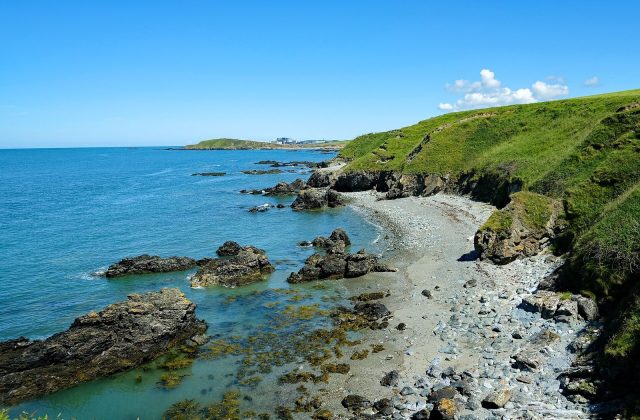
Anglesey is the largest island in Wales, about 676 square kilometres of farmland and coves joined to the mainland by…
14 tours & trips
United Kingdom
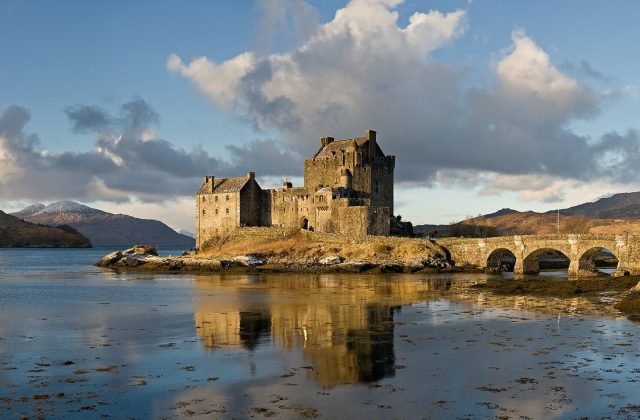
Eilean Donan is a small tidal island where three sea lochs meet in the western Highlands of Scotland, joined to the…
10 tours & trips
Channel Islands, United Kingdom
Guernsey is the second-largest of the Channel Islands, a self-governing British Crown dependency in the Gulf of St…
8 tours & trips
Inner Hebrides, United Kingdom
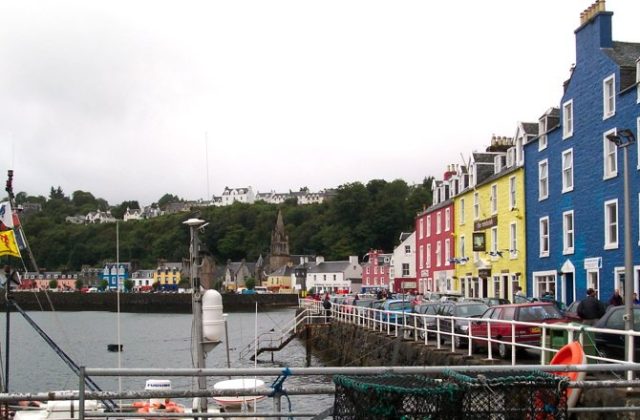
Mull is the second-largest island of the Inner Hebrides, a 45-minute ferry crossing from Oban on the west coast of…
8 tours & trips