Philae
Egypt
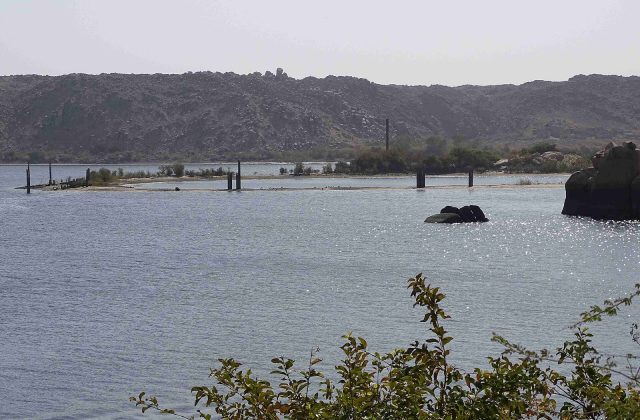
Philae is the island temple of Isis in the Nile reservoir just south of Aswan, a Ptolemaic and Roman sanctuary that was…
13 tours & trips
Egypt · Lakes & rivers · Historic island
Elephantine Island lies in the Nile at Aswan, a strip of land about a kilometre long where the ancient Egyptians placed the southern frontier of their country. It combines the ruins of the town of Abu, with temples, a Nilometer and a small museum, with two living Nubian villages, all a few minutes by boat from the Aswan corniche.
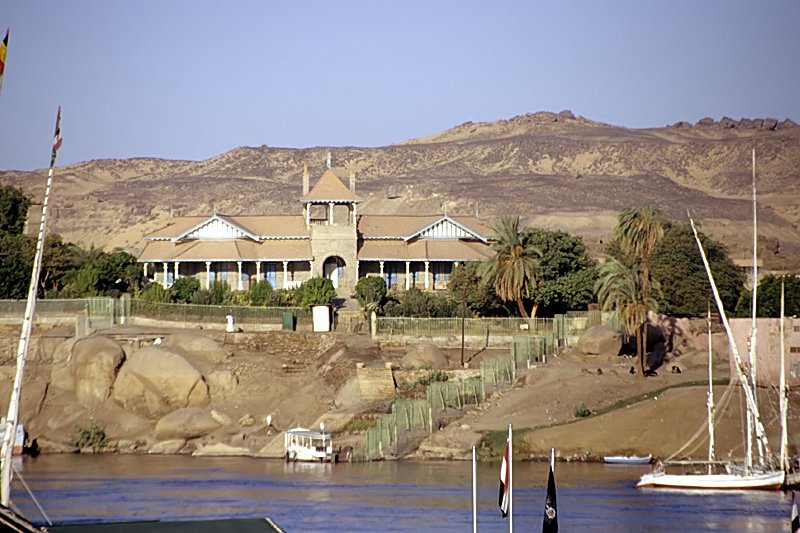
Photo: Roland Unger, CC BY-SA 3.0
| Getting there | Public ferry or felucca from the Aswan corniche in a few minutes; no bridge |
|---|---|
| Gateway | Aswan (Nile ferry or felucca) |
| Travel time | 5 min by public ferry |
| Days | A half-day trip is enough |
| Best months | Oct–Apr; May–Sep very hot, often above 40 degrees |
| Getting around | On foot; there are no cars, only lanes and paths |
| Booking | Nothing ahead; agree felucca prices at the quay and buy site tickets at the gate |
| Cost | Cheap, even by Egyptian standards |
| Beaches | No beaches; do not swim in the Nile here |
| Sea | Lakes & rivers |
| Highest point | 101 m |
| Airport | No |
| Car-free | Yes |
| UNESCO | Nubian Monuments from Abu Simbel to Philae |
| Checked | October 2026 |
Elephantine is easy to visit on your own, and most of what is sold mixes it with a sail on the Nile.
The product listed online is a felucca trip from Aswan that circles Elephantine and stops at the botanical garden on the neighbouring island. A felucca is a traditional wooden sailing boat with a single large sail; a trip of an hour or two around the islands, at sunset if possible, is one of the best things to do in Aswan. The boat and a captain are included, a guide usually is not, and garden tickets may be extra. Feluccas can also be hired directly at the corniche, with the price agreed per boat before you board.
Guided day tours of Aswan often add a visit to a Nubian village, by motorboat, on Elephantine or on the west bank. These include transport and a guide, and usually a stop for tea in a house.
For the ruins and the museum you need no tour: take the public ferry, buy a ticket at the site gate and allow two hours. The plain recommendation is to visit the site in the morning on your own and book a felucca for late afternoon.
The southern half of the island is an open-air archaeological site, the remains of a town lived in for over 3,000 years. Paths lead past the foundations of the great temple of Khnum, the ram-headed god of the cataract, and the rebuilt temple of the goddess Satet. Information boards explain the layers. Start early before the heat.
On the east shore, stone steps descend to the river with marked levels cut into the walls. Priests used them to measure the height of the annual flood, which set the expected harvest and the year's taxes. Later scales in Arabic numerals were added. It is part of the same ticket as the ruins, a short walk from the temples.
The small museum near the landing stage holds finds from Elephantine and the region, including statues, pottery, jewellery and a mummified sacred ram. An annexe shows objects in the order they were dug up. It is old-fashioned and modest, but the visit takes only half an hour and adds context to the ruins outside.
The northern half of the island is home to two Nubian villages, with houses painted in bright blues and yellows, palm groves and narrow sandy lanes. Walk through quietly, greet people, and ask before photographing anyone. A few houses serve tea or simple meals, and children often offer to guide you for a small tip.
From the west side of Elephantine, a felucca sails around to the island of the botanical garden, planted with trees from Africa and Asia in the late 19th century. The sail itself, past granite boulders and the desert cliffs of the west bank, is the reward, especially in the hour before sunset.
Live dates and prices. Free cancellation on most tours.
There is no bridge, so you cross the Nile by boat from the Aswan corniche. Small public ferries run frequently from early morning until late evening for a few Egyptian pounds; one landing serves the museum and the ruins, another the Nubian villages, so check which boat you board. The crossing takes about five minutes. A large hotel on the north end runs its own shuttle boat for guests.
Feluccas and motorboats can also drop you at the island as part of a longer trip.
Aswan itself has an airport with flights from Cairo, about an hour and a half, and is connected by overnight sleeper trains and daytime trains from Cairo and Luxor. Many visitors arrive on a Nile cruise from Luxor, and the boats moor along the corniche opposite the island.
Elephantine is small and car-free, so you walk everywhere. From the museum landing to the far end of the ruins is about ten minutes, and the villages to the north take another twenty minutes to cross along sandy lanes and paths between the palms. There are no bikes to rent and no taxis. Wear a hat, carry water and use the shade of the village lanes in the middle of the day.
The best time is October to April, when days are warm and dry, usually in the twenties, and nights can be cool in December and January; bring a light jacket for an evening sail. This is also the busiest season, especially around Christmas and New Year, but Elephantine itself rarely feels crowded.
From May to September it is extremely hot, often above 40 degrees, and the open archaeological site has almost no shade. If you visit then, go as soon as the site opens and spend the middle of the day indoors. Rain is almost unknown.
Ramadan changes the rhythm of village life and opening hours. Half a day is enough for the island, and two or three days in Aswan cover the main sights of the area.
Most visitors stay on the Aswan corniche, with the island across the water and everything else in town within reach. On Elephantine itself, a few Nubian guesthouses offer simple rooms in village houses, often with roof terraces over the river; they suit travellers who want quiet evenings and contact with local families, and staff meet you at the ferry. The large resort hotel at the northern tip has the best views but feels separate from the island.
The ancient Egyptians called the island Abu, a word for elephant and for ivory, and the town grew up at the First Cataract as the border post and trading station for goods from Nubia and Africa further south. Temples to Khnum and Satet stood here for thousands of years. In the fifth century BC, a Jewish military colony lived on the island and kept its own temple, known from papyri found in the ruins. The Nubian villages on the island are older than the Aswan dams, whose reservoir flooded most of Nubia to the south, and they keep its language alive.
Combine Elephantine with the rest of Aswan: the temple of Philae on its island south of the dams, the Unfinished Obelisk, and the Tombs of the Nobles on the west bank, a short boat ride away. Abu Simbel is about three hours south by road. A three- or four-night Nile cruise links Aswan with Luxor.
Public ferry or felucca from the Aswan corniche in a few minutes; no bridge.
From Aswan (Nile ferry or felucca): 5 min by public ferry.
A half-day trip is enough.
Oct–Apr; May–Sep very hot, often above 40 degrees.
No. Elephantine Island is car-free. On foot; there are no cars, only lanes and paths.
Go if you are in Aswan and want half a day of ancient ruins, Nubian village life and a felucca sail. Skip it or choose Philae if you only have time for one site and want a grand, complete temple.
Cheap, even by Egyptian standards.
No beaches; do not swim in the Nile here.
Nothing ahead; agree felucca prices at the quay and buy site tickets at the gate.
Yes. Boat trips, guided tours and day trips for Elephantine Island can be booked online; live prices and free cancellation on most are shown on this page.
Egypt
Philae is the island temple of Isis in the Nile reservoir just south of Aswan, a Ptolemaic and Roman sanctuary that was…
13 tours & trips
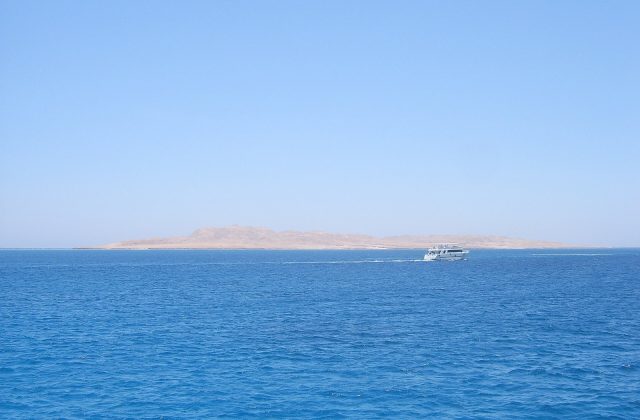
Giftun Islands, Egypt
Giftun is a pair of low, uninhabited desert islands in the Red Sea just off Hurghada, ringed by coral reefs and fine…
10 tours & trips
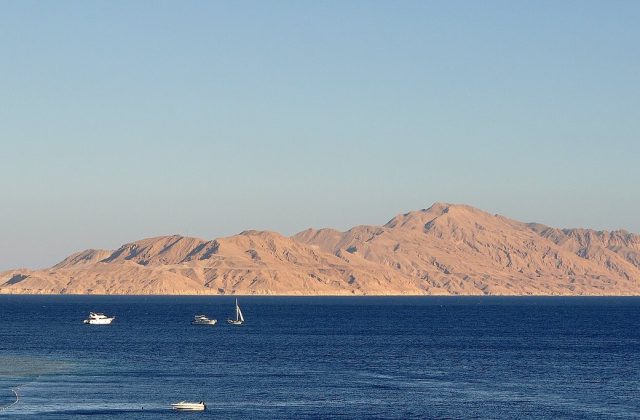
Egypt
Tiran Island is an uninhabited desert island at the mouth of the Gulf of Aqaba, a few kilometres off the coast of…
4 tours & trips