Oahu
Hawaiian Islands, United States
Oahu is the third-largest of the Hawaiian Islands and home to about a million people, two thirds of the state's…
331 tours & trips
United States · Atlantic Ocean · City island
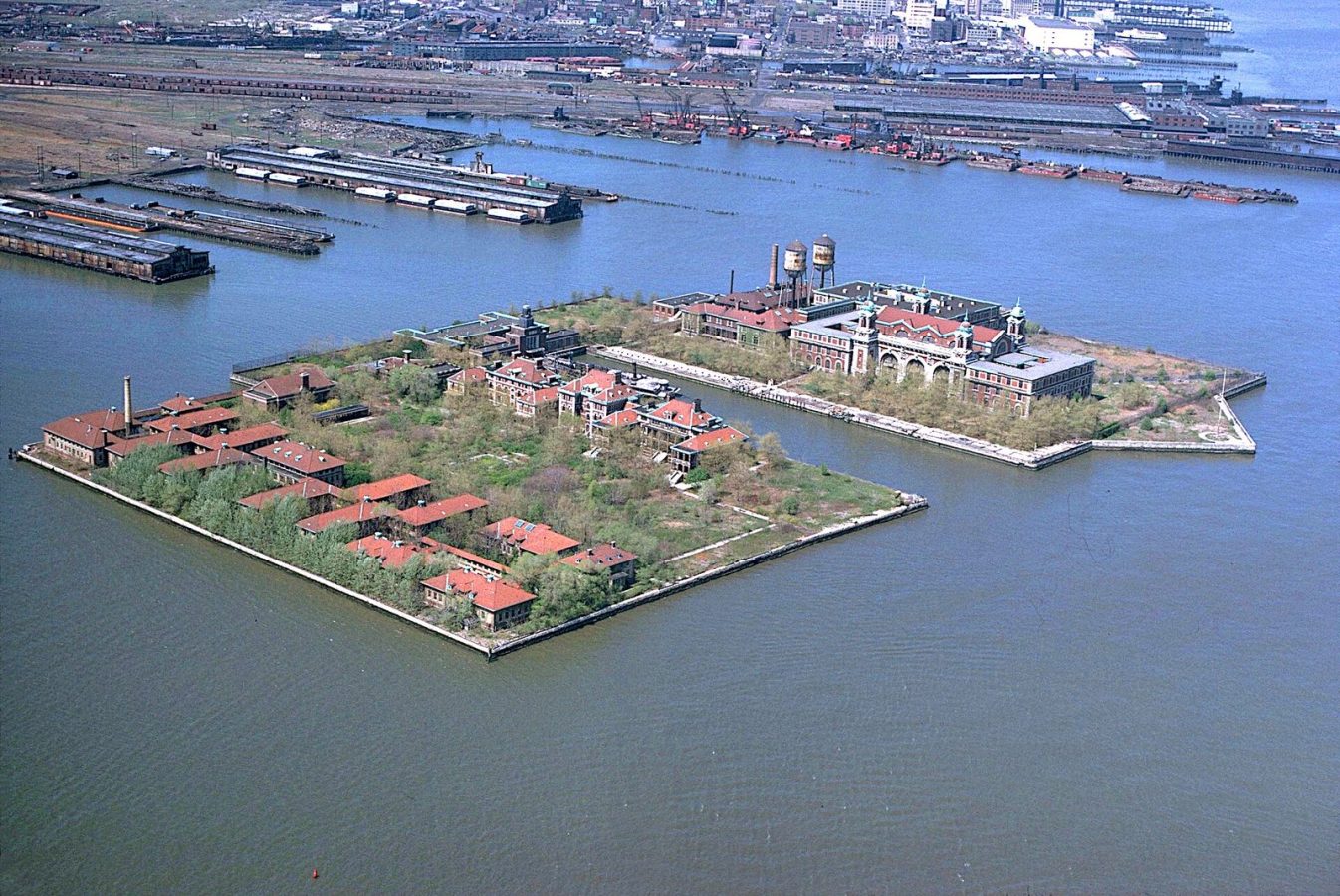
Ellis Island is a small island in Upper New York Bay where about 12 million immigrants were inspected between 1892 and 1954, and its main hall is now the National Museum of Immigration. It sits just off the Jersey City shore, under 2 km from the tip of Manhattan, is reached only by ferry and is usually seen with the Statue of Liberty.
| Getting there | Ferry from Battery Park in Manhattan or Liberty State Park in Jersey City, calling at Liberty Island first |
|---|---|
| Gateway | New York (Battery Park) or Liberty State Park |
| Travel time | Around 30 min by ferry including the Liberty Island stop |
| Days | Half a day, with Liberty Island |
| Best months | Apr–Jun and Sep–Oct; long queues in Jul–Aug; open all year |
| Getting around | On foot; the island is small and the museum faces the ferry dock |
| Booking | Ferry tickets a few days ahead in summer; pedestal and crown access weeks ahead |
| Cost | Mid-range: museum entry is free, you pay for the ferry |
| Beaches | No beaches; the island is a museum site with a harbour promenade |
| Sea | Atlantic Ocean |
| Area | 0.1 km² |
| Population | Uninhabited |
| Highest point | 2 m |
| Airport | No |
| Car-free | Yes |
| Checked | October 2026 |
Almost everything sold for Ellis Island combines it with the Statue of Liberty, because one ferry serves both islands and one ticket covers both. The basic product is the ferry ticket itself, which includes an audio guide; museum entry on Ellis Island is free, so you pay only for the boat.
Guided tours add a guide who meets you near the terminal in Battery Park, handles the timed boarding and walks you through the Great Hall, explaining the medical checks and the questions immigrants faced. Most last three to five hours and include the ferry; some run in French, Spanish or Italian, and a few focus on Italian heritage or on tracing your own ancestors. Private guides cost several times more but suit families and anyone with specific questions about where their relatives came from.
Combined tours add the 9/11 Memorial or a walk around Lower Manhattan, which makes a long but efficient day. Tickets that include the statue's pedestal or crown are limited and sell out first.
The plain recommendation: if an audio guide is enough, buy the ferry ticket directly and take the earliest boat. Book a guided tour if you want the stories behind the rooms or help with a family search, and allow at least two hours on Ellis Island itself.
Climb the stairs from the baggage room, as arrivals did, to the vaulted hall on the second floor where inspectors questioned thousands of people on the busiest days. Doctors watched newcomers on these stairs for signs of illness. The tiled Guastavino ceiling survives, and the exhibits around the gallery explain the chalk marks, the eye checks and the questions every arrival had to answer.
The three floors of the main building tell the story through photographs, trunks, passports and recorded voices of people who passed through. The ground floor covers the wider history of migration to America, before and after the island years; the upper floors cover the station itself. Pick up the audio guide included with the ferry ticket and allow two to three hours for everything.
The American Family Immigration History Center lets you search ship passenger lists for arrivals at the port by name and year, on computers inside the museum. Many entries give the ship, age, home town and destination of each passenger. Bring names, rough dates and spelling variants, since clerks often wrote names as they heard them; copies of manifests can be printed for a fee.
Outside, along the seawall, steel panels carry the names of hundreds of thousands of immigrants registered by their descendants. From the promenade behind it you look across the water to the Manhattan skyline and the back of the statue, a view most visitors miss. It is a five-minute walk from the dock and a good place to rest before the boat back.
The south side of the island holds the abandoned immigrant hospital, with contagious disease wards, laundry and autopsy rooms left largely unrestored. It can only be seen on a separately ticketed Hard Hat Tour in small guided groups, with helmets provided. The walk takes about 90 minutes over uneven floors, is not suitable for young children and sells out early in summer.
From Battery Park the ferry stops at Liberty Island first, and most people visit it before Ellis Island. Walk round the base of the statue, see the original torch in the Statue of Liberty Museum and climb the pedestal if your ticket includes it. Two hours is plenty; then catch the next boat on to Ellis Island, about ten minutes away.
Our pick for each kind of trip, with live dates and prices. Free cancellation on most.
Best for: First visit, both islands with ferry
A guide meets you at the terminal, takes you through boarding and explains both the statue and the immigration halls, which saves time in queues and adds the context the rooms need.
Visitors can only arrive on the official ferry; the service bridge from New Jersey is closed to the public. From Manhattan, boats leave Battery Park at the southern tip, a short walk from the South Ferry, Bowling Green and Whitehall subway stations. From New Jersey they leave Liberty State Park in Jersey City, which has a large car park and suits drivers. Boats run roughly every 20 to 30 minutes from morning to late afternoon, more often in summer. Every passenger passes airport-style security before boarding, and in July and August that queue can take over an hour, so book a timed ticket and arrive early. From Battery Park the boat calls at Liberty Island first; from Liberty State Park the order is reversed. The last boats leave the islands in the late afternoon.
Once you land, everything is on foot. The ferry dock faces the main building, and the museum, cafe, shop and Wall of Honor are all within a few minutes' walk. The museum has lifts between floors and works for wheelchairs and pushchairs. There are no vehicles, bicycles or rentals on the island. Reaching the ferry is easiest by subway or on foot from Lower Manhattan; parking near Battery Park is scarce and expensive, while Liberty State Park has its own car park.
The museum is open almost every day of the year, and most of the visit is indoors, so the weather matters mainly for the ferry deck and the outdoor security queue. April to June and September to October bring mild days and shorter lines. July and August mean heat, humidity and the longest waits, worst at weekends and in late morning, when school and tour groups arrive together.
Winter is cold and windy on the water, and storms occasionally stop the boats, but the halls are quiet and the queues short. Take the first ferry of the day in any season; by early afternoon you may wait an hour to board. Most people spend half a day: two hours on Liberty Island and two to three on Ellis Island. Allow longer for a records search or a Hard Hat Tour, and remember the last return boats leave in the late afternoon.
Nobody stays on Ellis Island: there is no accommodation and the island closes in the evening. For the first ferry, sleep in Lower Manhattan, where the Financial District and Battery Park City are a short walk from the boats and quieter at weekends. Jersey City across the river is usually cheaper, with PATH trains into Manhattan and quick access to Liberty State Park. Midtown works too, about 20 to 30 minutes by subway from South Ferry.
The island began as a low mudflat used by oyster gatherers and takes its name from Samuel Ellis, a Welsh-born owner who bought it in 1774. The army later built Fort Gibson here and the navy stored munitions. In 1892 it became the federal immigration station; the first wooden buildings burned in 1897, and the present brick and limestone hall opened in 1900. Landfill from ship ballast and subway digging enlarged it many times over. After quotas in 1924 cut arrivals, it served mainly as a detention centre until it closed in 1954. Restored in the 1980s, it reopened as a museum in 1990.
Pair Ellis Island with Liberty Island on the same ticket, then spend the afternoon in Lower Manhattan: the 9/11 Memorial is about a 15-minute walk from Battery Park and Wall Street is closer still. The free Staten Island Ferry gives a second look at the statue, and from spring to autumn a short ferry crosses to Governors Island. From Liberty State Park, visit the restored rail terminal where immigrants caught trains west.
Ferry from Battery Park in Manhattan or Liberty State Park in Jersey City, calling at Liberty Island first.
From New York (Battery Park) or Liberty State Park: around 30 min by ferry including the Liberty Island stop.
Half a day, with Liberty Island.
Apr–Jun and Sep–Oct; long queues in Jul–Aug; open all year.
No. Ellis Island is car-free. On foot; the island is small and the museum faces the ferry dock.
Go if you want the story of American immigration told in the very halls where it happened. Skip it or ride the free Staten Island Ferry instead if you only want a view of the statue and have little time.
Mid-range: museum entry is free, you pay for the ferry.
No beaches; the island is a museum site with a harbour promenade.
Ferry tickets a few days ahead in summer; pedestal and crown access weeks ahead.
Yes. Boat trips, guided tours and day trips for Ellis Island can be booked online; live prices and free cancellation on most are shown on this page.
Hawaiian Islands, United States
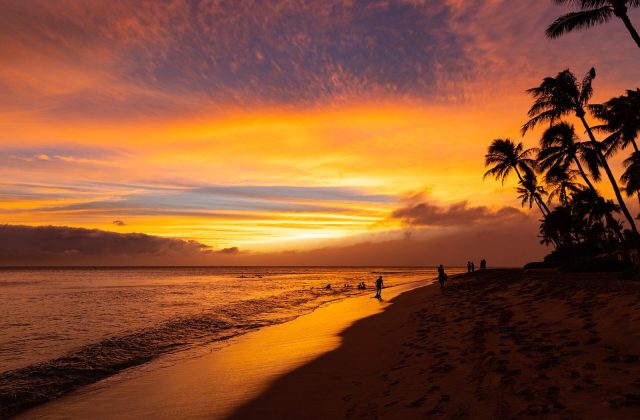
Oahu is the third-largest of the Hawaiian Islands and home to about a million people, two thirds of the state's…
331 tours & trips
Hawaiian Islands, United States
Maui is the second-largest of the Hawaiian Islands, two volcanoes joined by a low isthmus in the middle of the Pacific.
241 tours & trips
Florida Keys, United States
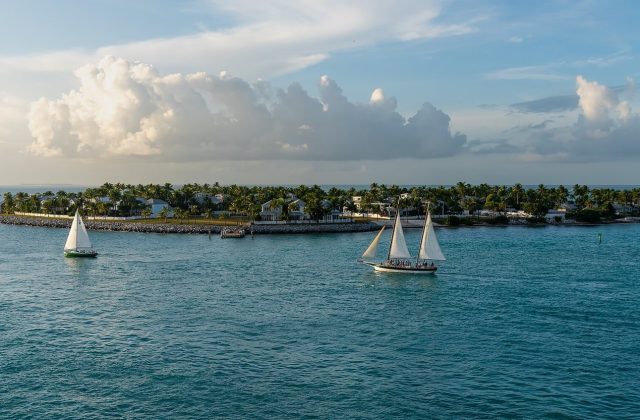
Key West is the coral island at the end of the Florida Keys, joined to the mainland by the Overseas Highway and closer…
160 tours & trips
Hawaiian Islands, United States
The Big Island, officially Hawaii Island, is the youngest and largest of the Hawaiian Islands, at 10,430 square…
149 tours & trips
Hawaiian Islands, United States
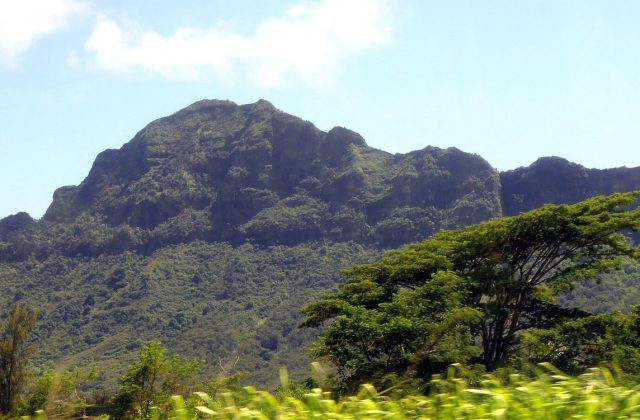
Kauai is the oldest and greenest of the main Hawaiian Islands, a 1,456-square-kilometre volcanic dome cut by Waimea…
67 tours & trips
United States
Galveston is a 43-km barrier island on the Texas Gulf Coast, an hour's drive south-east of Houston across a…
53 tours & trips