Oahu
Hawaiian Islands, United States
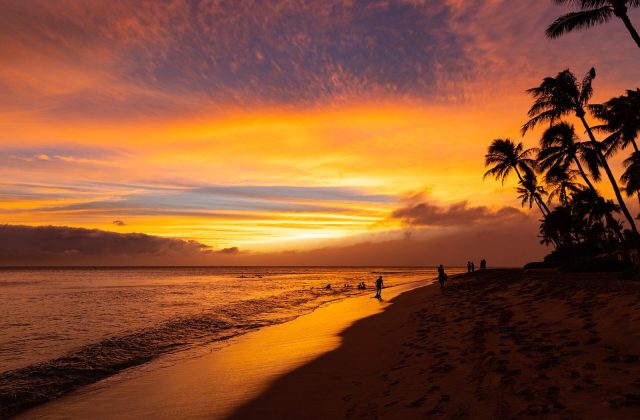
Oahu is the third-largest of the Hawaiian Islands and home to about a million people, two thirds of the state's…
331 tours & trips
United States · Pacific Ocean · Volcanic island
The Big Island, officially Hawaii Island, is the youngest and largest of the Hawaiian Islands, at 10,430 square kilometres bigger than all the others combined. It has active Kilauea, snow on Mauna Kea at 4,207 metres, black and green sand beaches, manta rays at night and climates from desert to rainforest.
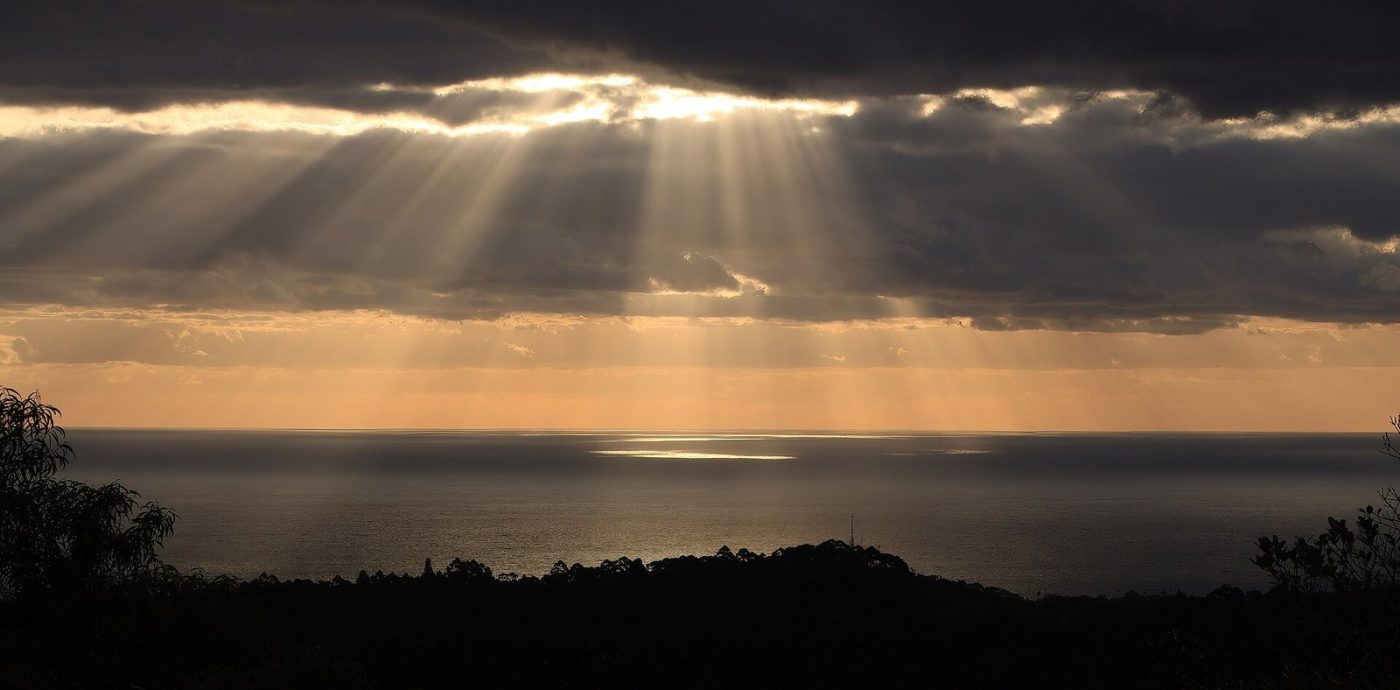
Photo: Paul Harrison, CC BY-SA 4.0
| Getting there | Flights to Kona or Hilo from Honolulu in about 45 min, or direct from the US mainland to Kona |
|---|---|
| Gateway | Kona (Kailua-Kona) or Hilo airports |
| Travel time | 45 min by air from Honolulu; 5 to 6 h from California |
| Days | A week or more |
| Best months | Apr–May and Sep–Oct; Dec–Apr for whales; warm year-round, east side wet |
| Getting around | Rent a car; the island takes 6 to 8 h to drive around and buses are sparse |
| Booking | Car hire and rooms months ahead for winter and summer; manta and summit tours a week ahead |
| Cost | Expensive, though slightly cheaper than Maui |
| Beaches | Fewer than you expect: Hapuna and Kua Bay for white sand, Punaluu for black sand and turtles |
| Sea | Pacific Ocean |
| Archipelago | Hawaiian Islands |
| Area | 10,434 km² |
| Population | 200,629 (2020) |
| Highest point | 4,207 m (Mauna Kea) |
| Airport | Yes, scheduled flights |
| Car-free | No |
| UNESCO | Hawaii Volcanoes National Park |
| Checked | October 2026 |
The island is big, and the tours reflect its two sides.
From Kona and the resorts of the west coast, most products are on the water. The famous one is the night manta ray snorkel: boats anchor at a few known sites, lights attract plankton, and manta rays feed just below you, with wetsuit, snorkel gear and a floating light board provided. Morning snorkel cruises go to Kealakekua Bay and the Captain Cook monument, often with spinner dolphins on the way, and whale-watching boats run from December to April. Sunset sails and submarine trips are gentler options.
The second group is the volcano. Full-day tours from Kona or Waikoloa drive round to Hawaii Volcanoes National Park; from Hilo, the trip is shorter, and evening tours aim for the glow when Kilauea is erupting. Helicopter flights from Hilo give the best view of active lava.
Mauna Kea summit tours supply warm clothing and four-wheel-drive vans, since most rental contracts forbid the summit road, and end with telescopes under very dark skies. Waterfall tours, ziplines in Kohala, coffee farm visits and birdwatching fill other days.
Book a manta night and a volcano day first; drive the rest yourself.
Two hours from Kona or 45 minutes from Hilo, the World Heritage park centres on Kilauea's summit crater. Walk the rim trails, cross the old lava lake of Kilauea Iki, pass through the Thurston lava tube and drive down the Chain of Craters Road to sea cliffs. When an eruption is under way, the glow is best after dark; check park updates first.
Few places in the world have such reliable night encounters with manta rays, which can measure several metres across. Boats leave from Honokohau harbour and Keauhou at dusk, and you float holding a lit board while the rays loop below, sometimes just centimetres away. No diving skill is needed, but the water feels cold after dark.
The summit at 4,207 metres, crowned with observatories and sacred to Native Hawaiians, rises above most of the clouds. The visitor centre at about 2,800 metres, reachable by ordinary car, offers free stargazing on some evenings; beyond it the road needs four-wheel drive. Pause there to acclimatise, as altitude sickness is common, and dress for freezing temperatures.
South of Kona, this sheltered bay with clear water and coral is one of the best snorkelling spots in Hawaii, reached by boat or guided kayak. Nearby, Puuhonua o Honaunau preserves a royal compound and sanctuary with carved wooden figures, and the rocks beside it, known as Two Step, give easy entry to the reef. The coffee farms of the Kona slopes are just uphill.
The wet east side is green and lush. Hilo, the old main town, has a farmers market, Banyan Drive and Rainbow Falls on its edge. North along the Hamakua coast, Akaka Falls drops about 135 metres into a gorge reached by a short paved loop through the rainforest, and the lookout over the steep Waipio Valley ends the road.
Between the volcano and Kona, Punaluu has a beach of black volcanic sand where green sea turtles rest. Further on, a side road leads to South Point, the southernmost tip of the United States, and a rough coastal walk of about 4 km each way to Papakolea, a beach of olive-green sand in a crumbling cone.
Our pick for each kind of trip, with live dates and prices. Free cancellation on most.
Best for: First visit, around the island in a day
A full day from Kona that circles the island, with the volcano park, black sand beaches, waterfalls and coffee country, for those who would rather not drive.
Everyone arrives by air; there is no passenger ferry between the Hawaiian islands. Kona International Airport, on the dry west side near the resorts, has inter-island flights from Honolulu of about 45 minutes, plus Maui and Kauai, and direct flights from several cities on the US West Coast. Hilo International Airport, on the east side, is closer to the volcano and has mainly inter-island flights.
Many visitors fly into one airport and out of the other, saving a long drive back; rental companies at both allow one-way hires, usually for a fee. Cruise ships on Hawaiian itineraries stop at Hilo and Kailua-Kona, sometimes both, giving a day in each for a volcano tour or snorkelling.
A rental car is essential. The drive around the island is about 360 km, and Kona to Hilo takes about 1.5 hours across the island on the Saddle Road or 2.5 hours via the volcano. Public buses run between the main towns but too rarely for sightseeing. Most contracts ban driving to the Mauna Kea summit and on unpaved roads. Fill up before long empty stretches, and expect slow traffic around Kona at rush hour.
The Big Island is warm all year, with days of around 27 to 30 degrees on the coast; what changes is the side of the island. Kona and the Kohala coast are dry and sunny almost every day, while Hilo and the east get heavy rain, especially in winter. At altitude it is cold, and Mauna Kea can have snow from December to March.
April, May, September and October are the quietest and best-value months. Winter, from mid-December to March, is high season: humpback whales are off the coast, prices peak and cars sell out. Summer is also busy with families. Big winter swells can make some beaches dangerous, so ask before swimming. The Merrie Monarch hula festival fills Hilo the week after Easter, and the Ironman triathlon takes over Kona in October. A week is the minimum to see both sides.
The west side is where most visitors stay: Kailua-Kona has the widest range of hotels, condos and restaurants and the manta boats, while the resorts of Waikoloa and the Kohala coast have the best beaches. Hilo is cheaper and greener, with easy access to the volcano and waterfalls. Volcano village, at the park's edge, has cottages in the rainforest and makes a good base for two nights. Many visitors split their stay between the two sides.
Polynesian voyagers settled the island roughly a thousand years ago, and it became the seat of powerful chiefs. Captain Cook was killed at Kealakekua Bay in 1779, and Kamehameha, born on the north coast, went on to unite all the islands by 1810. In the 19th and 20th centuries sugar plantations brought workers from China, Japan, the Philippines and Portugal, while huge cattle ranches made Waimea the home of Hawaiian cowboys. Sugar ended in the 1990s, and tourism, coffee and astronomy now support the island.
Maui is a 40-minute flight away and pairs naturally with the Big Island for a two-week trip, adding the Road to Hana and Haleakala. Oahu, with Honolulu and Pearl Harbor, is about 45 minutes away and is the main hub for connections. A common route is Oahu, then Maui, ending on the Big Island.
Flights to Kona or Hilo from Honolulu in about 45 min, or direct from the US mainland to Kona.
From Kona (Kailua-Kona) or Hilo airports: 45 min by air from Honolulu; 5 to 6 h from California.
A week or more.
Apr–May and Sep–Oct; Dec–Apr for whales; warm year-round, east side wet.
Rent a car; the island takes 6 to 8 h to drive around and buses are sparse.
Go if you want active volcanoes, stargazing, manta rays and wildly varied landscapes on one island. Skip it or choose Maui or Oahu if you want long golden beaches, a compact island or a holiday without long drives.
Expensive, though slightly cheaper than Maui.
Fewer than you expect: Hapuna and Kua Bay for white sand, Punaluu for black sand and turtles.
Car hire and rooms months ahead for winter and summer; manta and summit tours a week ahead.
Yes. Boat trips, guided tours and day trips for Big Island (Hawaii) can be booked online; live prices and free cancellation on most are shown on this page.
Hawaiian Islands, United States
Oahu is the third-largest of the Hawaiian Islands and home to about a million people, two thirds of the state's…
331 tours & trips
Hawaiian Islands, United States
Maui is the second-largest of the Hawaiian Islands, two volcanoes joined by a low isthmus in the middle of the Pacific.
241 tours & trips
Hawaiian Islands, United States
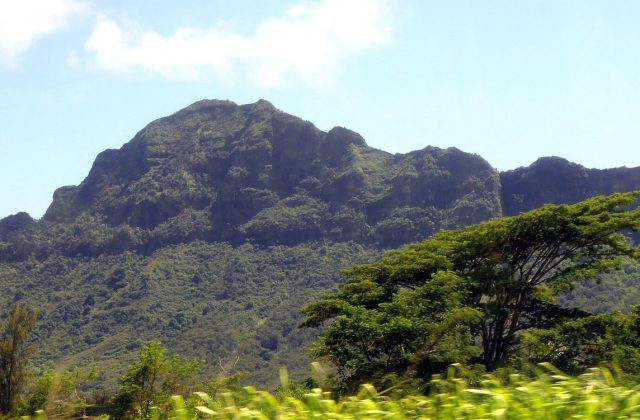
Kauai is the oldest and greenest of the main Hawaiian Islands, a 1,456-square-kilometre volcanic dome cut by Waimea…
67 tours & trips
Hawaiian Islands, United States
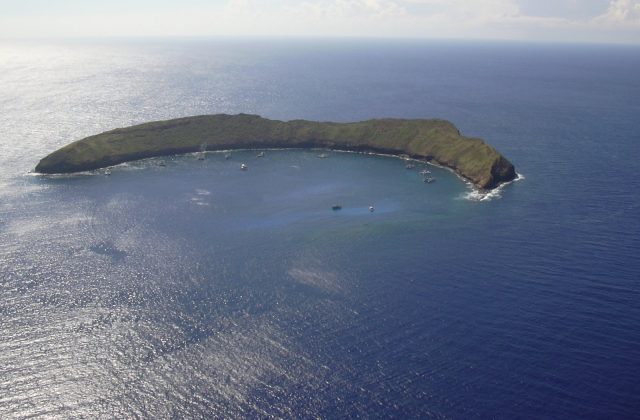
Molokini is a tiny crescent of a volcanic crater rim rising from the sea about 4 km off the south coast of Maui, with…
13 tours & trips
Hawaiian Islands, United States
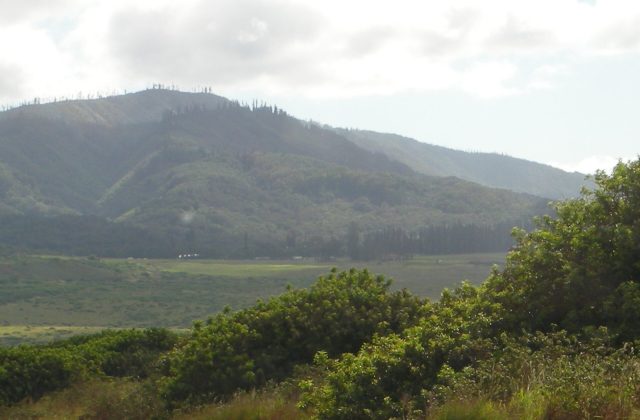
Lanai is a small, quiet Hawaiian island across the channel from Maui, once covered in pineapple fields and now almost…
4 tours & trips
Hawaiian Islands, United States
Molokai is the quiet Hawaiian island between Oahu and Maui, 61 km long, with no traffic lights, no high-rise hotels and…
4 tours & trips