Oahu
Hawaiian Islands, United States
Oahu is the third-largest of the Hawaiian Islands and home to about a million people, two thirds of the state's…
331 tours & trips
United States · Pacific Ocean · Beach island
Maui is the second-largest of the Hawaiian Islands, two volcanoes joined by a low isthmus in the middle of the Pacific. Haleakala rises to 3,055 metres above a dormant summit crater, and below it lie long golden beaches, the winding road to Hana and some of the best snorkelling and winter whale watching in Hawaii.
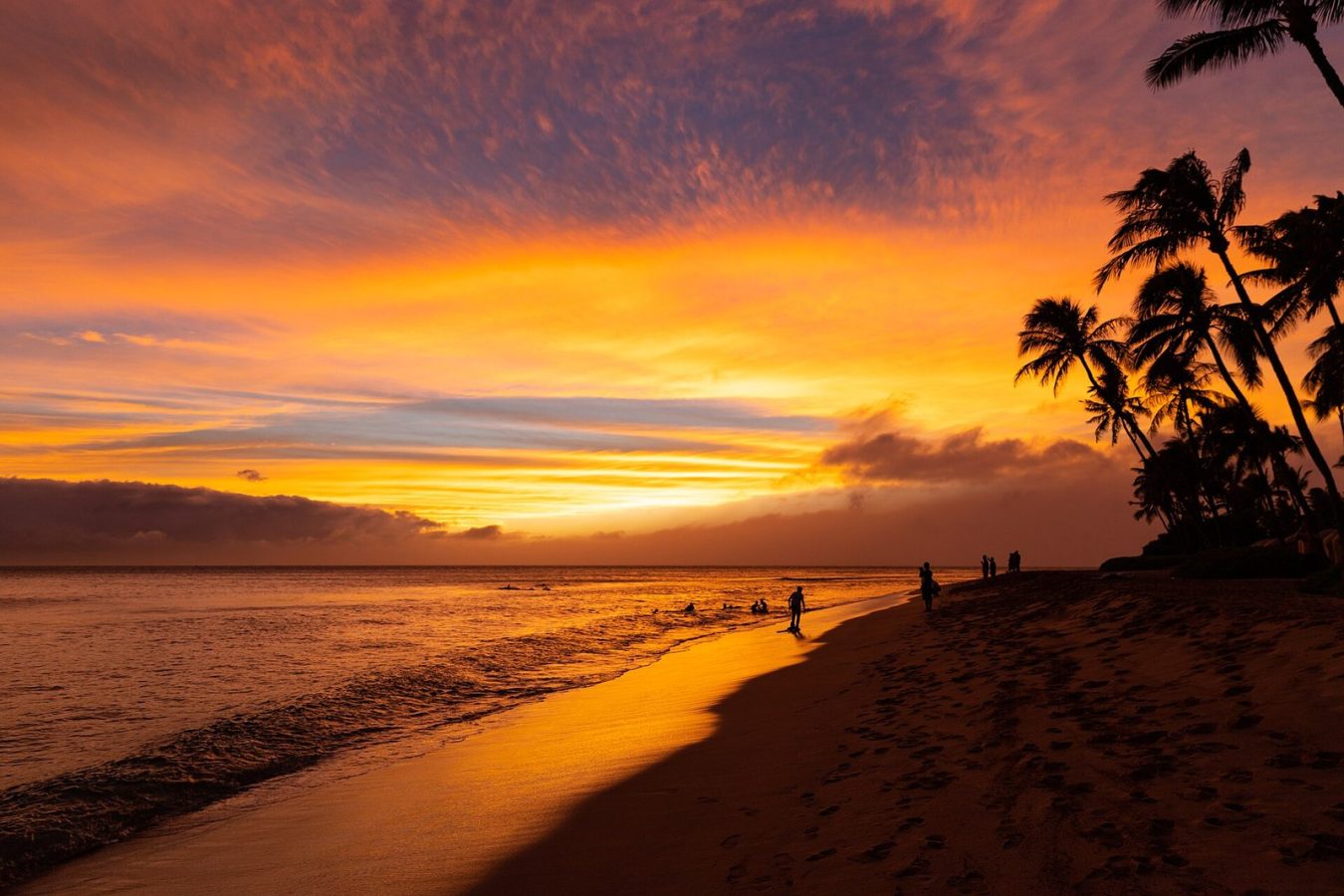
Photo: dronepicr, CC BY 2.0
| Getting there | Direct flights from the US West Coast in about 5 to 6 h; 40-min flights from Honolulu |
|---|---|
| Gateway | Kahului airport |
| Travel time | 5 to 6 h from California, 40 min from Honolulu |
| Days | A week |
| Best months | Apr–May and Sep–Nov for value; Dec–Apr for whales; Jun–Aug and holidays busiest |
| Getting around | Rent a car; buses are limited and taxis expensive |
| Booking | Haleakala sunrise permit, car and hotels well ahead; Molokini trips a few days ahead |
| Cost | Very expensive, even by Hawaiian standards |
| Beaches | Long golden sand at Kaanapali, Wailea and Makena; red and black sand on the Hana coast |
| Sea | Pacific Ocean |
| Archipelago | Hawaiian Islands |
| Area | 1,883 km² |
| Population | 144,444 (2010) |
| Highest point | 3,055 m (Haleakala) |
| Airport | Yes, scheduled flights |
| Car-free | No |
| Checked | October 2026 |
Maui sells three kinds of outing, and most visitors book at least one of each.
The sea comes first. Morning snorkelling trips from Maalaea and the south coast go to Molokini, a half-sunken crater with very clear water, and to Turtle Town off Makena; catamarans include gear, breakfast and lunch, while smaller rafts are faster and more flexible. Other trips cross to the reefs of Lanai. From December to April whale-watching cruises are everywhere, and sunset and dinner sails run all year.
The second group is Haleakala: guided sunrise tours with hotel pickup, which save you from booking the sunrise permit and driving in the dark, and guided hikes into the crater. Bike tours descend part of the mountain.
The third is the road to Hana, sold as full-day van tours with lunch, private SUV tours and helicopter flights over the rainforest and waterfalls.
There are also luaus with dinner and a show, surf lessons, ziplines and farm tours upcountry.
If you rent a car, drive Hana and Haleakala yourself with an early start, and spend your budget on a Molokini trip and, in winter, a whale watch.
The summit of the great volcano looks over a vast crater of red and grey cinder cones. Sunrise from the top is the classic, but it is cold, so bring warm layers, and arriving for sunrise requires a reservation from the park. The Sliding Sands trail descends into the crater. The drive from Kahului takes about two hours.
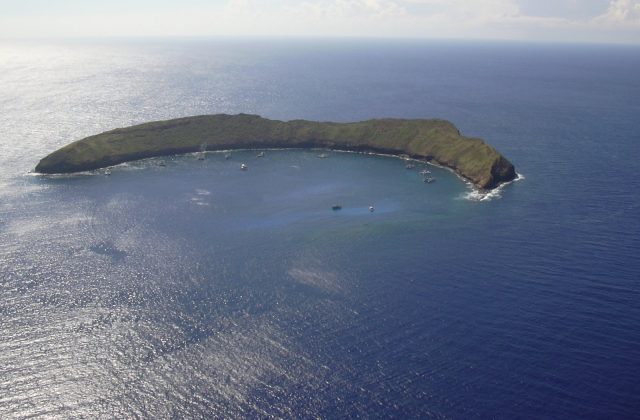
Molokini is a crescent-shaped crater rim a few kilometres off the south coast, with a reef inside it and visibility often beyond 30 metres. Boats arrive early, before the wind rises. Many trips then stop at Turtle Town off Makena, where green sea turtles graze on the reef; keep your distance, as the law requires.
The narrow road along the wet north-east coast has hundreds of bends and many one-lane bridges, passing waterfalls, bamboo forest and black-sand coves. Stop at Waianapanapa State Park, which needs an advance reservation, and continue past Hana to the pools of Oheo in the national park. Leave early and allow the whole day.
West Maui has the long resort beach of Kaanapali, where Black Rock is a good snorkelling spot, and the bays of Kapalua and Napili further north. In winter you can see whales spouting from the shore. Lahaina, the old whaling town to the south, was largely destroyed by the wildfire of August 2023 and is being rebuilt.
The sunny south coast has calm water in the morning and some of the island's finest sand. Wailea is the polished resort strip with a coastal path; further south, Makena State Park has Big Beach, a wide sweep of golden sand with strong shore break, and the smaller Little Beach over the rocks. Bring shade and water.
Above Wailuku, Iao Valley State Monument is a green gorge with a 365-metre rock pinnacle, the Iao Needle, a short walk from the car park. On the slopes of Haleakala, the cowboy town of Makawao, lavender and protea farms in Kula, and the winery at Ulupalakua make a cooler half-day drive.
Our pick for each kind of trip, with live dates and prices. Free cancellation on most.
Best for: First visit, the road to Hana
A full day on the famous coastal road with someone else doing the driving, so you can look at the waterfalls and sea views instead of the bends.
Kahului airport in central Maui is the main arrival point, with direct flights from several cities on the US West Coast, about five to six hours from California, and from Canada; from elsewhere you usually connect in Honolulu or on the mainland. Inter-island flights from Honolulu take about 40 minutes and run many times a day, with connections to Kauai and the Big Island. Small airports at Kapalua in the west and at Hana serve a few commuter flights.
There is no car ferry between the main islands. Cruise ships on Hawaiian itineraries call at Kahului harbour, and some anchor offshore and send passengers ashore by tender. Hire a car at Kahului airport, where all the main companies have counters.
A car is essential for most visitors: the sights are spread out and public buses run only between the main towns with limited service. Book early, as rental cars can run out in peak season. The drive from Kahului to Kaanapali or Wailea takes about 45 minutes, traffic permitting. Taxis and ride-hailing exist but are costly for longer trips. Roads are good, apart from the narrow Hana highway and the steep switchbacks up Haleakala.
Maui is warm all year, with daytime temperatures in the high 20s Celsius on the coast and a sea of 24 to 27 degrees. The leeward west and south coasts are dry and sunny; the windward north-east, along the road to Hana, is wet and green, with most rain falling from November to March.
Humpback whales arrive in December and leave by April, with the peak from January to March, which is also the most expensive season. Summer and school holidays are busy too. April to May and September to November offer the best value and fewer crowds. Winter swells make north and west shores rough, while summer swells reach the south. The summit of Haleakala can be near freezing at sunrise in any month. A week covers the island without rushing.
Kaanapali and Kapalua in the west have resort hotels, condos and the best whale watching from the shore. Kihei in the south is the most affordable area, with condos and easy access to Molokini boats, and neighbouring Wailea is the luxury strip. Paia on the north shore suits surfers and is the start of the Hana road, while Kula upcountry is cooler and close to Haleakala. One night in Hana breaks up the drive.
Polynesian voyagers settled Maui many centuries ago, and its chiefs fought the rulers of the other islands until Kamehameha conquered it in 1790 in a battle in Iao Valley. Lahaina was the royal capital of the Hawaiian Kingdom in the early 19th century and then a busy port for whaling ships. Later the central isthmus was covered with sugar cane and the uplands with pineapple; the last sugar harvest came in 2016. Tourism now dominates the economy. The fire of 2023 that destroyed Lahaina was the deadliest in modern American history.
Lanai and Molokai are visible across the channels; a passenger ferry and boat trips have linked Lanai with west Maui. Oahu, with Honolulu and Pearl Harbor, is 40 minutes by plane, and the Big Island with its active volcanoes and Kauai are also short flights away. Many travellers split a fortnight between Maui and one other island.
Direct flights from the US West Coast in about 5 to 6 h; 40-min flights from Honolulu.
From Kahului airport: 5 to 6 h from California, 40 min from Honolulu.
A week.
Apr–May and Sep–Nov for value; Dec–Apr for whales; Jun–Aug and holidays busiest.
Rent a car; buses are limited and taxis expensive.
Go if you want beaches, snorkelling with turtles, humpback whales in winter and a sunrise above the clouds on a volcano. Skip it or choose the Big Island or Kauai if you want active lava, wilder trails or lower prices.
Very expensive, even by Hawaiian standards.
Long golden sand at Kaanapali, Wailea and Makena; red and black sand on the Hana coast.
Haleakala sunrise permit, car and hotels well ahead; Molokini trips a few days ahead.
Yes. Boat trips, guided tours and day trips for Maui can be booked online; live prices and free cancellation on most are shown on this page.
Hawaiian Islands, United States
Oahu is the third-largest of the Hawaiian Islands and home to about a million people, two thirds of the state's…
331 tours & trips
Hawaiian Islands, United States
The Big Island, officially Hawaii Island, is the youngest and largest of the Hawaiian Islands, at 10,430 square…
149 tours & trips
Hawaiian Islands, United States
Kauai is the oldest and greenest of the main Hawaiian Islands, a 1,456-square-kilometre volcanic dome cut by Waimea…
67 tours & trips
Hawaiian Islands, United States
Molokini is a tiny crescent of a volcanic crater rim rising from the sea about 4 km off the south coast of Maui, with…
13 tours & trips
Hawaiian Islands, United States
Lanai is a small, quiet Hawaiian island across the channel from Maui, once covered in pineapple fields and now almost…
4 tours & trips
Hawaiian Islands, United States
Molokai is the quiet Hawaiian island between Oahu and Maui, 61 km long, with no traffic lights, no high-rise hotels and…
4 tours & trips