Isabela
Galapagos Islands, Ecuador
Isabela is the largest of the Galápagos Islands, a seahorse-shaped chain of six volcanoes about 100 km long that…
28 tours & trips
Ecuador · Pacific Ocean · Nature & wildlife island
Floreana is a small volcanic island in the south of the Galapagos, home to about 100 people and reached by speedboat from Santa Cruz in around two hours. It mixes wildlife with the archipelago's strangest human history: a whalers' post barrel still in use, pirate caves and the settlers of the 1930s whose feuds became a legend.
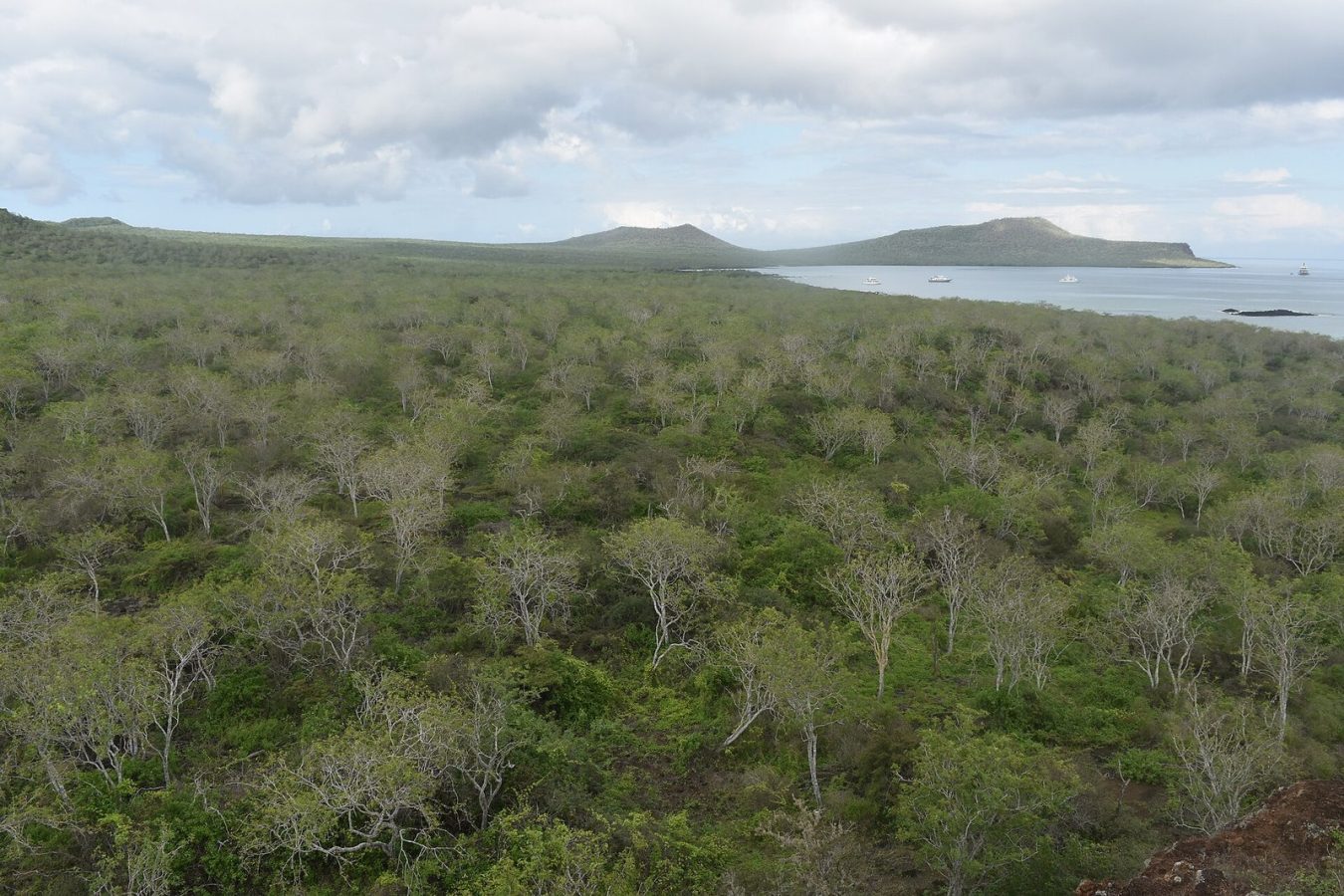
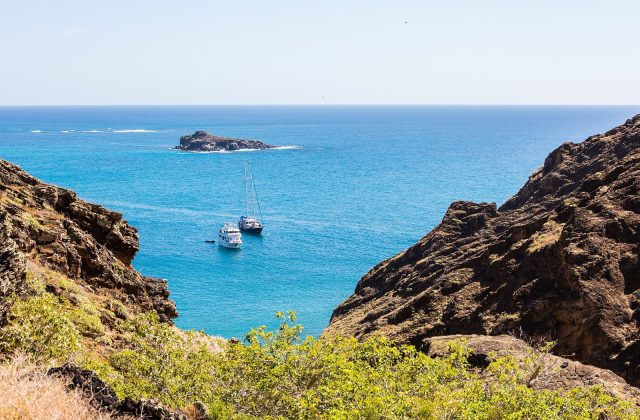
Photo: Andrew Katsis, CC BY 4.0
| Getting there | Speedboat day tours or a public launch from Puerto Ayora on Santa Cruz, about 2 h; also on many cruise routes |
|---|---|
| Gateway | Puerto Ayora (Santa Cruz) |
| Travel time | About 2 h by speedboat |
| Days | A day trip, or 1 to 2 nights |
| Best months | Dec–May warm with calmer seas; Jun–Nov cooler, choppier, richer marine life |
| Getting around | Walk around the village; a local open bus or truck goes up to the highlands |
| Booking | Day tours a few days ahead from Puerto Ayora; rooms on the island well ahead |
| Cost | Expensive, as everywhere in the Galapagos |
| Beaches | Black sand at the village and La Loberia; olivine-green sand at Punta Cormorant |
| Sea | Pacific Ocean |
| Archipelago | Galapagos Islands |
| Area | 173 km² |
| Population | 100 |
| Highest point | 444 m (Cerro Pajas) |
| Airport | No |
| Car-free | No |
| UNESCO | Galápagos Islands |
| Checked | October 2026 |
Floreana is seen in one of two ways: on a day trip from Santa Cruz or as a stop on a live-aboard cruise.
Day trips from Puerto Ayora are what most land-based visitors buy. A speedboat leaves early in the morning, crosses open water for about two hours and lands at the village of Puerto Velasco Ibarra. An open bus then climbs to the highlands at Asilo de la Paz, with the freshwater spring, the caves carved by early settlers and a corral of giant tortoises, before you return to the coast to snorkel at La Loberia with sea lions and turtles. A naturalist guide, snorkel gear, lunch and the transfers are included; wetsuits and the park fees paid on arrival in the Galapagos are separate.
Cruise itineraries visit sites that day trips rarely reach: Post Office Bay, the flamingo lagoon and green beach at Punta Cormorant and the snorkelling crater of Devil's Crown. Some boat-based day tours now include these too, at a higher price.
Recommendation: if you are based on Santa Cruz and cope with rough water, a day trip is worth it; if seasickness is a worry, take tablets or choose a closer island.
On the north coast, a wooden barrel has served as an informal mail box since whalers began leaving letters here in the late 18th century. Visitors still drop unstamped postcards and sort through the pile for any addressed near their home, which they then deliver by hand. The landing is on a beach, a short walk from the barrel.
A drive of about 20 minutes inland from the village leads to the island's only reliable spring, the water source for pirates, whalers and settlers. Caves cut into the rock nearby were used as shelters, and an enclosure holds giant tortoises. The air is cooler and greener here, with finches and mockingbirds along the path.
A short walk south of the village, this rocky bay is the island's main snorkelling site from the shore. Young sea lions play around swimmers, green turtles feed on algae in the shallows and marine iguanas warm themselves on the black lava. Enter at the small beach, keep the required distance from animals and watch for currents beyond the point.
On the north shore, a beach of greenish sand coloured by olivine crystals leads over a low ridge to a brackish lagoon where flamingos feed. A trail continues to a white-sand beach where stingrays rest in the surf and turtles nest; swimming is not allowed there. This site is reached only by boat with a licensed guide.
The jagged rim of a sunken volcanic crater rises from the sea just off Punta Cormorant and is one of the best snorkelling spots in the Galapagos. Inside and around it are shoals of reef fish, sea lions, rays and often white-tipped reef sharks. Currents can be strong, so it is visited with a guide from a boat.
Our pick for each kind of trip, with live dates and prices. Free cancellation on most.
Best for: First visit, a day from Puerto Ayora
The standard way to see the island without a cruise: speedboat from Santa Cruz, the highland springs and pirate caves, then snorkelling with sea lions and turtles.
First fly to the Galapagos from Quito or Guayaquil, landing at Baltra, next to Santa Cruz, or on San Cristobal. From Baltra a bus, a short ferry across the Itabaca Channel and a taxi or bus take you to Puerto Ayora in about an hour.
From Puerto Ayora, speedboats to Floreana take about two hours each way. Most visitors go on an organised day tour, booked in town a few days ahead. A public launch also runs on certain days of the week for those staying overnight, but the schedule is limited and can change, so check it locally and do not count on a same-day return. The crossing is often rough, especially from June to November. Many cruise ships include Floreana in their southern itineraries.
Puerto Velasco Ibarra is tiny and everything in it, including La Loberia, is within a short walk. The highlands are about 8 km inland along an unpaved road; day tours include transport, and overnight guests can use the local open bus, which runs only a few times a day, or arrange a ride through their lodging. Most of the island is national park and the coastal visitor sites can be reached only by boat with a licensed guide.
The Galapagos can be visited all year, but conditions change with the currents. From December to May the warm season brings hot, sunny days with short showers, sea temperatures of about 24 to 26 degrees and generally calmer water, which matters for the long speedboat crossing.
From June to November the cold Humboldt current brings mist, cooler air and a sea around 20 to 22 degrees, so a wetsuit is worth renting. The water is richer in plankton, which brings more fish and active sea lions, but the swell is bigger and seasickness more common. Peak demand comes around Christmas and New Year, Easter and in July and August, when day tours fill quickly. A day trip is enough for most visitors; stay a night or two only if you want the island quiet after the boats leave.
All accommodation on Floreana is in Puerto Velasco Ibarra: a handful of small family-run guesthouses and one eco-lodge on the beach, with simple meals and limited electricity and internet. Staying overnight suits travellers who want the village to themselves in the evening. For a day trip, the base is Puerto Ayora on Santa Cruz, with the widest choice of rooms, restaurants and tour offices.
Floreana was the first Galapagos island to be settled. Buccaneers and whalers used its spring and slaughtered its tortoises for food, and Ecuador founded a penal colony here in 1832, soon after claiming the archipelago; Darwin called in 1835. In the 1930s a German doctor, a self-styled baroness with her lovers and the Wittmer family arrived; disappearances and deaths followed that have never been fully explained. Today the community supports a project to remove introduced rats and cats and bring back lost species.
Floreana is usually one day of a land-based week on Santa Cruz, alongside day trips to North Seymour, Bartolome or Santa Fe, and a few nights on Isabela, about two hours from Puerto Ayora by speedboat. San Cristobal, with its own airport, is a similar crossing in the other direction.
Speedboat day tours or a public launch from Puerto Ayora on Santa Cruz, about 2 h; also on many cruise routes.
From Puerto Ayora (Santa Cruz): about 2 h by speedboat.
A day trip, or 1 to 2 nights.
Dec–May warm with calmer seas; Jun–Nov cooler, choppier, richer marine life.
Walk around the village; a local open bus or truck goes up to the highlands.
Go if you want sea lions, turtles and good snorkelling together with the best human stories in the Galapagos. Skip it or choose Isabela or Santa Cruz if you get seasick, want to stay several nights cheaply or prefer giant tortoises in the wild.
Expensive, as everywhere in the Galapagos.
Black sand at the village and La Loberia; olivine-green sand at Punta Cormorant.
Day tours a few days ahead from Puerto Ayora; rooms on the island well ahead.
Yes. Boat trips, guided tours and day trips for Floreana can be booked online; live prices and free cancellation on most are shown on this page.
Galapagos Islands, Ecuador
Isabela is the largest of the Galápagos Islands, a seahorse-shaped chain of six volcanoes about 100 km long that…
28 tours & trips
Galapagos Islands, Ecuador
San Cristobal is the easternmost island of the Galapagos, about 1,000 km off mainland Ecuador, with the…
13 tours & trips
Galapagos Islands, Ecuador
Bartolome is a tiny volcanic islet of 1.2 square kilometres off Santiago in the central Galapagos, uninhabited and…
2 tours & trips
Galapagos Islands, Ecuador
Santa Cruz is the central and most populous island of the Galápagos, a shield volcano of about 986 square kilometres…
2 tours & trips