Isla de la Luna
11 km away
Isla de la Luna is a small, dry island of about 2 square kilometres in the Bolivian part of Lake Titicaca, a few…
3 tours & trips
Bolivia · Lakes & rivers · Historic island
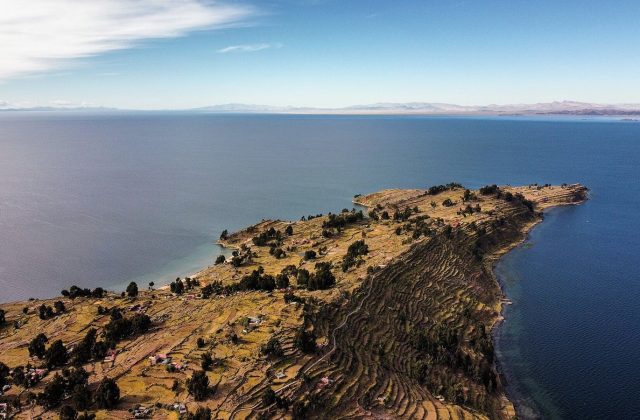
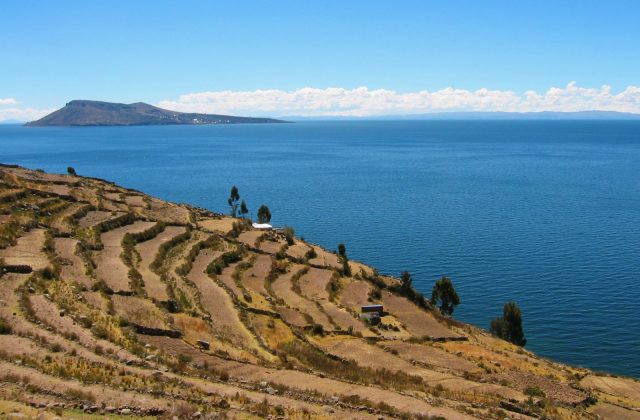
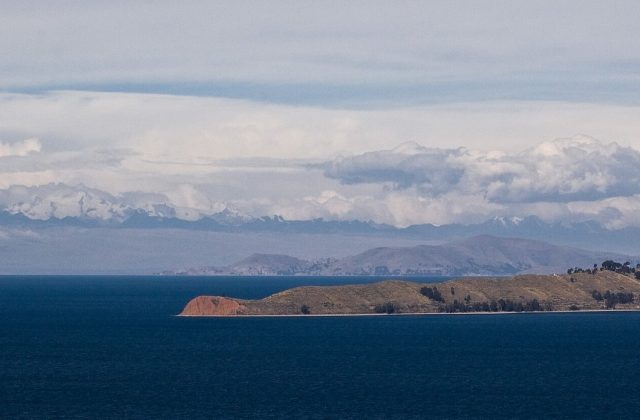
Isla del Sol is a rocky, terraced island in the Bolivian part of Lake Titicaca, at about 3,800 metres above sea level, where the Incas believed the sun god was born. There are no cars or roads, only footpaths between farming villages, more than 80 ruins and wide views over the deep blue lake to the snowy Cordillera Real.
| Getting there | Boat from Copacabana, Bolivia, in about 1.5 to 2 h; Copacabana is about 4 h by bus from La Paz |
|---|---|
| Gateway | Copacabana, Bolivia (boat) |
| Travel time | About 1.5 to 2 h by boat from Copacabana |
| Days | 1 to 2 nights |
| Best months | May–Oct (dry season); rainy Dec–Mar |
| Getting around | Car-free: steep footpaths only; porters or donkeys can carry luggage |
| Booking | Boats on the day in Copacabana; rooms on arrival except in holidays |
| Cost | Cheap, even by Bolivian standards |
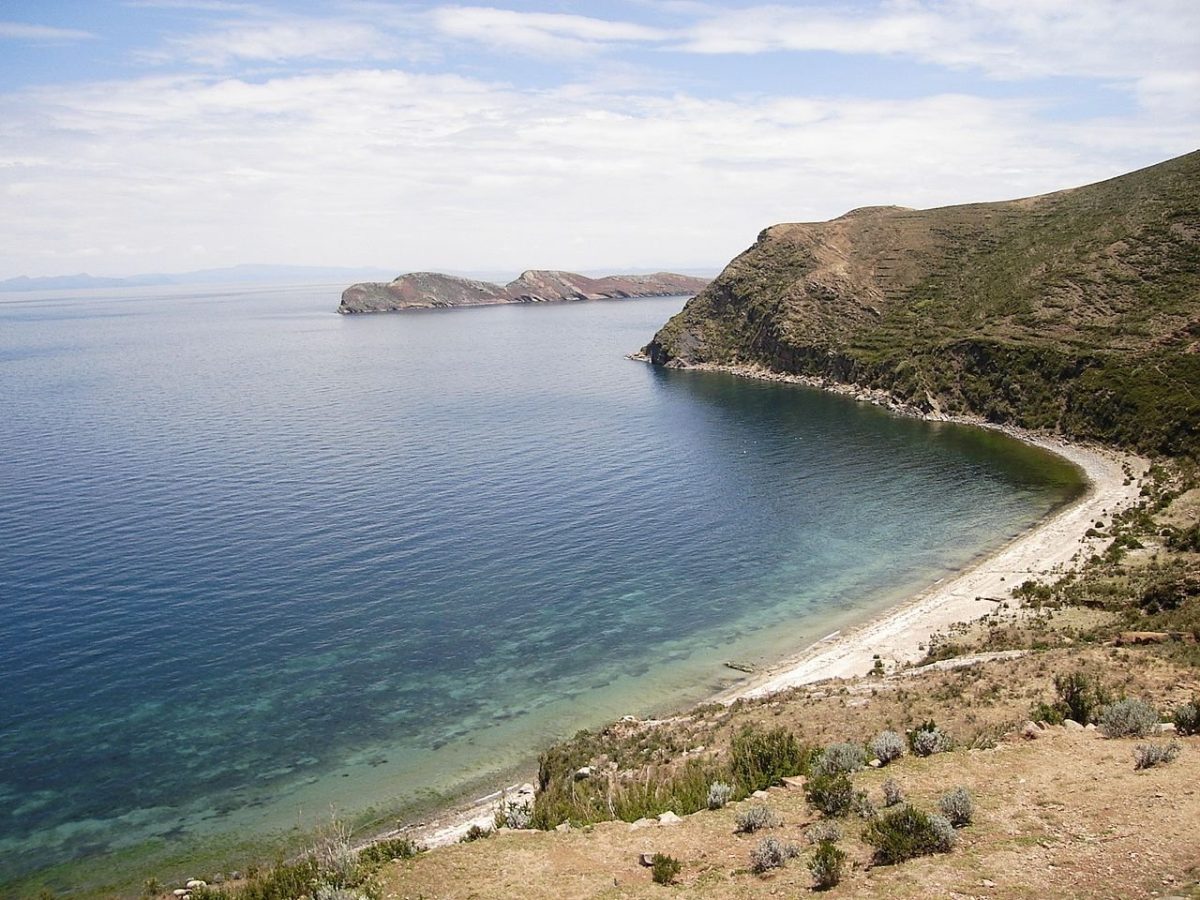
| Beaches | A few small sandy coves; the lake is very cold for swimming |
| Sea | Lakes & rivers |
| Area | 14 km² |
| Airport | No |
| Car-free | Yes |
| Checked | October 2026 |
Nothing is sold online for Isla del Sol alone, and visitors almost always go independently. Boat cooperatives in Copacabana sell tickets at kiosks along the waterfront for morning departures, with return boats in the afternoon; the same companies also sell combined trips that stop at the smaller Isla de la Luna. You simply pay, board and choose where to get off.
A day trip from Copacabana gives only a couple of hours on the island, enough to climb the Inca stairway at Yumani and visit the ruins at the southern end. Staying a night is much better: you see the sunset and sunrise over the lake and the snow peaks, and walk without the day crowds. Agencies in La Paz and in Puno, in Peru, sell longer packages that include transport to Copacabana and a boat, which save effort but add little that you cannot arrange yourself.
Local guides can be hired at the landings to explain the ruins and the Inca legends. Each community charges a small entry fee, so carry cash in small notes. A long dispute between communities has at times closed the north of the island to visitors, so ask in Copacabana before you plan.
Boats to the south of the island land below Yumani, the largest village, at the foot of a long stone stairway built in Inca times. A spring at the bottom was held sacred. The climb is short but steep at this altitude, so take it slowly. Above it, terraces, guesthouses and small cafes look out over the lake and the snow peaks.
A short walk south of Yumani along the shore path, these Inca ruins are a two-storey stone building with niches and trapezoid doorways, probably a resting place for pilgrims and priests on the way to the sacred sites. The setting is magnificent, on a terrace above the water, and it is the easiest ruin to reach from the southern landing.
A path runs along the spine of the island between the southern and northern villages, passing farming terraces, grazing llamas and views of the lake on both sides. Walking the whole length takes about three to four hours at an easy pace. Check in Copacabana whether the northern section is open, as it has been closed for long periods because of local disputes.
Near the northern tip, above Challapampa, lie the island's most important ruins: the sacred rock linked to the Inca creation story, a ceremonial stone table and the maze-like stone complex called Chinkana. The walk from Challapampa takes about an hour. Access depends on the local communities, so ask before going and expect to pay entry fees on the way.
The much smaller Island of the Moon lies a short boat ride east and is often included in combined boat trips from Copacabana. Its ruins are of a temple associated with the women chosen to serve the sun, with terraced walls above the shore. It is very quiet and makes a good half-day addition if you stay in Yumani.
The gateway is Copacabana, a small lakeside town in Bolivia, about four hours by bus from La Paz; the road crosses the Strait of Tiquina, where passengers take a small boat while the bus goes over on a barge. From Puno in Peru, buses reach Copacabana in about three hours, including the border crossing.
Boats from Copacabana leave in the morning and take about 1.5 to 2 hours to Yumani in the south, or longer to Challapampa in the north when that route runs; return boats leave in the afternoon. Buy tickets at the waterfront kiosks on the day. The boats are slow and basic, so bring warm layers and sun protection. There is nothing to do with a car on the island, so leave it in Copacabana.
There are no motor vehicles or paved roads, so everything is on foot along stone paths and steep steps, at an altitude where even fit people get out of breath. Pack light, as you will carry your bag uphill from the landing; local porters and donkeys can be hired for luggage. Walking times between villages range from 30 minutes to several hours. Carry water, sunscreen and cash, as there are no cash machines on the island.
The dry season from May to October brings clear blue skies, strong sun and the best views of the snow-capped mountains. Days are pleasant, around 15 degrees, but nights are freezing, especially in June and July, so warm clothes and a sleeping bag or extra blankets help. July and August are the busiest months with international visitors.
The rainy season from December to March brings afternoon storms, muddy paths and cloudier views, though the island is greener and quieter; some boats run less often. The lake water is cold all year.
At this altitude, spend a few days in La Paz or around the lake before climbing the island's steep paths. One night is the minimum to enjoy sunset and sunrise; two nights allow a walk to the north and a visit to Isla de la Luna. Festivals in Copacabana in early February and August fill the town.
Yumani, at the southern end, has most of the guesthouses and simple restaurants, many with terraces facing the lake and the mountains, and it is the best base for a first visit. Rooms higher up the hill have the best views but require a longer climb. Challapampa, in the north, is smaller, quieter and close to the main ruins, though access has depended on local disputes. Accommodation is basic and cheap everywhere; hot water and heating are not guaranteed.
People have farmed the island since the third millennium BC, carving its steep hillsides into terraces that are still worked today. In Inca belief the sun and the first Inca rulers emerged here, and the island became one of the most sacred places in the empire, with temples, a pilgrims' route and the sacred rock in the north. After the Spanish conquest, worship moved to the shrine of the Virgin at Copacabana. Today about 800 families live from farming, fishing and tourism, organised in communities that manage the paths and the ruins.
Copacabana, with its whitewashed basilica and lakeside viewpoint, deserves a night before or after. La Paz is about four hours away by bus, and the Tiwanaku ruins make a day trip from there. Across the border, Puno and the floating Uros islands in Peru are about three hours by road, making the island a natural stop between La Paz and Cusco.
11 km away
Isla de la Luna is a small, dry island of about 2 square kilometres in the Bolivian part of Lake Titicaca, a few…
3 tours & trips
61 km away
Taquile is a small island of terraced hills on the Peruvian side of Lake Titicaca, about 45 km by boat from Puno, with…
77 tours & trips
69 km away
Amantani is a small, round farming island on the Peruvian side of Lake Titicaca, about three hours by boat from Puno,…
34 tours & trips
Boat from Copacabana, Bolivia, in about 1.5 to 2 h; Copacabana is about 4 h by bus from La Paz.
From Copacabana, Bolivia (boat): about 1.5 to 2 h by boat from Copacabana.
1 to 2 nights.
May–Oct (dry season); rainy Dec–Mar.
No. Isla del Sol is car-free. Car-free: steep footpaths only; porters or donkeys can carry luggage.
Go if you want high-altitude walks, Inca ruins and a night in a quiet village above Lake Titicaca. Skip it or stay in Copacabana if steep climbs at altitude worry you, or choose the Uros islands from Puno if time is short.
Cheap, even by Bolivian standards.
A few small sandy coves; the lake is very cold for swimming.
Boats on the day in Copacabana; rooms on arrival except in holidays.
Bolivia
Isla de la Luna is a small, dry island of about 2 square kilometres in the Bolivian part of Lake Titicaca, a few…
3 tours & trips