Rhodes
Dodecanese, Greece
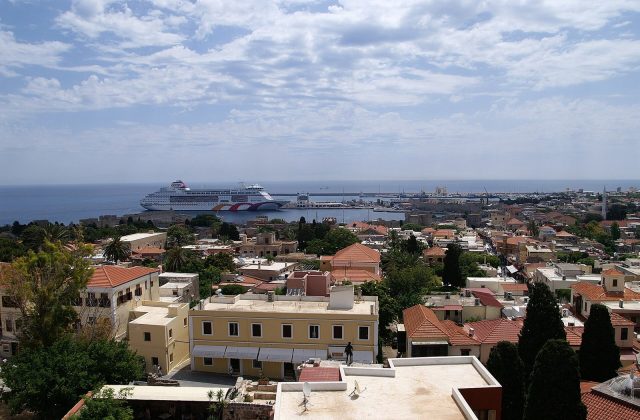
Rhodes is the largest of the Dodecanese islands, about 1,400 square kilometres close to the Turkish coast, with a…
371 tours & trips
Greece · Aegean Sea · Beach island
Karpathos is the second largest of the Dodecanese islands, a long mountainous strip between Crete and Rhodes that rises to 1,215 metres. It combines turquoise beaches in the south, one of the windiest kitesurfing coasts in Europe and Olympos, a mountain village where old dress and dialect survive.
| Getting there | Flights from Athens and Rhodes, summer charters from Europe; ferries from Piraeus via Crete and from Rhodes |
|---|---|
| Gateway | Karpathos airport; ferries from Rhodes or Piraeus |
| Travel time | About 1 h flight from Athens; 5 h or more by ferry |
| Days | A week or more |
| Best months | May–June and Sep–Oct; Jul–Aug strong meltemi winds; much closes Nov–Apr |
| Getting around | Rent a car; buses link Pigadia with the south and west; boat or road to Olympos |
| Booking | Flights and cars in July–August well ahead; boat trips to the north a day ahead |
| Cost | Mid-range for Greece |
| Beaches | Pebble and sand coves; Apella, Kyra Panagia and Achata on the east, Lefkos on the west |
| Sea | Aegean Sea |
| Archipelago | Dodecanese |
| Area | 325 km² |
| Highest point | 1,215 m (Kali Limni) |
| Airport | Yes, scheduled flights |
| Car-free | No |
| Checked | October 2026 |
Karpathos is not a package-tour island, and what is on offer is small-scale and run by local people.
The classic outing is the trip north to Olympos. Boats leave Pigadia in the morning, run up the east coast to the small port of Diafani, and a bus or minibus takes you up to the village; some days include a swim at a northern beach on the way back. The alternative is a guided minibus tour by road, with a driver who knows the bends. Private boat charters reach the island of Saria and the abandoned settlement of Palatia.
Boat trips along the east coast also visit coves such as Apella and Kyra Panagia, which are reachable by road but more pleasant from the sea. Lunch is often included on the north trips; drinks are extra.
Walkers are well served: guided hikes follow old mule paths between mountain villages and to the summits, and there are small food tours of the southern villages. Craft workshops in pottery and pebble mosaic make a good half day out of the sun or wind.
For a first week, book the Olympos day, hire a car for the beaches and add one guided hike if you enjoy walking.
Perched on a ridge in the far north, Olympos was cut off for centuries and kept its own dialect, embroidered costumes worn daily by older women, and houses with painted interiors. Walk up past the row of windmills to the church at the top, look into a traditional house, and eat in a family taverna. Come by boat via Diafani or drive about 90 minutes from Pigadia.
North of Pigadia a road winds above the sea to a string of white-pebble coves with very clear water. Apella, below pine-covered cliffs, is often counted among the best beaches in Greece; Kyra Panagia has a red-domed chapel and a small village; Achata is closer to town. Arrive before 11 am in summer and bring shade.
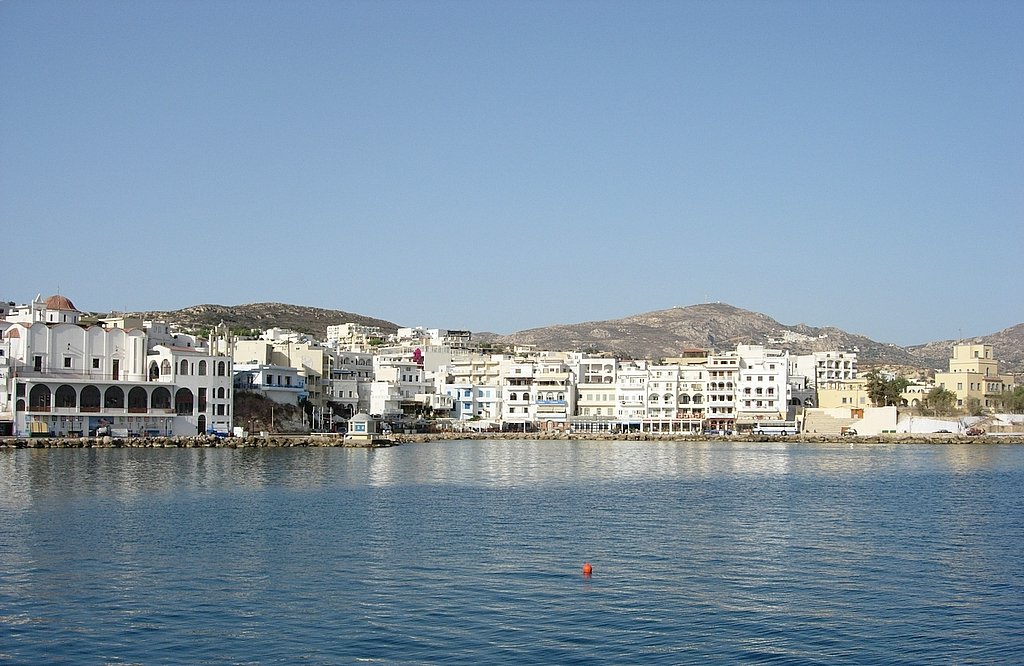
The main town curves round a bay on the south-east coast, with the ferry quay, harbourside tavernas, the best choice of shops and a long sandy beach to the north. It is a working town rather than a pretty village, but it is where you find car hire and boat departures. The remains of an early Christian basilica stand above the bay.
Inland from Pigadia, Aperi, the old capital, Volada and Othos sit on green slopes with fountains and churches, and Othos is the highest village on the island. Menetes, south-west of town, has a fine church on a rock. A loop through them by car takes half a day and is best combined with a meal in a village taverna.
On the wilder western side, Lefkos is a small resort with sandy bays separated by rocky headlands and views towards Kasos. Further south Arkasa and the fishing harbour of Finiki have tavernas and quieter swimming. Sunsets are best on this coast, and the road from Pigadia crosses the mountains in about 45 minutes.
The flat south near the airport catches the summer wind full on, and the bays at Afiartis are among the best-known windsurfing and kitesurfing spots in the Mediterranean. Schools rent boards and teach beginners on the flat water of the inner bay. Even if you do not surf, it is worth stopping to watch the sails on a windy afternoon.
Our pick for each kind of trip, with live dates and prices. Free cancellation on most.
Best for: First visit, Olympos and the north
A driver-guide takes you up the long mountain road to Olympos and explains the village customs, saving you a demanding drive on the north's winding roads.
The airport on the southern tip has flights to Athens, of a little over an hour, and short hops to Rhodes all year, as well as direct charter flights from many European cities from late spring to autumn. Flying is the usual way in.
Ferries call at Pigadia and, on some sailings, at Diafani in the north. Blue Star and other lines run a few times a week from Piraeus by way of Crete and Kasos, a long overnight journey, and from Rhodes, about five to six hours depending on stops. Winter services are fewer. Buy tickets online or at agencies in Pigadia, and check timetables close to the date, because Karpathos is at the end of the line and schedules change. Bringing a car by ferry is possible but rarely worth it.
A car is the best way to see Karpathos. Roads in the south are good; the road north to Olympos is now paved but long, narrow and winding, with steep drops and few petrol stations, so fill up first. Local buses link Pigadia with the southern and western villages and Lefkos a few times a day, less often outside summer. Taxis are available in Pigadia, and boats run north to Diafani and to the east-coast beaches in season. Scooters are risky in the strong summer wind.
May and June are warm, green and quiet, with wild flowers in the mountains and the sea warming up through the month. September and early October are the best of all for swimming, with water still near 24 degrees and the summer crowds gone.
July and August are hot and the busiest months, with Greek families and charter visitors, but even then the island is calm compared with Rhodes or Crete. The meltemi wind blows hard on many days, which delights windsurfers but makes some beaches rough and can cancel small boats.
The big festival is the feast of the Assumption on 15 August, celebrated with music and dancing in Olympos and other villages, and Easter in Olympos is famous across Greece. From November to April most hotels and tavernas close. Allow a week to see both north and south.
Pigadia is the practical base, with the most rooms, restaurants, car hire and boat departures, and it suits people without a car. Amoopi, a few kilometres south, has small hotels by sheltered coves and suits families. Lefkos on the west coast is quieter, with sandy bays and sunsets. Arkasa and Finiki are low-key and close to the airport, while windsurfers stay by the southern bays. Diafani in the north suits walkers who want to explore Olympos and the northern paths.
Karpathos had four city-states in antiquity and, according to myth, was the home of the Titan Iapetus. Over the centuries it passed to the Byzantines, the Venetians, the Ottomans and, from 1912, the Italians, before joining Greece with the rest of the Dodecanese in 1948. Pirate raids pushed villages into the hills, and the isolation of the north preserved the customs of Olympos, where daughters traditionally inherited property. Heavy emigration in the 20th century, much of it to the United States, still shapes the island, as many families return each summer.
Kasos, the small island just to the south-west, is reached by a short flight or a ferry ride of about an hour and a half and makes a quiet extra day or two. Rhodes, with its medieval old town, is about 40 minutes by air or a few hours by ferry. Ferries also continue to eastern Crete, so you can plan a route from Rhodes to Crete via Karpathos.
Flights from Athens and Rhodes, summer charters from Europe; ferries from Piraeus via Crete and from Rhodes.
From Karpathos airport; ferries from Rhodes or Piraeus: about 1 h flight from Athens; 5 h or more by ferry.
A week or more.
May–June and Sep–Oct; Jul–Aug strong meltemi winds; much closes Nov–Apr.
Rent a car; buses link Pigadia with the south and west; boat or road to Olympos.
Go if you want uncrowded beaches, mountain hiking, windsurfing and a traditional village far from mass tourism. Skip it or choose Rhodes or Crete if you want easy ferry hopping, nightlife, ancient sites or calm seas in midsummer.
Mid-range for Greece.
Pebble and sand coves; Apella, Kyra Panagia and Achata on the east, Lefkos on the west.
Flights and cars in July–August well ahead; boat trips to the north a day ahead.
Yes. Boat trips, guided tours and day trips for Karpathos can be booked online; live prices and free cancellation on most are shown on this page.
Dodecanese, Greece
Rhodes is the largest of the Dodecanese islands, about 1,400 square kilometres close to the Turkish coast, with a…
371 tours & trips
Dodecanese, Greece
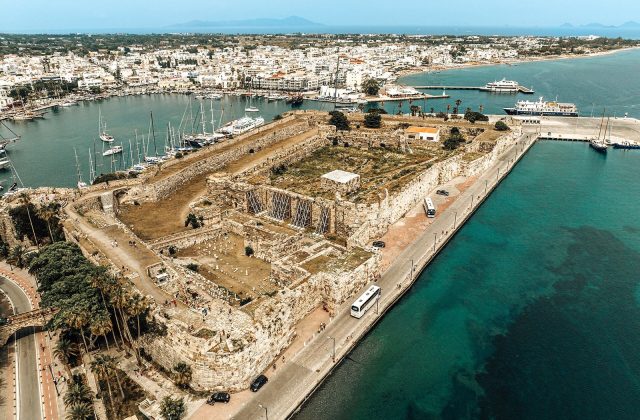
Kos is the long, low island of the Dodecanese closest to the Turkish coast, about 42 km from end to end, with sandy…
48 tours & trips
Dodecanese, Greece
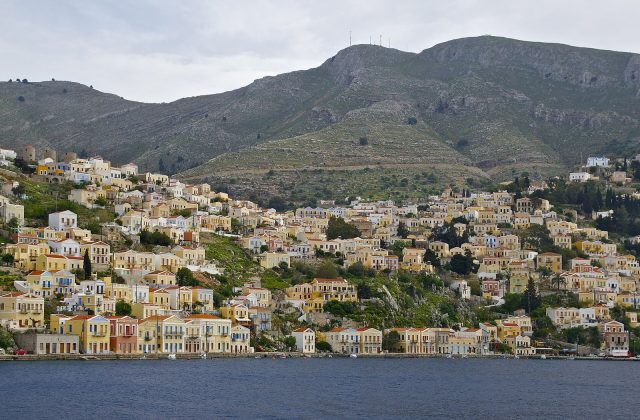
Symi is a small, mountainous island in the Dodecanese, about 24 km north of Rhodes, whose harbour town is a steep…
47 tours & trips
Dodecanese, Greece
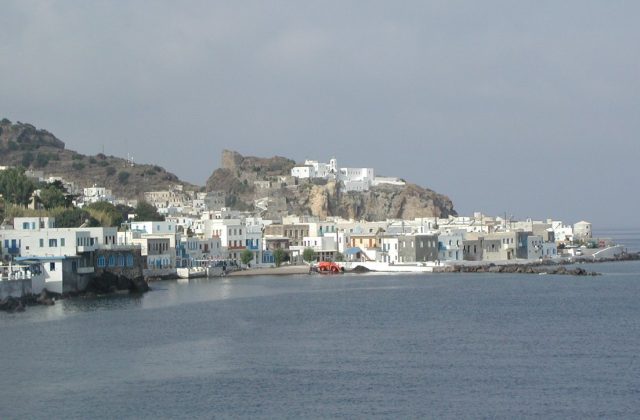
Nisyros is a round volcanic island of about 42 square kilometres in the Dodecanese, between Kos and Tilos.
9 tours & trips
Dodecanese, Greece
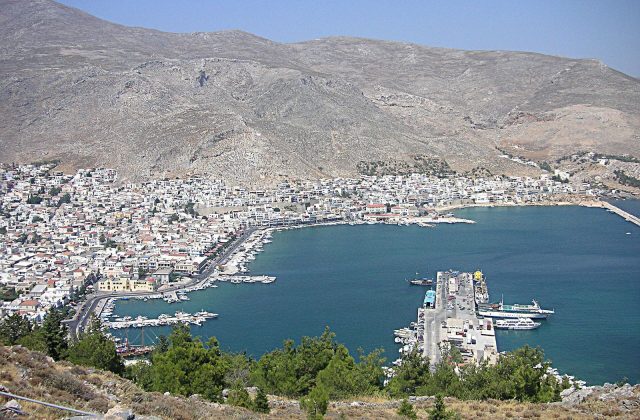
Kalymnos is a rugged Dodecanese island of about 110 square kilometres, just 12 km north of Kos, famous first for its…
7 tours & trips
Dodecanese, Greece
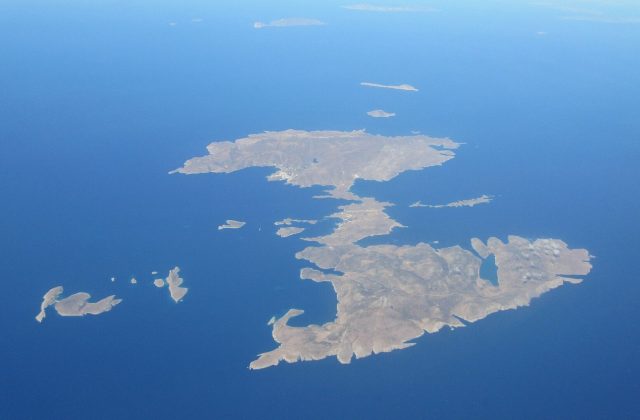
Astypalaia is a butterfly-shaped island on the western edge of the Dodecanese, two rocky lobes joined by a strip of…
5 tours & trips